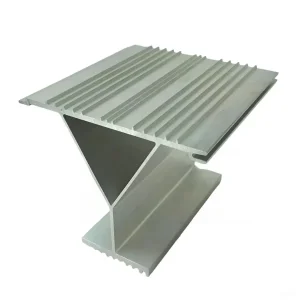
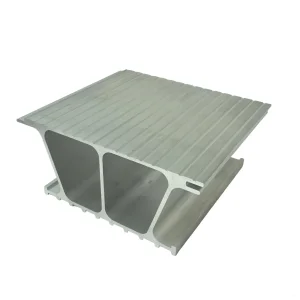
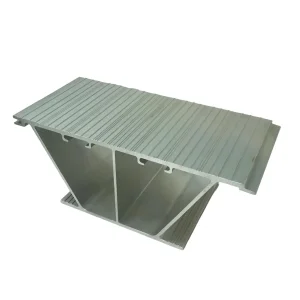
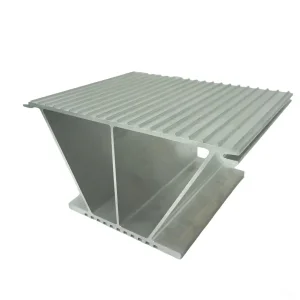
Select specialized aluminum profiles and safety net systems configured for marine, structural, and civil applications across New Zealand.
New Zealand's geophysically diverse landscape—ranging from highly active seismic fault lines in Wellington and Canterbury to coastal maritime microclimates in Auckland and Milford Sound—demands specialized structural engineering for helicopter landing facilities. Traditional concrete helipads exert massive static loads on structures. This weight penalizes the building structure during lateral seismic events under NZS 1170.5.
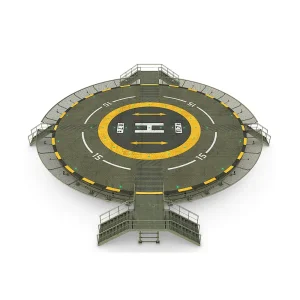
Advanced structural aluminum alloys provide an exceptional strength-to-weight ratio. They reduce the dead load on host buildings by up to 70% compared to cast concrete, significantly lowering the shear forces experienced by rooftop structures during earthquakes.
New Zealand's salt-spray environments fall under ISO 9223 Category C4/C5 atmospheric corrosivity. Using 6000-series structural aluminum (AlMgSi alloys) with hard anodizing prevents intergranular corrosion, eliminating the maintenance paint cycles needed for structural steel.
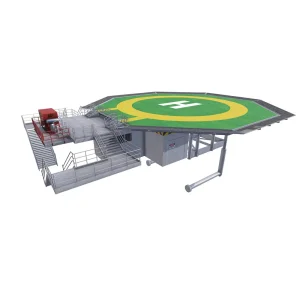
Modular lightweight structural profiles, integrated with flexible stainless steel sub-frames, allow the deck to absorb high-frequency vibrations and slide/deflect safely without structural fracturing during major seismic events.
A specialized structural aluminum solutions manufacturer delivering certified raw material processing and precise profile systems globally.
Established in 2015 and located in Foshan City, Guangdong, LvXing Intelligent Equipment Co., Ltd. has a highly skilled R&D team with deep experience in structural aluminum solutions. We use premium Fenglu aluminum, offering a diverse range of profiles for highly demanding civil engineering and safety projects.
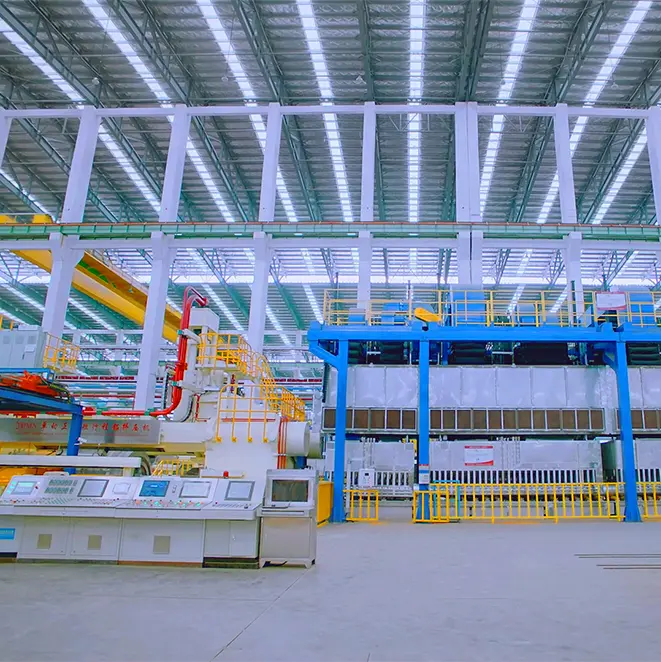
Our structural capabilities include high-capacity extrusion lines ranging from 800T to 20,000T. We support alloys across the 1xxx, 2xxx, 3xxx, 5xxx, 6xxx, and 7xxx series, allowing us to produce shaped profiles with cross-sectional dimensions up to 1.2 meters wide and 28 meters in length. These are highly valued for their dimensional tolerance, structural straightness, and meticulous processing.
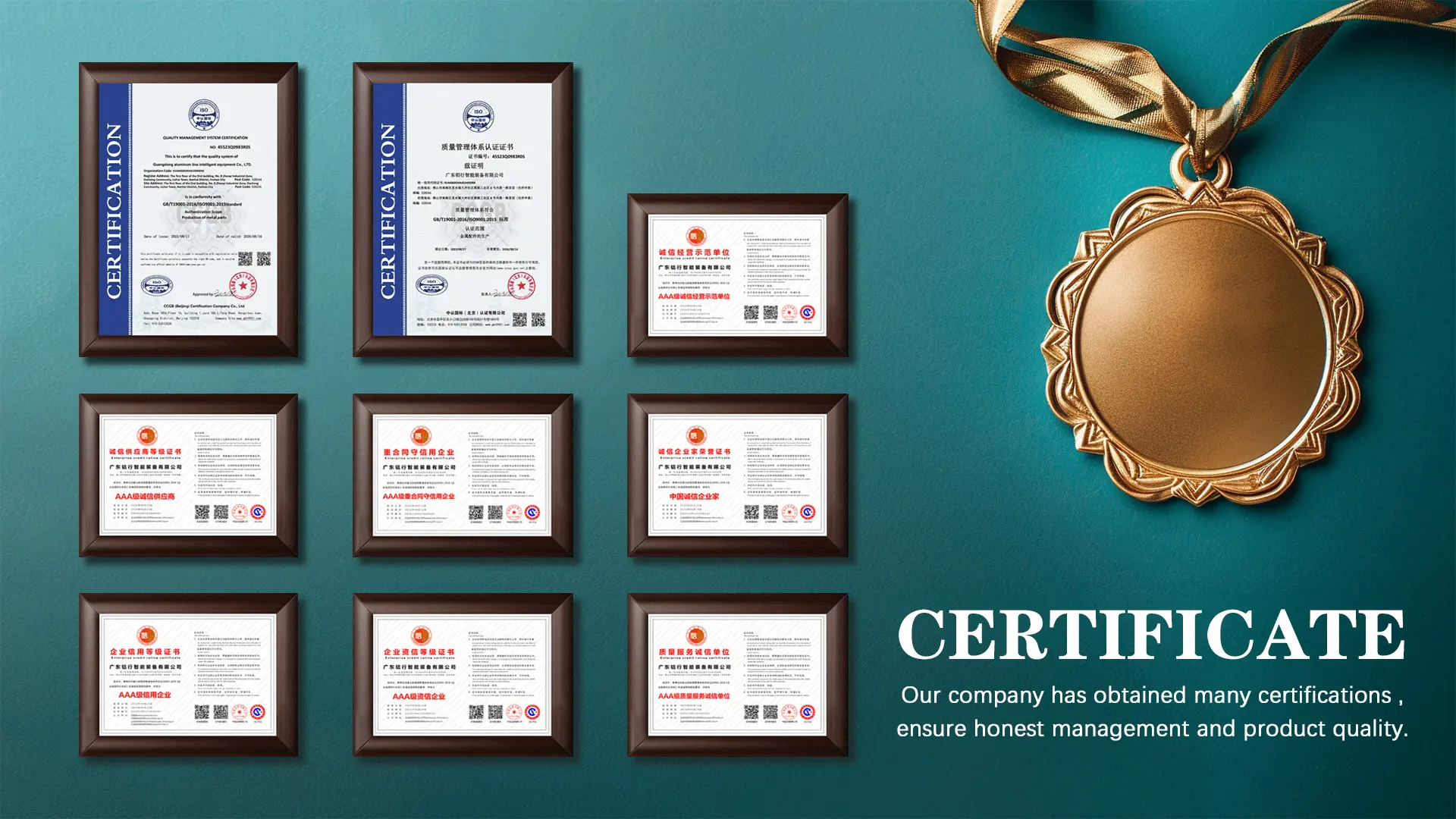
Our strict quality control spans the entire manufacturing flow—from initial alloy casting and extrusion to surface anodizing, packaging, and overseas logistics. This dedication has earned us recognition as an national excellent enterprise, alongside quality system certification compliant with GB/T19001-2016/ISO9001:2015 standards.
| Extrusion Press | 800T to 20,000T |
| Material Alloys | 6061-T6, 6082-T6, 6063-T6, 7000 Series |
| Max Profile Width | 1.2 Meters |
| Max Profile Length | 28 Meters |
| Standards Compliance | ISO9001:2015, GB/T19001-2016 |

We have obtained the "Special Aluminium Materials for Aerospace" Certificate, confirming our ability to meet the strict quality standards required for aviation infrastructure.

We provide and utilize high-quality Fenglu aluminum profiles. With extrusion lines ranging from 800T to 20,000T, we can produce alloys in the 1xxx to 7xxx series, up to 1.2m wide and 28m long.

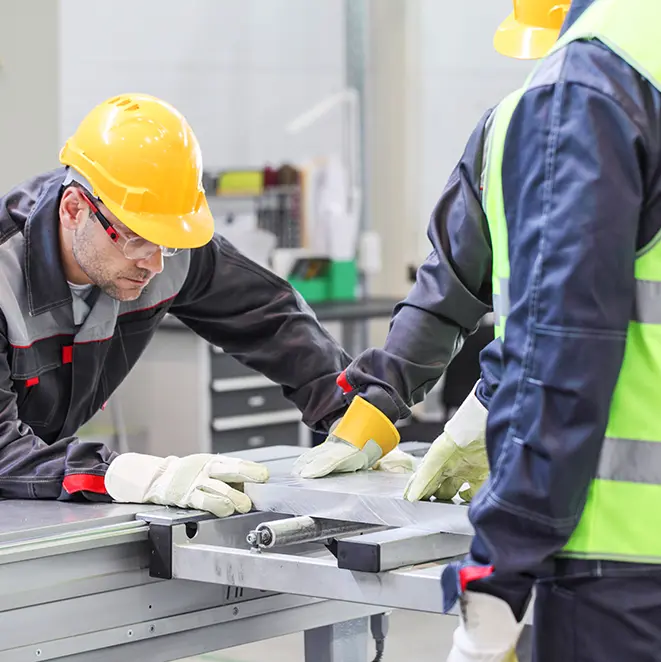
Our team of technicians brings over 15 years of experience. We understand customer requirements, identify potential structural challenges early, and turn design ideas into reliable projects.
An in-depth structural look at why modern engineering practices prefer aluminum over heavy concrete for rooftop and elevated helipads.
| Performance Metric | LvXing Aluminum Helideck Profiles | Traditional Cast Concrete / Steel Decks | Engineering Implications (NZ Market) |
|---|---|---|---|
| Static Weight (Dead Load) | ~45 kg/m² to 65 kg/m² | ~250 kg/m² to 400 kg/m² | Reduces structural reinforcing costs in host buildings under NZS 1170. |
| Corrosion Mechanism | Self-passivating oxide layer, excellent in coastal salt spray | Carbonation, concrete spalling, steel rebar oxidation | Crucial for coastal areas like Auckland, Wellington, and Taranaki. |
| Installation Window | 5 - 10 days (modular bolt-together structure) | 6 - 8 weeks (concrete curing, shoring, formwork) | Minimizes operational downtime on hospital rooftops and busy offshore platforms. |
| Friction Surface | Integrated serrations / knurled safety profiles | Painted epoxy coatings (prone to wear, slippery when wet) | Guarantees excellent grip under heavy sub-antarctic rainfall. |
| Maintenance Cycle | Minimal inspections (no painting needed) | Periodic crack sealing, structural painting, re-coating | Reduces long-term maintenance costs for offshore and remote locations. |
By utilizing structural alloys such as 6082-T6, which features high mechanical strength and good corrosion resistance, our helideck profiles support high wheel loads (e.g., AW139, AW189, and S-92 helicopters) while remaining light enough to protect the host structure from seismic dynamic stress.
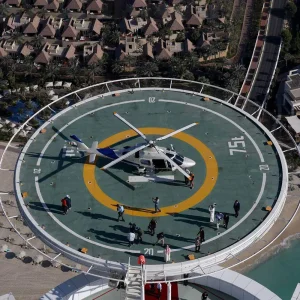
Perimeter safety netting is an essential safety requirement for elevated or rooftop landing pads. Under civil aviation guidelines worldwide (including CAA NZ and CAP 437), landing platforms elevated more than 0.75 meters above the adjacent surface must have a fallback safety net extending at least 1.5 meters outward.
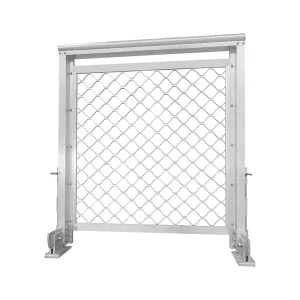
Lvxing design and manufacture high-strength perimeter safety nets using marine-grade 316 stainless steel frame structures and high-strength aluminum wire meshes. These assemblies are drop-tested to withstand a dynamic impact of 100 kg dropped from 1 meter, ensuring reliable protection for deck crew during operations.
Constructed with 316 stainless steel wire or marine-grade aluminum mesh, these nets resist offshore atmospheric corrosion and provide a long service life with minimal maintenance.
Our perimeter nets feature a flexible frame design. This helps absorb energy during deceleration, preventing injuries to personnel falling onto the net.
Understanding the cost, scale, and supply chain benefits of sourcing helideck structures from our specialized factory in Foshan.
Located in the heart of Foshan's aluminum extrusion cluster, we secure high-quality raw materials at competitive rates. We pass these cost efficiencies directly to our customers.
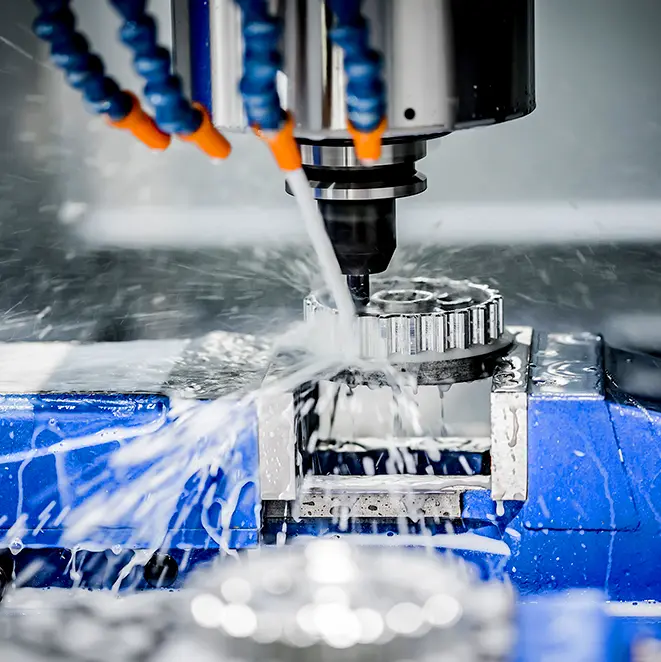
Every extrusion run undergoes strict testing, including ultrasonic flaw detection, hardness checks, anodization thickness verification, and structural tolerance alignments.
We supply complete documentation packages to assist with New Zealand local compliance (Building Consent), including Mill Test Reports (MTR), structural load analyses, and CE certificates.
How our structural aluminum decks and safety nets are deployed to solve specific civil, medical, and marine challenges.
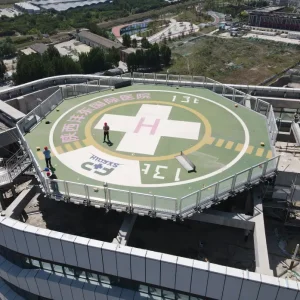
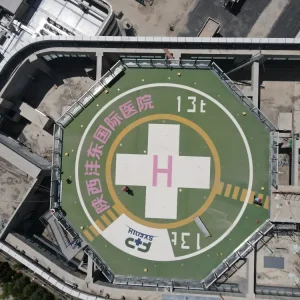
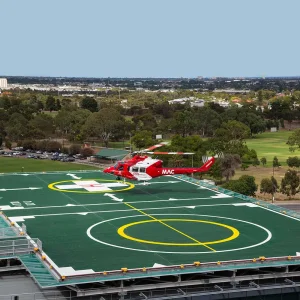
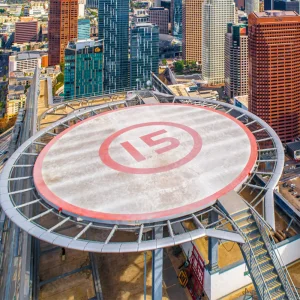
Rooftop landing pads on metropolitan hospitals must handle heavy dynamic helicopter loads without overloading the structure below. Using modular aluminum profiles avoids the need to reinforce old columns and beam lines, speeding up structural approval and construction.
Our integrated perimeter safety nets fold away or lock in place easily, ensuring they do not obstruct hospital maintenance activities or helicopter clearance paths.
Offshore vessels face constant salt water spray, high humidity, and cyclic loads from waves. Hard-anodized 6000-series structural aluminum decks resist marine oxidation without requiring regular corrosion-protection paint.
Combined with lightweight perimeter safety nets, our decks provide a durable, low-maintenance platform that meets demanding offshore standards.
High mountain areas present major challenges: heavy snow loads, low temperatures, and steep terrain. Under sub-zero conditions, traditional metals can become brittle, but our structural aluminum alloys retain their strength and flexibility.
The anti-slip profile surfaces maintain high traction, preventing slipping during ice and snow buildup.
Architects require structures that combine low weight with sleek aesthetics. Our interlocking deck planks hide utility and drainage systems within the profile frame, maintaining a clean finish suitable for high-end developments and yachts.
This layout accommodates essential lighting, fire suppression piping, and fuel runoff drainage while keeping the visual profile slim.
Expert answers regarding engineering specs, procurement lead times, and regulatory compliance for the New Zealand market.
Yes. Our structural aluminum helipad deck profiles and safety net systems are engineered to meet global aviation guidelines, including CAP 437 and CAA NZ Rule Part 139 / AC139-8. We provide the structural load calculations, material certifications, and layout specifications required by local structural engineers to obtain building consent.
We primarily use structural alloys 6082-T6 and 6061-T6 for main decking and structural support components. These alloys offer excellent tensile strength (minimum yield strength of 240 MPa), high corrosion resistance in salty air, and perform reliably at low temperatures.
Yes. Our perimeter safety net systems are drop-tested to meet international standards (including CAP 437 guidelines). The assembly (frame and infill mesh) is designed to absorb a minimum dynamic force of 100 kg dropped from 1 meter, preventing dangerous rebounds while securing falling personnel.
Custom extrusion and test pre-assemblies in our Foshan facility typically require 30 to 45 days, depending on project complexity. Sea freight to main New Zealand ports (Auckland, Tauranga, Lyttelton) takes around 18 to 25 days. Products are packaged in sea-worthy steel crates to ensure safe transport.
Please send your structural requirements, including helicopter MTOW, landing pad dimensions, and elevation details, via our contact form. Our design team will provide an initial layout proposal and a detailed quote within 3 to 5 business days.
Complete structural builds and safety components configured for public civil engineering and commercial projects.
Whether designing a hospital landing pad in Auckland, configuring an offshore vessel deck in New Plymouth, or specifying alpine safety nets in Queenstown, our engineering team can assist you with drawings, load testing validation, and detailed pricing.
Send Inquiry Now LvXing