Premium structural helipads and dedicated fall-prevention perimeter safety nets optimized for direct delivery to Gorgol regional operations.
A leading force in aluminum engineering, bridging high-precision alloy manufacturing with global aviation safety parameters.
Established in 2015 and located in Foshan City, Guangdong, LvXing Intelligent Equipment Co., Ltd. boasts a skilled R&D team with extensive experience. We leverage exceptional technical expertise to effectively transform customers' ideas into reality, consistently meeting their precise requirements.
We utilize premium Fenglu aluminum, offering a diverse range of profiles for flexible applications. Our extrusion lines, ranging from 800T to 20,000T, accommodate alloys 1xxx, 2xxx, 3xxx, 5xxx, 6xxx, and 7xxx, allowing us to produce shaped products with section dimensions up to 1.2 meters in width and 28 meters in length. These products are recognized for their precision and meticulous processing, finding broad application in aerospace, military, medical, and industrial sectors.
Our commitment to excellence is evident throughout the manufacturing process, rigorous quality control, thorough packaging, and efficient shipping procedures. This dedication has earned us recognition as a national excellent and honest enterprise, along with quality system certification in accordance with GB/T19001-2016/ISO9001:2015 standards.
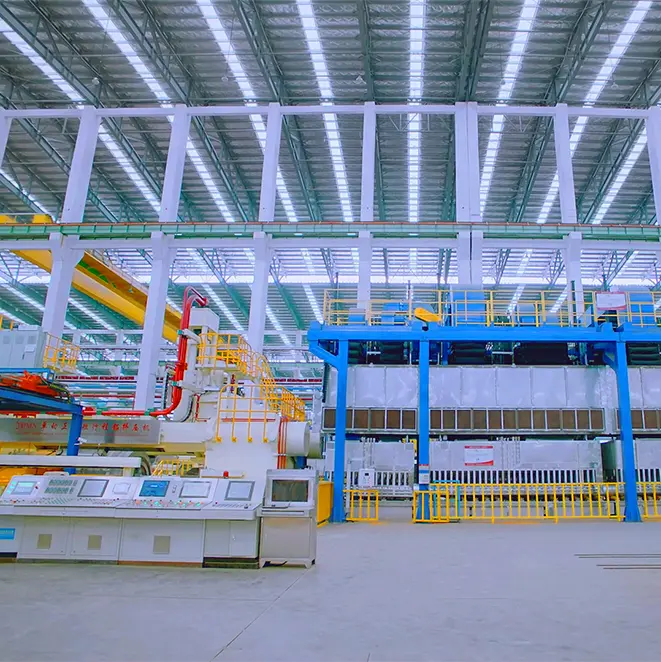

We have obtained the "Special Aluminium Materials for Aerospace" Certificate, certifying structural performance under intense load factors.
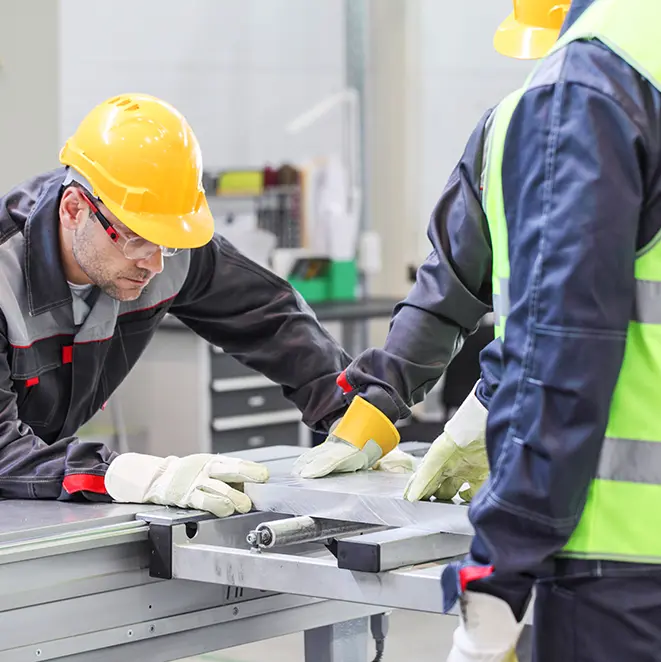

We provide high-quality Fenglu aluminum profiles. Extrusion lines from 800T to 20,000T support alloys 1xxx to 7xxx, with section widths to 1.2m and lengths to 28m.
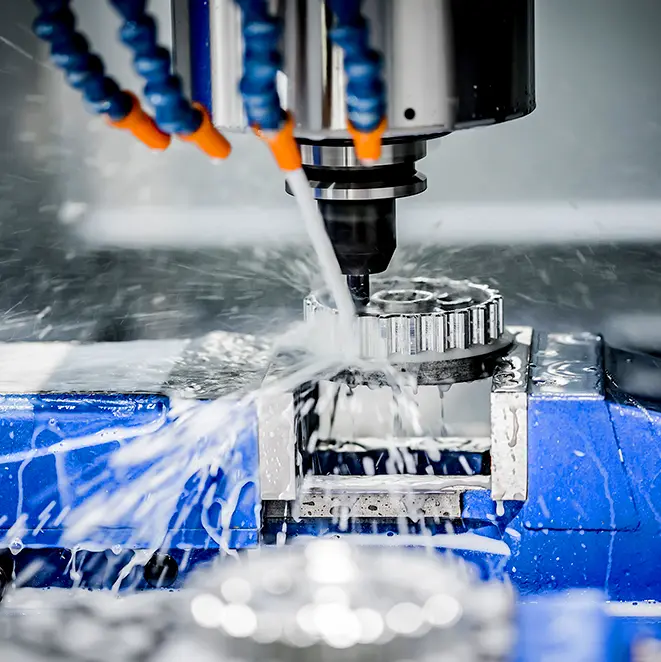

Technicians with 15+ years of experience identify structural challenges early, engineering complex, bespoke designs to exact site criteria.
In the expansive logistics networks of southern Mauritania, particularly within the Gorgol region, municipal hubs such as Kaédi function as vital administrative and transport junctions. As regional connectivity expands across the Senegal River basin, helicopter and VTOL (Vertical Take-off and Landing) transportation becomes central to humanitarian aid distribution, geological prospecting, emergency medical evacuations (MEDEVAC), and municipal security patrols.
However, the Sahelian climate introduces extreme environmental stresses. Ambient temperatures frequently surpass 45°C, solar radiation is severe, and the seasonal Harmattan winds introduce abrasive sand particles. Under these conditions, traditional steel structures face accelerated oxidation, while substandard synthetic nets degrade rapidly due to ultraviolet (UV) radiation. Lvxing’s high-grade aluminum structural designs and marine-grade stainless steel/aluminum safety mesh systems provide the structural resilience, thermal resistance, and long-term reliability necessary to meet these challenges.
Integrating professional helipads and perimeter safety netting in Kaédi serves three main operational categories:
Internationally, structural engineering has shifted decisively away from carbon steel toward structural aluminum alloys. The key driver is the high strength-to-weight ratio of aluminum, which minimizes the load added to host buildings—a critical factor for hospital and hotel rooftop installations.
Moreover, global aviation authorities—including the International Civil Aviation Organization (ICAO) Annex 14 and the UK Civil Aviation Authority (CAP 437)—have updated their standards. They now require high-durability perimeter safety nets that are corrosion-resistant, impact-absorbent, and designed to tilt outward to catch falling personnel without obstructing helicopter rotor clearance.
Lvxing utilizes structural alloys such as 6082-T6 and 6061-T6, which undergo advanced thermal treatments to achieve their final mechanical properties. With extrusion capabilities up to 20,000T, we can extrude wide, hollow deck planks that lock together seamlessly. This design distributes the intense point loads of a landing helicopter's wheels or skids across the entire support frame.
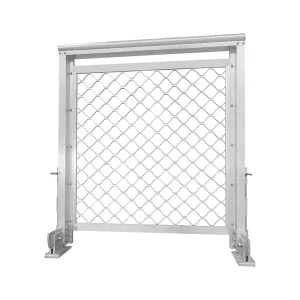
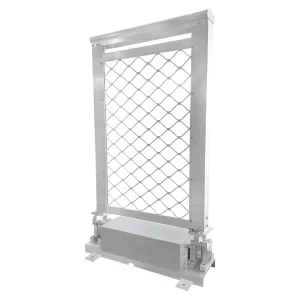
Our perimeter safety nets are constructed using corrosion-resistant 316-grade stainless steel wire ropes or high-grade anodized aluminum alloy frames. Engineered to absorb a minimum kinetic energy of 2.3 kJ, they ensure that any human or object falling from the deck profile is safely caught. The net is tensioned to hold the falling load securely, avoiding the trampoline effect that could propel a person back toward the platform.
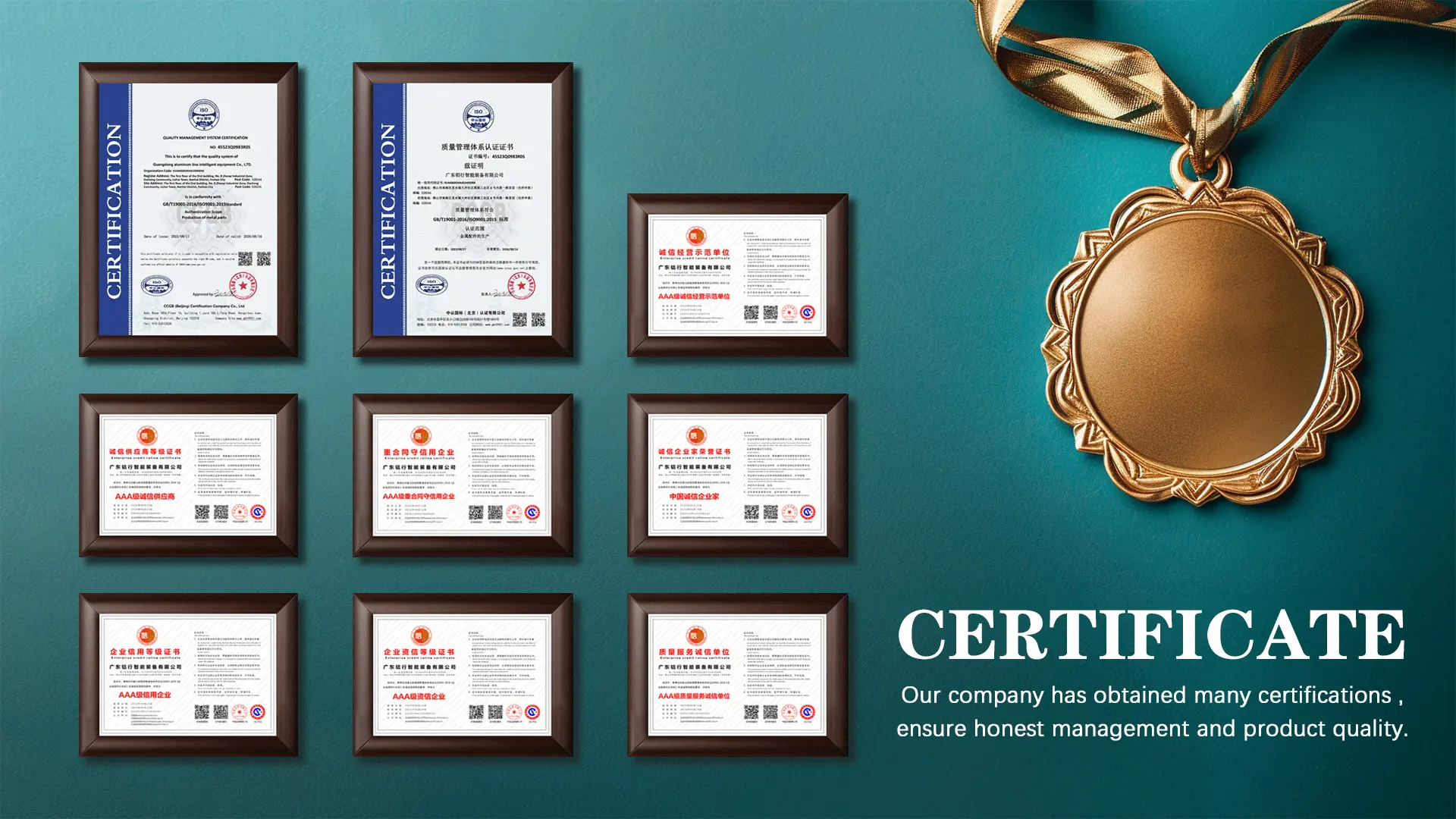
Providing turnkey helideck solutions designed for rapid transport, modular onsite construction, and prolonged field lifetimes.
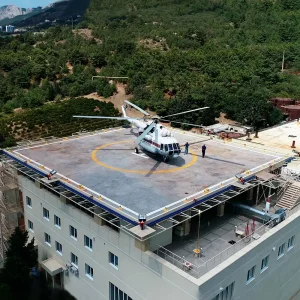
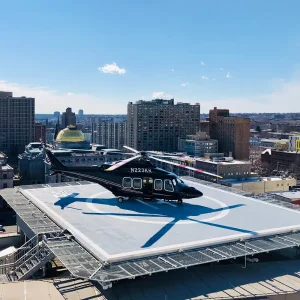
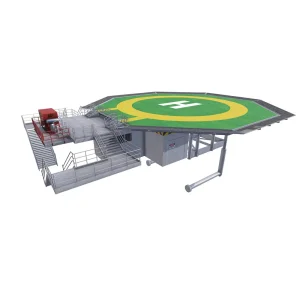
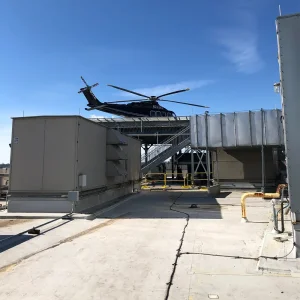
Elevated helidecks are designed as complete structural kits. Their light deadweight reduces the demand on supporting structural columns. This makes them ideal for rooftop retrofits on older concrete buildings or ground-level structures located on loose soil or sand. Because aluminum offers excellent corrosion resistance, these decks eliminate the regular sandblasting and repainting maintenance required by carbon steel structures.
A major risk at elevated helicopter landing sites is the slip-and-fall hazard during high winds or turbulent takeoffs. Our safety nets extend 1.5 meters outward and slope upward at a 10-degree angle. This configuration halts falling items or crew members without creating an obstacle for the helicopter's rotor path. We offer both manual tilt-down systems and electric/automated folding systems, allowing operators to configure the system to match their project's structural layout.
Lvxing provides detailed structural analysis, dynamic modeling, and wind tunnel simulation reports for every client project. We package and containerize our components for secure logistics transit through West African ports, ensuring that materials arrive in Kaédi complete and ready for assembly by local structural crews under our expert remote or on-site supervision.
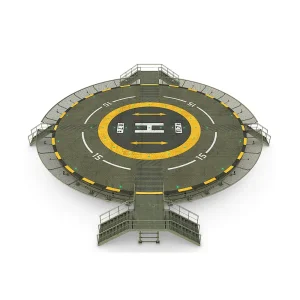
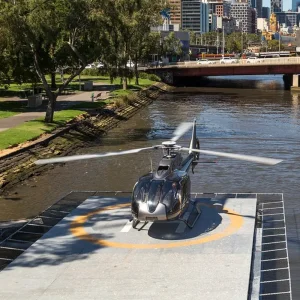
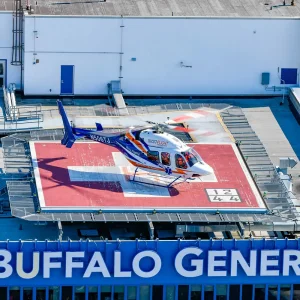
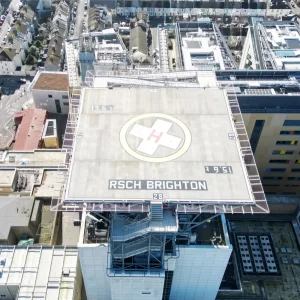
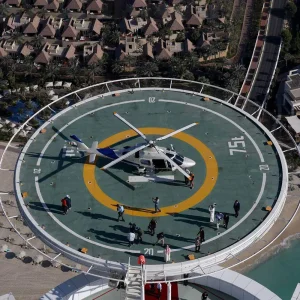
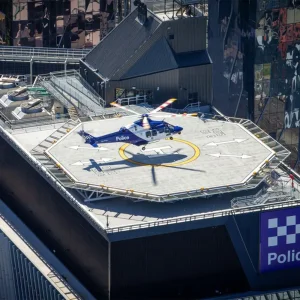
Explore our comprehensive range of high-performance aluminum helideck decks, customized wire meshes, and regional hospital landing pads.
In-depth insights regarding aluminum alloy installations, safety compliance, and environmental durability in desert regions.
Aluminum profiles made from alloys like 6082-T6 and 6061-T6 feature high thermal conductivity. This allows them to dissipate heat rapidly and minimizes structural distortion under high ambient temperatures. Additionally, aluminum naturally forms a protective oxide layer that resists corrosion without regular repainting. This is a major advantage in sandy environments where abrasive sandstorms quickly strip away paint from steel surfaces.
Perimeter safety nets must extend at least 1.5 meters from the edge of the landing platform. Their main function is to catch falling personnel without presenting an upright obstacle that could strike helicopter rotors. Lvxing’s nets are tension-tested and designed to tilt down or sit at a specific 10-degree upward slope. They are constructed using 316 stainless steel wire or marine-grade aluminum, which prevents structural failures caused by intense UV exposure or mechanical wear.
Yes. Leveraging our advanced production lines (featuring extrusions up to 20,000T), we build helideck profiles that exceed the dynamic landing load requirements of heavy helicopters. During our design phase, we run Finite Element Method (FEM) analysis to simulate the severe dynamic impact of landing wheels and skids, verifying safety margins before manufacturing begins.
Our systems feature a modular, interlocking design. All structural profiles, deck panels, and safety net components are systematically packaged in standard shipping containers. This permits transport from West African coastal ports directly to Kaédi via truck. The onsite installation is clean and straightforward, utilizing high-tensile bolted connections that require no field welding.
Partner with Lvxing to bring world-class aerospace-certified aluminum deck and safety net systems to the Kaédi regional market. Contact us for custom quotes and drawings.
Send Inquiry Now LvXing