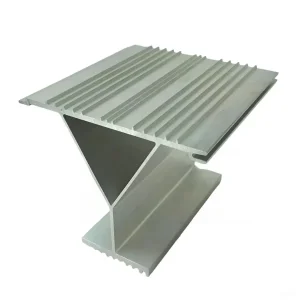
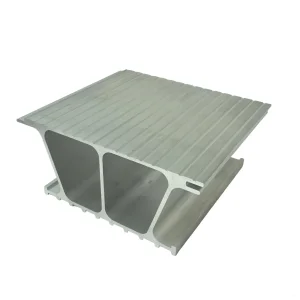
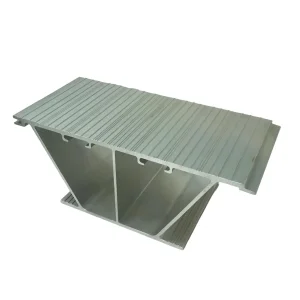
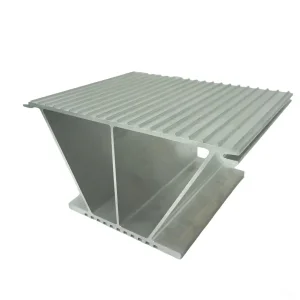
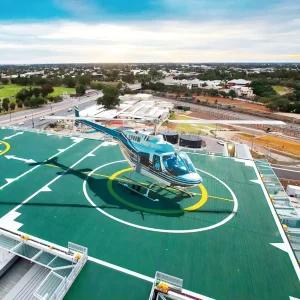
Engineered structural extrusions designed specifically to address strict Japanese seismic standards and coastal corrosion profiles in the Osaka Bay area.
An authoritative analysis of localized demand, manufacturing limitations, material properties, and international standards governing safety net and helideck deployment in Japan and worldwide.
Osaka, as the economic core of the Kansai region, presents a complex dense high-rise architecture coupled with severe natural risk profiles. Being situated on the coast of Osaka Bay, structural applications must withstand high salt spray, intense relative humidity, and seismic forces typical of western Japan. In compliance with the Japanese Building Standards Act (Kenchiku Kijun-hō) and the Fire Service Act, high-rise developments exceeding 31 meters typically mandate emergency rooftop evacuation zones, and buildings over 100 meters require dedicated helicopter landing pads (H-Mark) or rescue spaces (R-Mark).
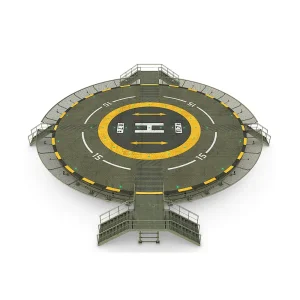
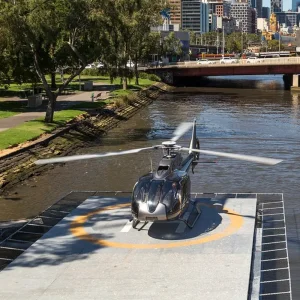
Traditional concrete helidecks add massive dead weight to skyscrapers, demanding intensive structural column support that increases baseline construction costs and limits seismic resilience. Interlocking aluminum extrusion structures—utilizing alloys such as 6005A-T6 and 6082-T6—have emerged as the ideal engineering alternative. Lightweight aluminum helipads reduce structural dead load by up to 70% compared to concrete, offering superb dynamic energy absorption during landing impact and seismic oscillations. This structural mitigation is vital for retrofitting older hospitals, disaster prevention centers, and municipal hubs across Osaka, Umeda, Namba, and Yumeshima.
On a global scale, the requirement for helicopter landing zones is expanding rapidly due to the growth of offshore wind energy platforms, deep-sea exploration vessels, mega-yachts, and urban air mobility (UAM) infrastructures. Globally, CAP 437 (Standards for Offshore Helicopter Landing Areas) and ICAO Annex 14 Volume II serve as the governing authorities on structural compliance, demanding rigid quality assurance.
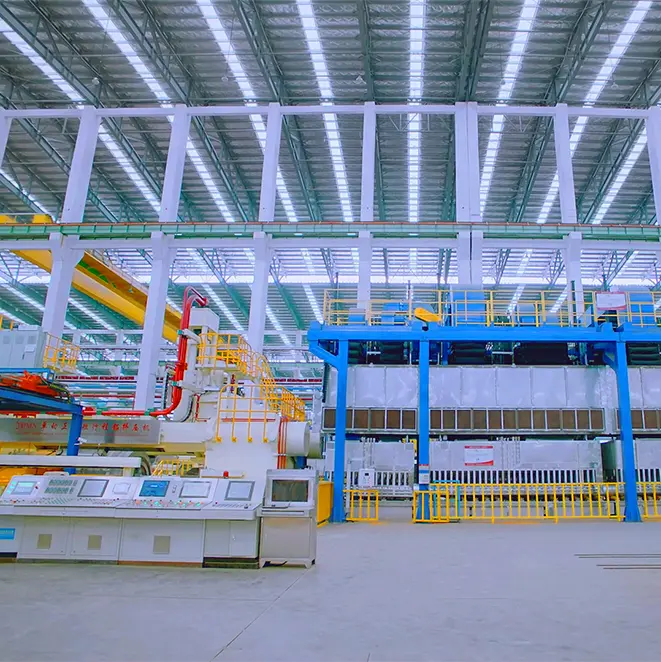
To meet these international demands while bridging localized Japanese Industrial Standards (JIS H 4100 for aluminum extrusions), advanced factories leverage massive hydraulic extrusion presses. Producing massive structural profiles that span up to 1.2 meters in cross-sectional width requires deep metallurgical knowledge and state-of-the-art tooling. By sourcing raw materials from premier global suppliers and applying strict heat treatment processes (T5/T6 tempering), leading manufacturers produce profiles that excel in tensile strength, yield strength, and fracture toughness.
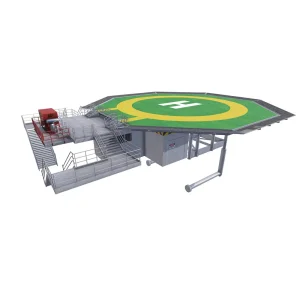
The modular engineering of helipads depends heavily on the geometry of the extruded profiles. These profiles are designed as multi-void, hollow interlocking structural planks. During assembly, the planks slide together and are mechanically locked or welded using Friction Stir Welding (FSW). FSW provides superior joint integrity and eliminates the heat-affected zone (HAZ) weaknesses commonly associated with traditional MIG/TIG welding.
Key engineering specifications include:
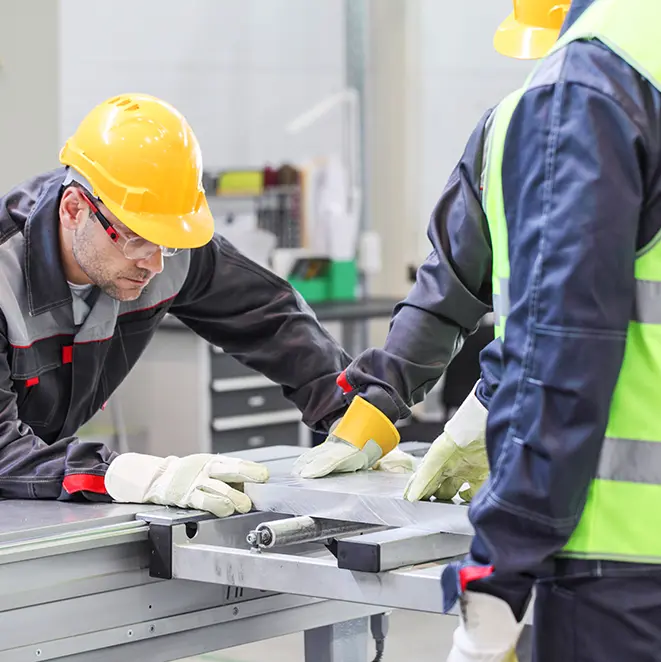
Established in 2015 and located in Foshan City, Guangdong, LvXing Intelligent Equipment Co., Ltd. boasts a skilled R&D team with extensive experience. We leverage exceptional technical expertise to effectively transform customers' ideas into reality, consistently meeting their precise requirements.
We utilize premium Fenglu aluminum, offering a diverse range of profiles for flexible applications. Our extrusion lines, ranging from 800T to 20,000T, accommodate alloys 1xxx, 2xxx, 3xxx, 5xxx, 6xxx, and 7xxx, allowing us to produce shaped products with section dimensions up to 1.2 meters in width and 28 meters in length. These products are recognized for their precision and meticulous processing, finding broad application in aerospace, military, medical, and industrial sectors.
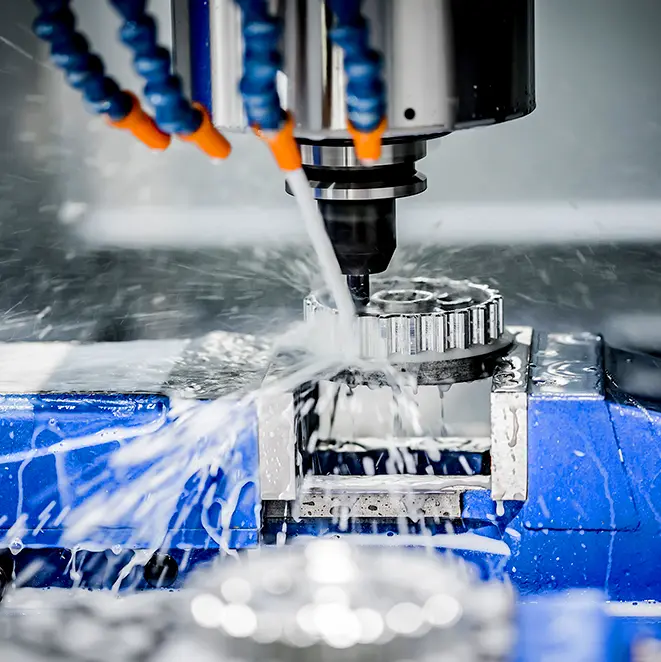
Our commitment to excellence is evident throughout the manufacturing process, rigorous quality control, thorough packaging, and efficient shipping procedures. This dedication has earned us recognition as a national excellent and honest enterprise, along with quality system certification in accordance with GB/T19001-2016/ISO9001:2015 standards.
We aspire to be your trusted business partner and warmly invite you to visit our factory.
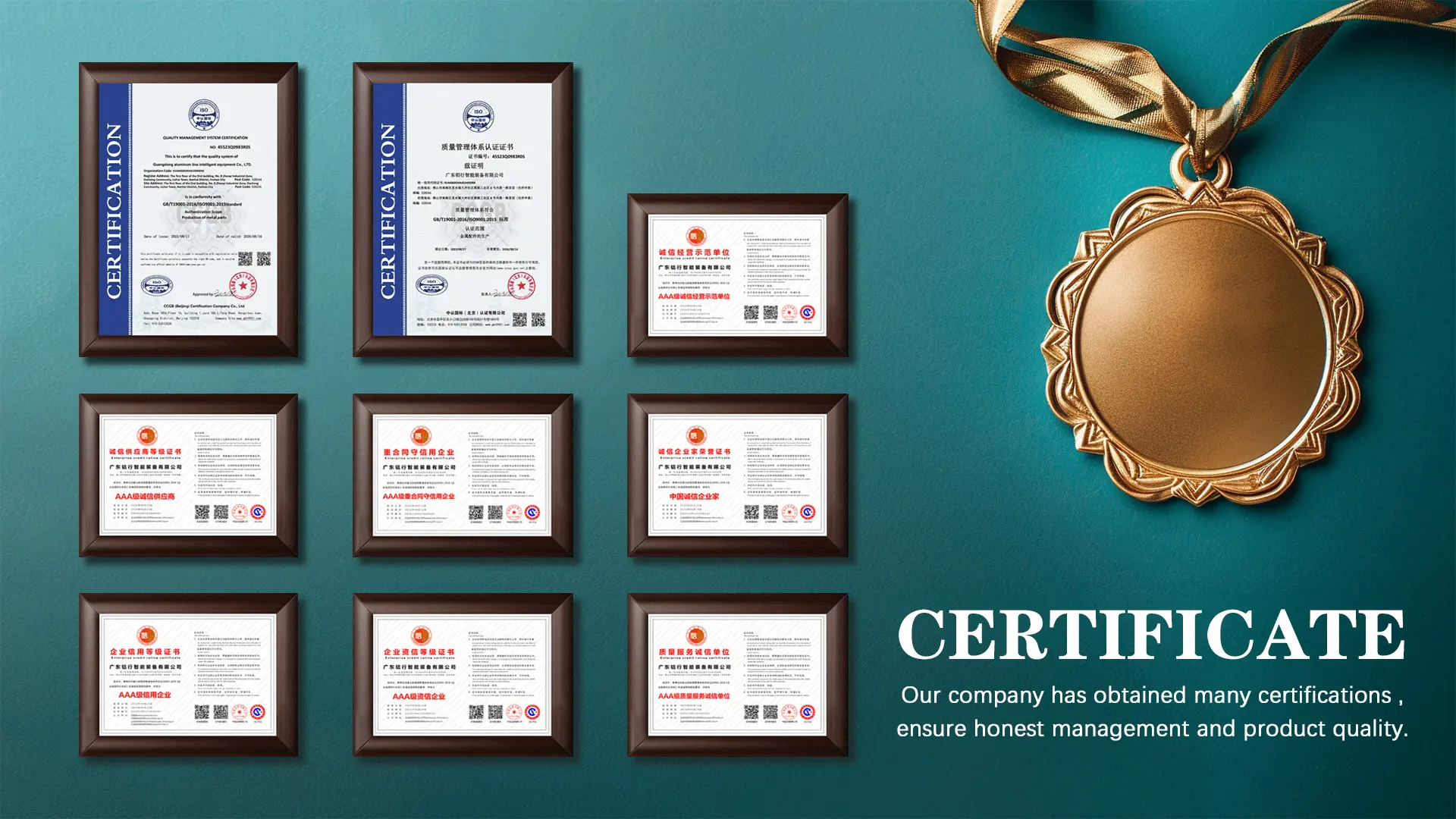
Uncompromising material selection, robust quality assurance frameworks, and customized engineering services.
We have obtained the prestigious “Special Aluminium Materials for Aerospace” Certificate, affirming our compliance with high-stress safety requirements.
We utilize high-quality Fenglu aluminum profiles. With extrusion lines ranging from 800T to 20,000T, we produce alloys 1xxx to 7xxx up to 1.2m in width or 28m in length.
Our team of technicians boasts 15 years of invaluable experience, translating customer requirements and designs into optimized, physical structural systems.
Addressing structural requirements across maritime, urban, and critical emergency response divisions.
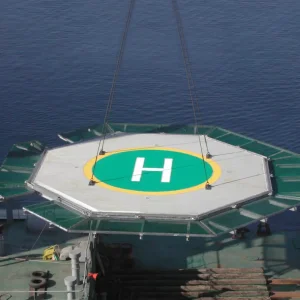
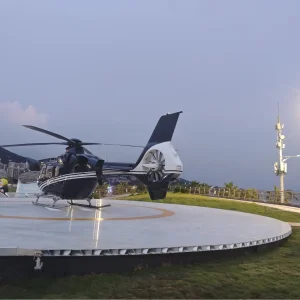
Offshore supply vessels, cruise ships, and ocean platforms operating in Osaka Bay demand helidecks built to CAP 437 and Class rules (e.g., ClassNK). Extreme exposure to salt spray makes aluminum alloy (specifically marine-grade 5083 or 6082 structural extrusions) the only material choice. Steel structures suffer from structural pitting and catastrophic oxidation, whereas anodized aluminum creates a self-healing passivating oxide layer. This layer ensures a minimum 30-year operational life with zero paint coating maintenance.
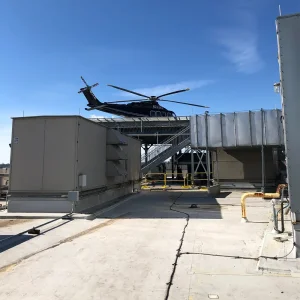
Modern skyscrapers in Osaka Central District require rooftop landing zones for safe building evacuation during fire or seismic events. Dynamic structural calculations for earthquake-induced accelerations require the lowest possible mass at the top of the building. Standard aluminum designs reduce building shear forces during seismic load cycles, allowing structural designers to optimize roof substructures and minimize expensive dampening mechanisms.
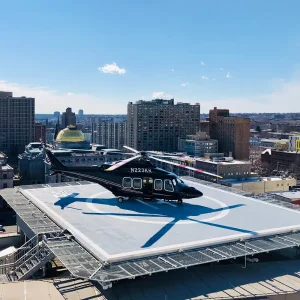
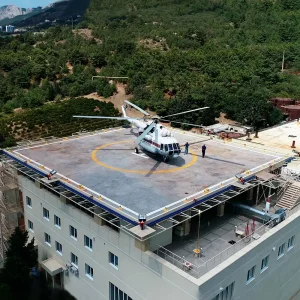
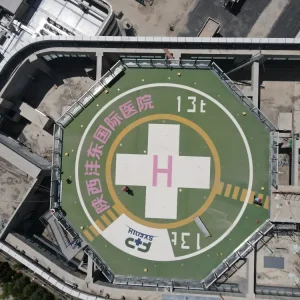
Trauma centers and regional hospitals must remain operational immediately after major earthquakes. Concrete helipads can crack, losing structural integrity. In contrast, high-strength aluminum decks remain intact, enabling medical transport helicopters to land without delay. Integrated heating elements within the hollow profiles can keep landing zones ice-free, ensuring safe, year-round medical flights.
Complete procurement options for critical safety-compliant landing pad elements, structural framing, and perimeter netting.
Exceeding international civil aviation safety rules with advanced material performance.
Perimeter safety nets are a critical, life-saving component of any elevated landing platform, preventing personnel from falling overboard. They must satisfy drop test standards such as CAP 437 Chapter 3. Under CAP 437, the safety net frame and mesh must withstand a dynamic impact load of 125 kg dropped from a height of 1 meter without structural failure.
Two primary engineering options exist for these safety systems:
Our manufacturing facility produces custom panels designed to connect to aluminum profile channels, facilitating quick field installation and long-term structural reliability.
Targeted solutions for civil rescue, regional medical centers, and custom municipal infrastructure.
A dynamic engineering outlook on smart helideck systems and next-generation metallurgy.
As urban transport transitions toward Urban Air Mobility (UAM) and eVTOL (electric Vertical Take-Off and Landing) aircraft, helideck infrastructure must adapt. Future helipads require built-in intelligence, electrical integration, and rapid automated fire suppression.
We are actively researching the following development pathways:
When designing safety infrastructure in the Kansai region, combining lightweight aluminum profiles with custom-fit safety nets reduces total structural costs. Minimizing weight on roofs simplifies earthquake reinforcement, helping buildings comply with fire safety laws.
Expert answers addressing the design, certification, and installation of modular aluminum helipads and safety nets.
 LvXing