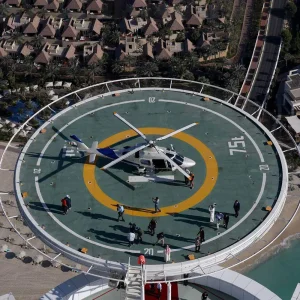
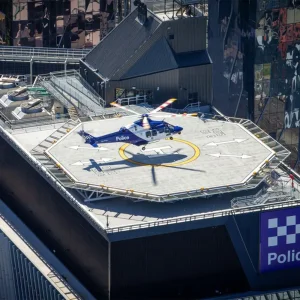
Engineered specifically for the high seismic loads, typhoon risks, and coastal salinity of the Japanese archipelago.
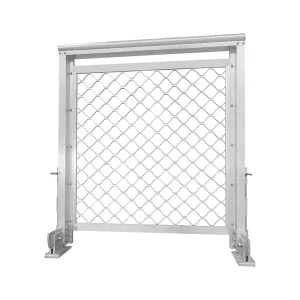
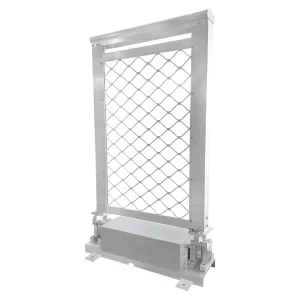
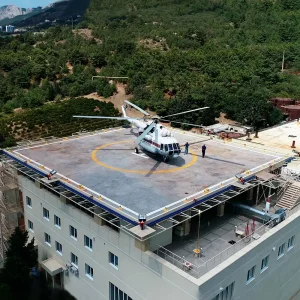
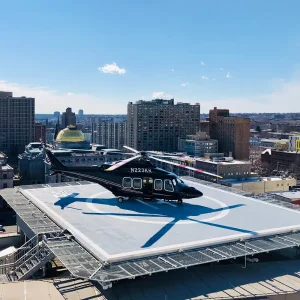
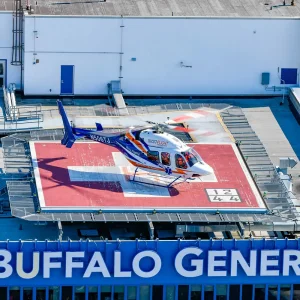
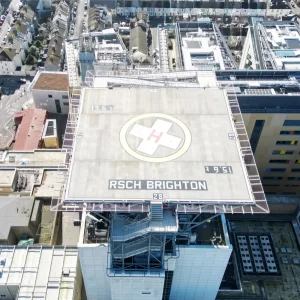
Japan is uniquely vulnerable to seismic activity and typhoons, requiring heliport solutions that can withstand severe dynamic loads and environmental stresses. Roof-mounted heliports on Japanese hospitals, government towers, and offshore platforms are built to some of the world's strictest engineering standards.
Heliports in Japan must comply with the Japan Civil Aeronautics Act (航空法) and local municipal fire codes. The structural framework must endure high shear forces, seismic displacement, and wind shear. Aluminum alloy stands out as the ideal material due to its lightweight properties, high corrosion resistance, and structural strength, making it preferred over traditional heavy concrete designs.
For offshore installations, including vessels operated by the Japan Coast Guard (JCG) and maritime energy substations in the Sea of Japan, safety nets must withstand corrosion from saltwater and high winds. Safety nets must also meet CAP 437 regulations, ensuring they remain strong and reliable over years of service.
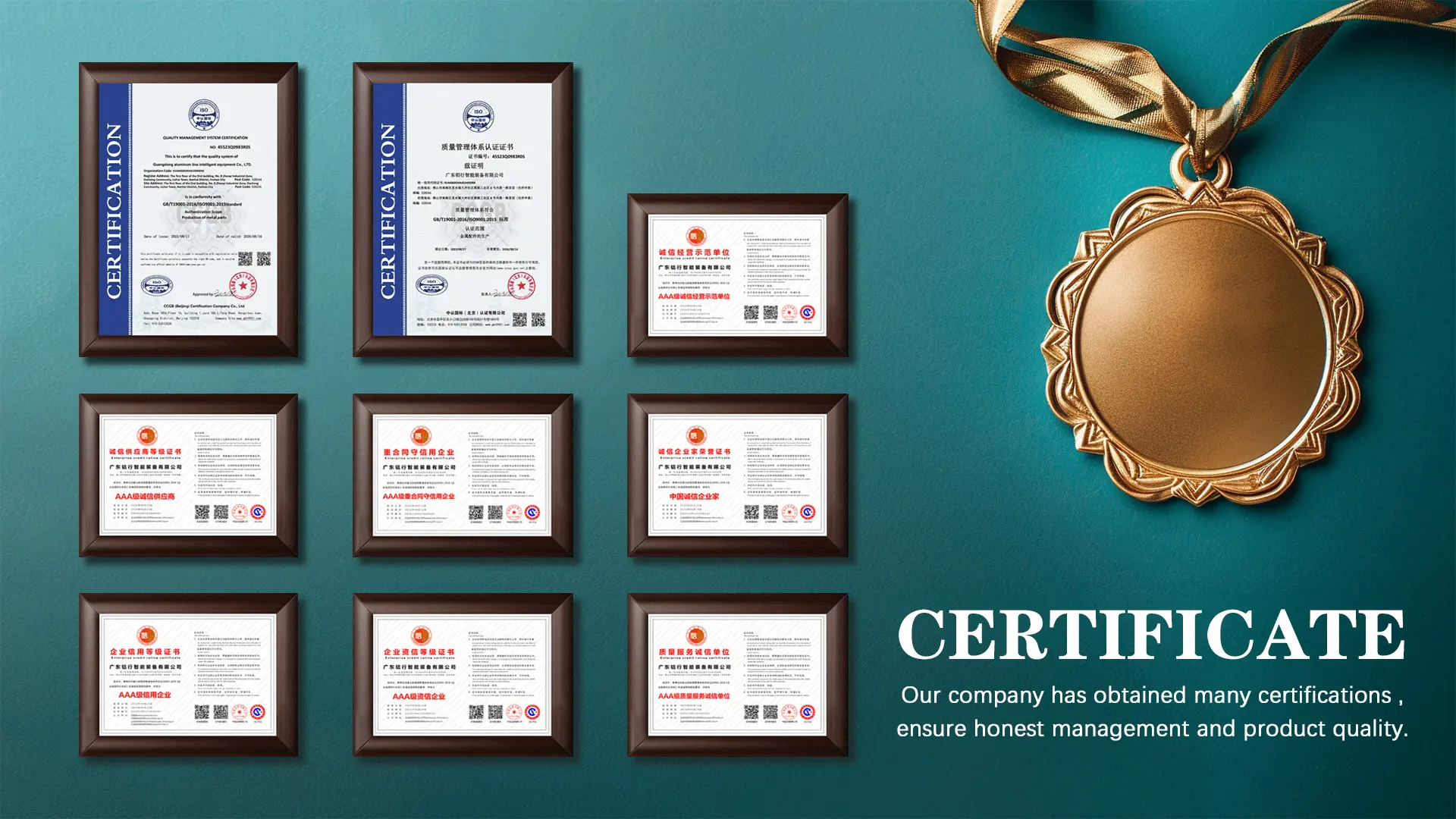
Globally, helicopter landing networks are shifting from heavy, corrosion-prone steel structures to lightweight modular aluminum decks. This transition is driven by the rise of urban air rescue operations, heavy cargo drone systems, and future eVTOL (electric vertical takeoff and landing) transit networks in dense cities like Tokyo, Osaka, and Yokohama.
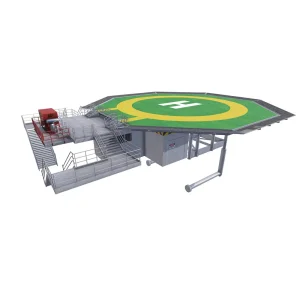
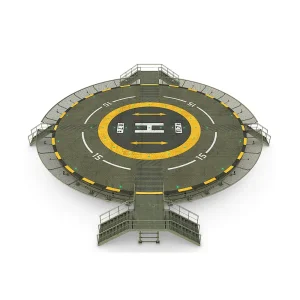
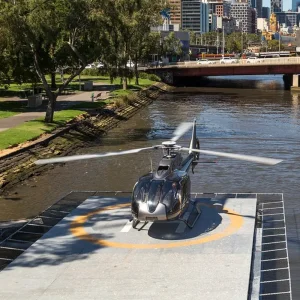
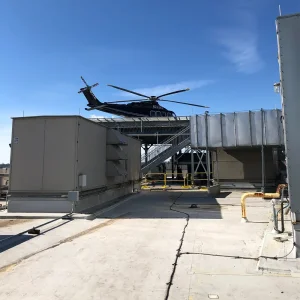
Modern rooftop heliports are designed as integrated systems combining structural decking, safety netting, LED lighting, and fire-suppression systems. By utilizing advanced aluminum alloys, structural engineers can minimize additional dead load on aging structures, avoiding costly structural reinforcements for old buildings while ensuring safety during emergency evacuations.
Why Japanese general contractors and international engineering firms choose LvXing Intelligent Equipment Co., Ltd.
We hold the "Special Aluminium Materials for Aerospace" Certificate. Our manufacturing processes are verified to withstand severe dynamic impact tests and marine environments.
Our facility operates extrusion lines from 800T to 20,000T, working with 1xxx to 7xxx alloys. We produce single-section components up to 1.2 meters wide and 28 meters long to minimize seams.
Our design team has over 15 years of experience in structural engineering. We translate complex specifications into reliable helideck solutions that meet Japanese construction regulations.
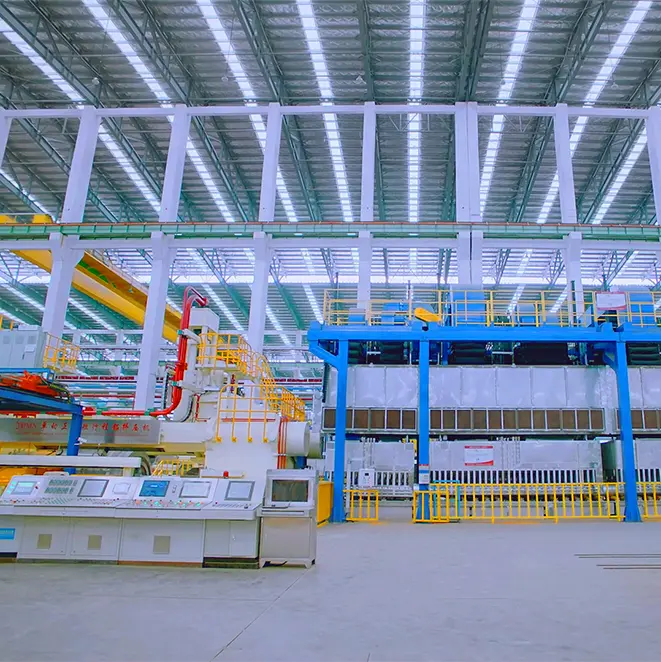
Established in 2015 and located in Foshan City, Guangdong, LvXing Intelligent Equipment Co., Ltd. has developed into a leading manufacturer of specialized aluminum structures. We use premium Fenglu aluminum to offer flexible and durable custom solutions.
Our QA programs comply with GB/T19001-2016/ISO9001:2015 international standards. Each landing deck project is modeled using FEA (Finite Element Analysis) to simulate seismic movements and dynamic impact loads, ensuring reliable performance before installation.
Send Inquiry NowSelect from our certified catalog of perimeter netting, wire meshes, structural decks, and emergency landing equipment.
Under the Hood: Aluminum Alloys and Safety Perimeter Solutions
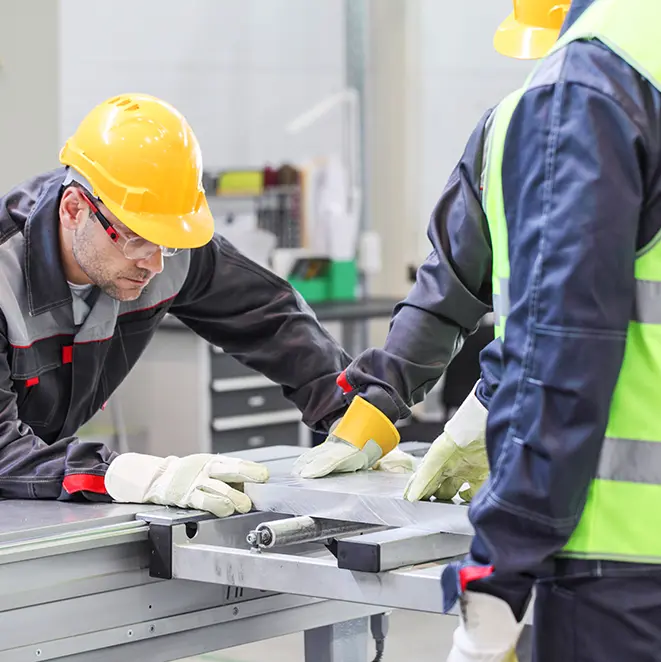
Designing a rooftop or marine helideck requires selecting the proper aluminum alloy. Our standard engineering processes utilize high-strength 6000-series (6082-T6, 6061-T6) and 7000-series alloys. These materials undergo a heat-treatment process to optimize tensile strength and yield performance.
Unlike heavy concrete or corrosive structural carbon steel, our modular profile sections lock together to create a continuous, rigid surface. This profile design distributes landing impact loads across the supporting steel or concrete building frame, preventing localized structural overload during emergency operations.
Each extrusion features integrated channels designed for flush-mounted landing lights, run-off drainage systems, and tie-down points for aircraft. This integrated approach reduces maintenance requirements and limits installation time on site.
The perimeter safety net is a critical safety system on offshore platforms and urban high-rise heliports. Our perimeter netting solutions prevent personnel and equipment from falling while allowing unrestricted flight deck clearance.
Under CAP 437 (Civil Aviation Authority) standards, safety nets must extend at least 1.5 meters outward from the edge of the landing platform. The net must have an upward slope of approximately 10 degrees to safely catch anything that falls, without creating a hazard for landing gear.
Our nets utilize 316-grade stainless steel wire mesh or lightweight, corrosion-resistant aluminum frames. Tested to withstand drop impacts of 122.5 kg dropped from heights of up to 1 meter, our nets provide reliable fall protection in high-wind conditions.
Answers to common structural, regulatory, and logistics questions from Japanese and international contractors.
Get in touch with our design engineers for initial structural load estimates, product specification sheets, and competitive project quotes.
Send Inquiry Now LvXing