Advanced structural aluminum profiles designed to support critical rooftop and marine heliport infrastructure across Indonesia.
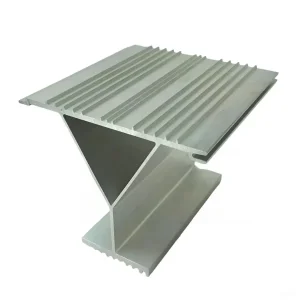
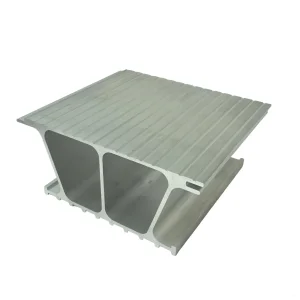
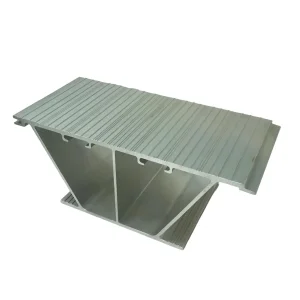
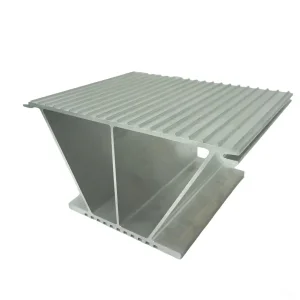
As the primary economic powerhouse of Indonesia, the Jakarta Metropolitan Area (Jabodetabek) faces significant challenges associated with urban density, terrestrial gridlock, and geographical dispersion. The demand for modern helicopter landing installations has transitioned from an occasional corporate luxury to a structural necessity. Key sectors—such as emergency medical services (EMS), commercial real estate development in Kuningan, Sudirman (SCBD), and offshore energy exploration in the Sunda Strait—require rapid transit capabilities that only robust, engineered helipads can provide.
This whitepaper provides an in-depth analysis of structural engineering developments, focusing specifically on aluminum profile technology. Aluminum helipad decks are increasingly replacing traditional poured concrete structures. By integrating premium grade raw materials (such as Fenglu Aluminum) with advanced extrusion capabilities, manufacturers are supplying the Jakarta market with lighter, more durable, and highly corrosion-resistant options that comply with both Indonesian DGCA regulations and international standards.
Jakarta's humid tropical marine climate introduces significant corrosion challenges. Exposure to atmospheric salt spray, high humidity, and industrial emissions accelerates the galvanic corrosion of carbon steels and degrades standard concrete structures over time.
Modern aviation engineering addresses this by utilizing 6000-series structural aluminum alloys (specifically 6005A-T6 and 6082-T6) for landing deck extrusions. These alloys undergo solution heat treatment and artificial aging to achieve a high strength-to-weight ratio, structural stability, and superior resistance to localized pitting.
Features excellent corrosion resistance and the highest strength of the 6000-series alloys. Ideal for high-stress structural configurations on marine vessels and high-rise rooftops in coastal regions.
Anodizing treatment increases the surface oxide layer thickness, protecting the underlying aluminum profiles from the corrosive effects of Jakarta's salty sea breezes and heavy monsoon rains.
Designed with tight tolerances for direct interlocking assembly. Eliminates the heat-affected zones associated with extensive field welding, preserving the structural integrity of the temper.
Our structural elements are optimized for dynamic impact resistance. During a helicopter landing, the deck must absorb significant dynamic loads (the Maximum Take-Off Weight, or MTOW, multiplied by a safety factor of 1.5 to 2.0). The multi-chambered design of our aluminum profiles distributes these landing forces evenly across the supporting structural steel grid.
Guangdong-based precision aluminum engineering serving the industrial demands of the Asia-Pacific region.
LVXING SPECIALIZES IN ALUMINUM SOLUTIONS.
Established in 2015 and located in Foshan City, Guangdong, LvXing Intelligent Equipment Co., Ltd. boasts a skilled R&D team with extensive experience. We leverage exceptional technical expertise to effectively transform customers' ideas into reality, consistently meeting their precise requirements.
We utilize premium Fenglu aluminum, offering a diverse range of profiles for flexible applications. Our extrusion lines, ranging from 800T to 20,000T, accommodate alloys 1xxx, 2xxx, 3xxx, 5xxx, 6xxx, and 7xxx, allowing us to produce shaped products with section dimensions up to 1.2 meters in width and 28 meters in length. These products are recognized for their precision and meticulous processing, finding broad application in aerospace, military, medical, and industrial sectors.
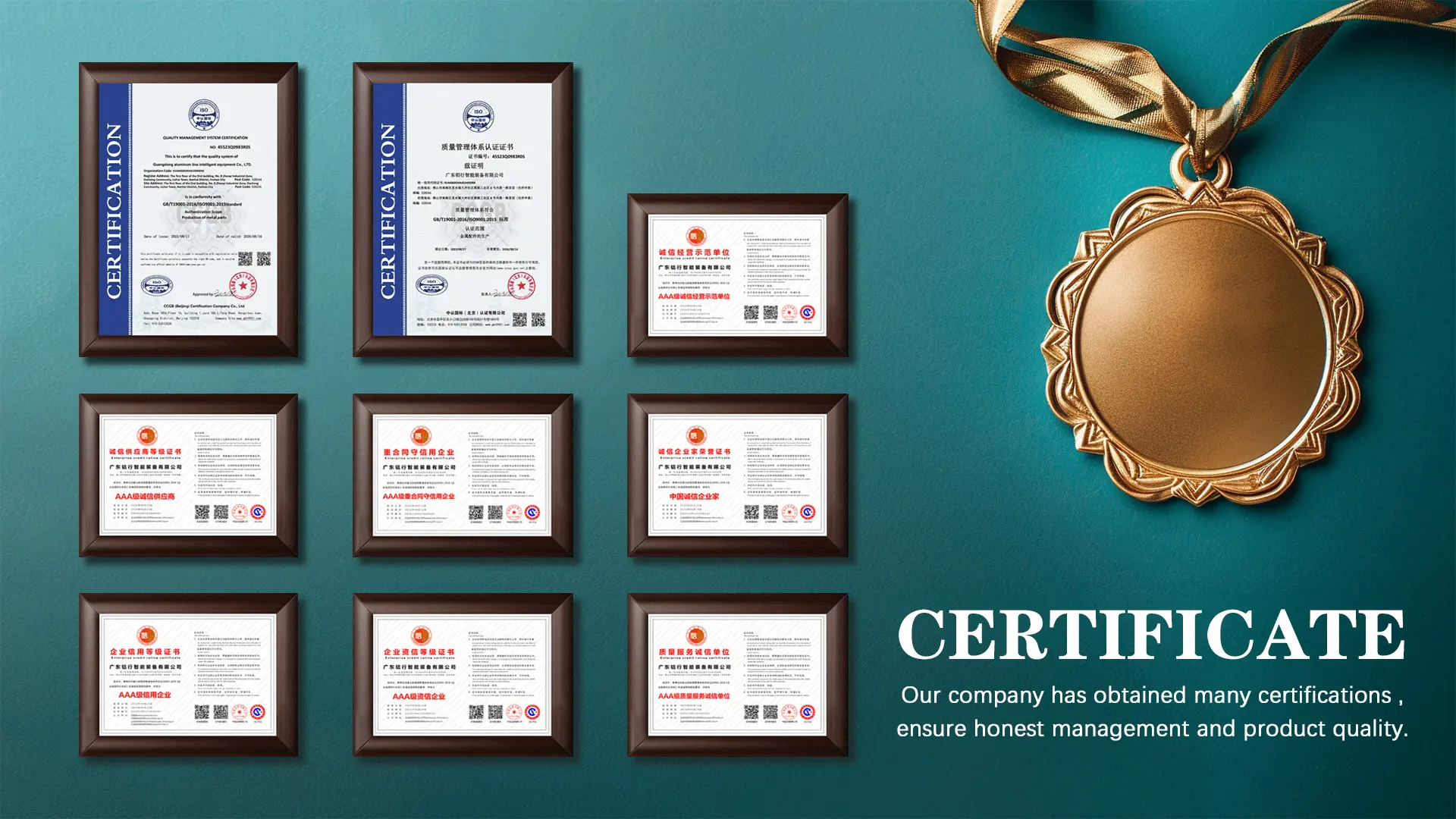
Our commitment to excellence is evident throughout the manufacturing process, rigorous quality control, thorough packaging, and efficient shipping procedures. This dedication has earned us recognition as a national excellent and honest enterprise, along with quality system certification in accordance with GB/T19001-2016/ISO9001:2015 standards.
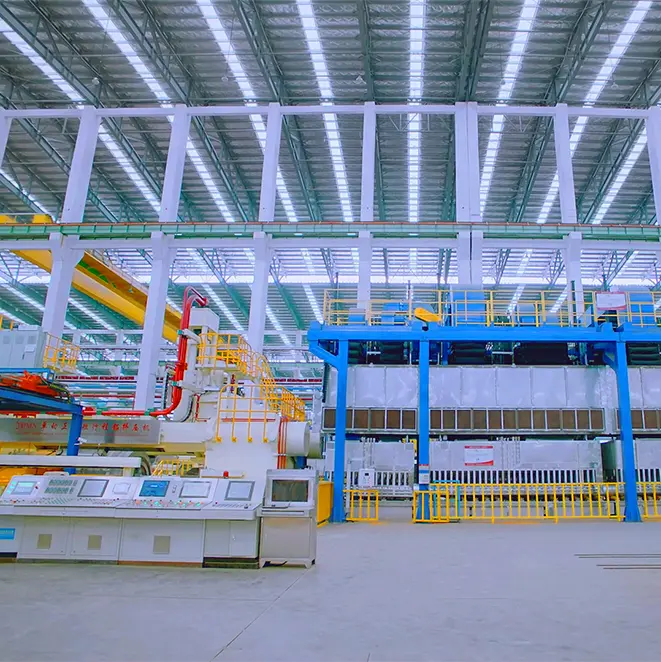

We have obtained the "Special Aluminium Materials for Aerospace" Certificate, verifying our high metallurgical standards.
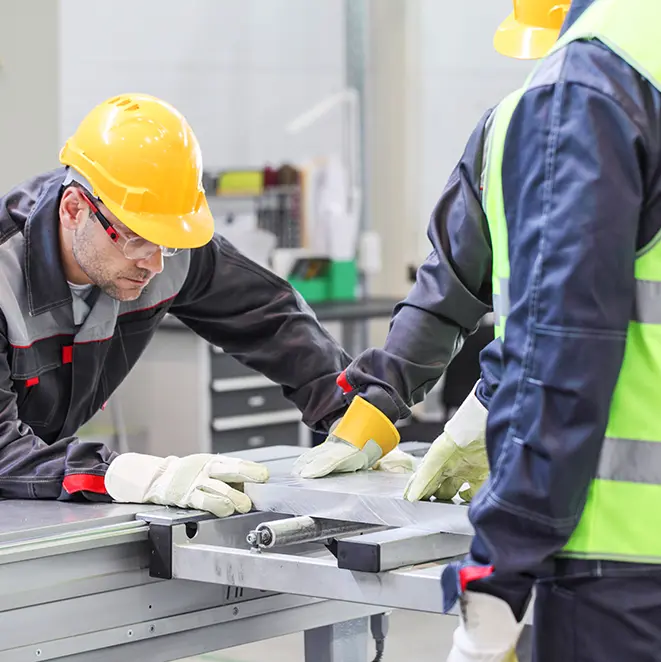

We provide and utilize high-quality Fenglu aluminum profiles. With extrusion lines ranging from 800T to 20,000T, we can produce alloys 1xxx, 2xxx, 3xxx, 5xxx, 6xxx, and 7xxx up to 1.2m wide or 28m long.
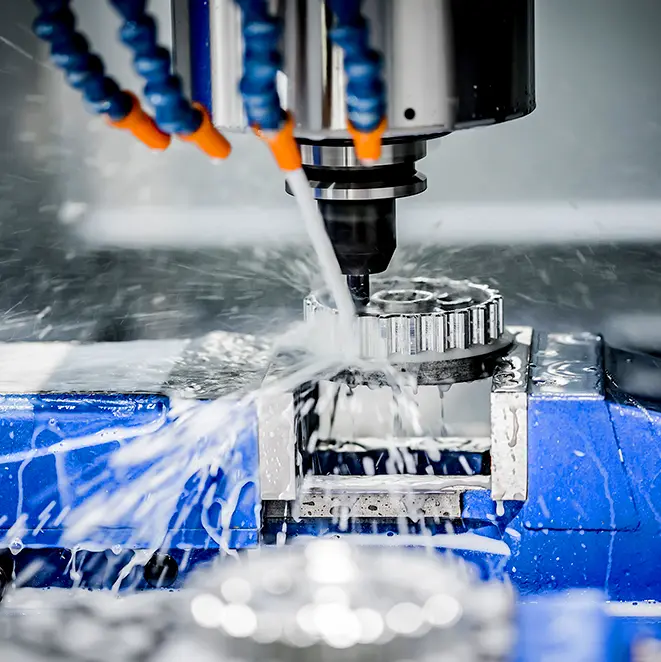

We have a team of technicians with 15 years of invaluable experience. Our deep understanding of customer requirements allows us to identify potential issues and offer practical insights.
To establish and operate a heliport within the Jabodetabek region, structural designs must comply with the civil aviation guidelines of the Republic of Indonesia. Specifically, designs must satisfy the regulations set by the Directorate General of Civil Aviation (DGCA or Direktorat Jenderal Perhubungan Udara) under code KP 29/2012 (Standard for Heliport Design and Operations) as well as the international guidelines of ICAO Annex 14 Volume II and CAP 437 (for offshore platforms).
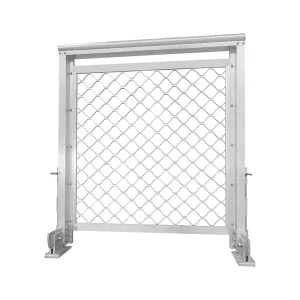
Our high-strength aluminum decks and perimeter safety netting systems are specifically designed to meet these safety requirements:
LvXing Intelligent Equipment Co., Ltd. utilizes advanced manufacturing processes to deliver high-quality components for infrastructure projects in Indonesia. Operating from Foshan, Guangdong, our factory utilizes heavy industrial machinery, including extrusion presses up to 20,000 tons. This allows us to produce wide-section aluminum profiles (up to 1.2 meters) that minimize structural seams and joint weaknesses.
By sourcing raw materials from premier suppliers such as Fenglu Aluminum, we ensure consistency in alloy metallurgy, tensile strength, and anodizing quality. Our integrated supply chain manages everything from raw extrusion to precise CNC fabrication, mechanical finishing, testing, and ocean freight logistics to the Port of Tanjung Priok in Jakarta. This direct-from-factory structure allows us to offer competitive pricing and reliable timelines compared to regional distributors.
Get in touch with our design engineers to request load calculation tables, CAD templates, and customized pricing for the Jakarta market.
Request Technical CatalogAnswers to common questions regarding engineering, structural design, and importing aluminum helipads to Indonesia.
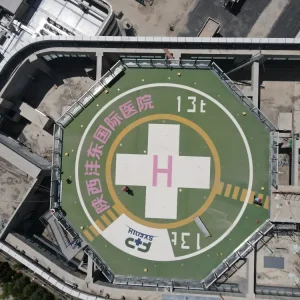
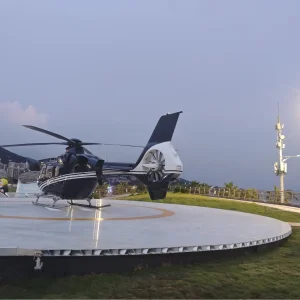
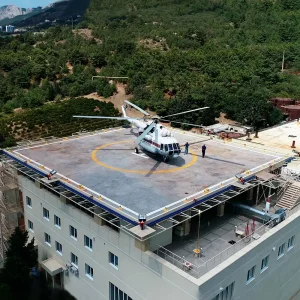
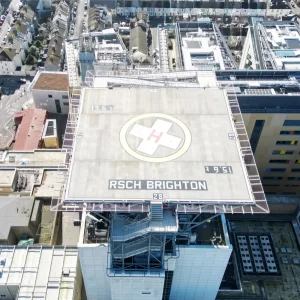
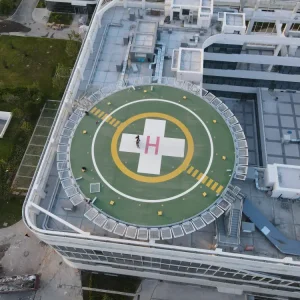
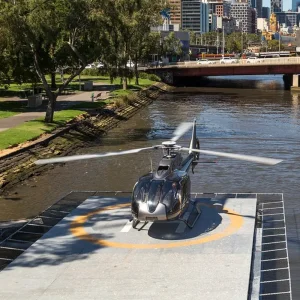
Complete structural profiles and safety net configurations customized for Jakarta’s marine, municipal, and healthcare infrastructure projects.
 LvXing