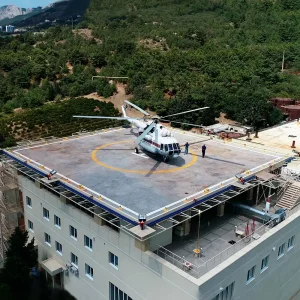
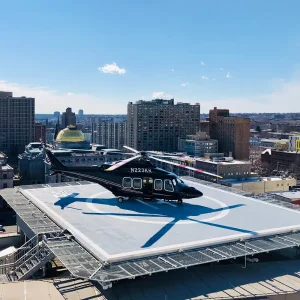
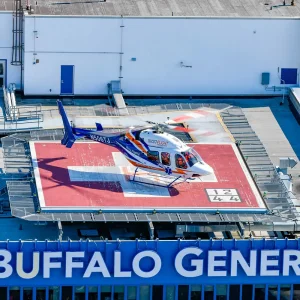
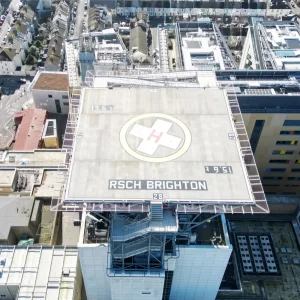
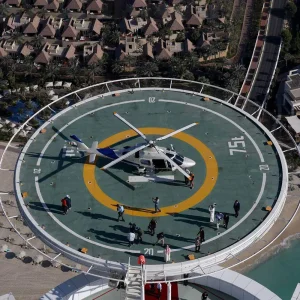
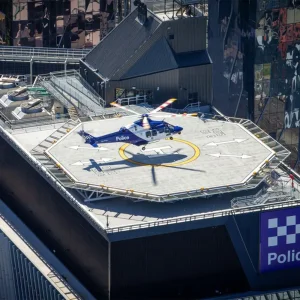
As the economic heart of Tunisia, Tunis is undergoing a significant transformation in its urban landscape and industrial capabilities. With the expansion of the "Greater Tunis" area and the modernization of healthcare facilities like the Charles Nicolle Hospital and various private clinics in the Berges du Lac district, the demand for helicopter landing sites has surged.
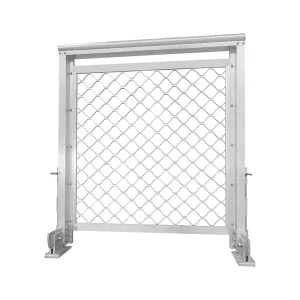
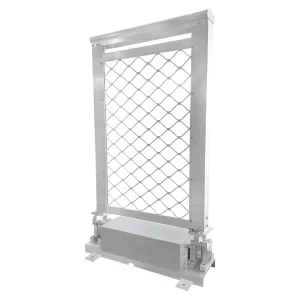
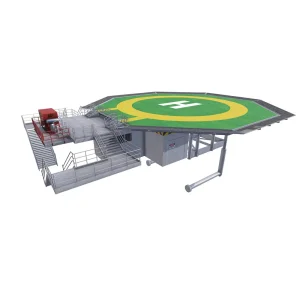
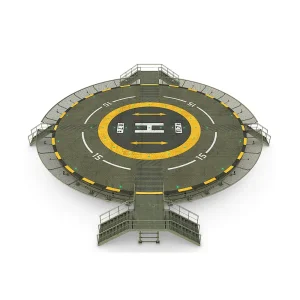
In Tunis, the integration of helipads is no longer a luxury but a critical requirement for emergency medical services (HEMS) and corporate mobility. Our aluminum safety nets and modular helipad systems are designed to meet ICAO Annex 14 standards, ensuring that flight operations within the Tunis FIR (Flight Information Region) remain safe, especially in densely populated urban corridors where space and weight constraints are paramount.
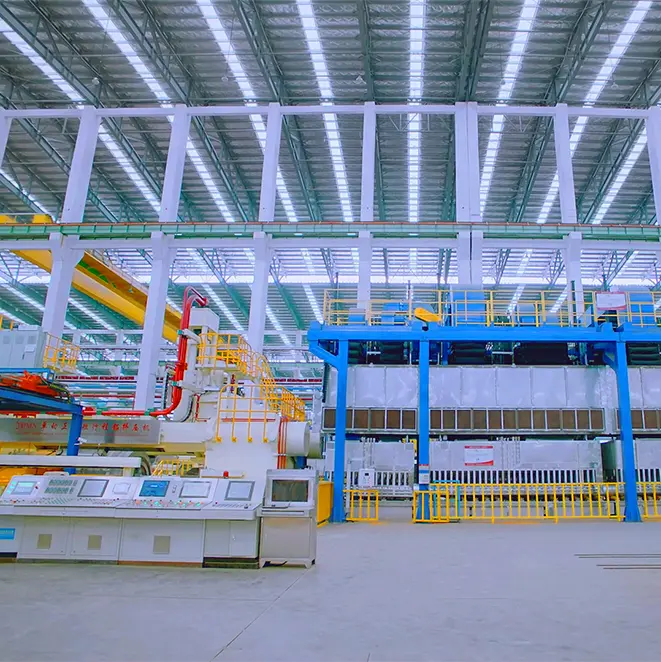
Globally, the helipad industry is pivoting from traditional heavy concrete and steel structures toward High-Strength Aluminum Alloys. The primary drivers are corrosion resistance and weight reduction. In coastal cities like Tunis, salt-laden Mediterranean air can rapidly degrade galvanized steel. Our use of 6xxx series aluminum profiles ensures a lifespan exceeding 30 years with minimal maintenance, a critical factor for offshore platforms in the Gulf of Tunis and rooftop installations near the coast.
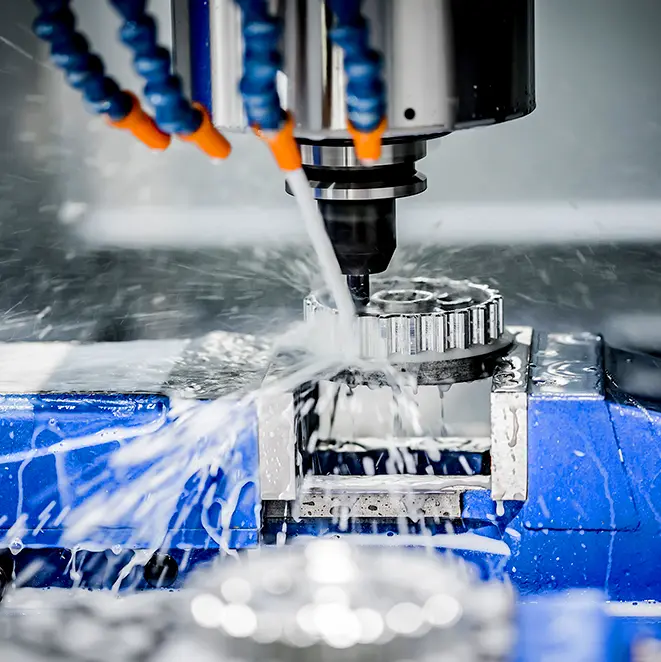
Established in 2015 in the global aluminum hub of Foshan, LvXing Intelligent Equipment Co., Ltd. has redefined the standards for helipad safety components. Our R&D team doesn't just manufacture; we engineer solutions. We utilize premium Fenglu Aluminum, a brand synonymous with aerospace-grade quality. Our extrusion lines range from 800T to a massive 20,000T, allowing us to produce alloys (1xxx to 7xxx) that meet specific tensile and yield requirements for Tunis’s varied climatic conditions.
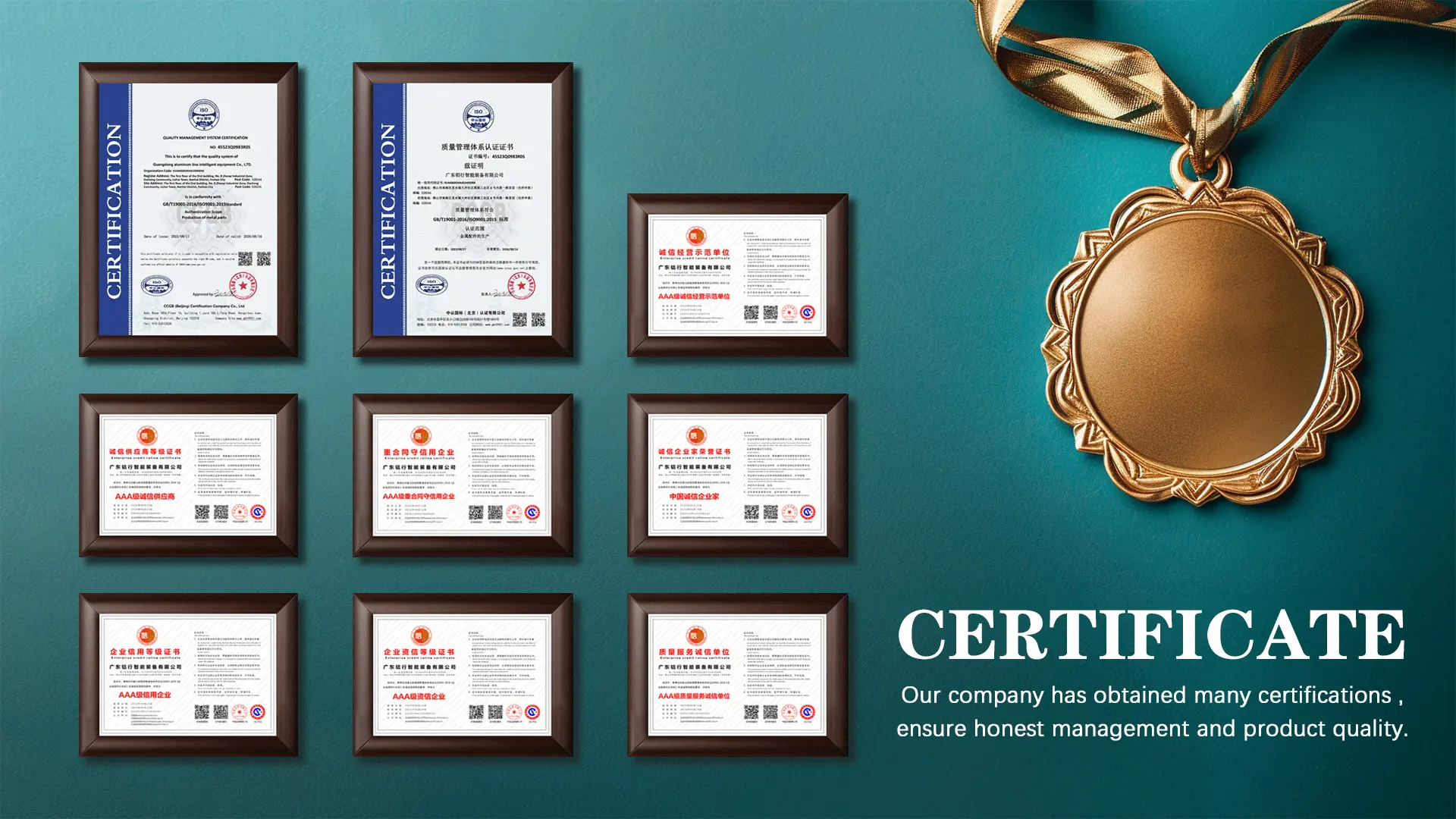
Our certifications, including GB/T19001-2016/ISO9001:2015, are a testament to our commitment to quality. For projects in Tunis, we provide full technical documentation and structural calculations, ensuring that your helipad safety net system can withstand wind loads common in North African thermal currents.
LVXING, SPECIALIZES IN ALUMINUM SOLUTIONS. We leverage exceptional technical expertise to effectively transform customers' ideas into reality, consistently meeting their precise requirements. Our products are recognized for their precision and meticulous processing, finding broad application in aerospace, military, medical, and industrial sectors.

Aerospace Grade Certificate

Fenglu High-End Profiles

15-Year Expert R&D Team
The next generation of helipad safety nets in Tunis will involve IOT-integrated sensors. These sensors monitor the tension of the stainless steel or aluminum mesh in real-time. If a structural fatigue point is detected or if an object hits the net, an alert is sent directly to the facility management dashboard. This "Smart Net" approach reduces the need for manual inspections and ensures 24/7 readiness for hospital rooftop pads.
Sustainability is becoming a core metric for Tunis industrial projects. Aluminum is 100% recyclable. By choosing our aluminum deck systems over concrete, projects in Tunis can achieve higher LEED or BREEAM ratings. Furthermore, we are developing integrated LED lighting systems within the safety net frames to reduce energy consumption while increasing visibility for pilots during sandstorms or North African sea fogs.
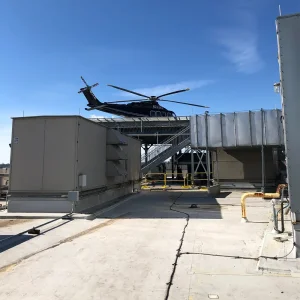
Fast-tracking patient transport between Sfax and Tunis hospitals via rooftop helipads equipped with CE-certified perimeter nets.
Corrosion-proof aluminum safety nets for oil and gas platforms operating in the Mediterranean, serving the Tunisian energy sector.
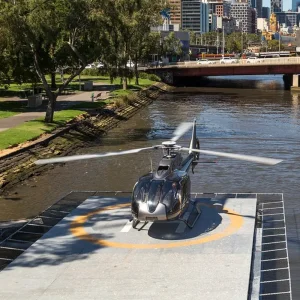
Helipad solutions for high-end resorts in Gammarth, offering VIP transport with maximum safety and aesthetic integration.
 LvXing