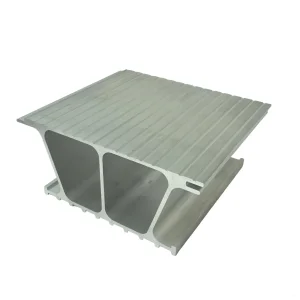
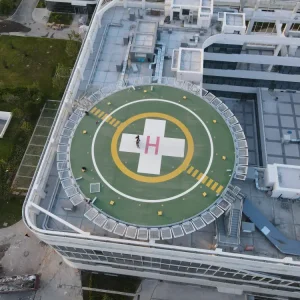
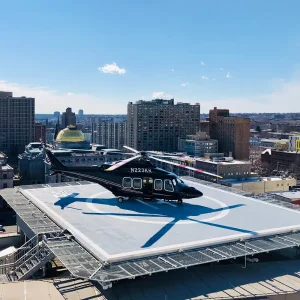
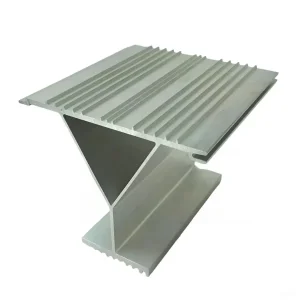
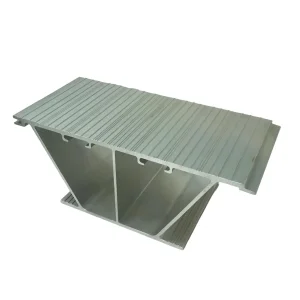
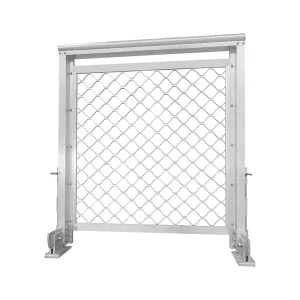
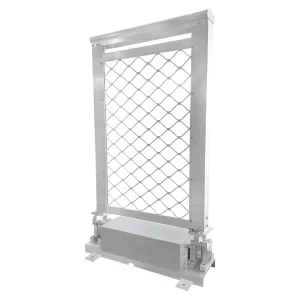
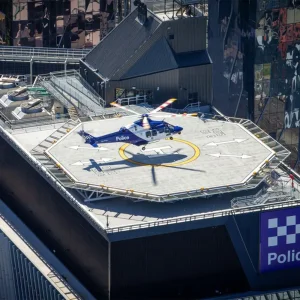
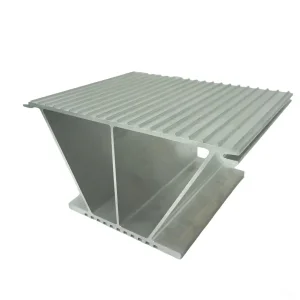
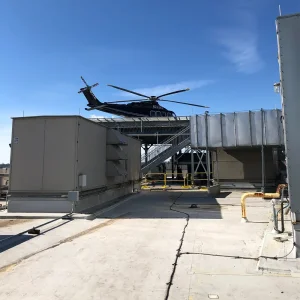
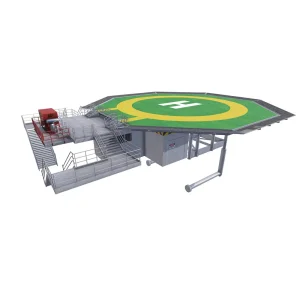
Premium range of CE certified aluminum helipad profiles, modular deck configurations, and integrated perimeter safety netting.
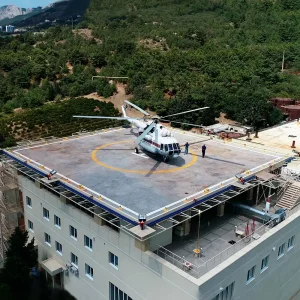
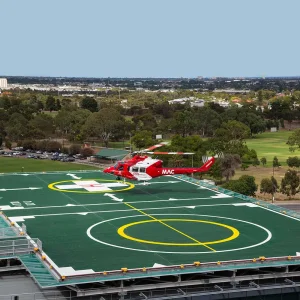
In structural metal design, 2020 aluminum profiles (20mm x 20mm cross-sections) represent the foundational baseline for precision modular framing. For global industrial buyers, engineers, and architectural project managers, understanding how standard t-slot profiles scale into custom, high-strength structural profiles—such as helipad landing platforms and heavy-load structural decks—is critical to project success.
Standard framing profiles support automation frameworks, lab equipment, and protective enclosures. However, structural applications that undergo heavy dynamic loading, extreme outdoor environments, and strict safety guidelines require specialized industrial-scale engineering. High-performance extrusions, such as the LX-HP01 to LX-HP04 structural profiles, leverage identical modular coupling logic but scale the material volume, wall thickness, and alloy strength to satisfy international building standards and aviation safety parameters.
Reliable structural engineering starts with premium billet selection. Using low-grade secondary scrap aluminum can lead to structural failures under dynamic loads. We source premium Fenglu aluminum billets to ensure uniform grain structure, predictable yield limits, and superior surface finishing capabilities.
Depending on the structural application, specific alloy classifications are selected to deliver optimal mechanical properties:
Utilizing high-purity Fenglu aluminum with multi-axis extrusion lines ranging from 800T up to 20,000T, satisfying rigorous aerospace requirements.
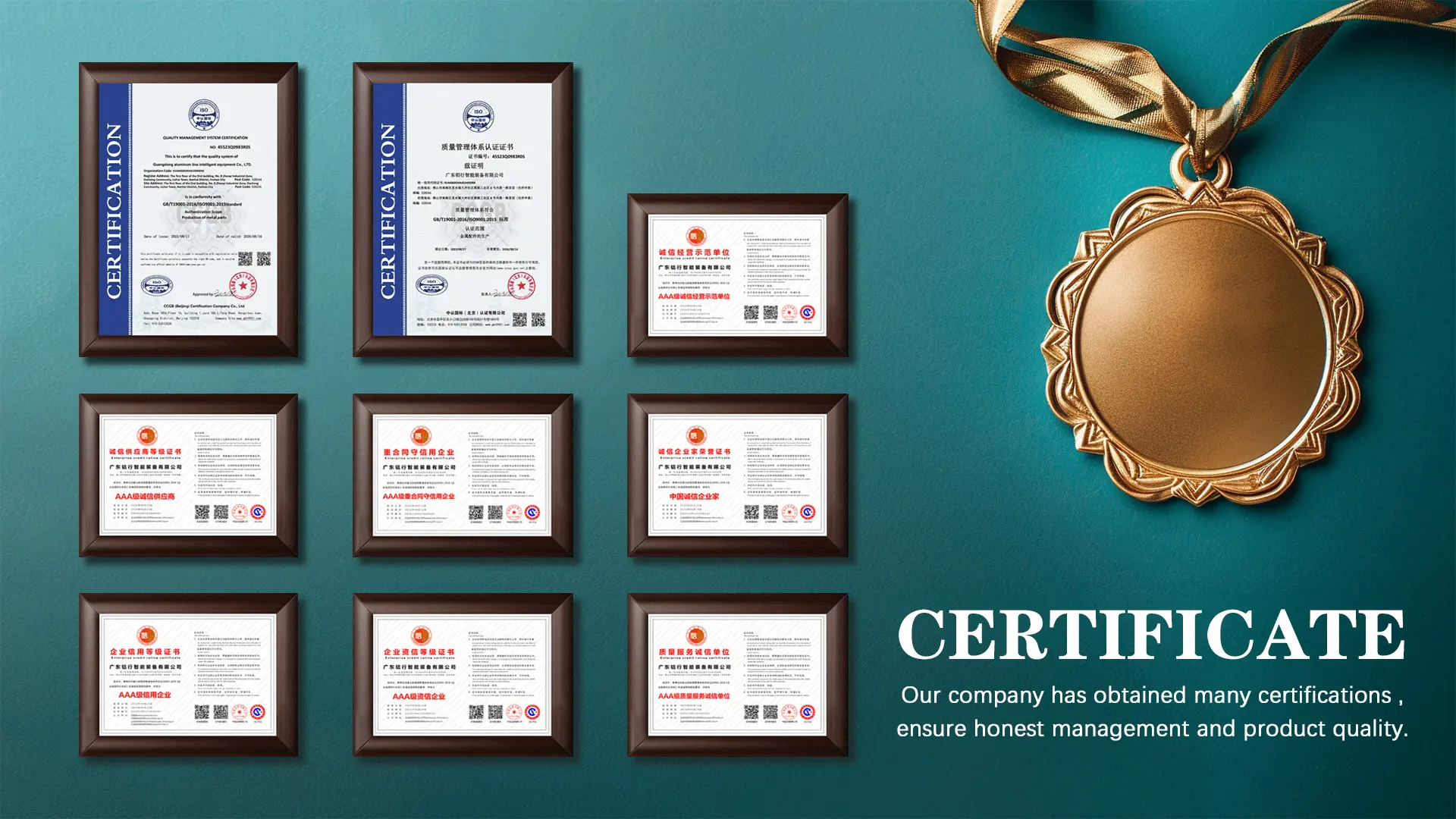
Certified production protocols following GB/T19001-2016 and ISO9001:2015 standards, ensuring batch-to-batch structural integrity.
Capability to manufacture fully shaped structural profiles up to 1.2 meters in width and 28 meters in continuous length for commercial projects.
Established in 2015 and located in Foshan City, Guangdong, LvXing Intelligent Equipment Co., Ltd. boasts a skilled R&D team with extensive experience. We leverage exceptional technical expertise to effectively transform customers' ideas into reality, consistently meeting their precise requirements.
We utilize premium Fenglu aluminum, offering a diverse range of profiles for flexible applications. Our extrusion lines, ranging from 800T to 20,000T, accommodate alloys 1xxx, 2xxx, 3xxx, 5xxx, 6xxx, and 7xxx, allowing us to produce shaped products with section dimensions up to 1.2 meters in width and 28 meters in length. These products are recognized for their precision and meticulous processing, finding broad application in aerospace, military, medical, and industrial sectors.
Our commitment to excellence is evident throughout the manufacturing process, rigorous quality control, thorough packaging, and efficient shipping procedures. This dedication has earned us recognition as a national excellent and honest enterprise, along with quality system certification in accordance with GB/T19001-2016/ISO9001:2015 standards.
We aspire to be your trusted business partner and warmly invite you to visit our factory.
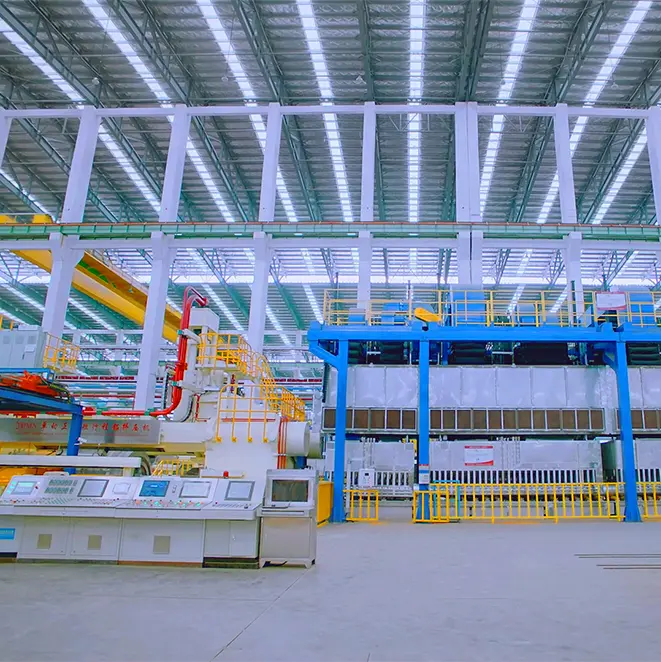

We have obtained the "Special Aluminium Materials for Aerospace" Certificate.
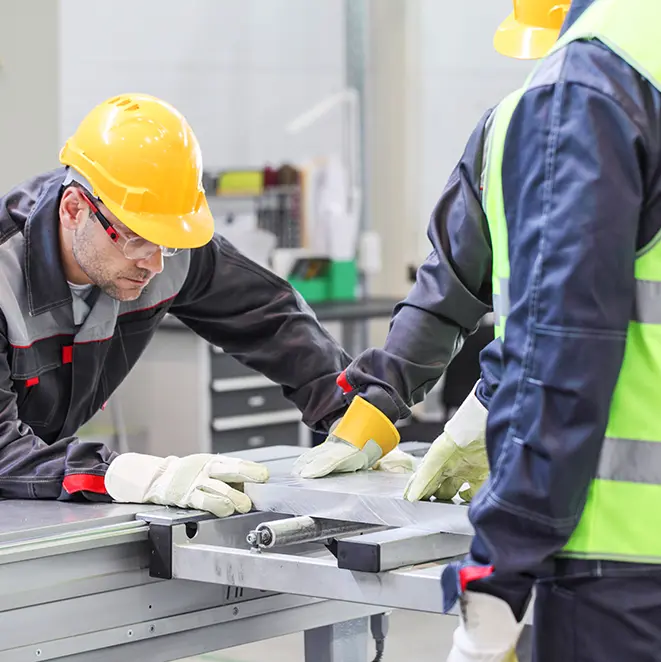

We provide and utilize high-quality Fenglu aluminum profiles. With extrusion lines ranging from 800T to 20,000T, we can produce alloys 1xxx, 2xxx, 3xxx, 5xxx, 6xxx, and 7xxx. We can manufacture fully shaped products with section dimensions up to 1.2 meters in width or 28 meters in length.
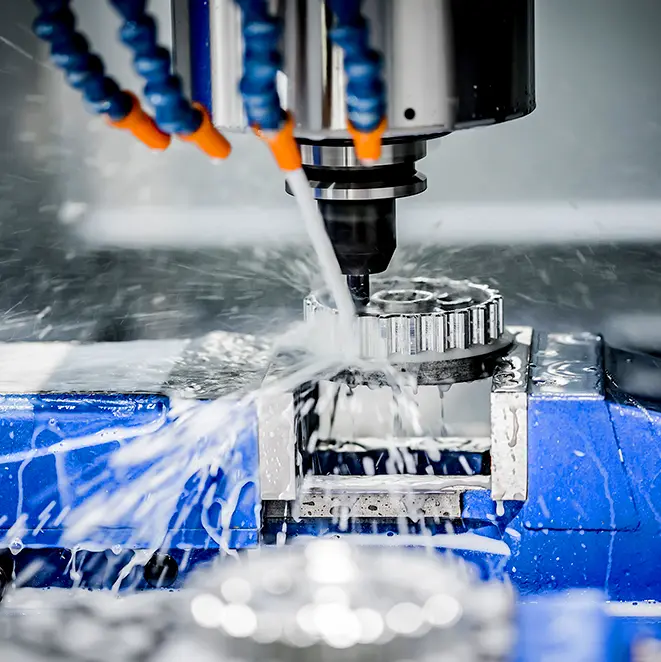

We have a team of technicians with 15 years of invaluable experience. Our deep understanding of customer requirements allows us to identify potential issues and offer practical insights, turning customer ideas into tangible products that meet specific needs.
Procuring structural elements like aluminum helipads or large-scale building profiles from China offers distinct supply chain advantages. The industrial hub of Foshan integrates every stage of the extrusion lifecycle, from raw billet smelting to precision multi-axis CNC machining, surface anodization, and structural load testing.
This geographic concentration reduces production lead times and transport overheads. We work with specialized ocean freight forwarders and local engineering groups to manage structural compliance and customs clearance, delivering pre-engineered modular decking kits directly to job sites worldwide.
For load-bearing building systems implemented throughout the EU and global markets, CE marking is a strict legal requirement. Structural aluminum assemblies must comply with EN 1090-3 (Execution of steel structures and aluminum structures) and meet harmonized European product guidelines.
Our CE certified production protocols guarantee:
The global construction and aerospace sectors are increasingly substituting steel with structural aluminum alloys. The drivers behind this shift include:
Modern structural profiles are designed for versatility. Typical deployment scenarios include:
Expert engineering perspectives regarding performance, customization, and quality standards for structural aluminum systems.
Specialized aluminum helipad profiles like the LX-HP series reduce overall weight by approximately 50-60% compared to structural steel. This reduces the dead load on buildings, simplifying foundation requirements, and eliminates the need for hot-dip galvanizing, sandblasting, or periodic repainting, saving long-term maintenance costs in harsh maritime environments.
Large-tonnage presses (such as our 20,000T extrusion lines) make it possible to extrude wide, complex cross-sections up to 1.2m in width without splicing. Splicing creates structural weak points. By extruding a single unified hollow structural plank, we ensure uniform strength, load distribution, and dimensional accuracy across the entire span.
The CE certificate ensures compliance with EN 1090-3 and structural eurocode standards. It verifies that the supplier has implemented a system of continuous material testing, load calculations, and dimensional control, ensuring that the profile performs reliably under extreme conditions like aircraft landings or high wind loads.
For coastal and marine helidecks, 6000-series structural alloys (specifically 6082-T6 or 6061-T6) are recommended. They provide high mechanical strength coupled with natural corrosion resistance against saltwater and humidity. Anodizing or marine-grade powder coating adds further protection.
Yes, our R&D team of engineers uses CAD/CAM systems to translate customer requirements and drawings into custom profile designs. We can adjust wall thickness, add internal support webs, and choose specific alloys to match the precise load requirements of your project.
Browse our selection of heavy-duty aluminum perimeter safety nets, helipad structural decks, and customized project components.
 LvXing