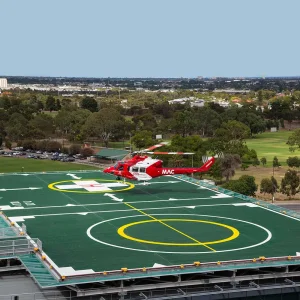
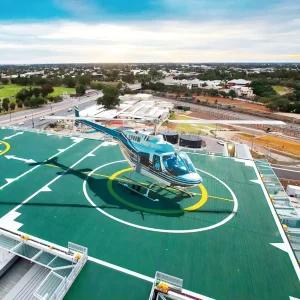
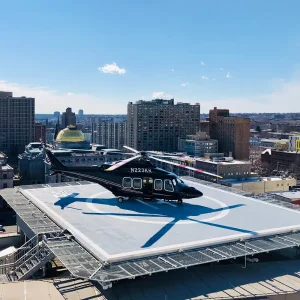
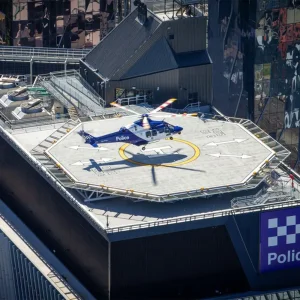
In modern aviation, marine engineering, and urban high-rise design, helideck safety net systems are critical components of personnel safety and emergency security infrastructure. As helicopter operations expand globally—driven by offshore wind farm development, deep-sea oil exploration, emergency medical services (EMS), and corporate aviation—the requirement for rigorous engineering standards has escalated. Perimeter safety nets must withstand severe environmental challenges, including wind shears, dynamic impacts, salt-spray corrosion, and extreme temperature fluctuations.
Historically, safety net construction relied heavily on carbon steel structures with polymer mesh. However, structural degradation caused by environmental exposure highlighted the need for more advanced materials. Today, global standards prioritize high-strength, lightweight aluminum alloy extrusion profiles and tensioned mesh assemblies. These modern systems offer low dead-weight, minimizing the load on cantilevered deck structures while maintaining the structural integrity required to absorb energy during impact events.
According to international marine and aviation guidelines (including CAP 437, ICAO Annex 14, and FAA Advisory Circulars), perimeter safety nets must be installed around the edges of helidecks to prevent crew, passengers, and ground personnel from falling. Additionally, these systems must not present an obstacle to flight operations, meaning they must reside below the landing area's horizontal plane and slope outwards and upwards at a precise angle (typically 1.5 meters wide, angled slightly upward by 10°). The engineering challenge lies in balancing flexibility (to absorb fall impact safely) with structural strength (to prevent tearing or failure under load).
Established in 2015 and located in the industrial heart of Foshan City, Guangdong, LvXing Intelligent Equipment Co., Ltd. specializes in advanced aluminum engineering and safety net manufacturing. We utilize premium Fenglu aluminum, offering a diverse range of customized profiles for high-performance structural applications.
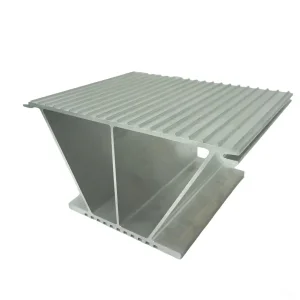
Equipped with state-of-the-art aluminum extrusion lines ranging from 800T to 20,000T, our facility processes high-grade alloys in the 1xxx, 2xxx, 3xxx, 5xxx, 6xxx, and 7xxx series. We specialize in producing complex shaped structural sections with dimensions up to 1.2 meters in width and 28 meters in length. This scale and precision enable us to supply structural profiles to the aerospace, military, medical, and heavy industrial sectors.
"We leverage technical expertise to transform custom engineering concepts into reliable, field-tested structural safety systems. Our operations are certified to GB/T19001-2016 and ISO9001:2015 international quality system standards."
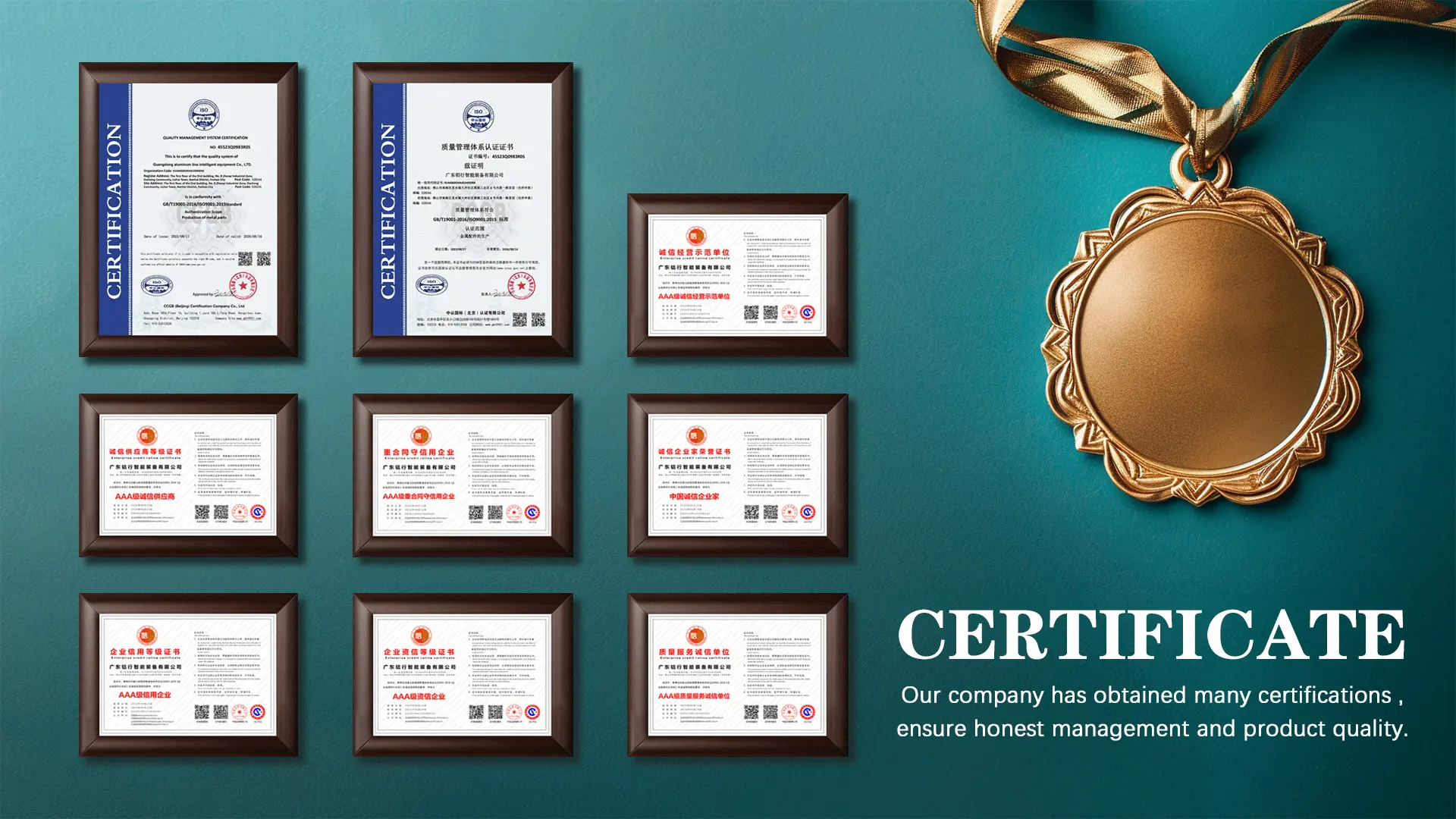
We integrate metallurgy, structural design, and field-tested safety standards to deliver high-performance landing safety nets.
We hold the "Special Aluminium Materials for Aerospace" Certificate. This ensures our raw materials meet structural load requirements and material integrity metrics under high-stress conditions.
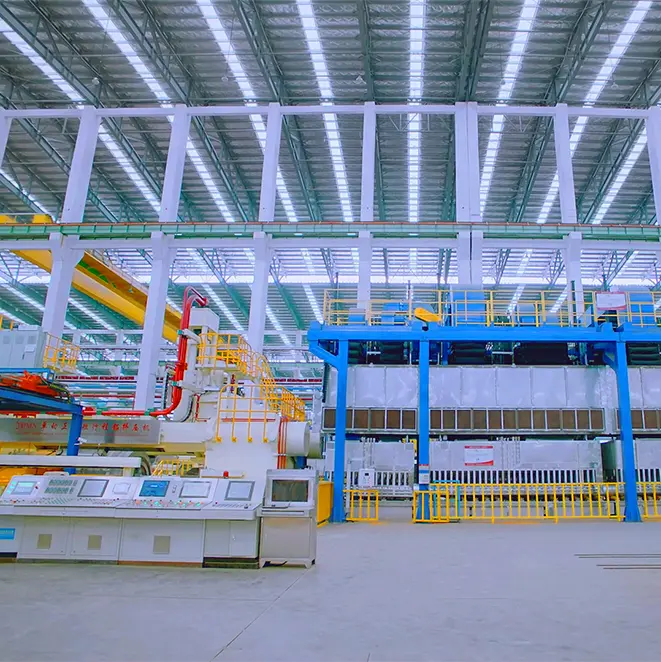
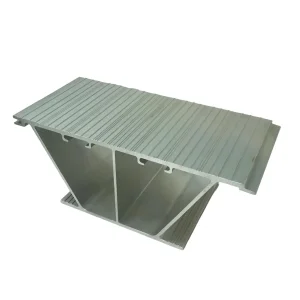
Operating a fleet of heavy-duty extrusion presses (800T to 20,000T), we process specialized 6000-series (6061, 6082) and 7000-series structural alloys into seamless profiles up to 1.2m wide and 28m long.
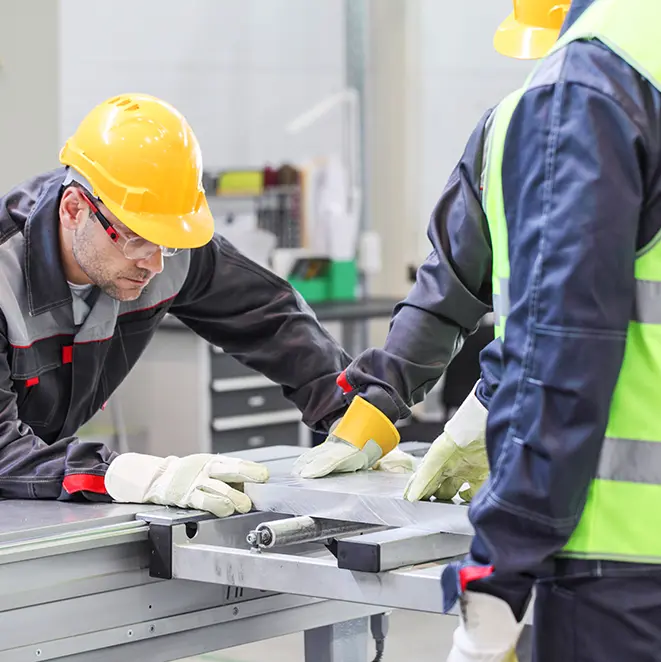
Our technical team leverages over 15 years of industry experience. We consult directly with project engineers to design systems that optimize structural integrity, ease installation, and reduce wind drag.
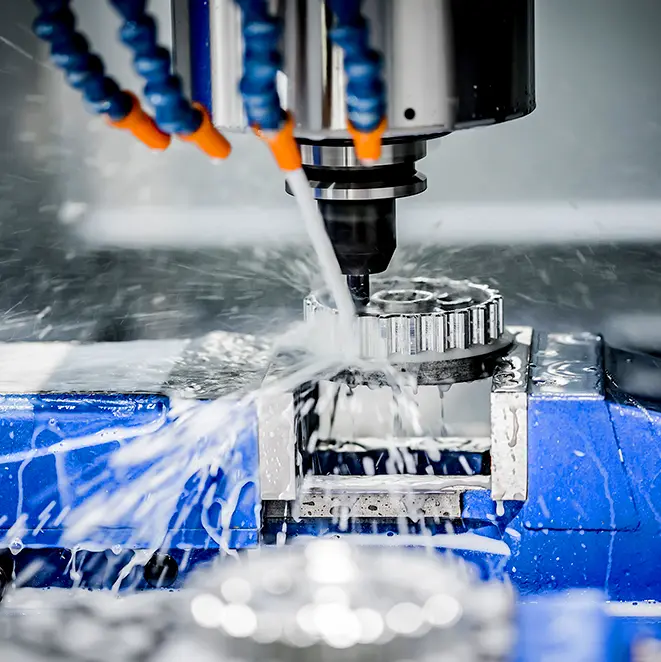
To secure a CE Certificate under European standards (such as EN 1090 for structural steel/aluminum and EN 1999 Eurocode 9), helideck safety nets must pass rigid verification tests. These tests include drop-weight impact validation, static load resistance, salt-mist environmental simulation, and joint fatigue testing. The table below highlights the mechanical specifications of our standard landing deck safety systems.
| Engineering Property | Standard Specification | LvXing Premium Range | Compliance Reference |
|---|---|---|---|
| Primary Alloy Base | 6000 Series (6061-T6 / 6082-T6) | 6082-T6 / 6005A-T6 (Fenglu Raw Billets) | EN 573-3, EN 755 |
| Minimum Tensile Strength | 290 MPa | 310 - 340 MPa | ASTM B221, ISO 6892-1 |
| Corrosion Resistance Class | High Marine C5-M Equivalent | Anodized film >20μm + Electrophoretic coat | ISO 12944 / ISO 9227 (Salt Spray) |
| Impact Load Capacity | 4.9 kJ Drop Test (100kg from 5m) | Up to 10 kJ (Dynamic energy dissipation) | CAP 437, CAA Paper 2004/01 |
| Border Frame Configuration | Modular Aluminum Extrusion | Custom engineered snap-fit interlocking profiles | CE EN 1090-3 execution |
| Mesh Material Option | SS316 / Stainless Steel Cable | High-tension Marine Grade Stainless Steel Wire Mesh | EN 10264-4 |
 Aerospace Grade Material Integrity
Our raw material supply chain relies exclusively on top-tier aluminum smelters. By tracking batch chemistry and mechanical characteristics through our ISO9001 control system, we prevent micro-cracks and structural defects. This level of monitoring is critical for offshore landing decks, where failure can result from wind fatigue or corrosive salt environments.
 Advanced Fabrication Capabilities
Using our heavy-duty 20,000T extrusion line, we produce large-scale structural sections. This capability reduces the count of weld points and mechanical joints across the perimeter framework, eliminating potential structural failure points and streamlining site assembly.
 Dynamic Testing & Validation
Each safety net system design undergoes Finite Element Analysis (FEA) to simulate helicopter landings and emergency impacts. In physical drop tests, our nets absorb kinetic energy without permanent deformation to the primary support structure. This performance protects both the landing platform and any falling personnel.
Procuring industrial safety systems involves balancing budget restrictions with strict regulatory compliance. China's manufacturing sector—specifically the industrial cluster in Foshan, Guangdong—offers significant efficiency, supply chain integration, and capacity advantages.
Our location in Foshan gives us direct access to high-grade raw materials (Fenglu Aluminum), specialized surface treatment facilities, and advanced testing laboratories, reducing lead times for custom projects.
Our extrusion lines (800T to 20,000T) allow us to scale up production quickly, meeting tight schedules for major commercial infrastructure or offshore projects.
Our products are engineered to match international standards (CAP 437, ICAO Annex 14). By supplying full certification paperwork and mill test certificates (MTC), we ensure smooth integration into global projects.
For international buyers (including marine contractors, building developers, and energy enterprises), working directly with a qualified Chinese manufacturer like LvXing provides access to customized profiles without the middleman markups typical of local distributors. This direct relationship also streamlines engineering changes and custom dimension designs.
Different installation sites present distinct environmental challenges. Selecting the right safety net profile requires matching the product design to the site's operating conditions.
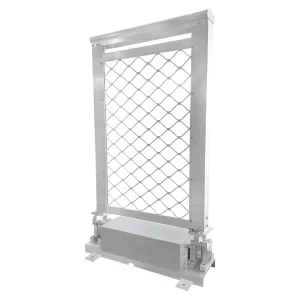
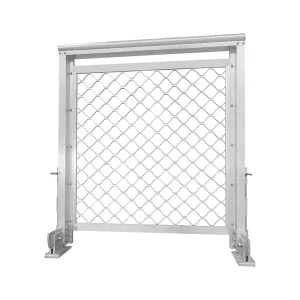
Offshore environments expose systems to continuous salt spray, UV radiation, and high-velocity marine winds. Galvanized steel nets degrade quickly under these conditions. LvXing's safety net profiles feature marine-grade aluminum alloys (typically 6082-T6) combined with 316-grade stainless steel wire mesh. The support struts receive a deep-anodizing treatment that resists oxidation and maintains structural integrity in harsh offshore environments.
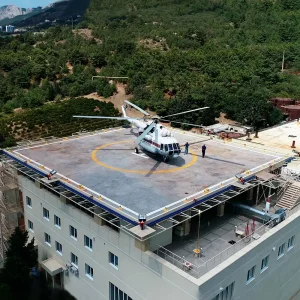
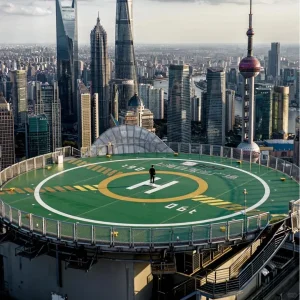
Rooftop installations must minimize dead weight to prevent overloading structural columns. At the same time, high-altitude installations face strong wind shear. Our lightweight, aerodynamic hollow-section aluminum frames minimize wind resistance and roof loads while meeting the dynamic fall-protection requirements of local municipal codes.
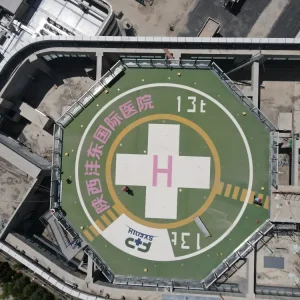
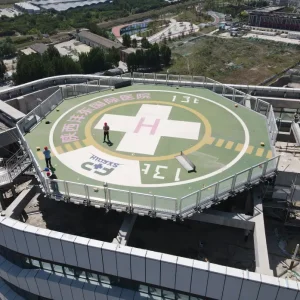
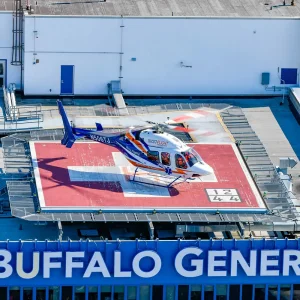
For hospital helipads, safety net systems must permit easy maintenance and access for ground personnel. We manufacture manual fold-down and motorized safety net systems that fold out of the way for helicopter maintenance or deck cleaning, and lock securely back into position during active flight operations.
 LvXing