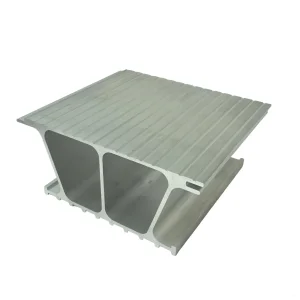
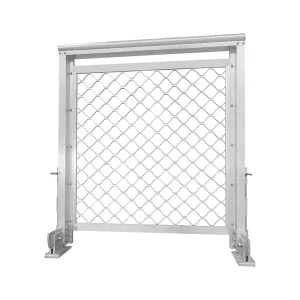
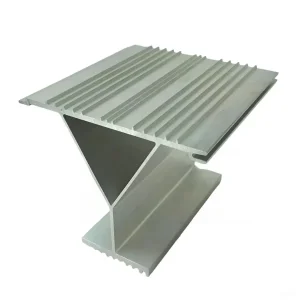
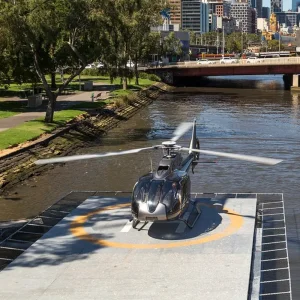
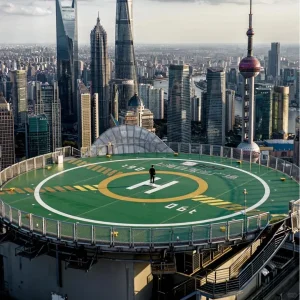
In modern structural engineering, the demand for lightweight, high-tensile, and corrosion-resistant structural materials has positioned anodized aluminum profiles at the forefront of industrial evolution. As architectural complexities grow and safety protocols intensify, global industries require extruded aluminum alloys that perform under extreme conditions—ranging from high-altitude wind shears on skyscraper helipads to salt-spray corrosion on marine vessels.
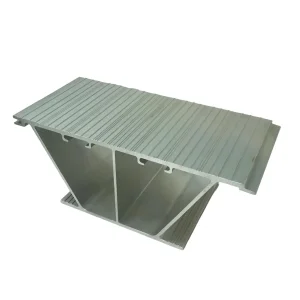
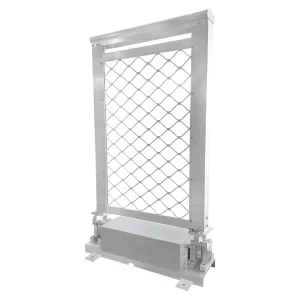
Anodized aluminum profiles serve as the structural backbone for helidecks, aerospace gangways, and architectural frameworks. By altering the surface chemistry of aluminum through controlled electrochemical anodization, we create an oxide layer integrated with the underlying metal substrate. This protective barrier eliminates issues of chipping or peeling, delivering structural materials capable of supporting immense dynamic loads while withstanding atmospheric degradation.
Established in 2015 and located in Foshan City, Guangdong, LvXing Intelligent Equipment Co., Ltd. boasts a skilled R&D team with extensive experience. We leverage exceptional technical expertise to effectively transform customers' ideas into reality, consistently meeting their precise requirements.
We utilize premium Fenglu aluminum, offering a diverse range of profiles for flexible applications. Our extrusion lines, ranging from 800T to 20,000T, accommodate alloys 1xxx, 2xxx, 3xxx, 5xxx, 6xxx, and 7xxx, allowing us to produce shaped products with section dimensions up to 1.2 meters in width and 28 meters in length. These products are recognized for their precision and meticulous processing, finding broad application in aerospace, military, medical, and industrial sectors.
Our commitment to excellence is evident throughout the manufacturing process, rigorous quality control, thorough packaging, and efficient shipping procedures. This dedication has earned us recognition as a national excellent and honest enterprise, along with quality system certification in accordance with GB/T19001-2016/ISO9001:2015 standards.
Utilizing high-grade raw billets from Fenglu Aluminum, ensuring superior purity, consistency, and structural density for downstream extrusion processes.
With processing presses ranging from 800T up to a powerful 20,000T, we can extrude continuous profiles up to 1.2m in cross-sectional width and 28m in length.
Operating under strict compliance with GB/T19001-2016 and ISO9001:2015, we enforce rigorous testing across metallurgical compositions and tolerances.
Max Press Force
Max Profile Width
Max Continuous Length
Technical Experience
Our advantages lie in our capabilities to synthesize aerospace-grade, high-strength structural profiles with optimized surface anodization. We address the typical vulnerabilities in structural aluminum fabrication—such as shear failures, non-uniform anodic coating, and poor tolerance controls—by employing a highly optimized and certified process flow.
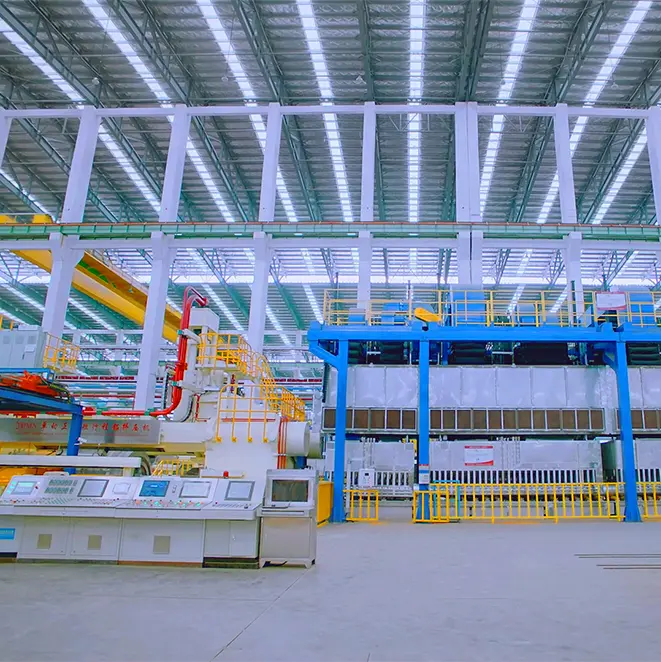

We have obtained the “Special Aluminium Materials for Aerospace” Certificate, demonstrating our engineering pedigree in high-stress and critical safety operations.
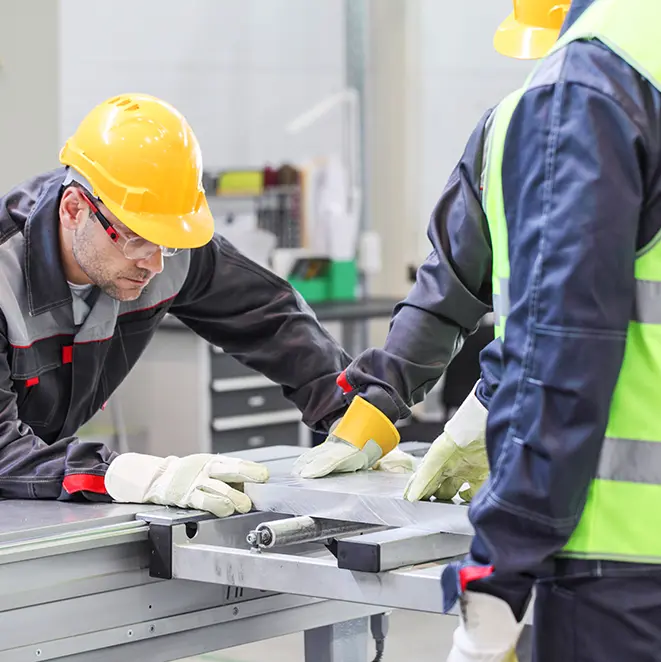

We utilize high-quality Fenglu aluminum profiles. Extruding alloys from the 1xxx to 7xxx series, we handle complex sections up to 1.2m width or 28m length.
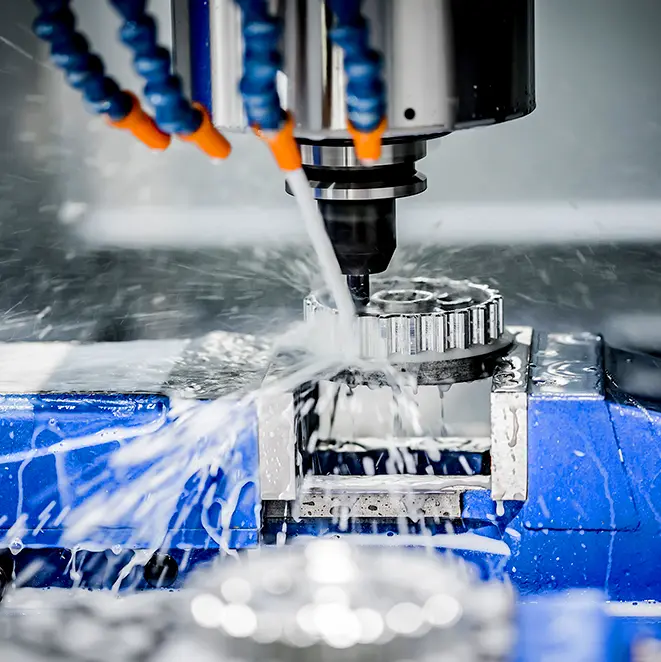

Our team of technicians has 15 years of experience. We analyze application stresses, identify potential load issues, and deliver optimized, tailored designs.
The application of CE certified anodized aluminum profiles spans multiple high-value industries. By understanding the localized load requirements, wind dynamics, and regional building codes, we support critical installations worldwide.
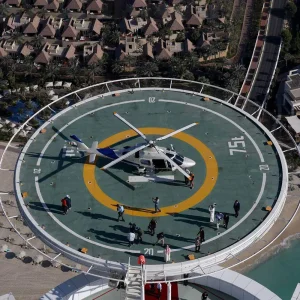
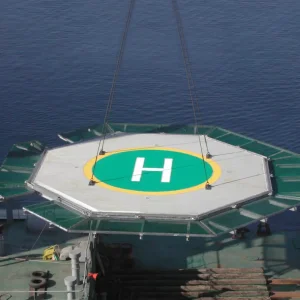
Designed for ships, oil rigs, and marine vessels where saltwater exposure is continuous. Anodized coating thicknesses are maintained at Class I (minimum 18-25 microns) to prevent pitting corrosion under extreme maritime conditions.
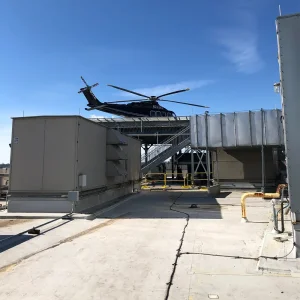
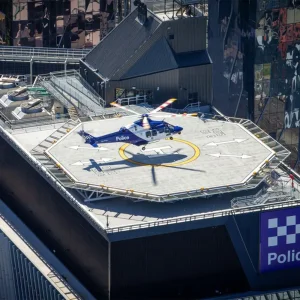
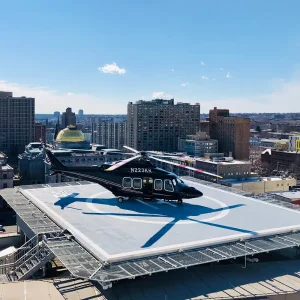
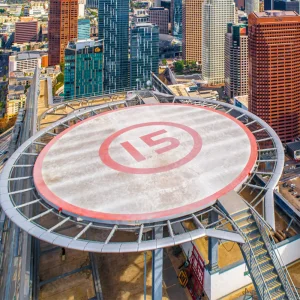
Urban rooftops require structured systems that minimize weight while managing strong dynamic forces from aircraft landings. Our customized aluminum profiles reduce structural load compared to concrete decks.
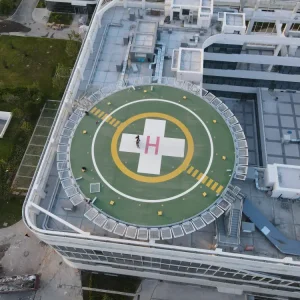
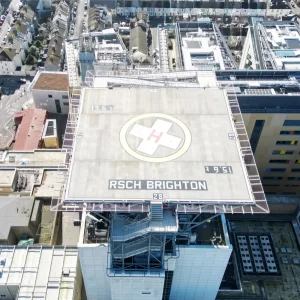
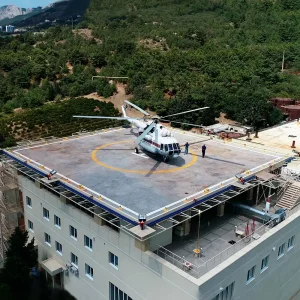
Hospital and police rooftop helipads require reliable materials. We design specialized structural configurations to absorb impact energy, ensuring performance during emergency medical evacuations.
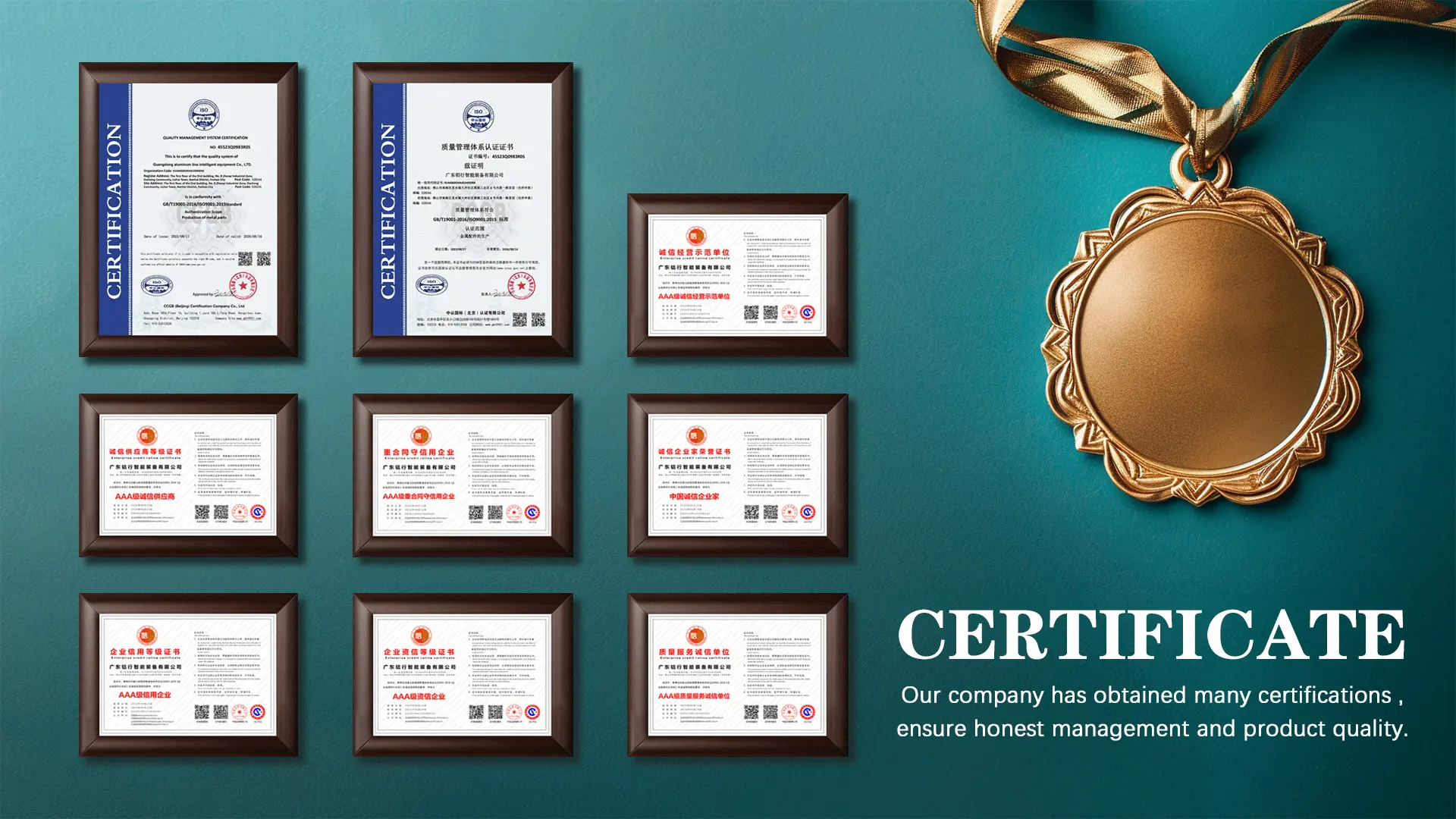
Meeting CE Certification requirements involves selecting appropriate raw materials and maintaining strict process control. Our products are engineered in compliance with EN 15088 (Aluminum and aluminum alloys for structural construction works) and EN 1090 (Execution of steel structures and aluminum structures), ensuring compliance in European and other international markets.
For structural components under high dynamic fatigue, we utilize the 6xxx (Al-Mg-Si) and 7xxx (Al-Zn-Mg-Cu) alloy series. The 6082-T6 alloy provides high mechanical strength and corrosion resistance, replacing steel in structural frames. The 7075-T6 alloy is utilized in aerospace components where weight savings and high tensile strength are primary requirements.
We continue to invest in modern metallurgy and surface treatment technologies. Our technical roadmap focuses on three primary developments:
Integrating computerized monitoring for electrolyte temperature, current densities, and acid concentration. This process improves the thickness consistency of the anodic layer to +/- 1 micron across complex profiles.
Cooperating with Fenglu to introduce post-consumer recycled billets. By minimizing raw extraction energy, we help clients lower their carbon footprint without sacrificing mechanical properties.
Equipping our larger presses (up to 20,000T) with optical and ultrasonic sensor arrays to detect internal micro-voids and surface defects during the extrusion process.
Below are technical clarifications regarding our anodized aluminum profiles, design parameters, and compliance standards.
 LvXing