Explore our core engineering catalog featuring advanced customized deck platforms, perimeter mesh systems, and heavy-duty structural aluminum profiles.
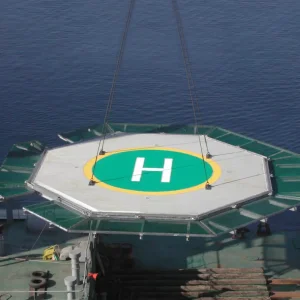
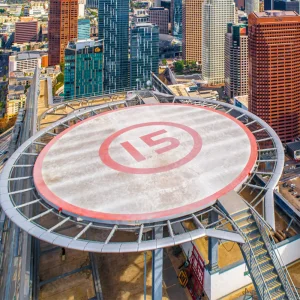
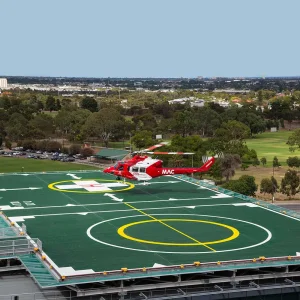
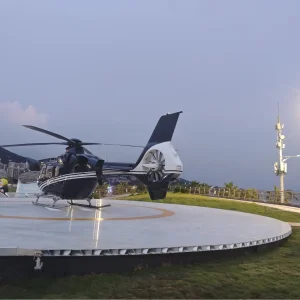
Providing high-yield safety containment structures for offshore platforms, defense operations, and skyscraper HEMS networks globally.
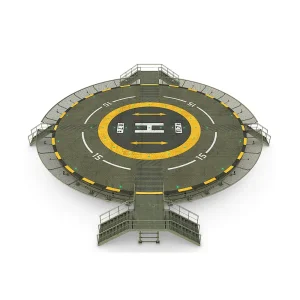
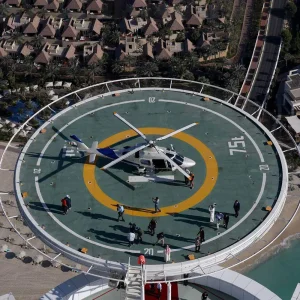
Offshore environments present severe dynamic challenges. Extreme winds, high salt spray corrosion, and shifting sea states require robust landing solutions. Our CE certified landing pad nets and aluminum decks satisfy stringent international safety standards, minimizing risk during demanding maritime rotary-wing operations.
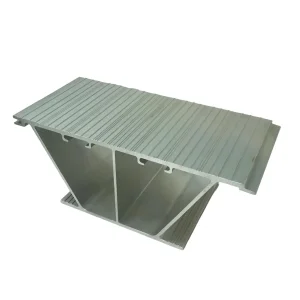
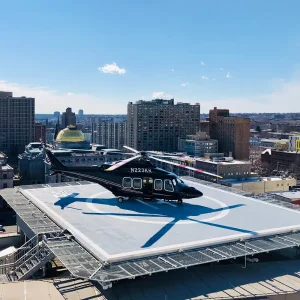
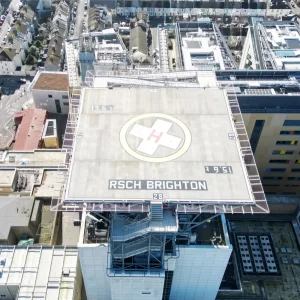
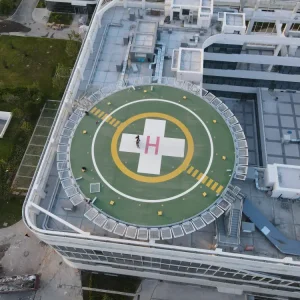
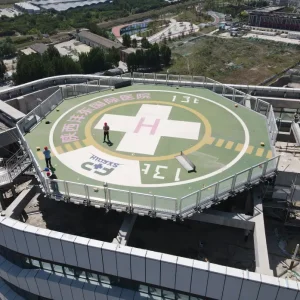
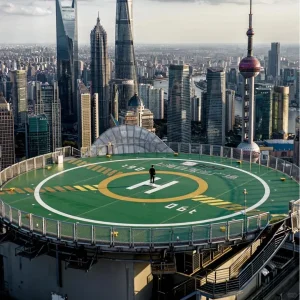
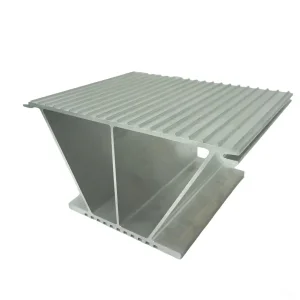
Hospital Emergency Medical Services (HEMS) require immediate, reliable access. Rooftop installations require lightweight, fire-resistant, and high-strength structures. Using premium Fenglu extruded aluminum profiles, we deliver high structural capacity with low weight, facilitating rapid patient transit.
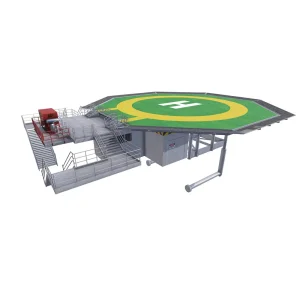
As cities construct infrastructure for electric vertical takeoff and landing (eVTOL) aircraft, we provide key components. Our fireproof structural platforms and perimeter safety netting form the foundation of future urban vertiports, ensuring safety in densely populated commercial centers.
Established in 2015 and located in Foshan City, Guangdong, LvXing Intelligent Equipment Co., Ltd. boasts a skilled R&D team with extensive experience. We leverage exceptional technical expertise to effectively transform customers' ideas into reality, consistently meeting their precise requirements.
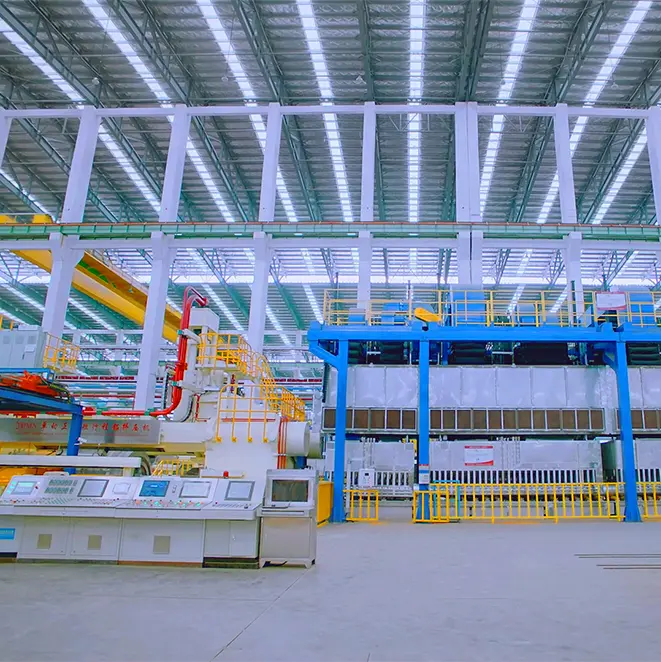
We utilize premium Fenglu aluminum, offering a diverse range of profiles for flexible applications. Our extrusion lines, ranging from 800T to 20,000T, accommodate alloys 1xxx, 2xxx, 3xxx, 5xxx, 6xxx, and 7xxx, allowing us to produce shaped products with section dimensions up to 1.2 meters in width and 28 meters in length. These products are recognized for their precision and meticulous processing, finding broad application in aerospace, military, medical, and industrial sectors.
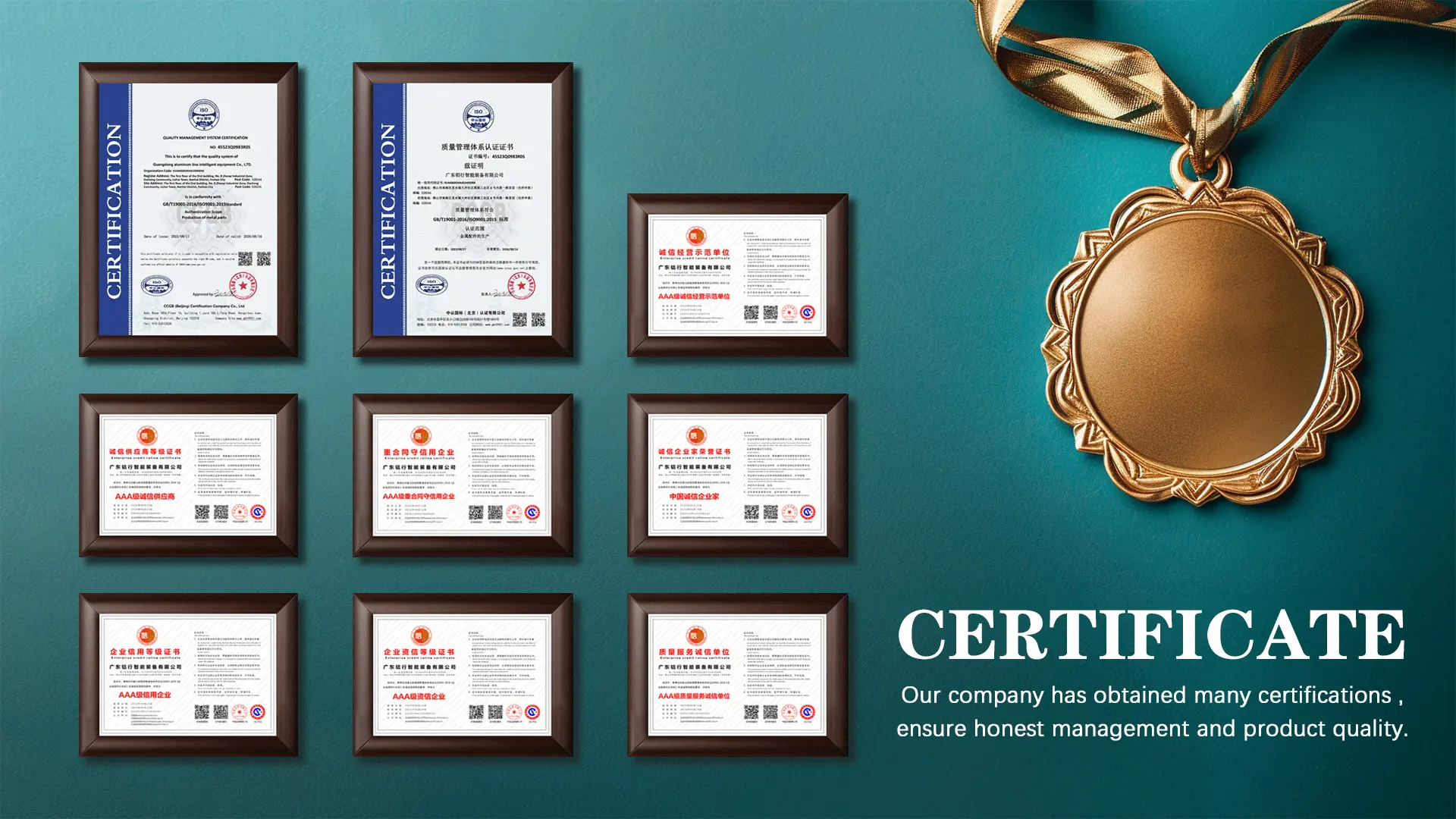
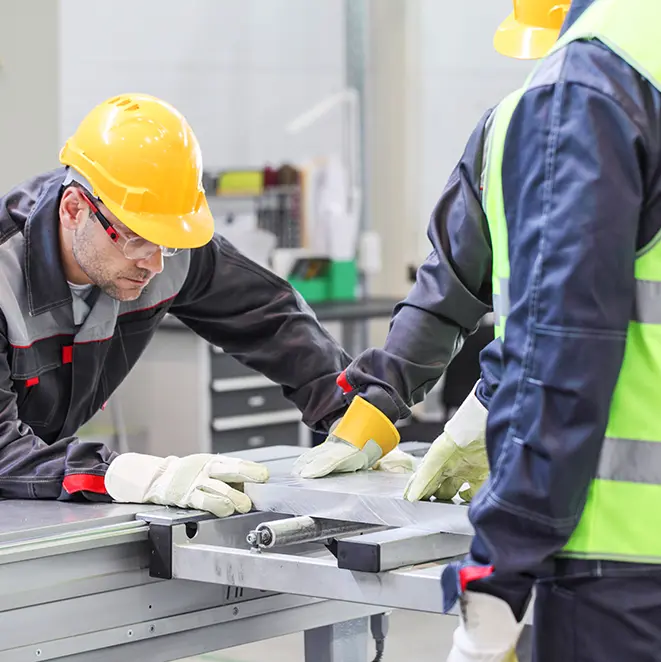
Our commitment to excellence is evident throughout the manufacturing process, rigorous quality control, thorough packaging, and efficient shipping procedures. This dedication has earned us recognition as a national excellent and honest enterprise, along with quality system certification in accordance with GB/T19001-2016/ISO9001:2015 standards.
Extrusion Capability
Technical R&D Experience
Quality System Certified
CAP 437 / CE Standard Compliant
Detailed performance parameters for safety nets and aluminum profiles optimized for harsh marine and urban environments.
Standard aviation regulations demand landing deck safety nets and structural profiles that resist high mechanical forces and extreme weather conditions. For marine environments, we use grade 6005A-T6 and 6082-T6 aluminum alloys, known for their corrosion resistance and strength-to-weight ratio.
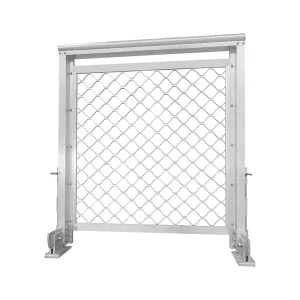
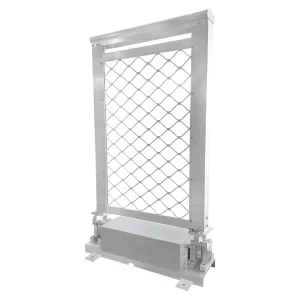
Our safety nets are manufactured in either motorized (electric auto-release) or manually deployed configurations. They feature high-tensile 316 stainless steel wire mesh or synthetic fiber combinations that absorb kinetic energy during landing anomalies without structural failure.
Why Tier-1 developers and marine shipbuilders choose LvXing Intelligent Equipment Co., Ltd.

We have obtained the “Special Aluminium Materials for Aerospace” Certificate.

We provide and utilize high-quality Fenglu aluminum profiles. With extrusion lines ranging from 800T to 20,000T, we can produce alloys 1xxx, 2xxx, 3xxx, 5xxx, 6xxx, and 7xxx. We can manufacture fully shaped products with section dimensions up to 1.2 meters in width or 28 meters in length.
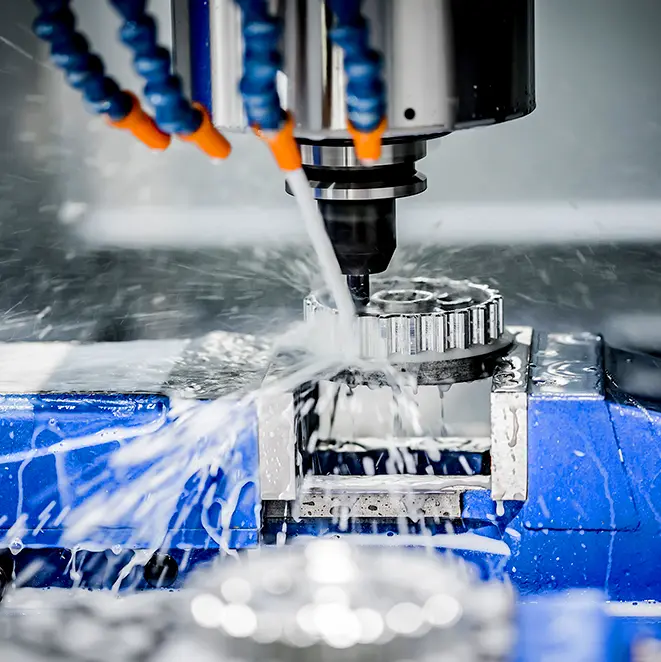

We have a team of technicians with 15 years of invaluable experience. Our deep understanding of customer requirements allows us to identify potential issues and offer practical insights, turning customer ideas into tangible products that meet specific needs.
Our products conform to national and regional landing infrastructure safety frameworks.
Operations in the North Sea must comply with HCA (Helideck Certification Agency) requirements and CAP 437 regulations. Our CE certified safety nets withstand heavy wave impact, sub-zero temperatures, and high gale loads, providing safety on FPSOs and drillships.
High UV exposure and high humidity characterize Gulf and Southeast Asian waters. Our anodized marine-grade aluminum alloy profiles resist pitting and galvanic corrosion without degrading under intense solar radiation.
For US and Canadian medical facilities, rooftop landing platforms must meet FAA Advisory Circular AC 150/5390-2C parameters. Our lightweight aluminum profile frameworks offer high dampening properties, reducing acoustic transfer to the hospital wards below.
Developing landing safety technology for the next generation of rotary and VTOL aircraft.
We are researching the integration of fiber-optic Bragg grating sensors directly into our landing pad nets. These sensors will deliver real-time feedback on structural tension and load distributions, warning operators of fatigue or damage before a landing attempt.
Our upcoming generation of electric perimeter safety nets will incorporate smart actuators that adjust tension automatically based on meteorological parameters and wave frequency data, ensuring optimal energy absorption at all times.
In partnership with Fenglu research laboratories, we are testing high-purity aluminum alloys that feature increased recycling capabilities and lower carbon footprints, while maintaining the high tensile strength required for aviation certification.
Technical answers to common queries regarding aviation safety nets, certifications, and structural materials.
Complete your facility configurations with our specialized, high-load aluminum alloys, perimeter safety nets, and rooftop profiles.
 LvXing