CE Certification China Helipad Guard Nets Manufacturers & Pricelist

Ultimate Engineering Guide, Supply Chain Efficiency & Global Safety Compliance

Executive Summary: The Critical Role of Certified Helipad Guard Nets

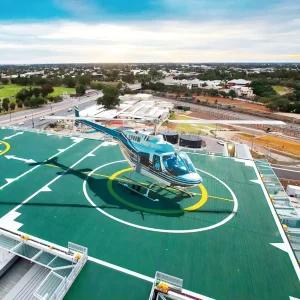
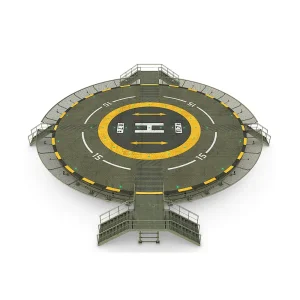
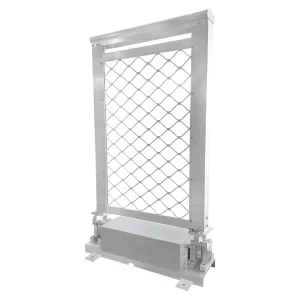
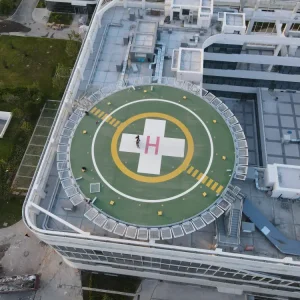
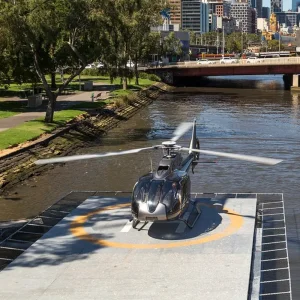
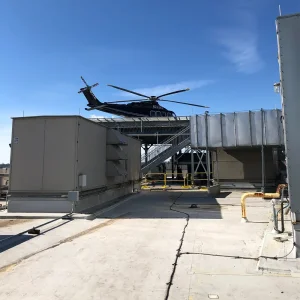
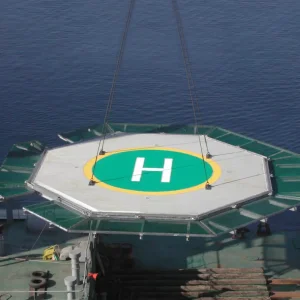
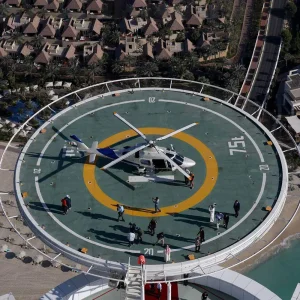
In global aviation safety, helipad perimeter security requires absolute precision, reliability, and strict compliance with international safety protocols. A helipad guard net (often referred to as a helideck safety net) functions as a life-saving safety barrier around elevated helipads, rooftop helidecks, and offshore oil platforms. It prevents personnel, equipment, and flight crew members from falling over the deck's edge during landing operations, servicing, or high-wind emergencies.

This industry whitepaper explores the technological frameworks, international regulatory benchmarks, materials optimization, and cost landscapes of manufacturing CE-certified helipad guard nets in China. Leveraging cutting-edge aluminum extrusions and structural alloys, Chinese manufacturers are defining the global standard for industrial safety perimeter systems.

100%
CE Compliant
15+
Years Engineering Exp.
20,000T
Max Extrusion Capacity
C5-M
Corrosion Resistance

Global Commercial & Industrial Status Quo

Modern commercial aviation and urban air mobility (UAM) have driven unprecedented demand for rooftop and offshore helicopter landing facilities. Key industries demanding high-standard safety perimeter nets include:

  • Offshore Energy & Oil Rigs: Extreme maritime conditions demand perimeter nets that withstand salt spray, severe UV exposure, and heavy wind loading without structural degradation.
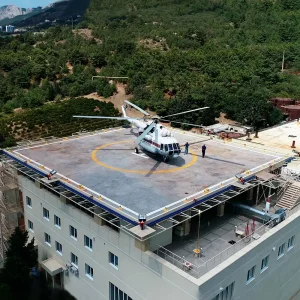
  • Commercial Skyscrapers & Hotels: Urban rooftop helipads require lightweight, fire-resistant, and aesthetically clean safety nets that blend with architectural envelopes.
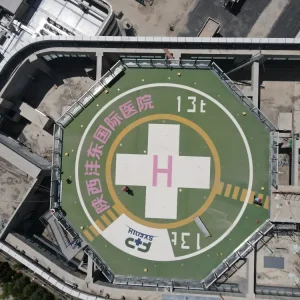
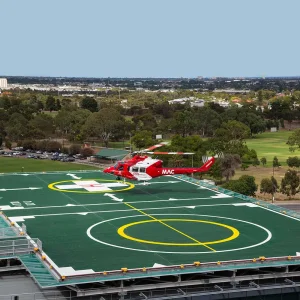
  • Healthcare & Emergency Services: Hospital rooftop helipads are critical lifelines. The perimeter protection systems must function 24/7/365 with zero maintenance downtime.
  • Defense & Patrol Vessels: Military and police helipads demand high impact resistance, modular structural configurations, and rapid deployability.

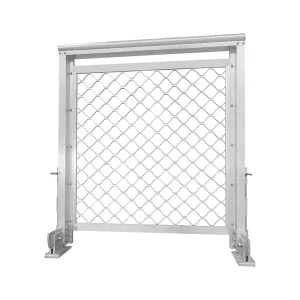
In these challenging settings, traditional stainless steel wire ropes are increasingly replaced by engineered aluminum alloy perimeter safety nets. Premium anodized aluminum alloy configurations offer superior strength-to-weight ratios, simplified transport, and exceptional corrosion resistance.

Technical Engineering Standards & Comparison

Understanding why aluminum alloys represent the next paradigm in helideck safety technology.

Performance Criterion Extruded Aluminum Alloy Nets (6000 Series) Traditional Stainless Steel Webbing (316 grade)
Structural Self-Weight Ultralight (approx. 4.5 - 6 kg/m² framework included) Heavy (approx. 12 - 15 kg/m² framework included)
Corrosion Behavior Self-passivating oxide film + option for hard anodization Susceptible to crevice corrosion and stress corrosion cracking
Impact Energy Absorption Excellent plastic deformation capacity; high energy absorption Elastic rebound; high shock transfer to perimeter structural beams
Maintenance Overhead Virtually zero; requires simple annual physical inspection High; wire rope tension adjustments and frequent lubrication required
End-of-life Recycling 100% recyclable with high salvage value Moderate recycling efficiency; lower direct salvage yield

Under safety guidelines such as the UK CAA CAP 437 (Standards for Offshore Helicopter Landing Areas) and ICAO Annex 14, helideck perimeter safety nets must be designed to withstand a drop test of a minimum mass (e.g., 125 kg) dropped from a height of 1 meter. This simulates a falling crew member without structural failure of the mesh or the framework support system.

Welcome to Lvxing:

LVXING, SPECIALIZES IN ALUMINUM SOLUTIONS.

Established in 2015 and located in Foshan City, Guangdong, LvXing Intelligent Equipment Co., Ltd. boasts a skilled R&D team with extensive experience. We leverage exceptional technical expertise to effectively transform customers' ideas into reality, consistently meeting their precise requirements.

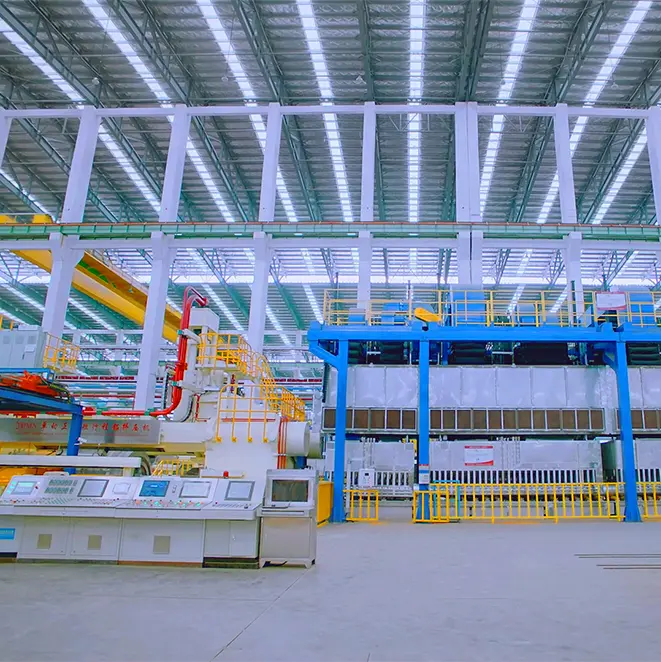
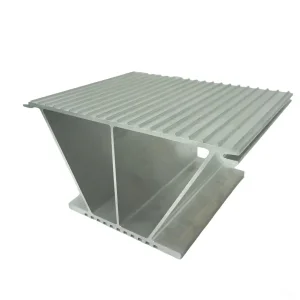
We utilize premium Fenglu aluminum, offering a diverse range of profiles for flexible applications. Our extrusion lines, ranging from 800T to 20,000T, accommodate alloys 1xxx, 2xxx, 3xxx, 5xxx, 6xxx, and 7xxx, allowing us to produce shaped products with section dimensions up to 1.2 meters in width and 28 meters in length. These products are recognized for their precision and meticulous processing, finding broad application in aerospace, military, medical, and industrial sectors.

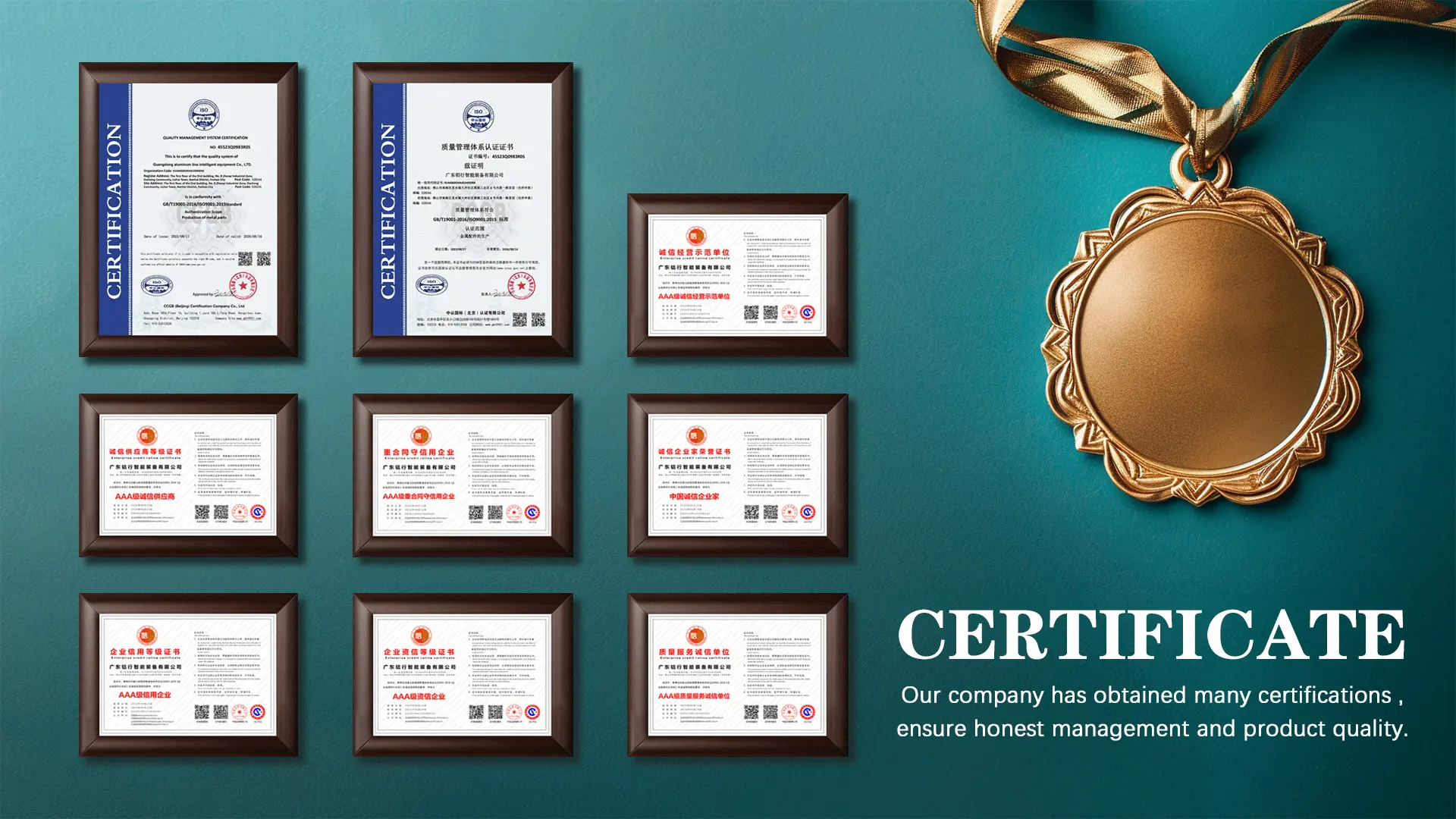
Our commitment to excellence is evident throughout the manufacturing process, rigorous quality control, thorough packaging, and efficient shipping procedures. This dedication has earned us recognition as a national excellent and honest enterprise, along with quality system certification in accordance with GB/T19001-2016/ISO9001:2015 standards.

We aspire to be your trusted business partner and warmly invite you to visit our factory.

Our Competitive Edge

Backed by high-capacity precision extrusion technology and specialized aerospace material certification.

Special Aluminium Materials for Aerospace
Icon 1

We have obtained the "Special Aluminium Materials for Aerospace" Certificate.

Extrusion Lines
Icon 2

We provide and utilize high-quality Fenglu aluminum profiles. With extrusion lines ranging from 800T to 20,000T, we can produce alloys 1xxx, 2xxx, 3xxx, 5xxx, 6xxx, and 7xxx. We can manufacture fully shaped products with section dimensions up to 1.2 meters in width or 28 meters in length.

Technician Team
Icon 3

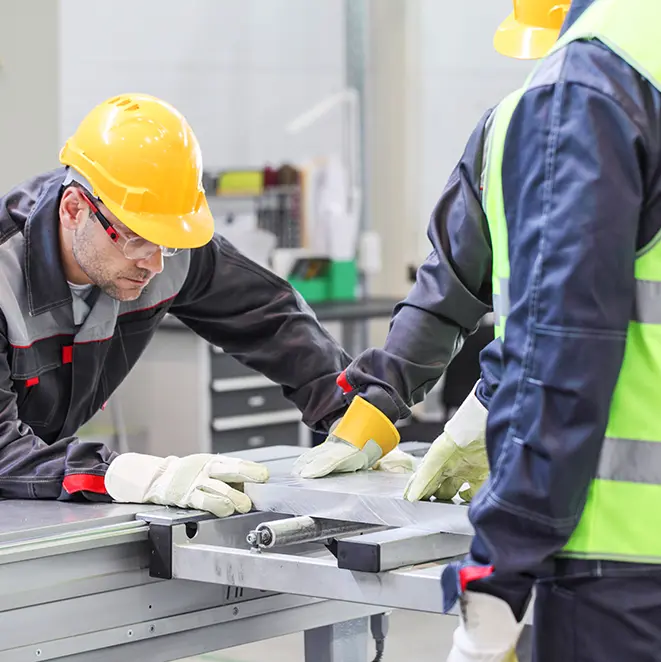
We have a team of technicians with 15 years of invaluable experience. Our deep understanding of customer requirements allows us to identify potential issues and offer practical insights, turning customer ideas into tangible products that meet specific needs.

Lvxing Facility Banner Layout

Localization Application Scenarios of China Helipad Guard Nets

Environmental conditions shape structural requirements. Depending on the installation location of the helipad, safety net systems must be customized:

1. High-Salinity Marine Coastal & Offshore Platforms

In offshore regions like the South China Sea, Gulf of Mexico, or North Sea, guard nets are subjected to continuous atmospheric salt deposition. Lvxing recommends utilizing marine-grade 6000 series aluminum alloys (such as 6061-T6 or 6082-T6) with a hard anodized protective film of at least 20-25 microns. This thickness successfully prevents pitting corrosion and maintains structural integrity over decades of exposure.

2. High-Altitude and Cold Alpine Regions

Hospitals and emergency rescue bases situated in western China (e.g., Tibet, Qinghai, Sichuan) or high-altitude regions globally experience sub-zero winter temperatures. Traditional steel becomes brittle at low temperatures. In contrast, aluminum alloys maintain excellent ductile properties at sub-zero temperatures, eliminating cold-brittleness risks and ensuring safety nets retain high impact absorption.

3. Dense Urban Rooftop Installations

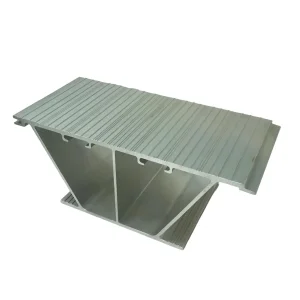
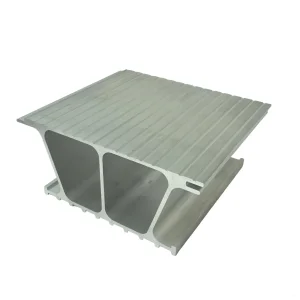
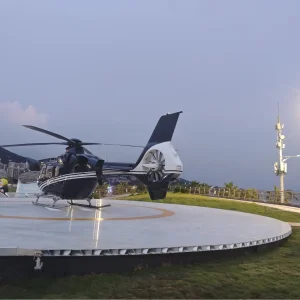
Commercial rooftop helipads, police headquarters, and city hotels require lightweight safety configurations. The low structural weight of Lvxing aluminum profiles (such as the LX-HP02 helipad profiles) minimizes dead-load stress on building columns. Additionally, they allow for folding or retracting mechanisms that integrate smoothly with building facade regulations.

Technical Roadmap & Future Outlook

As smart cities and modern infrastructure evolve, helipad perimeter safety systems are advancing through technological innovation:

Active Electric Safety Systems

Integration of low-noise electric deployment drives. These automated safety systems allow perimeter nets to dynamically fold down during helicopter landing sequences and tilt upward during takeoff, enhancing horizontal safety clearance.

📡

Sensor-Integrated Mesh Networks

Embedding smart load cells and strain gauges directly into the structural aluminum anchors. Real-time stress levels, wind force loads, and impact occurrences are reported straight to building management networks.

🌿

Low-Carbon Recycled Alloys

Advancing towards green manufacturing by utilizing high-percentage post-consumer recycled aluminum. Lvxing leverages advanced billet formulation to reduce carbon emissions while maintaining strict mechanical parameters.

China Factory Supply Chain Resilience & Efficiency

As a global hub for aluminum processing, Foshan provides Lvxing Intelligent Equipment with unique supply chain advantages that optimize cost and delivery efficiency:

  • Proximity to Premium Materials: Partnering directly with Fenglu Aluminum ensures rapid access to certified base billets and structural extrusions, minimizing raw material transit times and freight costs.
  • Advanced Extrusion Scale: Access to a 20,000T extrusion line allows the production of large-span structural profiles up to 1.2m in width and 28m in length, reducing joint connections and maximizing overall load capacity.
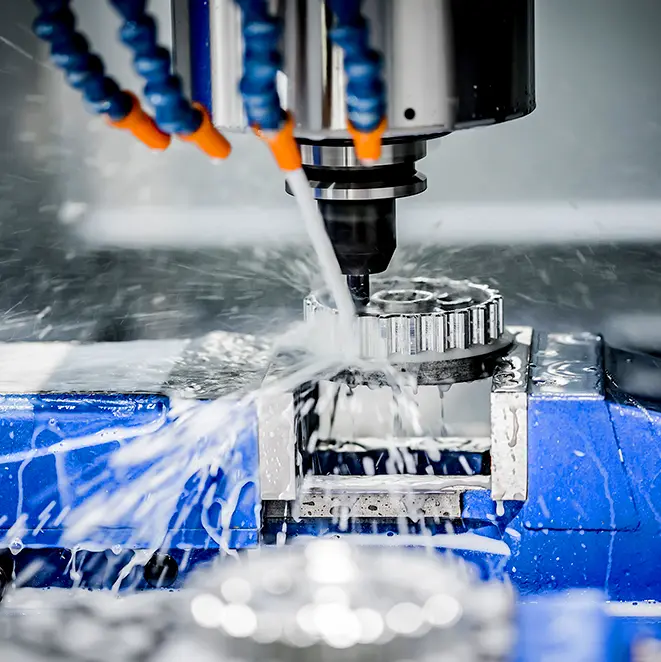
  • Integrated Production Ecosystem: From alloy billet casting to extrusion, hard anodizing, CNC precision machining, and drop testing—all manufacturing stages are consolidated within a 50km radius. This localized infrastructure reduces production cycles by up to 35% compared to European or American competitors.

Local Support & Global Compliance Assurance

Lvxing ensures international project delivery through dedicated engineering support:

Our engineering services begin during the design phase. We assist clients by providing native AutoCAD, BIM, and SolidWorks files, ensuring seamless integration with general contractor blueprints. We assist engineering consultants and developers with structural wind-tunnel simulations, dynamic landing deck analysis, and local building code compliance reports.

All safety net configurations undergo rigorous batch testing to verify dynamic load capacity. Customers receive a comprehensive CE Certificate package, material trace certificates (EN 10204 3.1), and step-by-step installation documentation, ensuring smooth site acceptance inspections.

Frequently Asked Questions (FAQ)

Essential information on technical parameters, compliance, pricing, and installation requirements.

What are the certification requirements for helideck perimeter safety nets? +
Helideck safety nets must comply with regional and international standards such as UK CAA CAP 437, ICAO Annex 14, and European CE directives. These regulations specify parameters for mesh size, corrosion resistance, minimum height projection (typically 1.5 meters wide), upward slope (10 degrees), and drop-test performance.
Which aluminum alloys are recommended for helipad perimeter frames? +
We primarily recommend 6000 series aluminum alloys (specifically 6061-T6 and 6082-T6) for structure frames and nets. These tempers deliver an optimized combination of high yield strength, outstanding weldability, and resistance to C5-M marine atmospheric corrosion.
How does Lvxing guarantee the quality of its aluminum safety net profiles? +
Our production aligns with ISO 9001:2015 (GB/T19001-2016) quality frameworks. We utilize premium Fenglu aluminum raw materials and conduct dynamic load drop tests on our safety net configurations to verify load parameters prior to dispatch.
Can the perimeter safety nets be customized for high-wind rooftop environments? +
Yes. Our engineering division calculates local wind-load limits using finite element analysis (FEA) to adjust structural profile thickness, support strut spacing, and anchor bolt configurations. This ensures the safety net assembly remains stable under extreme wind shear.
What variables influence the pricing of China helipad safety net systems? +
Pricelist variations depend on the choice of alloy (e.g., standard 6063 vs. high-strength 6082), the selected surface coating (anodizing vs. PVDF), structural dimension requirements (custom profiles vs. standard sizes), and the integration of automated folding systems. Contact our sales team for a project-specific estimate.