Engineered to CAP 437 and ICAO standards. Explore our elite selection of structural helideck safety systems.
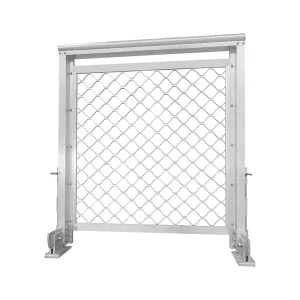
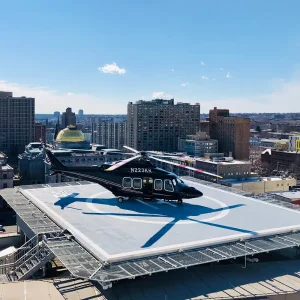
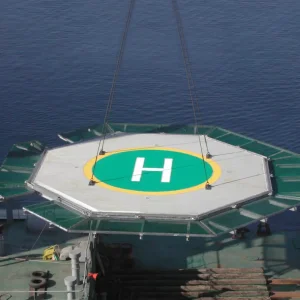
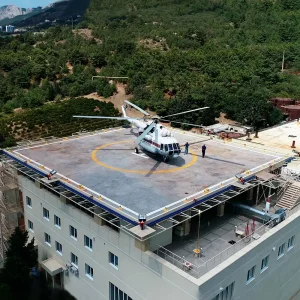
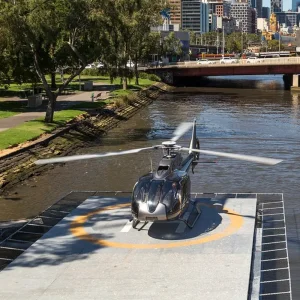
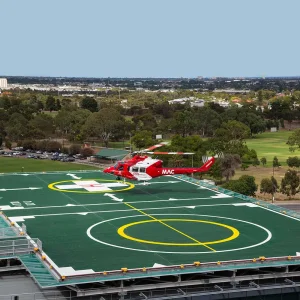
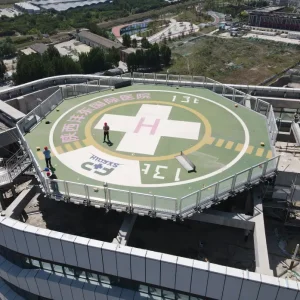
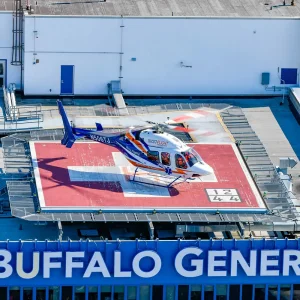
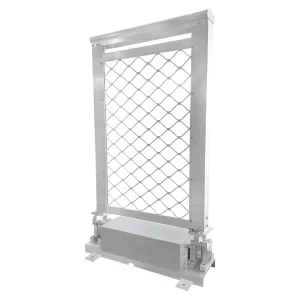
In modern aviation infrastructure, helicopter deck (helideck) landing zones demand absolute precision, durability, and structural integrity. Helicopter Environment Nets, primarily configured as perimeter safety netting, are critical components required to prevent personnel, equipment, and helicopters from sliding or falling off elevated platforms.
With the rapid growth of offshore wind energy, maritime extraction, global emergency medical service (EMS) infrastructure, and high-rise commercial architecture, the global market for customized helicopter environment safety nets is experiencing a significant paradigm shift. The integration of high-grade alloy frames, innovative electric folding operations, and strict regulatory alignments such as CE certification, ICAO Annex 14, and CAP 437 are now industry standards.
Helicopters landing in challenging marine environments or high-altitude metropolitan rooftops are subjected to severe crosswinds, thermal updrafts, and physical shifts (especially on floating vessels). Safety nets must absorb dynamic impact loads without suffering structural deformation or tension loss over extended lifespans.
Traditional stainless steel or nylon nets often present issues regarding corrosion fatigue, high weight, and complex manual tension adjustments. Today, the sector is moving toward premium aluminum alloy extrusion safety frames integrated with high-performance mesh materials. This transition provides outstanding corrosion resistance, reduced structural load on the platform, and minimal maintenance overhead.
CE Certification serves as a fundamental compliance baseline, confirming that perimeter safety systems meet stringent European safety, health, and environmental protection guidelines. In aviation circles, UK CAA's CAP 437 standard dictating helideck design further governs the performance criteria of these nets, mandating they must not project more than 250mm above the level of the helideck and must exhibit a minimum drop-test resistance of 122.5 kg from 1 meter. Achieving these parameters requires meticulous engineering, high-tonnage extrusion technology, and state-of-the-art metallurgy.
A global pioneer specializing in premium aluminum safety netting, deck structures, and custom structural designs.
Established in 2015 and located in Foshan City, Guangdong, LvXing Intelligent Equipment Co., Ltd. boasts a highly skilled R&D team with extensive experience. We leverage exceptional technical expertise to effectively transform customer concepts into robust physical systems, consistently meeting precise structural requirements.
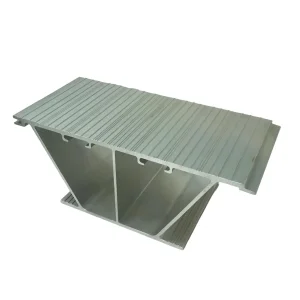
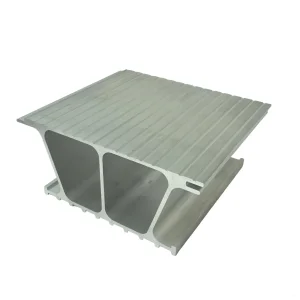
We utilize premium Fenglu aluminum, offering a diverse range of profiles for flexible applications. Our extrusion capabilities accommodate alloys in the 1xxx, 2xxx, 3xxx, 5xxx, 6xxx, and 7xxx series, giving us the versatility to handle diverse structural demands.
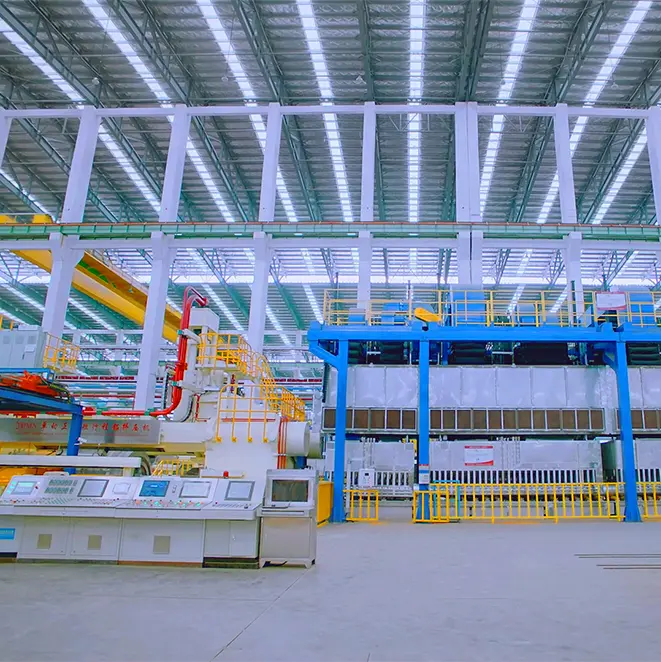
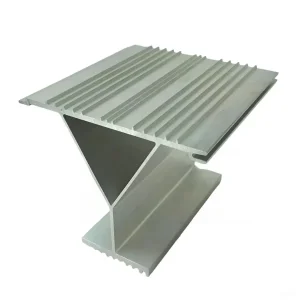
Our operational extrusion lines range from 800T to 20,000T, allowing us to produce fully shaped products with section dimensions up to 1.2 meters in width and 28 meters in length. These products are recognized for their precision and meticulous processing across aerospace, military, medical, and industrial sectors.
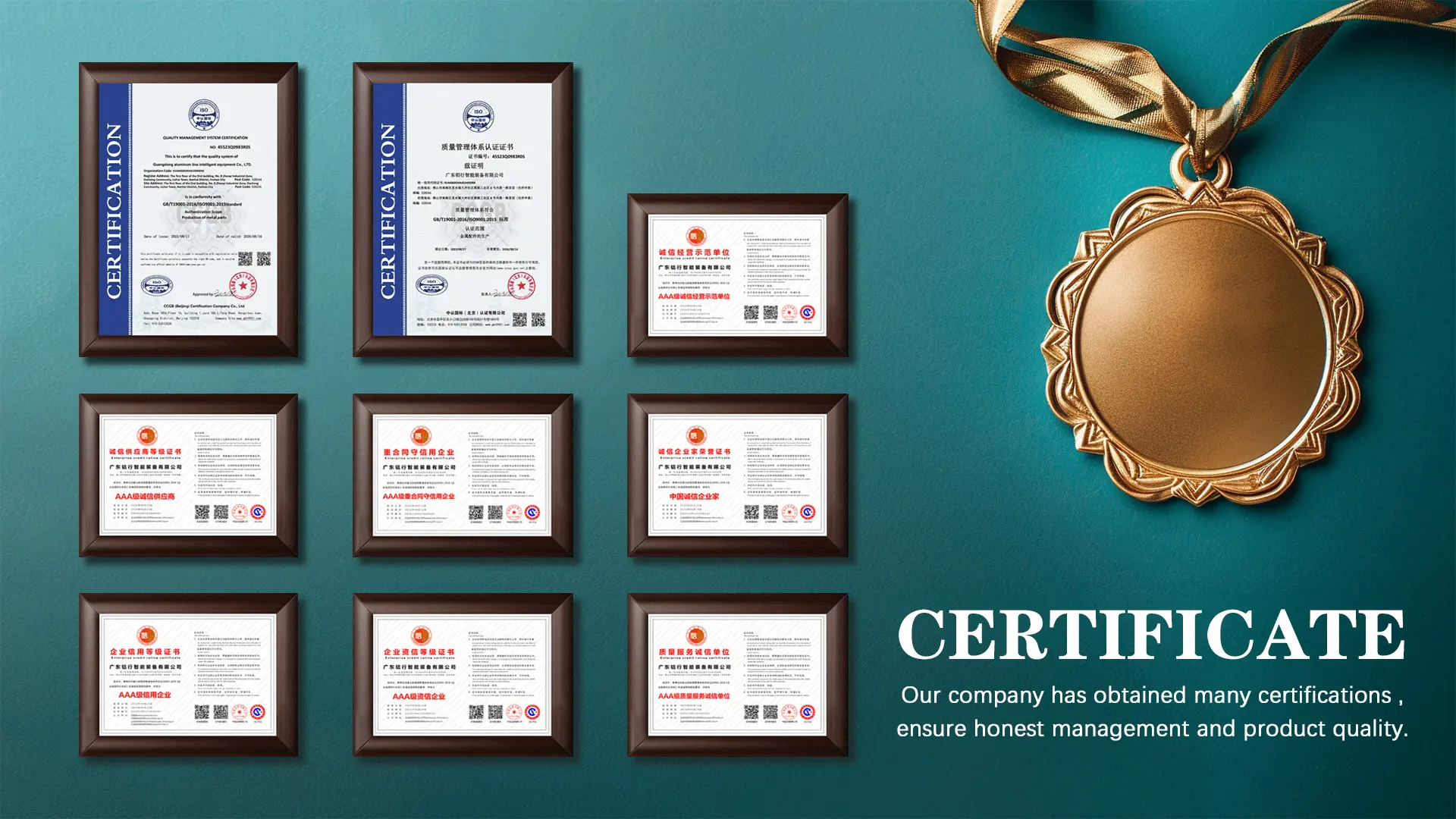
Our commitment to excellence is evident throughout the manufacturing process, rigorous quality control, thorough packaging, and efficient shipping procedures. This dedication has earned us recognition as a national excellent and honest enterprise, along with quality system certification in accordance with GB/T19001-2016/ISO9001:2015 standards.
We have also proudly obtained the prestigious “Special Aluminium Materials for Aerospace” Certificate, confirming our capabilities in heavy metallurgical design and critical-load safety gear fabrication.
Why modern helideck systems rely on advanced aluminum alloys over traditional alternative materials.
Aluminum alloys used in marine safety nets require high tensile strength and superior corrosion resistance. We use specifically stabilized 6000-series (such as 6061-T6 or 6082-T6) and 7000-series alloys, which are further optimized in-house through precise aging heat treatments. These processes ensure maximum protection against marine atmospheric corrosion (C5-M environment), high-pressure saltwater spray, and constant UV radiation.
By leveraging our 20,000T extrusion line, we can manufacture seamless, large-span support frames. Eliminating welded joints in high-tension areas significantly reduces the risk of stress corrosion cracking. This allows the structural frames of the safety nets to sustain high wind loads and absorb sudden, heavy dynamic impact forces from dropping loads or aircraft deviations.
Every kilogram saved on vessel superstructures and skyscraper roofs is critical. High-performance aluminum profiles reduce structural weight by up to 50% compared to traditional structural steel, without sacrificing strength. This weight savings enables architectural and marine designers to minimize platform reinforcement costs and lower the center of gravity on offshore vessels.
Special Aerospace Aluminum Certificate
High-Tonnage Extrusion Line Profile Production
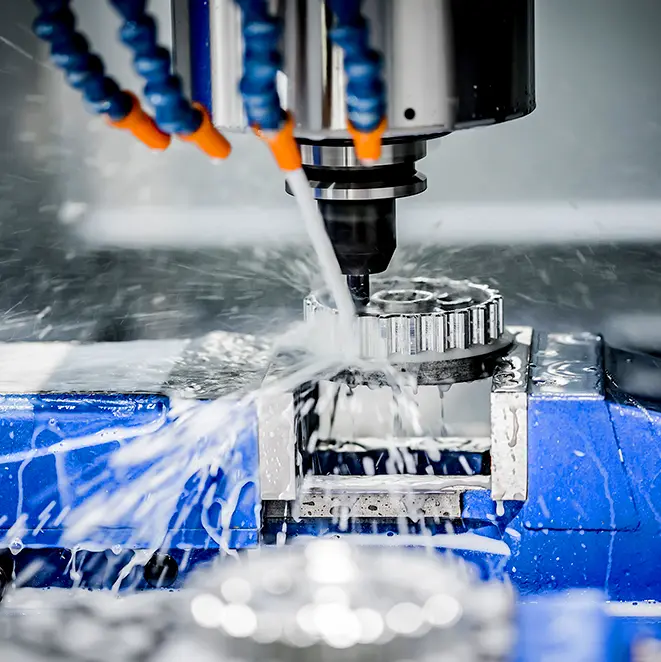
Technical R&D Quality Verification Process
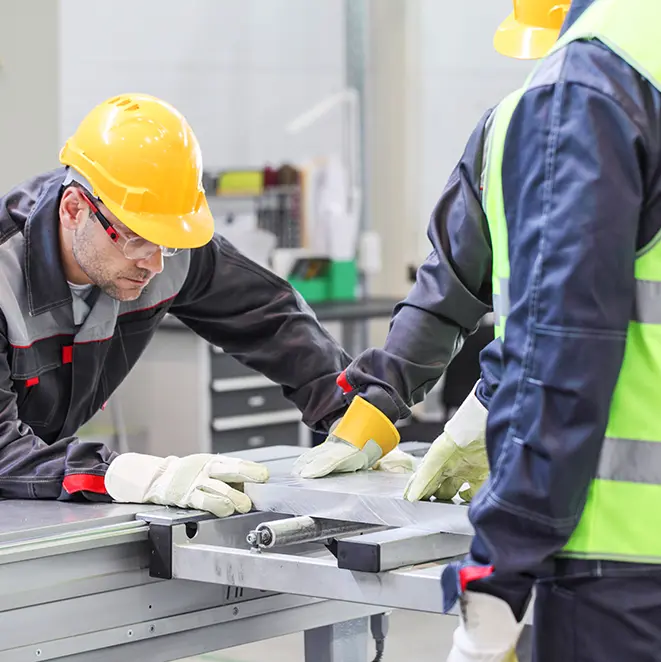
Our structural safety networks undergo rigorous certification procedures. With the support of technicians boasting over 15 years of industrial experience, we convert complex technical specifications into reliable safety components. By manufacturing our profiles under strict quality assurance parameters, we ensure that every square meter of net delivered meets international aviation standards.
Custom safety net solutions designed to meet the operating demands of key global sectors.
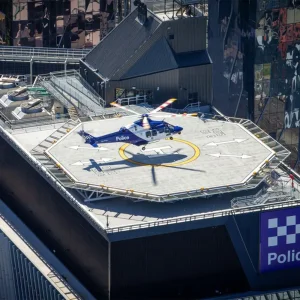
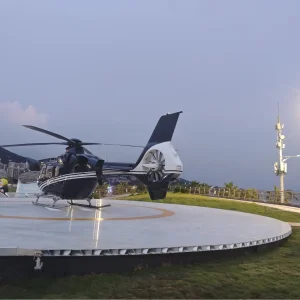
Installed on skyscrapers, commercial centers, and police headquarters. These locations require quiet, lightweight, and aerodynamically transparent perimeter netting to minimize turbulences during takeoff and landing while ensuring full structural fall protection.
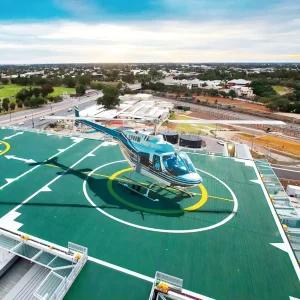
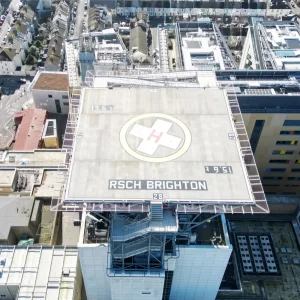
EMS heliports demand maximum reliability and ease of maintenance. Our hospital rooftop safety nets provide secure work areas for medical staff moving trauma patients in high-stress, time-sensitive environments.
Designed for FPSOs, drilling rigs, and offshore support vessels. These environment nets are engineered to withstand saltwater corrosion, high wind shear, and motion movements. They are available in manual or automated electric-folding configurations.
Innovation in materials and automation is shaping the future of helideck safety systems.
Modern offshore support vessels (OSVs) and naval ships frequently require quick clearing of landing decks. Our R&D division is focused on designing electric-folding perimeter nets that can be deployed or retracted via control panels, reducing manual deck preparation time and enhancing crew safety in adverse weather conditions.
Future iterations of helideck safety nets will incorporate smart strain-gauge sensors into the mesh tension cables. These sensors monitor structural integrity and material tension in real-time, sending data to maintenance logs to enable predictive maintenance schedule planning.
To further extend maintenance-free lifespans in marine environments, we are optimizing specialized co-polymer coatings. This provides an additional layer of protection against abrasive sand, salt crystals, and high solar UV index ratings.
Addressing structural, chemical, and regulatory inquiries from engineers and procurement managers globally.
Aluminum alloy frame safety nets provide up to 50% weight reduction compared to structural steel, minimizing load weight on offshore vessel superstructures and building roofs. Additionally, alloys from the 6xxx/7xxx series exhibit outstanding natural corrosion resistance without requiring continuous repainting, lowering maintenance overhead over decades.
CAP 437 outlines strict safety rules. First, the perimeter safety net must not project more than 250mm above the level of the helideck. Second, it must have an upward and outward slope of approximately 10 degrees. Third, it must be constructed to withstand a drop-test of a 122.5 kg weight from a height of 1 meter to verify energy dissipation. Our design complies with these requirements.
Yes. Leveraging our R&D experience and our 800T to 20,000T extrusion lines, we customize profiles up to 1.2m wide and 28m long. We also tailor structural profiles, mesh sizing, tension parameters, and folding mechanisms to match specific architectural and maritime footprints.
Our quality control protocols conform to GB/T19001-2016/ISO9001:2015 standards. We carry out finite element analysis (FEA) during the design phase, raw material spectrochemical tests, tensile strength tests of the profiles, and rigorous physical load tests to verify safety performance.
Premium aluminum profiles and safety nets designed for offshore and onshore applications.
 LvXing