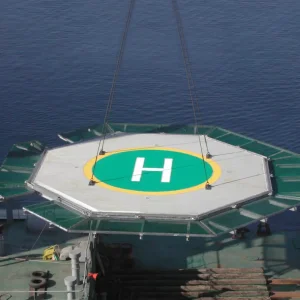
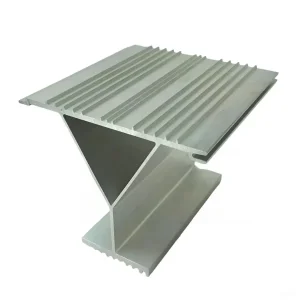
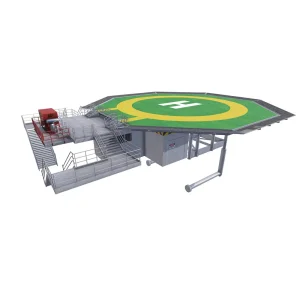
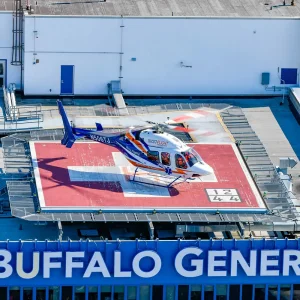
Explore our standard and custom-engineered helicopter environmental safety nets, aluminum landing pad profiles, and deck systems. Direct-from-factory pricing with CE-certified quality compliance.
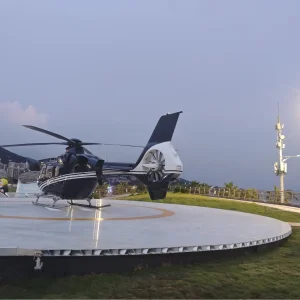
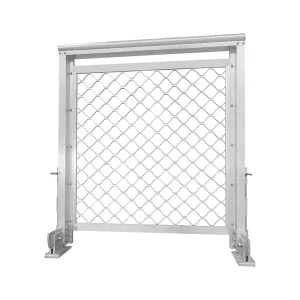
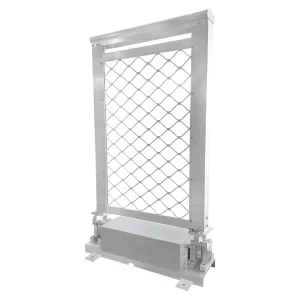
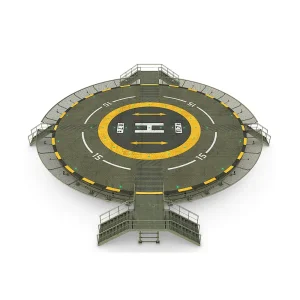
In high-stakes marine and offshore settings, helicopter environment safety nets (commonly known as perimeter safety nets) are not just optional accessories—they are critical, life-saving safety barriers legally mandated by global aviation and maritime administrative bodies. These nets are mounted around the perimeter of shipboard helidecks, offshore oil platforms, and rooftop hospital landing pads to prevent crew members, ground handlers, and loose flight deck equipment from falling overboard or tumbling off elevated structures during take-off, landing, and maintenance operations.
Under modern international standards, including the UK Civil Aviation Authority's CAP 437 (Standards for Offshore Helicopter Landing Areas) and the International Civil Aviation Organization (ICAO) Annex 14 requirements, all helidecks situated in offshore marine and elevated urban configurations must be fitted with a robust safety net structure. Historically, safety nets were manufactured using heavy carbon steel mesh or synthetic fibers that suffered rapid degradation due to intense ultraviolet (UV) radiation and aggressive chloride-rich salt spray. The industry has decisively shifted toward lightweight, corrosion-resistant, high-tensile marine-grade aluminum alloys (such as 6000-series configurations) that offer an operational lifespan exceeding 25 years with minimal maintenance.
The primary operational goal of a certified helicopter safety net is to absorb energy. In the event of a crew member being blown off balance by rotor wash (which can exceed wind speeds of 100 knots), the perimeter net must catch the individual without causing severe injury. This requires a precise balance of structural elasticity and tensile resilience. Thus, the engineering and raw material supply chain of aluminum helideck nets have become centralized around manufacturers capable of holding tight metallurgical tolerances and providing comprehensive international certifications.
To be legally marketed and installed within European maritime borders and high-standard international zones, helicopter environment nets must bear the CE Mark. This mark indicates that the product has undergone rigorous third-party assessment and complies with essential health, safety, and environmental protection requirements.
The technical assessment protocols for CE-marked helideck safety nets primarily focus on the following key metrics:
| Testing Standard | Required Performance Threshold | Engineering Implementation |
|---|---|---|
| Dynamic Drop Test | 100 kg weight dropped from 1.5m (Min 2.3 kJ impact) | Controlled deformation of mesh nodes without rupture or structural detachment. |
| Tensile Strength Test | Minimum individual wire tensile strength of 500 MPa | High-grade 316 Stainless Steel wire combined with 6000-series marine aluminum frames. |
| Corrosion Resistance | ISO 9227 Neutral Salt Spray (NSS) test exceeding 1000 hours | Anodic oxide film treatment (thickness ≥ 15 microns) protecting all aluminum surfaces. |
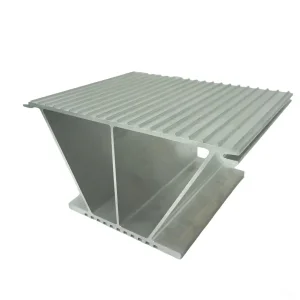
| Friction Coefficient | Anti-slip surface profile preventing slide-off | Non-skid serrated top flange on aluminum profile frames. |
During certification audits, the factory must present a complete technical construction file (TCF), illustrating metallurgical traceability for every heat of aluminum extruded. A qualified supplier must perform finite element analysis (FEA) to simulate extreme rotor-wash conditions, severe icing scenarios, and structural impact profiles, ensuring that the safety margin (often set at 1.5x to 2.0x limit load) is consistently maintained.
Established in 2015 and located in Foshan City, Guangdong, LvXing Intelligent Equipment Co., Ltd. boasts a skilled R&D team with extensive experience. We leverage exceptional technical expertise to effectively transform customers' ideas into reality, consistently meeting their precise requirements.
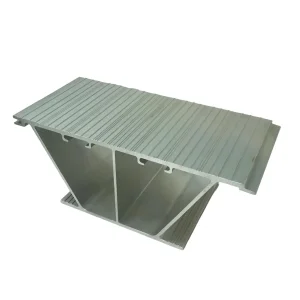
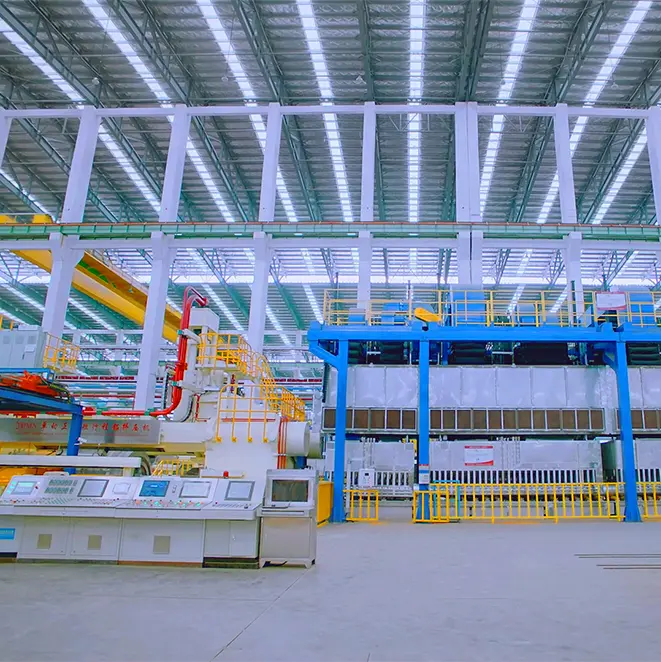
We utilize premium Fenglu aluminum, offering a diverse range of profiles for flexible applications. Our extrusion lines, ranging from 800T to 20,000T, accommodate alloys 1xxx, 2xxx, 3xxx, 5xxx, 6xxx, and 7xxx, allowing us to produce shaped products with section dimensions up to 1.2 meters in width and 28 meters in length. These products are recognized for their precision and meticulous processing, finding broad application in aerospace, military, medical, and industrial sectors.
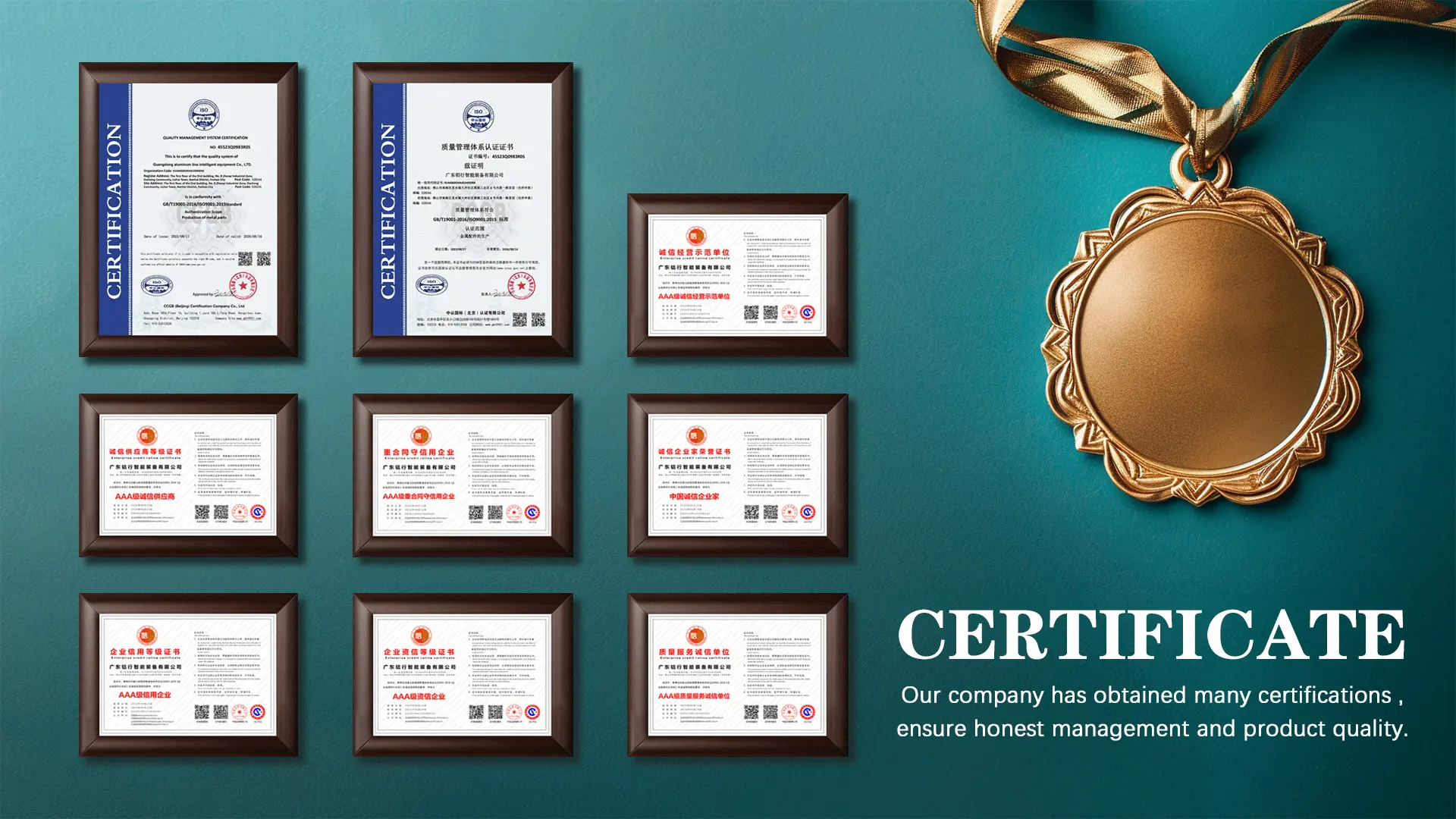
Our commitment to excellence is evident throughout the manufacturing process, rigorous quality control, thorough packaging, and efficient shipping procedures. This dedication has earned us recognition as a national excellent and honest enterprise, along with quality system certification in accordance with GB/T19001-2016/ISO9001:2015 standards. We aspire to be your trusted business partner and warmly invite you to visit our factory.
 Aero-Grade Materials
We have obtained the “Special Aluminium Materials for Aerospace” Certificate. This ensures our metallurgical structures meet the absolute highest thresholds of mechanical integrity.
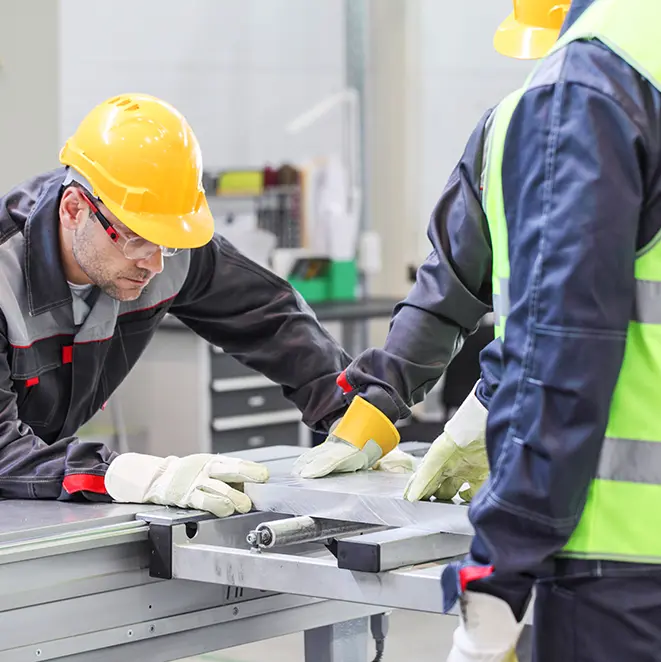
 Heavy Extrusion Capacity
We provide and utilize high-quality Fenglu aluminum profiles. With extrusion lines ranging from 800T to 20,000T, we can produce alloys 1xxx, 2xxx, 3xxx, 5xxx, 6xxx, and 7xxx. We can manufacture fully shaped products with section dimensions up to 1.2 meters in width or 28 meters in length.
 Experienced Technical Team
We have a team of technicians with 15 years of invaluable experience. Our deep understanding of customer requirements allows us to identify potential issues and offer practical insights, turning customer ideas into tangible products that meet specific needs.
Operating safety parameters vary greatly between different geographical environments. A successful installation relies on modifying the configuration of the safety net system to handle specific local climate threats, wind forces, and operational patterns.
In deepwater oil fields (such as the North Sea or Gulf of Guinea), marine vessels and Floating Production Storage and Offloading (FPSO) units undergo constant pitch, roll, and heave. Helideck nets must withstand permanent marine-grade salt-spray corrosion (Class C5-M/CX). Our high-grade custom aluminum structures combined with manual or electric roll-up tension systems prevent water pooling and resist degradation caused by relentless exposure to ocean spray.
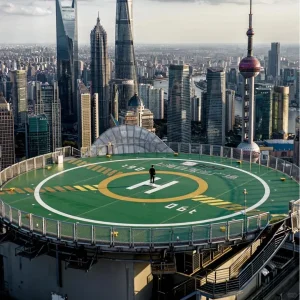
Rooftop helipads on city skyscrapers face aggressive high-altitude wind shear. In micro-climates generated by high-rise architecture, the mesh structure of the safety net must minimize wind resistance to prevent aerodynamic lift or structural vibration, which can lead to stress cracks on the concrete anchoring brackets. Highly tensioned, aerodynamically optimized aluminum mesh profiles provide the perfect solution.
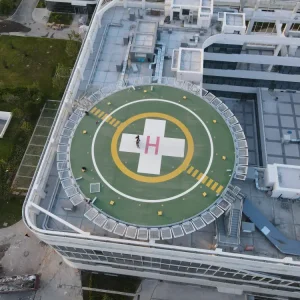
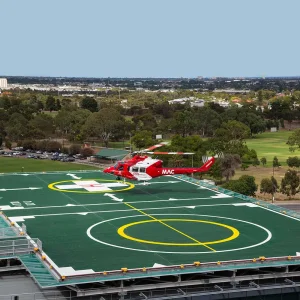
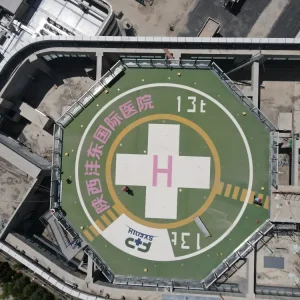
For municipal emergency rescue locations, rapid installation, ease of maintenance, and high visibility are paramount. Hospital helipads require completely reliable security systems that can facilitate 24/7 rescue flights. Non-glare, safety-anodized green or yellow perimeter nets prevent pilot disorientation during critical night landings and ensure absolute reliability for medical staff.
As helideck aviation advances into the era of eVTOL (electric vertical take-off and landing) urban air mobility and autonomous drone delivery hubs, environment safety systems are adapting to support smart infrastructure. Our R&D division is actively working on integration roadmaps that redefine safety net structures:
Integrating fiber-optic Bragg grating sensors directly into the structural aluminum profiles to monitor tension changes in real-time, sending automatic alerts if tension drops below the CAP 437 threshold.
Developing low-voltage heating elements embedded within the frame profiles to mitigate ice accumulation on platforms operating in Arctic or sub-zero maritime zones, ensuring structural integrity in extreme cold.
Transitioning safety frame manufacturing to high-entropy eco-friendly aluminum structures that yield higher tensile-to-weight ratios, paving the way for 100% recyclable, zero-carbon footprint installations.
Located in Foshan, Guangdong—the core of global high-end aluminum extrusion industries—our factory benefits from an integrated supply chain cluster. This cluster combines raw material smelting, die engineering, extrusion capabilities, surface finishing, and international shipping logistics in a centralized ecosystem.
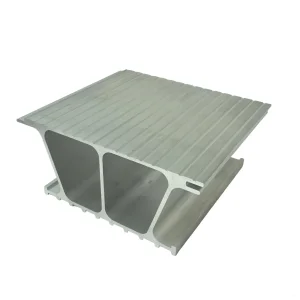
Our alliance with Fenglu Aluminum provides direct access to high-grade virgin aluminum ingots. Using our heavy-tonnage presses—up to 20,000T—we can extrude complete aluminum deck planks and frame profiles with minimal joints. This reduction in joint welding points removes local structural weak spots, resulting in a product that handles cyclic loading significantly better than traditional designs.
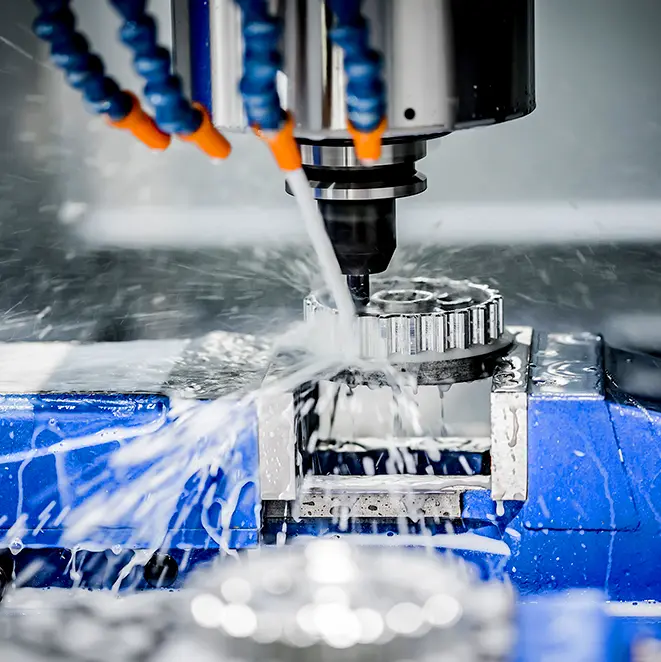
By utilizing automated digital machining lines and local deep-water ports in Shenzhen and Nansha (Guangzhou), we guarantee rapid delivery turnarounds. Whether you require standard dimensions or customized profiles, we provide high-quality manufacturing with complete material tracking and competitive pricing.
Get answers to the most common technical questions asked by marine engineers, architects, and procurement officers during project planning.
Review our full selection of structural support components, hospital emergency pads, and skyscraper helipad profiles designed for high-load aviation applications.
 LvXing