Engineered for extreme performance, structural durability, and absolute compliance with international aviation codes.
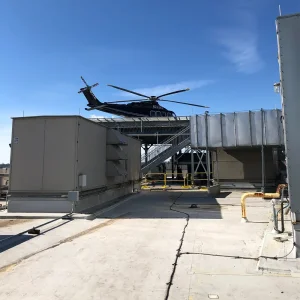
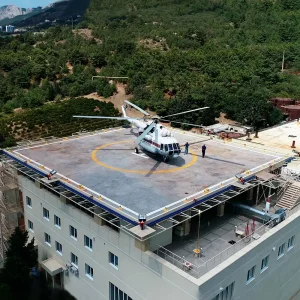
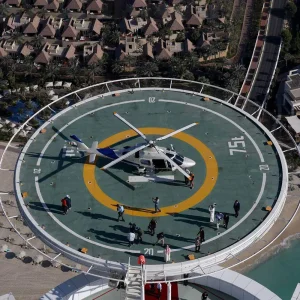
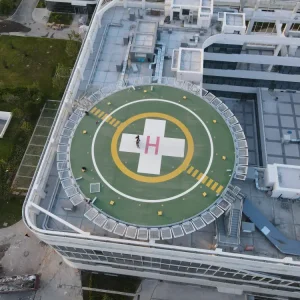
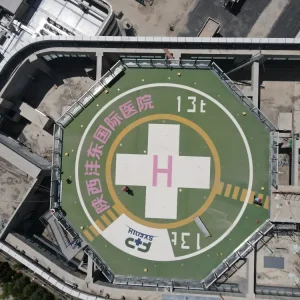
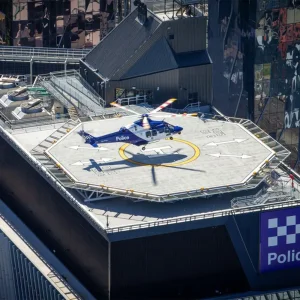
In offshore, maritime, rooftop, and tactical airspace design, safety systems function as the final fail-safe barrier against catastrophic operational hazards. Perimeter safety nets and landing zone nets constitute critical aviation safety architecture, keeping structural landing platforms compliant under global regulatory systems. As a leading specialized manufacturer certified under strict European CE directives, Lvxing Intelligent Equipment Co., Ltd. provides this comprehensive structural design, compliance, and industrial application guide.
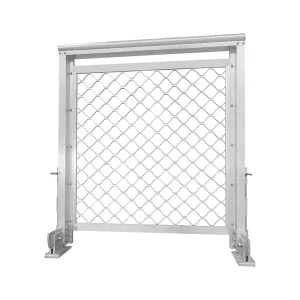
Primary Strategic Takeaway: Modern landing zone design demands an integrated perspective. The structural frame, the mesh netting, and the support deck are not separate parts; they act together to absorb drop force, withstand wind loads, and resist corrosion.
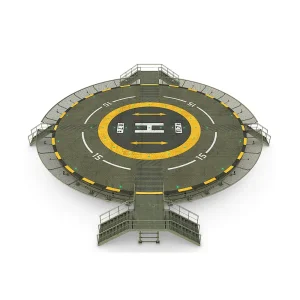
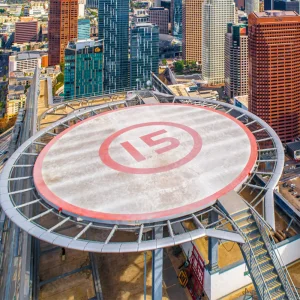
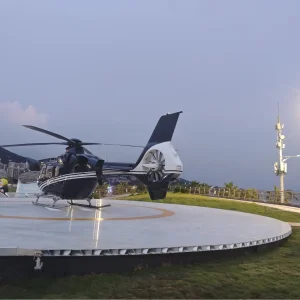
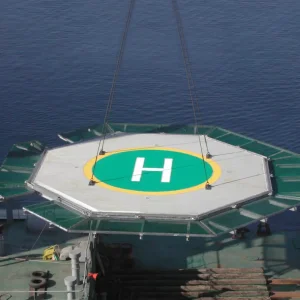
The global demand for reliable helicopter landing zone (HLZ) nets is expanding fast. Growth is driven by offshore wind power expansion, deepwater oil exploration, and urban air mobility infrastructure. Standard landing zone nets are no longer just basic passive safety measures; they are now highly engineered safety structures.
Procuring helipad perimeter safety nets requires strict attention to regulatory compliance. Standard EN 1263-1 and Civil Aviation Authority publication CAP 437 define the parameters for helideck safety systems. For offshore helicopter landing areas, safety nets must undergo strict dynamic drop tests.
The system must withstand an impact of at least 100 kg dropped from a height of 1 meter (simulating an falling person) without structural failure. Material certifications are essential. Manufacturers must provide official certificates showing material tests, chemical analysis of alloys, and load ratings.
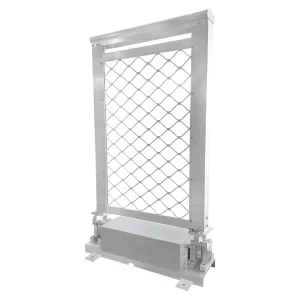
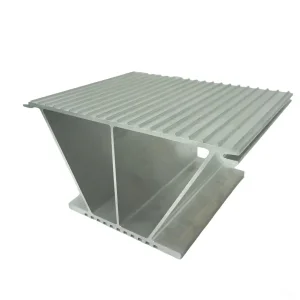
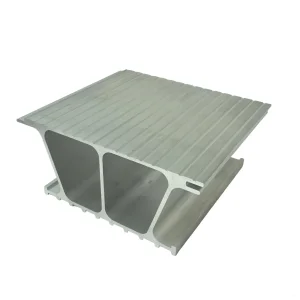
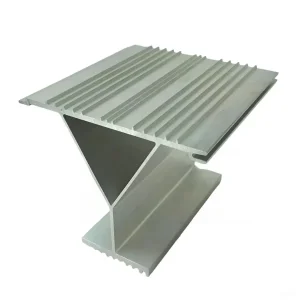
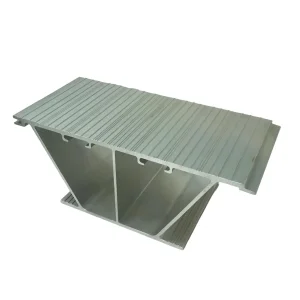
The structural strength of a helideck safety system depends on the quality of its aluminum profiles and mesh nets. Lvxing Intelligent Equipment utilizes premium-grade, high-tensile Fenglu aluminum. Using raw materials with precise alloy mixtures guarantees excellent corrosion resistance and structural strength.
Our heavy-duty production machinery includes extrusion lines ranging from 800T to 20,000T. This allows Lvxing to manufacture complex profile geometries in tough alloys, including the 1xxx, 2xxx, 3xxx, 5xxx, 6xxx, and 7xxx series. We can produce single-piece profiles up to 1.2 meters wide and 28 meters long, reducing joint connections and maximizing overall structural strength.
No two helipads are identical. Our engineering team customizes solutions based on local environmental challenges:
Established in 2015 and located in Foshan City, Guangdong, LvXing Intelligent Equipment Co., Ltd. boasts a skilled R&D team with extensive experience. We leverage exceptional technical expertise to effectively transform customers' ideas into reality, consistently meeting their precise requirements.
We utilize premium Fenglu aluminum, offering a diverse range of profiles for flexible applications. Our extrusion lines, ranging from 800T to 20,000T, accommodate alloys 1xxx, 2xxx, 3xxx, 5xxx, 6xxx, and 7xxx, allowing us to produce shaped products with section dimensions up to 1.2 meters in width and 28 meters in length. These products are recognized for their precision and meticulous processing, finding broad application in aerospace, military, medical, and industrial sectors.
Our commitment to excellence is evident throughout the manufacturing process, rigorous quality control, thorough packaging, and efficient shipping procedures. This dedication has earned us recognition as a national excellent and honest enterprise, along with quality system certification in accordance with GB/T19001-2016/ISO9001:2015 standards.
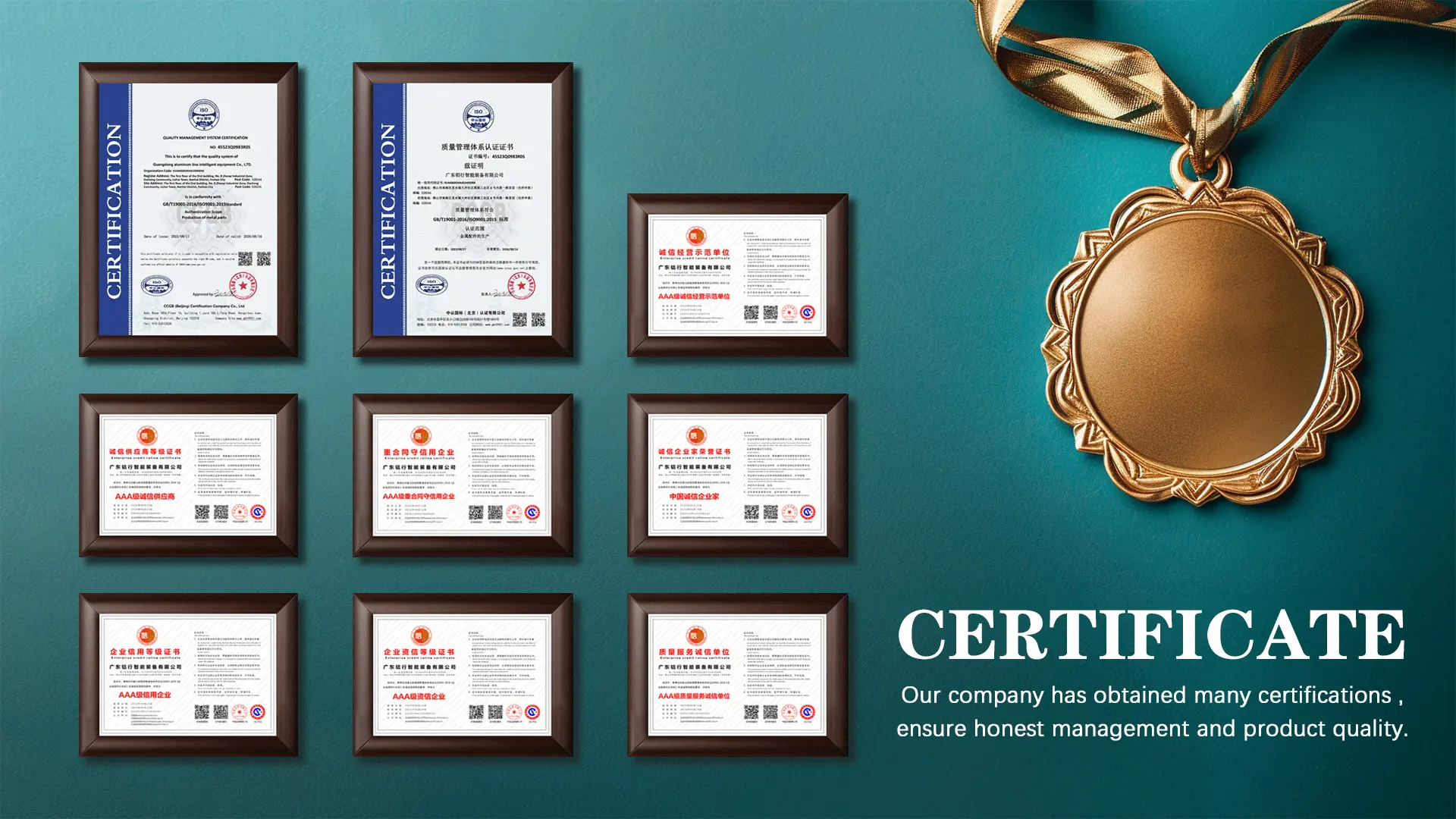
Why international operators trust Lvxing for critical landing zone equipment and high-performance aluminum extrusions.
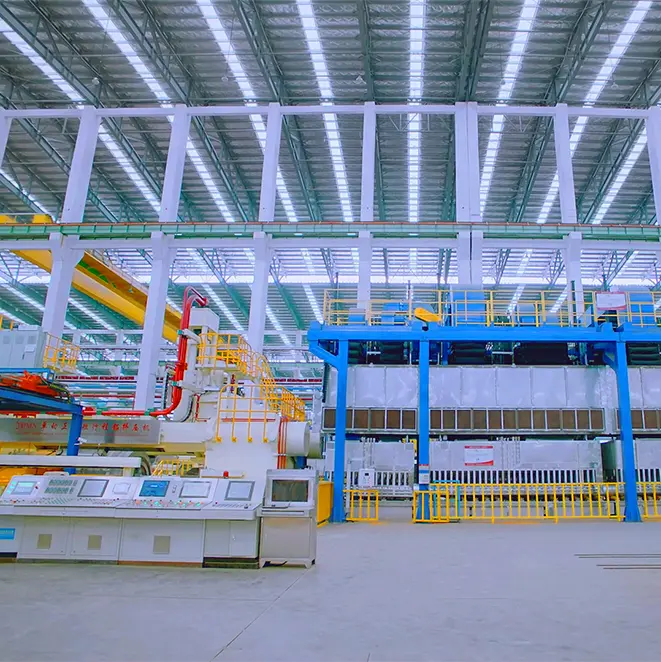
 Aerospace Certified
We have obtained the official “Special Aluminium Materials for Aerospace” Certificate, ensuring that our products meet the highest standard of structural integrity.
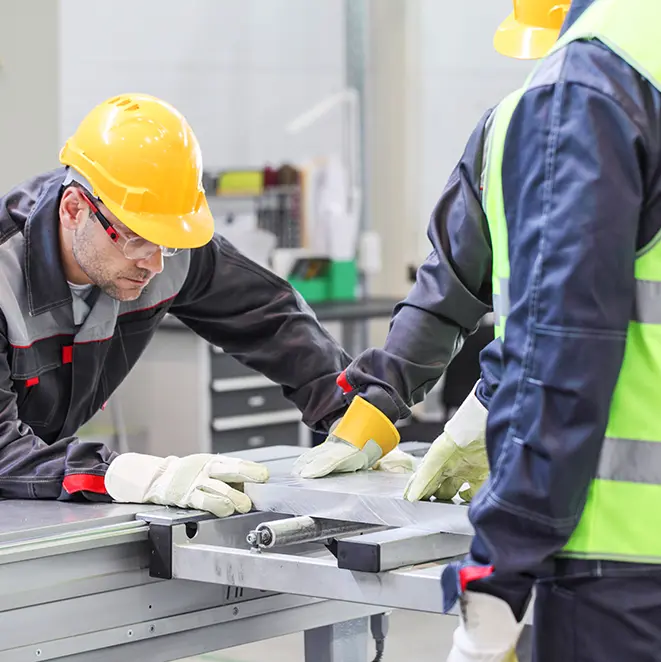
 Extreme Extrusions
We provide high-quality Fenglu aluminum profiles. With extrusion lines ranging from 800T to 20,000T, we can produce alloys 1xxx through 7xxx, up to 1.2m in width or 28m in length.
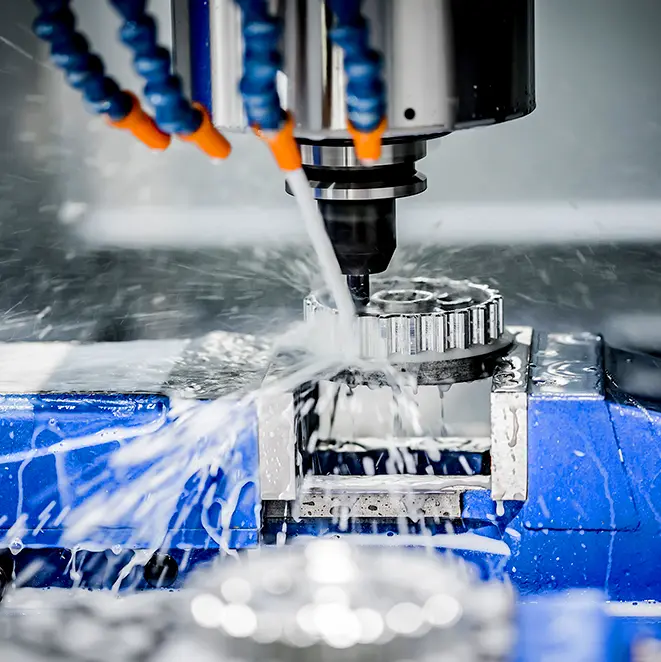
 15+ Years Experience
Our team of technicians has 15 years of invaluable industry experience. We understand customer requirements, identify potential issues, and turn ideas into high-quality products.
The next generation of helipad perimeter safety systems focuses on integration, intelligence, and smart materials.
Embedding smart tension sensors directly into the framing structure. This provides real-time updates on net wear, tension loss, and impact events, preventing structural failure before it happens.
Developing advanced, low-carbon recycled aluminum profiles. These new materials match the strength and corrosion resistance of standard alloys while helping project builders meet environmental goals.
Designing perimeter frame channels that hold LED lighting systems directly. This makes landing zones easier to see at night and in bad weather, without needing extra mounting brackets on the deck.
Everything you need to know about purchasing, installing, and certifying helicopter landing zone nets.
High-quality aluminum profiles, custom landing decks, and certified safety net systems for global commercial installations.
 LvXing