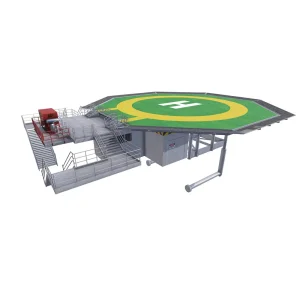
Explore our CE certified high-strength aluminum profiles, perimeter mesh barriers, and specialized helipad structures engineered for offshore platforms, municipal buildings, and medical centers.
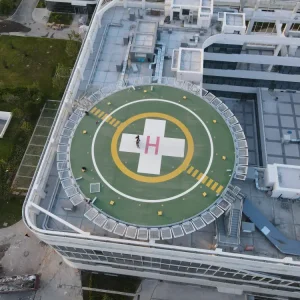
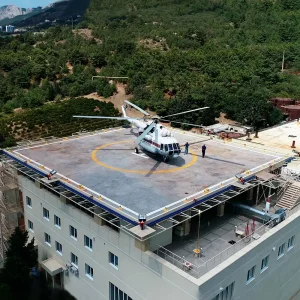
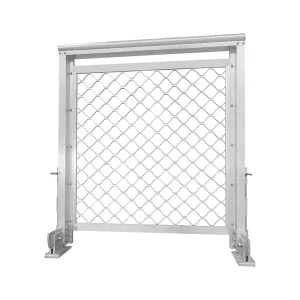
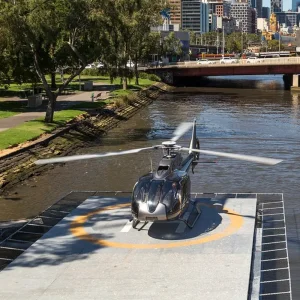
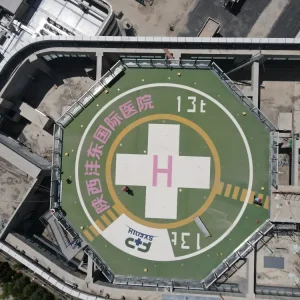
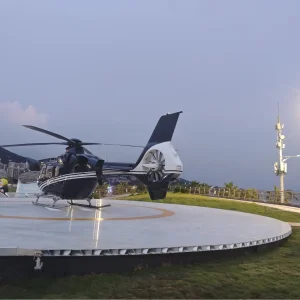
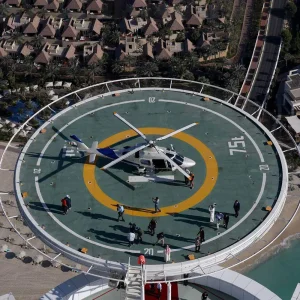
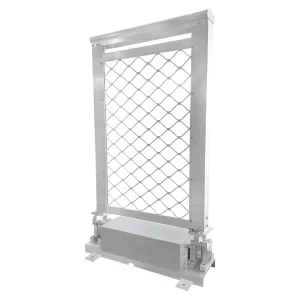
Helideck and helicopter landing zone (HLZ) safety mesh panels act as crucial barrier systems installed along the perimeter of elevated heliports, offshore drilling rigs, rooftops, and shipboard platforms. The primary engineering purpose of these structures is to prevent personnel, equipment, and litter from falling over the deck edges during operations. Without high-tensile containment safety nets, the dynamic airflow, downdraft forces (rotor wash), and structural vibrations generated by modern heavy helicopters (such as the Sikorsky S-92 or Mil Mi-8) present severe hazards.
According to key global regulatory standards including **CAP 437 (Standards for Offshore Helicopter Landing Areas)** and **ICAO Annex 14 Volume II**, perimeter safety nets must be built to withstand severe impact loads without failing. Specifically, they must absorb a drop test energy of at least **2.3 kJ (kilojoules)** without damaging the safety barrier or letting the test weight escape. By opting for CE Certified structural components, procurement engineers verify compliance with European Norms (EN 1263-1), proving that the steel mesh, aluminum framing, and structural tensioners can handle extreme environments, ranging from North Sea maritime storms to intense rooftop thermal fluctuations.
"A certified perimeter safety net is not just a regulatory checkmark; it is the ultimate failsafe system designed to absorb impact under the most hostile rotor-wash and offshore maritime conditions globally."
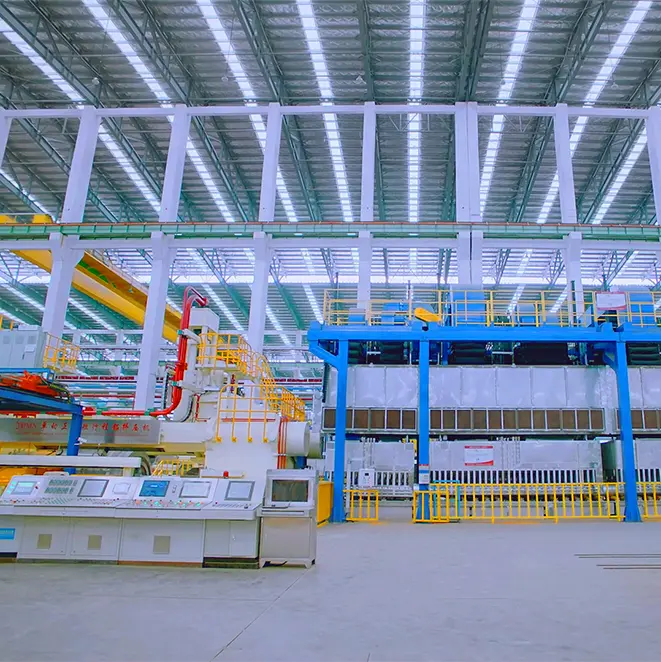
LVXING, SPECIALIZES IN ALUMINUM SOLUTIONS. Established in 2015 and located in Foshan City, Guangdong, LvXing Intelligent Equipment Co., Ltd. boasts a skilled R&D team with extensive experience. We leverage exceptional technical expertise to effectively transform customers' ideas into reality, consistently meeting their precise requirements.
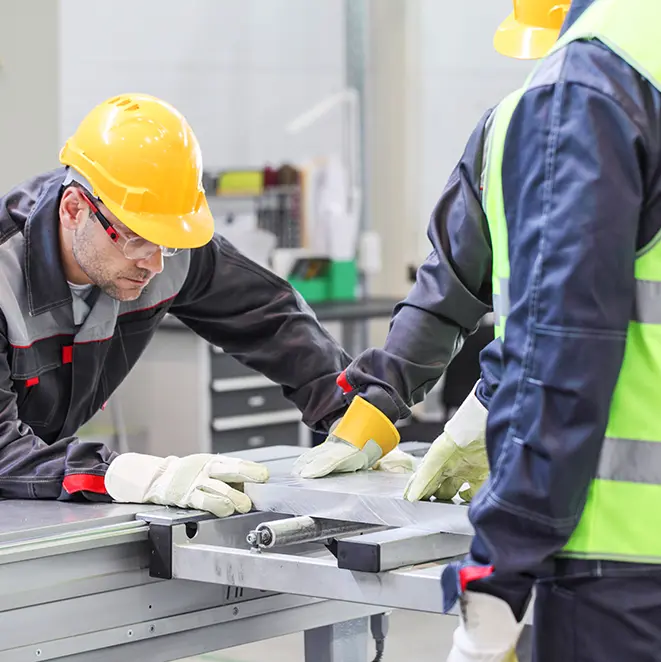
We utilize premium Fenglu aluminum, offering a diverse range of profiles for flexible applications. Our extrusion lines, ranging from 800T to 20,000T, accommodate alloys 1xxx, 2xxx, 3xxx, 5xxx, 6xxx, and 7xxx, allowing us to produce shaped products with section dimensions up to 1.2 meters in width and 28 meters in length. These products are recognized for their precision and meticulous processing, finding broad application in aerospace, military, medical, and industrial sectors.
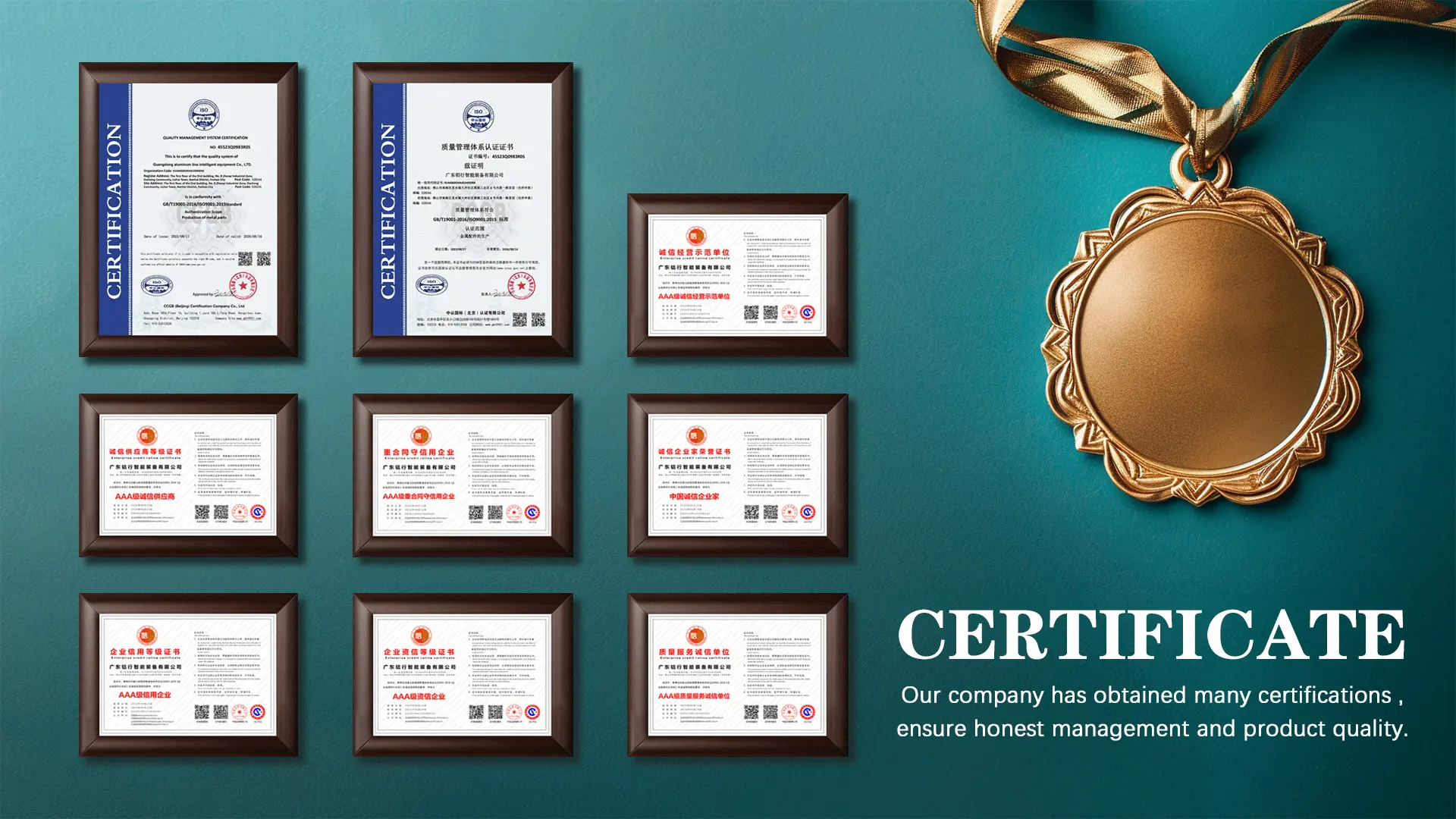
Our commitment to excellence is evident throughout the manufacturing process, rigorous quality control, thorough packaging, and efficient shipping procedures. This dedication has earned us recognition as a national excellent and honest enterprise, along with quality system certification in accordance with GB/T19001-2016/ISO9001:2015 standards.
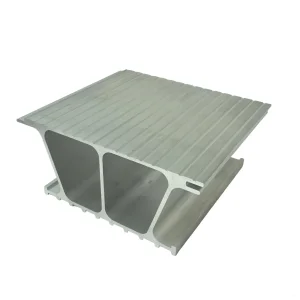
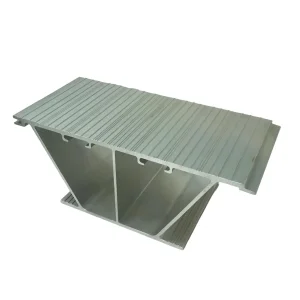
By utilizing high-grade marine-resistant 6000-series (typically 6061-T6 or 6082-T6) extruded profiles, our structural helipad components and perimeter safety net assemblies feature lightweight designs paired with high structural load-bearing capacity. These frames resist corrosion caused by salt spray, chemical cleaners, and exhaust fumes, giving them a service life that surpasses traditional structural steel alternatives.
Why global marine, commercial real estate, and medical infrastructure projects specify Lvxing helipad materials.

We have obtained the "Special Aluminium Materials for Aerospace" Certificate. This ensures our raw structural alloys comply with stringent defense and commercial aviation criteria.

With extrusion lines from 800T to 20,000T, we produce alloys 1xxx to 7xxx. We manufacture fully shaped products with section dimensions up to 1.2m wide or 28m in length.

Our team of technicians has 15 years of invaluable experience. We identify potential structural issues early and offer practical design adjustments to meet exact project specs.
Resolving regulatory hurdles, structural challenges, and logistics workflows for engineering companies worldwide.
Procuring landing zone safety systems for international projects requires navigating complex regulations. Offshore marine environments require safety nets with **Lloyd’s Register, DNV, or ABS type approvals** along with standard **CE certification**. In commercial real estate, municipal planning departments often require **FAA Advisory Circulars (AC 150/5390-2C)** or **ICAO Annex 14** compliance for rooftop medical helipads.
Lvxing simplifies compliance by providing complete technical documentation, material mill sheets, load calculation reports, and drop-testing certifications. This data allows local engineering companies to secure municipal permits and safety approvals quickly.
Different installation locations pose unique challenges. For example, hospital rooftop helipads need lightweight components to minimize structural roof loads, while offshore drilling rigs need high-corrosion-resistant materials (AISI 316 wire ropes combined with marine-grade anodized aluminum frames). Lvxing offers customized dimension profiles, manual or motorized motorized folding designs, and custom mounting brackets to fit any helipad configuration.
By manufacturing in Foshan, Guangdong—the heart of China's aluminum extrusion industry—we provide distinct structural, scale, and cost advantages:
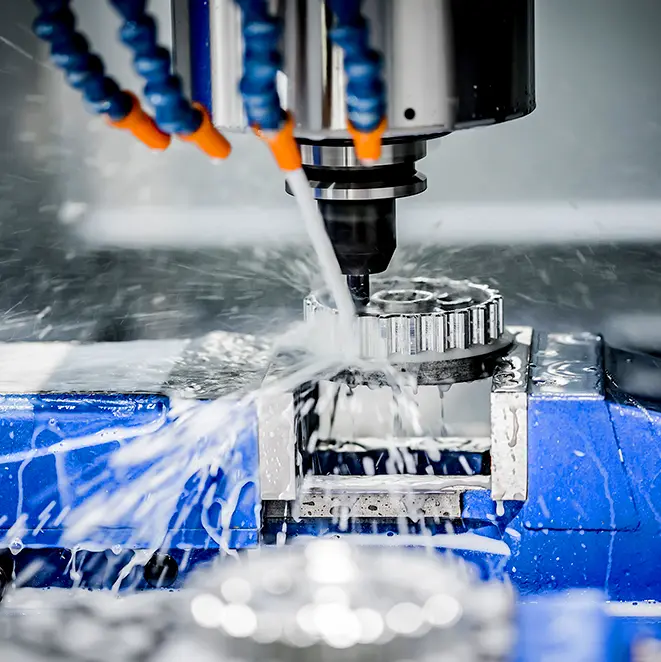
We handle everything in-house, from die design, billet extrusion, and structural CNC machining to surface anodizing, panel assembly, and dynamic impact testing.
Partnering directly with Fenglu Aluminum ensures premium pricing for high-purity aluminum billets, keeping production costs stable.
Proximity to Shenzhen and Guangzhou ports allows us to ship containerized components globally with shorter transit times.
Innovations in aviation safety, material science, and perimeter protection systems.
Traditional perimeter nets remain fixed in position, which can restrict clearance for maintenance or specialized cranes. The industry is shifting toward **motorized folding safety nets**. These systems allow operators to retract or deploy the perimeter mesh remotely via the helipad control desk, keeping safety barriers clear during non-flight window maintenance.
Next-generation helipad safety nets incorporate electronic strain sensors into the mounting brackets or tension wires. These sensors track tension levels in real-time, warning operations teams if a heavy storm, deck impact, or snow accumulation has compromised structural safety.
Fluoropolymer coatings and advanced hard anodization processes are replacing traditional oil-based protective paints. These newer treatments provide long-term resistance to harsh UV light, aviation fuels, and saltwater spray without peeling or degrading.
Common questions from procurement directors, structural engineers, and safety officers.
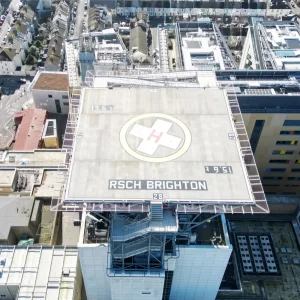
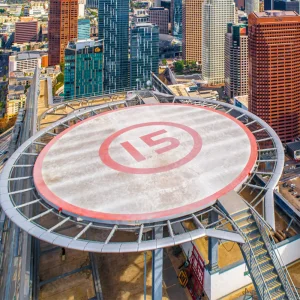
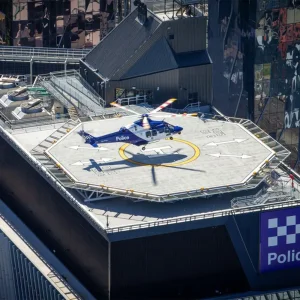
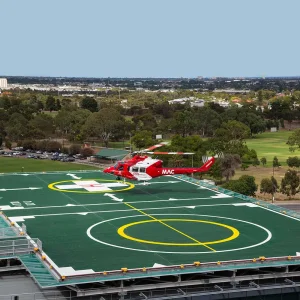
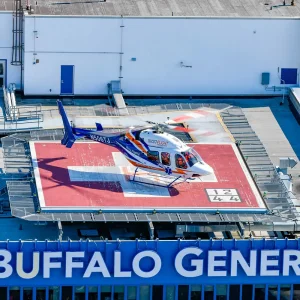
Discover additional project configurations, including rooftop platforms, automated electric folding nets, and specialized hospital helidecks.
 LvXing