CE Certification Helideck Perimeter Safety Net Factory Suppliers

Premium Structural Safety Net Systems & Heavy-Duty Helideck Aluminum Solutions Compliant with CAP 437, ICAO Annex 14, and EN Safety Standards

20,000 T
Max Extrusion Capacity
1.2 Meters
Maximum Profile Width
CE & ISO
Certified Operations
15+ Years
Precision R&D Experience
About Lvxing Intelligent Equipment

Welcome to Lvxing: Specializing in Premium Aluminum Solutions

Established in 2015 and located in Foshan City, Guangdong, LvXing Intelligent Equipment Co., Ltd. boasts a skilled R&D team with extensive experience. We leverage exceptional technical expertise to effectively transform customers' ideas into reality, consistently meeting their precise requirements.

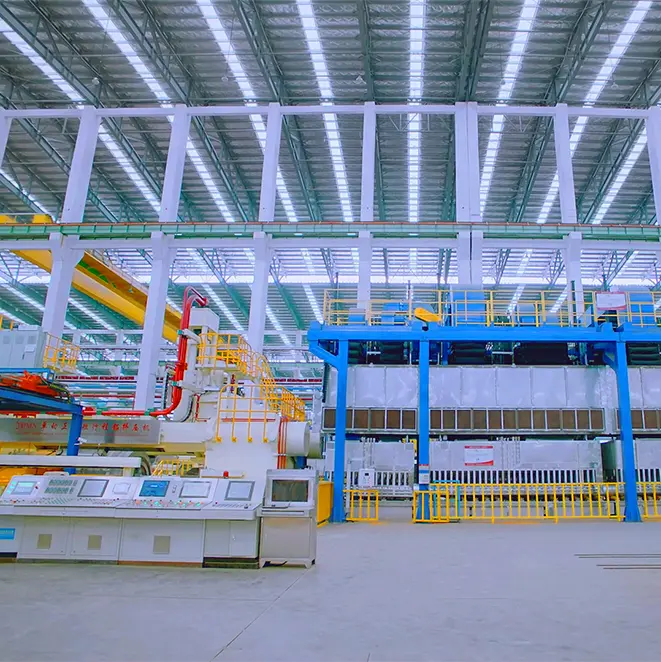
We utilize premium Fenglu aluminum, offering a diverse range of profiles for flexible applications. Our extrusion lines, ranging from 800T to 20,000T, accommodate alloys 1xxx, 2xxx, 3xxx, 5xxx, 6xxx, and 7xxx, allowing us to produce shaped products with section dimensions up to 1.2 meters in width and 28 meters in length. These products are recognized for their precision and meticulous processing, finding broad application in aerospace, military, medical, and industrial sectors.

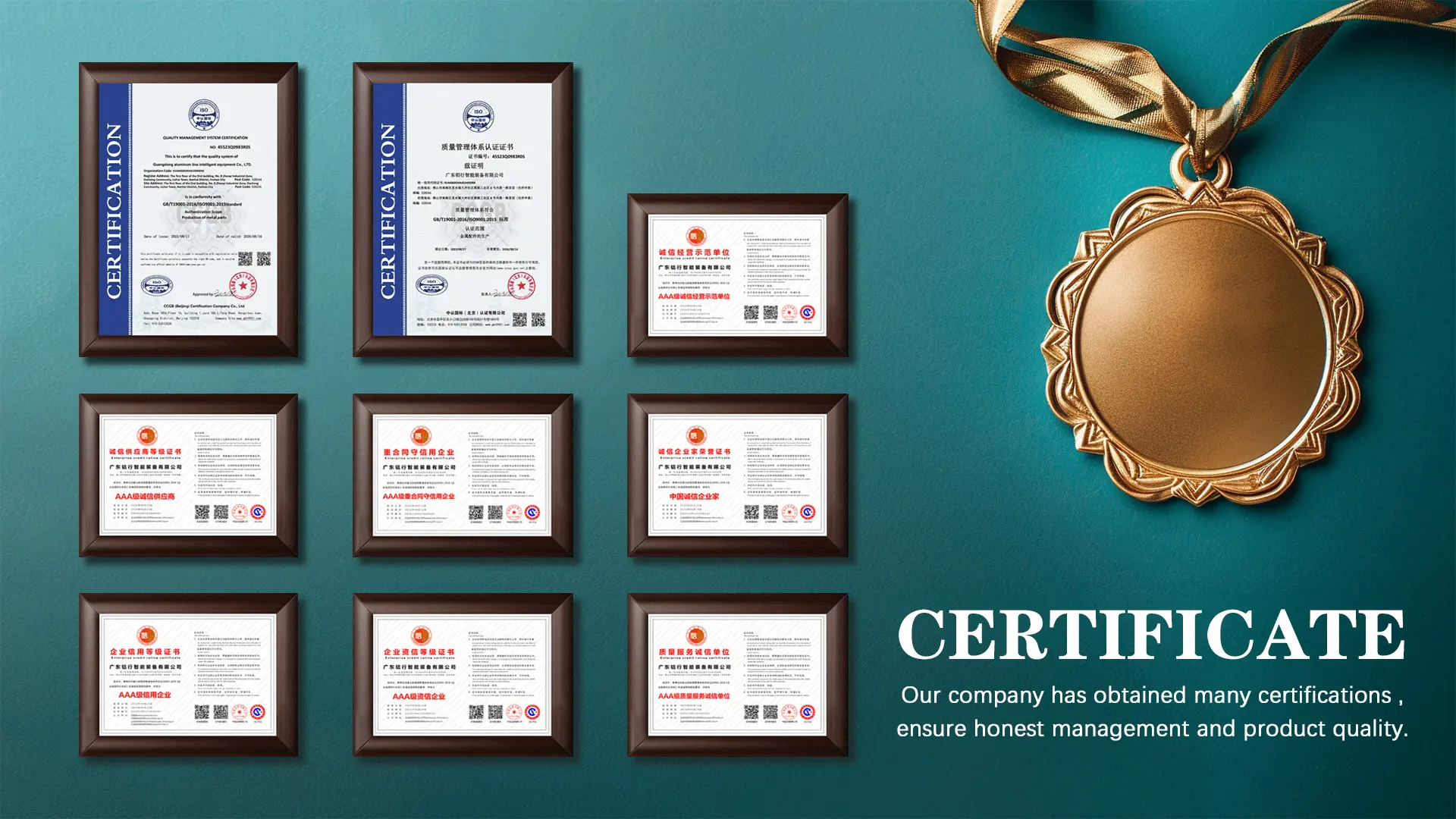
Our commitment to excellence is evident throughout the manufacturing process, rigorous quality control, thorough packaging, and efficient shipping procedures. This dedication has earned us recognition as a national excellent and honest enterprise, along with quality system certification in accordance with GB/T19001-2016/ISO9001:2015 standards.

We aspire to be your trusted business partner and warmly invite you to visit our factory.

Structural Safety & Compliance Mandates

For offshore rigs, marine vessels, and rooftop commercial helipads, a safety net is not just a secondary barrier; it is the ultimate fallback mechanism. Under standard safety frameworks such as UK CAA CAP 437, these systems must survive severe dynamic drop impacts without failure. By combining Lvxing's high-capacity aerospace-grade aluminum extrusion capabilities with certified mesh construction, we provide highly robust safety boundaries built to survive the harshest environments on Earth.

Technical Superiority

Our Competitive Edge

Lvxing blends material excellence with cutting-edge engineering. Below is the breakdown of our certified capabilities and capabilities.

Special Aluminium Materials for Aerospace
Aerospace Certificate Icon

Aerospace Grade Accreditation

We have obtained the "Special Aluminium Materials for Aerospace" Certificate, assuring all partners of our traceably secure production processes and superior metallurgical properties.

Extrusion Lines Capabilities
Heavy Machinery Icon

Heavy Duty Extrusion Plant

We provide and utilize high-quality Fenglu aluminum profiles. With extrusion lines ranging from 800T to 20,000T, we can produce alloys 1xxx, 2xxx, 3xxx, 5xxx, 6xxx, and 7xxx. We can manufacture fully shaped products with section dimensions up to 1.2 meters in width or 28 meters in length.

Team of Technicians
Engineering Team Icon

15 Years Professional R&D Team

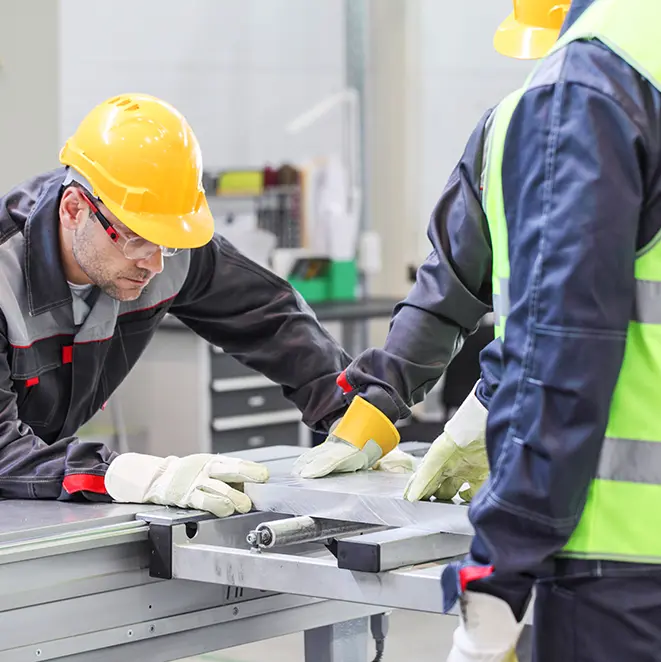
We have a team of technicians with 15 years of invaluable experience. Our deep understanding of customer requirements allows us to identify potential issues and offer practical insights, turning customer ideas into tangible products that meet specific needs.

Technical Whitepaper: Helideck Perimeter Safety Net Design and Marine Compliance

1. Regulatory Frameworks: CAP 437, ICAO Annex 14 & CE Standards

Helicopter landing decks (helidecks) on offshore platforms, floating production storage and offloading (FPSO) units, and marine vessels operate under extreme risk conditions. High winds, salt spray, vessel movement, and heavy equipment operations necessitate foolproof fall-prevention mechanisms. Worldwide aviation bodies enforce strict design guidelines to ensure pilot, crew, and structural safety during flight operations.

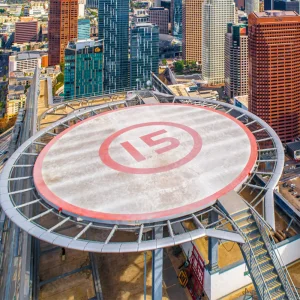
The primary governing document globally is the United Kingdom Civil Aviation Authority’s CAP 437 (Standards for Offshore Helicopter Landing Areas). In Chapter 3, CAP 437 explicitly states that safety nets must be installed around the perimeter of the helideck unless adequate structural barriers exist. The key structural parameters mandated include:

  • Structural Outward Slope: The net must extend at least 1.5 meters (approximately 5 feet) outwards from the edge of the landing area. It must be angled slightly upwards (around 10 degrees) to prevent someone who falls into the net from rolling out.
  • Energy Absorption Capacity: The net must be capable of catching a body falling from helideck height without breaking or creating a "trampoline effect" that could launch the person over the edge.
  • No Hazard to Flight Operations: The top edge of the safety net and its supporting frame must not rise above the level of the helideck landing surface itself, keeping the helicopter clear of any physical obstructions during low-altitude maneuvers.

Concurrently, the International Civil Aviation Organization (ICAO Annex 14 Volume II) outlines identical parameters for international marine operations. Crucially, in Europe and allied territories, safety hardware must carry the CE Certification, signifying compliance with European safety standards, specifically EN 1263-1 (temporary safety nets) adapted for permanent offshore applications. Lvxing Intelligent Equipment manufactures frame structures and custom netting parameters designed specifically to meet these stringent regulatory requirements.

Key Takeaway for Procurement Officers

A non-compliant helideck can result in immediate operational shutdowns or refusal of helicopter service operators to land on your installation. Specifying CE-certified safety net systems from an ISO 9001:2015 certified manufacturer like Lvxing minimizes legal liability and keeps your logistics running smoothly.

2. Material Science: Leveraging High-Strength Aluminum Extrusions in Marine Environments

Choosing the correct material for the safety net frame determines its service life and structural integrity. Historically, steel frames were used, but they suffer from rapid rust degradation and require constant maintenance and heavy structural overheads. Modern offshore designs favor high-strength aluminum alloys.

As a leading specialist utilizing premium Fenglu aluminum, Lvxing utilizes 6000 and 7000 series aluminum alloys for marine safety applications. Let's look at the metallurgical benefits of these alloys:

  • Alloy 6082-T6 & 6061-T6: Renowned for excellent corrosion resistance and structural strength, these alloys are highly suitable for marine atmospheres. They respond incredibly well to extrusion and welding processes, creating a robust, unified safety frame.
  • Alloy 7075 & Series 7xxx: These alloys are utilized in structural brackets where maximum tensile strength is required. The inclusion of zinc as the primary alloying element yields yield strengths comparable to structural steel while maintaining only a fraction of the weight.

Lvxing’s capacity to run profiles up to 1.2 meters in width on our 20,000T extrusion lines means that frame components can be manufactured as continuous, single-piece extrusions. This eliminates the structural weaknesses introduced by splicing and excessive welding, resulting in superior performance under load.

3. Dynamics of the Drop Test: Understanding Impact Response

To verify the mechanical integrity of a helideck safety net, rigorous drop testing is executed. Standard certification tests involve releasing a test mass (typically a 100 kg to 200 kg steel weight or sandbag) from a height of 1 meter directly onto the center of a safety net panel. To achieve CE compliance and CAP 437 alignment, the safety system must pass the following criteria:

  1. Zero Structural Failure: No tearing of the mesh, parting of the border cords, or structural buckling of the aluminum supporting frame.
  2. Deformational Load Shedding: The frame must elasticize or deform safely, absorbing the kinetic energy of the falling object rather than passing the peak forces directly to the helideck's primary support structure.
  3. Residual Tension: The net must not sag excessively after impact to prevent the recovered object or personnel from striking lower support beams or the hull.

Lvxing’s engineering team uses advanced computer-aided design (CAD) and finite element analysis (FEA) to simulate these dynamic loads. By adjusting profile wall thicknesses and internal rib architectures, we optimize the weight-to-strength ratio of every frame profile we manufacture.

4. Global Procurement & Supply Chain Trends

The global energy sector, maritime shipping companies, and defense agencies are increasingly centralizing their supply chains. The demand is shifting toward suppliers who can offer turn-key solutions: customized design, high-volume production capacity, strict QA certification, and reliable international logistics.

Sourcing directly from an integrated manufacturer in Foshan, China—the global hub of high-end aluminum extrusion—provides substantial procurement advantages. Buyers benefit from lower cost structures, but more importantly, from direct engineering communication. Lvxing’s 15-year R&D engineering team closes the gap between raw drawings and completed marine-grade components, ensuring tolerances down to the millimeter.

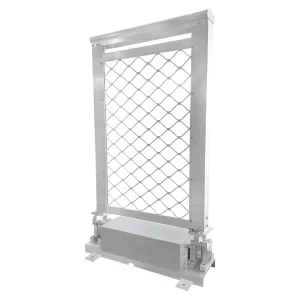
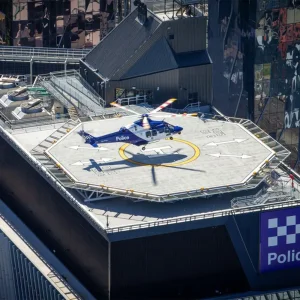
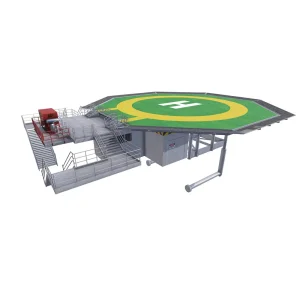
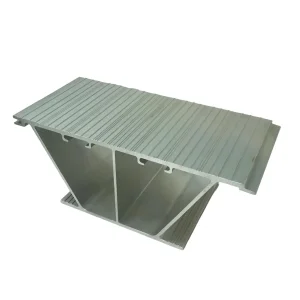
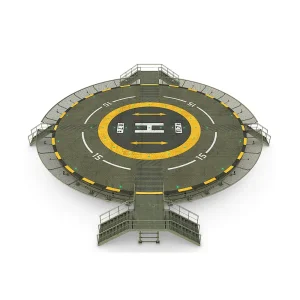
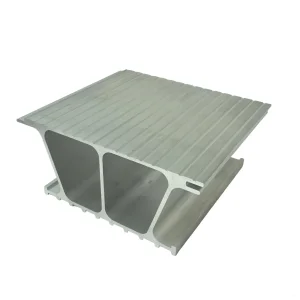
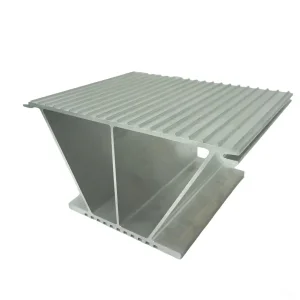
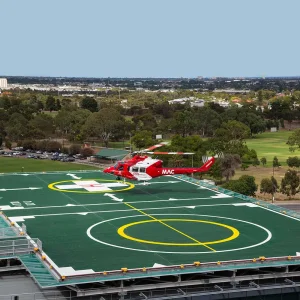
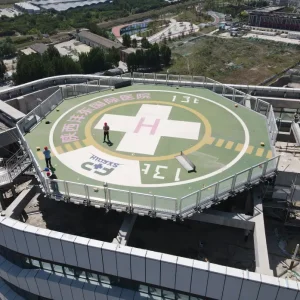
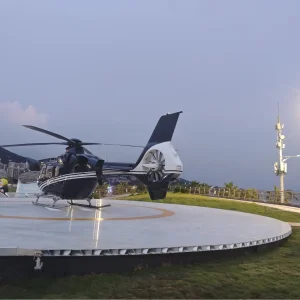
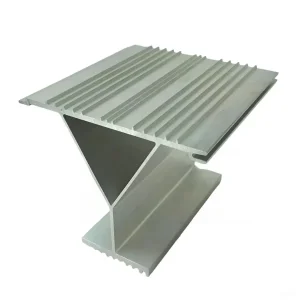
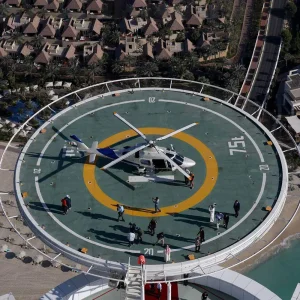
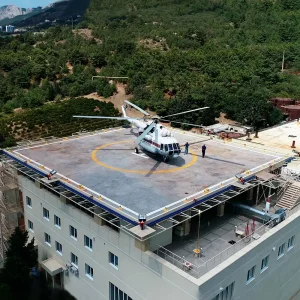
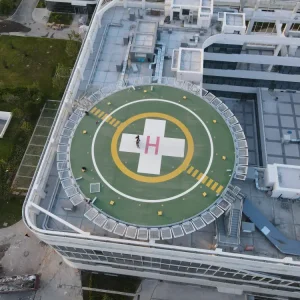
Helipad Profile and Safety Net Visual Diagram

5. Technological Roadmap & Innovations in Safety Net Engineering

Looking to the future, the design of safety nets is evolving beyond passive structural meshes into active safety modules. Several industry-leading trends are shaping Lvxing’s technology roadmap:

  • Smart Strain Monitoring: Integration of fiber-optic or piezoelectric sensors within the net border tension cables. These sensors actively monitor mechanical strain and alert offshore maintenance crews if a net has been structurally compromised due to heavy weather or wind shear.
  • Ultra-Lightweight Hybrid Profiles: Combining high-grade aluminum profiles with carbon-fiber-reinforced polymers (CFRP) to further reduce the dead load on offshore vessel superstructures.
  • Eco-Friendly High-Durability Coatings: Moving away from toxic anti-fouling paints toward advanced fluorocarbon-free hydrophobic coatings that prevent salt encrustation and ice buildup in Arctic conditions.

6. Localized Support & International Compliance Integration

For large-scale international projects, localized compliance is essential. Offshore oil rigs operating in the North Sea, the Gulf of Mexico, or the South China Sea each have slightly different maritime authority demands. Lvxing provides comprehensive compliance support packages, including:

  • Mill Test Certificates (MTC): Full material traceability for all aluminum extrusions, proving alloy content and mechanical strength characteristics.
  • Welding Certifications: Certified structural welding conforming to AWS D1.2 (Structural Welding Code - Aluminum).
  • Corrosion Resistance Documentation: Results of accelerated salt spray testing (ASTM B117) indicating expected lifespan in Class C5-M extreme marine environments.
Frequently Asked Questions

Engineering & Procurement FAQ

Get answers to the most common engineering and supply chain questions regarding helideck perimeter safety nets.

What are the exact CAP 437 dynamic testing requirements for helideck safety nets? +
CAP 437 requires that safety nets undergo regular testing to confirm they can withstand an impact energy of at least 2.3 kJ, equivalent to a 100 kg body falling from a height of 2.3 meters. Alternatively, a drop test utilizing a 200 kg weight falling from 1 meter is widely accepted as demonstrating equivalent structural safety limits.
Why is aluminum preferred over stainless steel for the supporting frames? +
High-strength aluminum alloys (like 6082-T6) offer a superior strength-to-weight ratio compared to stainless steel. This drastically reduces the structural load on the cantilevered edges of the helideck. Additionally, aluminum naturally forms a protective oxide layer that resists marine corrosion, resulting in lower long-term maintenance costs.
Does Lvxing provide customized safety net profile shapes and dimensions? +
Yes. With extrusion lines ranging from 800T up to 20,000T, Lvxing can manufacture custom-designed aluminum profiles up to 1.2 meters wide and 28 meters long. Our 15-year engineering team works directly from your CAD files or structural requirements to produce custom profiles.
How does CE certification apply to helideck perimeter safety systems? +
CE certification ensures that the safety net system has been designed, manufactured, and structurally tested in accordance with European health, safety, and environmental protection standards (such as EN 1263-1). It confirms that the manufacturing plant maintains strict quality control systems.
What is the typical lifespan of a marine-grade aluminum helideck net system? +
By utilizing high-grade Fenglu aluminum combined with corrosion-resistant mesh materials (such as 316 stainless steel cable or UV-stabilized synthetic yarn), a system can operate for over 15 to 20 years in harsh offshore environments, assuming regular inspections.