CE certified, high-grade structural components engineered specifically for offshore marine environments and high-rise commercial structures.
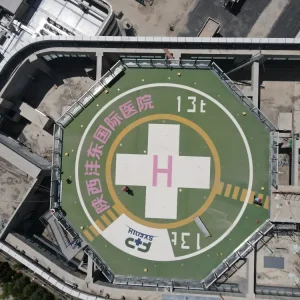
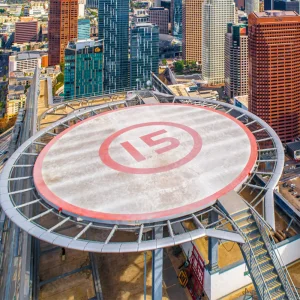
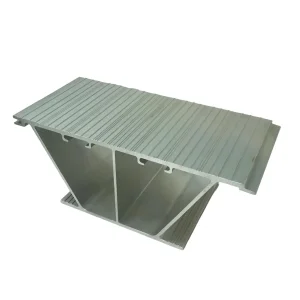
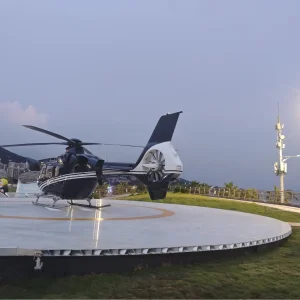
Pioneering safety parameters and precision structural aluminum profiling for aviation and marine landing zones.
Established in 2015 and located in Foshan City, Guangdong, LvXing Intelligent Equipment Co., Ltd. boasts a skilled R&D team with extensive experience. We leverage exceptional technical expertise to effectively transform customers' ideas into reality, consistently meeting their precise requirements.
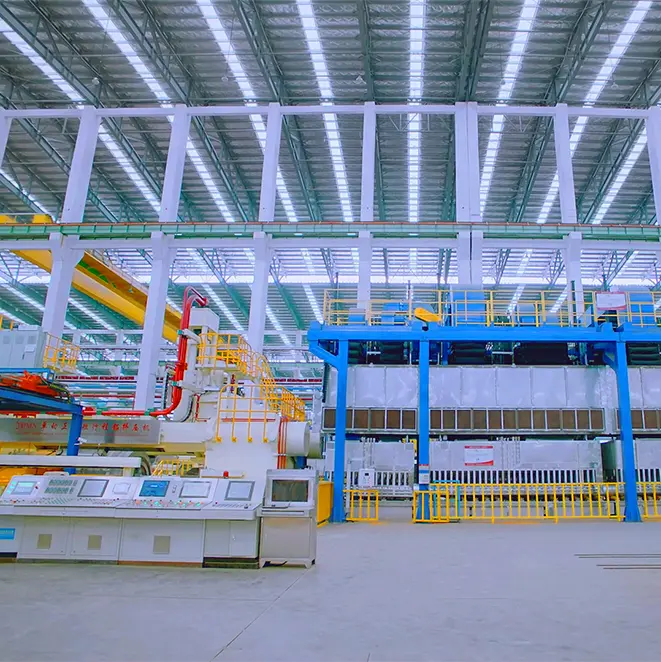
We utilize premium Fenglu aluminum, offering a diverse range of profiles for flexible applications. Our extrusion lines, ranging from 800T to 20,000T, accommodate alloys 1xxx, 2xxx, 3xxx, 5xxx, 6xxx, and 7xxx, allowing us to produce shaped products with section dimensions up to 1.2 meters in width and 28 meters in length. These products are recognized for their precision and meticulous processing, finding broad application in aerospace, military, medical, and industrial sectors.
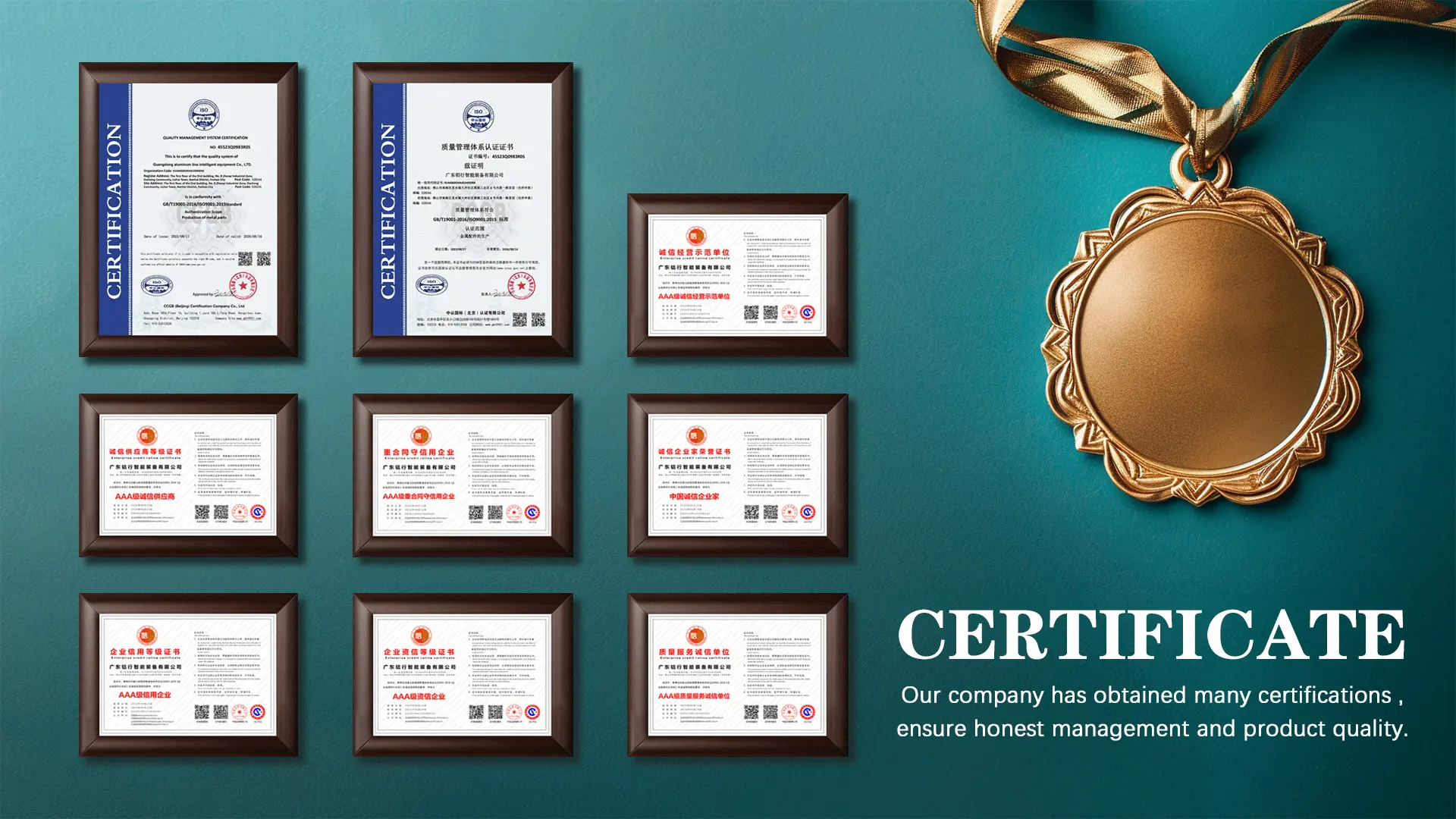
Our commitment to excellence is evident throughout the manufacturing process, rigorous quality control, thorough packaging, and efficient shipping procedures. This dedication has earned us recognition as a national excellent and honest enterprise, along with quality system certification in accordance with GB/T19001-2016/ISO9001:2015 standards.
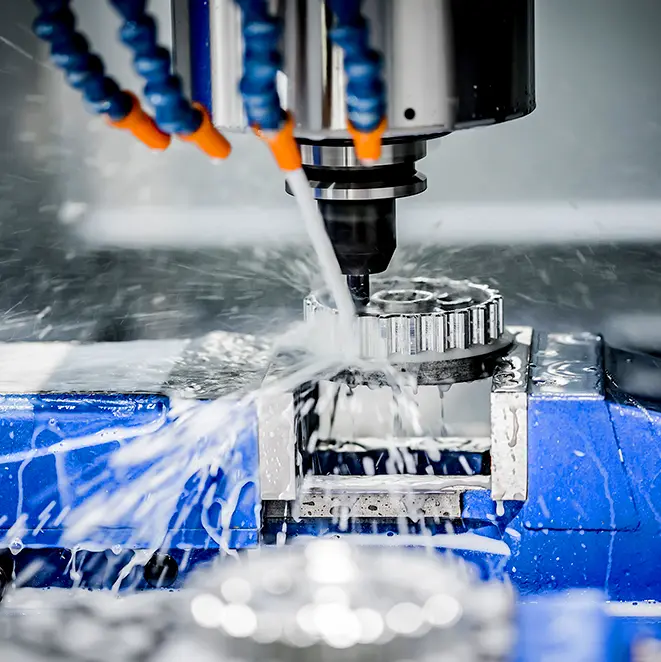
Unmatched engineering capabilities, certified material supplies, and a highly experienced technical team.

We have obtained the "Special Aluminium Materials for Aerospace" Certificate, confirming our compliance with strict aerospace-grade physical tolerances and metallurgical standards.

We provide and utilize high-quality Fenglu aluminum profiles. With extrusion lines ranging from 800T to 20,000T, we can produce alloys 1xxx, 2xxx, 3xxx, 5xxx, 6xxx, and 7xxx. We can manufacture fully shaped products with section dimensions up to 1.2 meters in width or 28 meters in length.

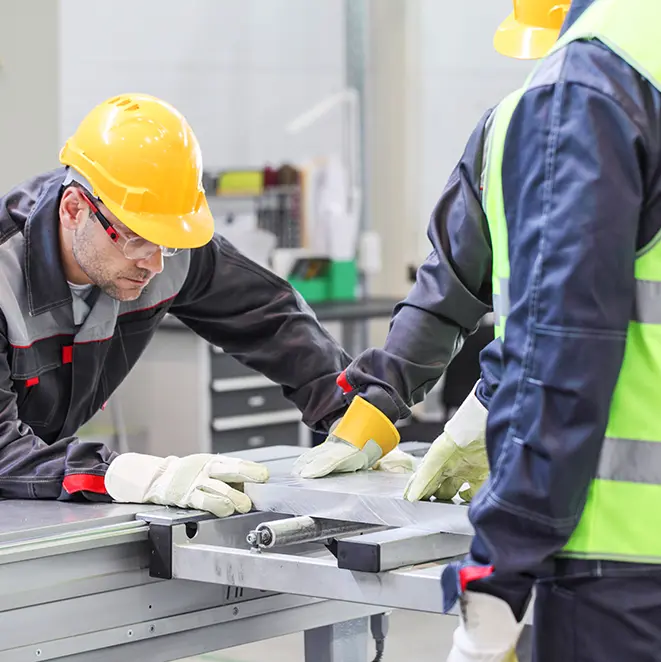
We have a team of technicians with 15 years of invaluable experience. Our deep understanding of customer requirements allows us to identify potential issues and offer practical insights, turning customer ideas into tangible products that meet specific needs.
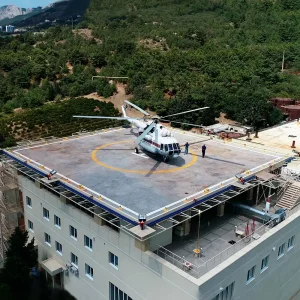
How global structural design codes and strict CE certification protocols shape modern maritime and urban helicopter landing zones.
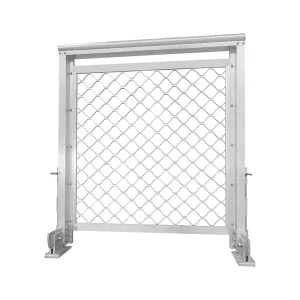
Helideck perimeter safety nets are not mere barriers. Under international frameworks such as CAP 437 (Standards for Offshore Helicopter Landing Areas) and the FAA AC 150/5390-2C, perimeter safety nets must extend at least 1.5 meters outward from the edge of the landing platform. They must project a slight upward inclination (approximately 10 degrees) to contain falling personnel or debris without presenting a rigid collision hazard to helicopters.
Offshore oil platforms and luxury yachts operate in highly saline environment zones (C5-M corrosion class). Traditional steel wire nets are prone to rapid oxidation, requiring frequent replacements. The solution lies in using marine-grade 316 stainless steel wire mesh combined with 6000-series structural aluminum alloy profiles (such as 6061-T6 or 6082-T6), which develop a natural protective oxide layer and offer high strength-to-weight ratios.
Compliance testing mandates that a safety net withstand an impact force of at least 2.3 kJ (kiloJoules), which corresponds to the weight of a 100 kg person falling from a height of 2.4 meters. The frame profile and mesh structure must deform elastically, dissipating kinetic energy safely without suffering catastrophic structural failure or snapping the anchor points.
Industrial buyers—including EPC (Engineering, Procurement, and Construction) companies, marine vessel builders, and commercial developers—must balance upfront capital expenditures (CAPEX) with long-term maintenance costs (OPEX). Procuring from certified Chinese manufacturers who possess in-house extrusion capabilities (such as LvXing's 800T to 20,000T extrusion lines) yields significant advantages:
Comparison profile and load characteristics of safety net configurations.
| Specification Parameter | LX-HP01 (Standard Profile) | LX-HP02 (Reinforced Deck Frame) | LX-HP03 (High-Load Offshore Model) |
|---|---|---|---|
| Material Base | Alloy 6063-T6 (Fenglu Aluminum) | Alloy 6061-T6 (Aerospace Grade) | Alloy 6082-T6 (High-Tensile Marine Grade) |
| Net Material Type | 304 Stainless Steel Cable Mesh | 316 Stainless Steel Cable Mesh | 316L SS Mesh / Flame-Retardant Polyester |
| Extrusion Force Capacity | 1,200T to 3,000T | 5,000T to 10,000T | 12,000T to 20,000T |
| Max. Tensile Strength | ≥ 215 MPa | ≥ 290 MPa | ≥ 310 MPa |
| Corrosion Resistance Class | C3 (Urban / Industrial) | C4 (Coastal / Marine-adjacent) | C5-M (Extreme Offshore / Marine) |
| Dynamic Impact Threshold | 1.8 kJ Energy Absorption | 2.3 kJ Energy Absorption | 3.0 kJ Energy Absorption (Ultra-Heavy) |
| Applicable Certification | ISO 9001:2015, CE Certification | CE Certification, CAA CAP 437 | CE Certification, FAA, Lloyd's Register Ready |
Integrating automation, electrical actuation, and composite structural designs into modern heliports.
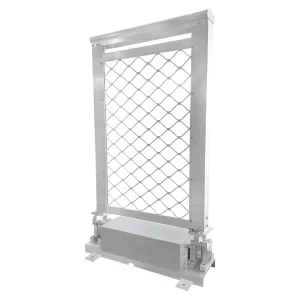
Traditional helideck safety nets are manually folded down during maintenance or when helicopter blades require specific clearance during long-term parking. However, human errors and prolonged exposure to high winds can make manual deployment hazardous. The modern trend points directly toward electrically actuated (motorized) safety net systems. By incorporating robust, explosion-proof electric motors within the aluminum hinges, operators can raise or lower the safety mesh remotely from the helideck control room. Our factory has pioneered these CE-certified smart mechanical configurations, allowing integration with the helipad's main status indicator and obstacle lighting systems.
As helicopters grow in weight capacity (e.g., civilian transports like the Sikorsky S-92 or military transport variants), landing decks experience higher vibration forces and dynamic aerodynamic downwash. Our R&D division is continuously optimizing the profile configurations by utilizing specialized 7xxx series aluminum alloys in key load-bearing brackets, coupled with lightweight carbon fiber reinforcement. This reduces total platform deadweight by an additional 15% without sacrificing tensile yield strengths, rendering it highly attractive for offshore oil rig retrofitting where top-side weight is strictly limited.
Fulfilling compliance requirements in various jurisdictions requires more than just high-quality manufacturing. It requires thorough documentation. LvXing supports engineering firms by providing:
Get professional engineering answers to common procurement, design, and regulatory questions regarding helipad safety nets.
What is the life expectancy of aluminum alloy safety net frames in coastal environments?
A: Thanks to the high-grade 6061-T6 or 6082-T6 anodized aluminum extrusion profiles and 316-grade stainless steel cables, our products typically achieve a service life of 15 to 25 years. This longevity significantly outperforms hot-dip galvanized steel alternatives, which usually show corrosion within 5 to 7 years in saline environments.
How does CE certification impact the sourcing of helipad safety nets?
A: CE certification indicates compliance with European health, safety, and environmental protection standards. It ensures that the structural design calculations, material purity, and tensile resistance have undergone certified testing. For buyers in Europe, the Middle East, and parts of Asia, CE certification is mandatory to pass structural aviation audits.
Can you manufacture custom-shaped profiles for helidecks with unique geometries?
A: Yes. Backed by our 800T to 20,000T extrusion lines and a dedicated technical team with 15 years of experience, we can manufacture profiles up to 1.2m wide and 28m long. We can create customized molds based on your AutoCAD drawings to perfectly fit round, square, or polygonal helidecks.
What is the difference between manual and electric perimeter safety nets?
A: Manual safety nets require operators to manually lock/unlock and fold down the frame panels. Electric perimeter safety nets utilize marine-grade, explosion-proof actuators to lower or raise panels remotely, enhancing operator safety and saving valuable time during flight preparation or maintenance routines.
Do you supply full testing reports for offshore drop tests?
A: Yes, we provide full structural validation documents, including finite element analysis (FEA) reports and material certificates traceable to the batch level, ensuring complete peace of mind for safety auditors.
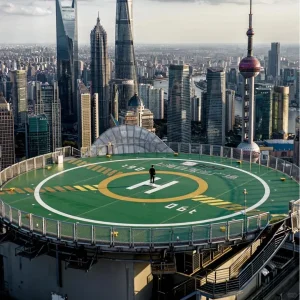
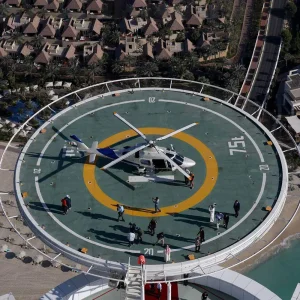
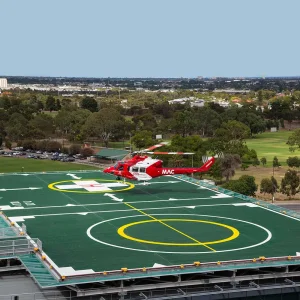
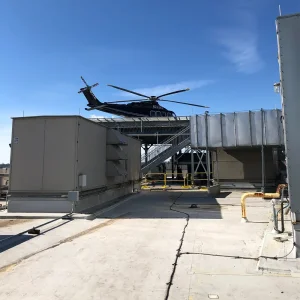
Browse through our specialized solutions tailored for skyscrapers, rescue zones, and offshore installations.
 LvXing