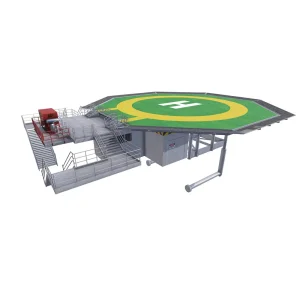
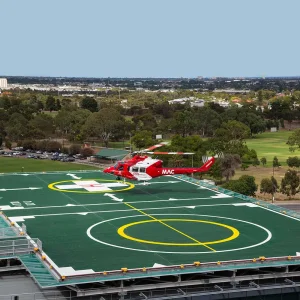
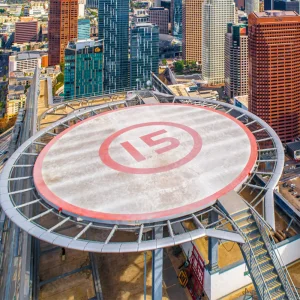
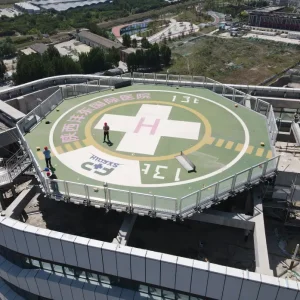
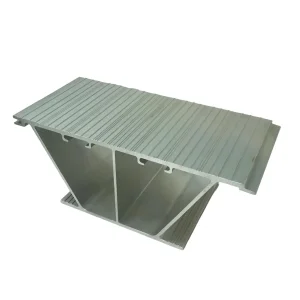
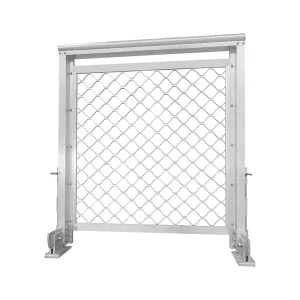
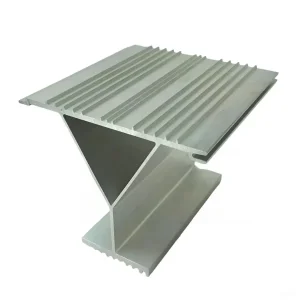
Explore our industrial range of high-performance aluminum landing decks, structural alloy profiles, and CE-certified perimeter safety nets.
Established in 2015 and located in Foshan City, Guangdong, LvXing Intelligent Equipment Co., Ltd. boasts a skilled R&D team with extensive experience. We leverage exceptional technical expertise to effectively transform customers' ideas into reality, consistently meeting their precise requirements.
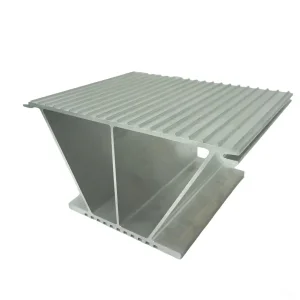
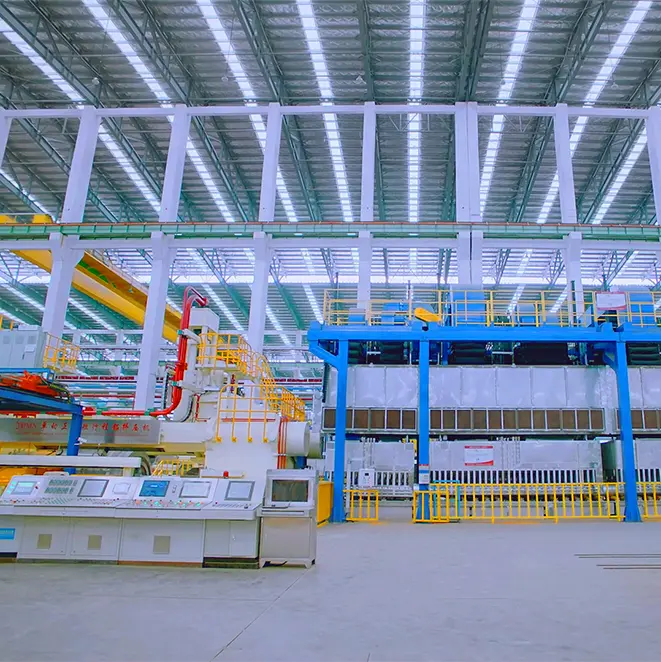
We utilize premium Fenglu aluminum, offering a diverse range of profiles for flexible applications. Our extrusion lines, ranging from 800T to 20,000T, accommodate alloys 1xxx, 2xxx, 3xxx, 5xxx, 6xxx, and 7xxx, allowing us to produce shaped products with section dimensions up to 1.2 meters in width and 28 meters in length. These products are recognized for their precision and meticulous processing, finding broad application in aerospace, military, medical, and industrial sectors.
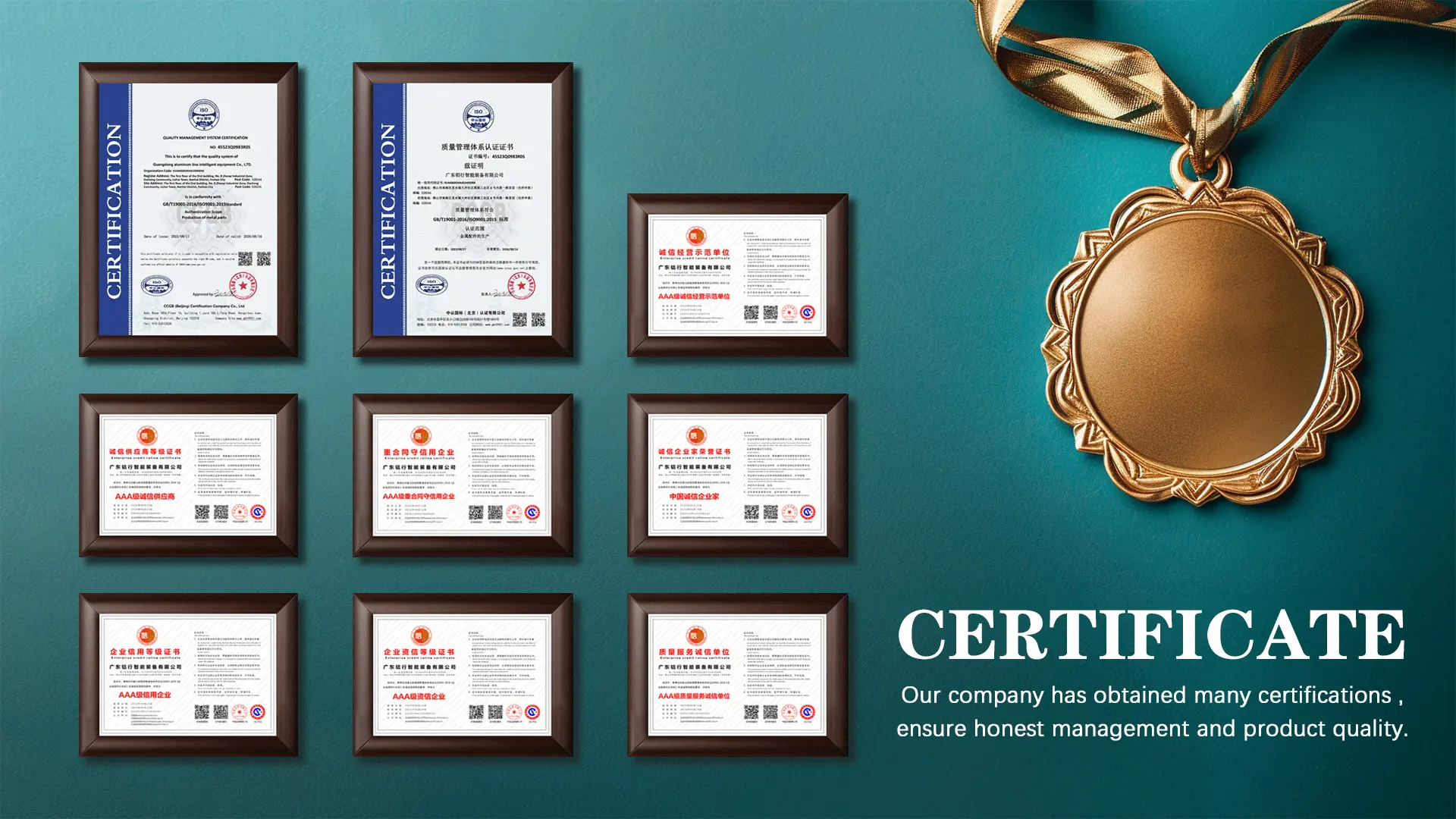
Our commitment to excellence is evident throughout the manufacturing process, rigorous quality control, thorough packaging, and efficient shipping procedures. This dedication has earned us recognition as a national excellent and honest enterprise, along with quality system certification in accordance with GB/T19001-2016/ISO9001:2015 standards.
Pioneering technology and precision engineering to deliver compliant, high-load-bearing structural helideck safety systems.

We have obtained the “Special Aluminium Materials for Aerospace” Certificate, verifying the compliance of our structural alloys under critical stress conditions.

We provide and utilize high-quality Fenglu aluminum profiles. With extrusion lines ranging from 800T to 20,000T, we can produce alloys 1xxx, 2xxx, 3xxx, 5xxx, 6xxx, and 7xxx. We can manufacture fully shaped products with section dimensions up to 1.2 meters in width or 28 meters in length.

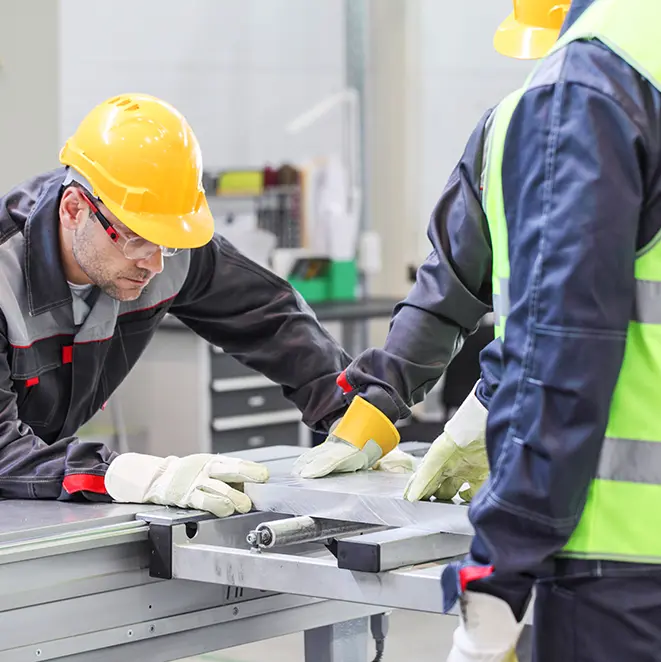
We have a team of technicians with 15 years of invaluable experience. Our deep understanding of customer requirements allows us to identify potential issues and offer practical insights, turning customer ideas into tangible products that meet specific needs.
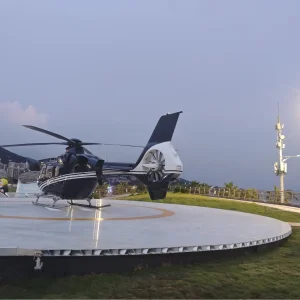
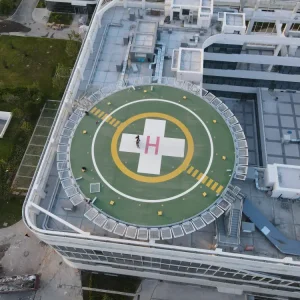
Elevated rooftop helipads on skyscrapers and offshore platforms are exposed to some of the most hostile environmental conditions on Earth. Dynamic wind shears, extreme vortex shedding around structural corners, temperature fluctuations, and highly corrosive marine atmospheres require a specialized engineering approach to fall protection. Our CE-certified high-rise heliport perimeter safety nets are not merely accessory barriers; they are highly engineered passive safety systems designed to prevent loss of life while ensuring zero aerodynamic interference with landing aircraft.
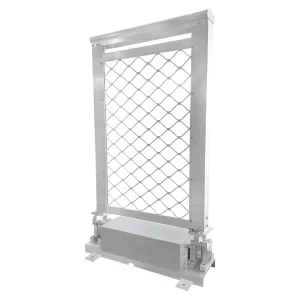
As a leading developer of structural aluminum systems, LvXing utilizes high-tensile 6000-series aluminum alloys paired with premium 316-grade stainless steel cable netting. The framing is engineered to withstand severe lateral impact forces as dictated by international standards such as Civil Aviation Authority (CAA) CAP 437, Federal Aviation Administration (FAA) AC 150/5390-2C, and European Standard EN 1263-1. Our manufacturing process guarantees optimal energy dissipation upon impact, preventing the "trampoline effect" that could deflect falling personnel or objects back into dangerous landing zones.
Traditional safety nets often rely on heavy, corrosion-prone structural steel frames or flexible synthetic fibers that rapidly degrade under UV exposure. LvXing's high-rise heliport safety nets utilize a patented, lightweight modular aluminum structure. By leveraging the specific tensile properties of 6082-T6 and 6061-T6 alloys, we reduce the dead load on high-rise roof perimeters by up to 60% compared to carbon steel installations, while ensuring maintenance-free performance for over 25 years.
To qualify for CE marking, our safety mesh systems undergo rigorous dynamic load testing. A perimeter net must act as a reliable catcher system. According to international helideck guidelines, the net must be able to withstand an impact energy of at least 2.3 kilojoules (kJ) without failure. In our test facilities, this is verified by dropping a 100 kg test mass from a height of 2.3 meters onto the safety net. The structural framework, supporting brackets, and mesh cables must deform plastically to absorb the kinetic energy, halting the fall within safe deceleration parameters.
The engineering landscape of urban air mobility (UAM) and vertiports is changing rapidly with the advent of electric vertical takeoff and landing (eVTOL) aircraft. LvXing is at the forefront of this evolution, actively designing the next generation of heliport safety systems. Our R&D roadmap focuses on three core technological pillars:
We are piloting safety nets embedded with fiber-optic strain sensors. These sensors monitor continuous stress levels, wind-load fatigue, and identify structural anomalies. In the event of a physical impact or degradation, the system instantly alerts building maintenance teams via IoT protocols.
By utilizing computational fluid dynamics (CFD) modeling, our next-generation aluminum frames are shaped with customized cross-sections to reduce aerodynamic drag. This minimizes turbulence directly above the safety net, creating a safer landing corridor for lightweight eVTOL aircraft.
For architectural configurations where fixed horizontal safety nets are restricted by municipal codes, we offer automated, motorized folding safety nets. These systems deploy within 15 seconds upon receiving helicopter transponder signals (ADS-B), ensuring full code compliance without permanently altering the building silhouette.
Tailored structural integration strategies for diverse municipal, industrial, and maritime installations.
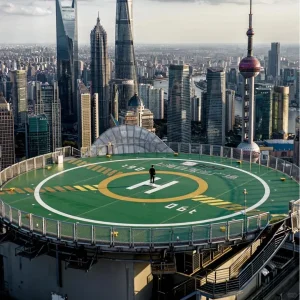
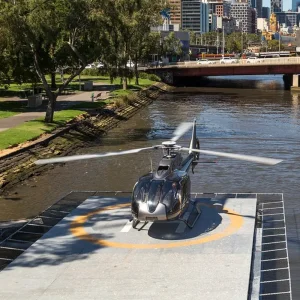
In dense metropolitan centers, rooftop helipads serve as critical emergency evacuation hubs and VIP transit points. The challenge of high-altitude turbulence is compounded by local microclimatic thermal drafts. Our safety net systems are engineered with open-mesh geometries that provide zero air blockage, eliminating wind-deflection currents that can destabilize helicopters during critical hover states. Furthermore, our lightweight aluminum profiles reduce localized structural stress at the building envelope, avoiding costly reinforcing beams inside the building's top floors.
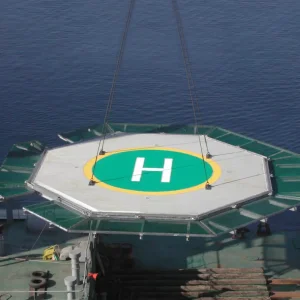
Offshore oil rigs and naval vessels operate in Class C5-M highly corrosive marine environments. Standard steel safety structures degrade rapidly due to chloride-induced pitting. By utilizing marine-grade anodized aluminum (6082-T6) combined with Grade 316 stainless steel mesh, LvXing provides safety nets with superior longevity, requiring minimal inspection cycles. Our customized mounting brackets are designed to accommodate vertical vessel motion and high-energy wave impacts.
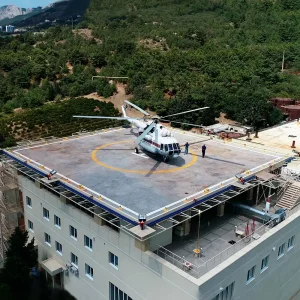
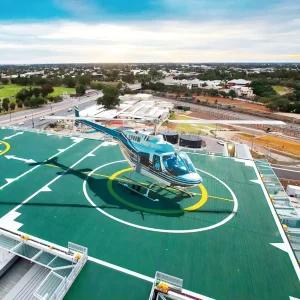
Hospital helipads require maximum safety reliability with no downtime. In medical emergencies, fast response times leave zero room for mechanical safety checks. Our static aluminum safety nets are permanently tensioned and maintenance-free. They are engineered to exceed all regional healthcare facility safety codes, providing immediate fall protection for flight medical crews working near the edge of elevated platforms.
Leveraging deep industrial integration to provide cost-effective, high-precision structural products globally.
Direct sourcing of premium raw aluminum billets. Vertical control of alloy chemical compositions allows us to guarantee structural consistency before extrusion.
Our processing facility utilizes advanced extrusion lines from 800T up to 20,000T, enabling the production of single-piece structural components up to 1.2 meters wide.
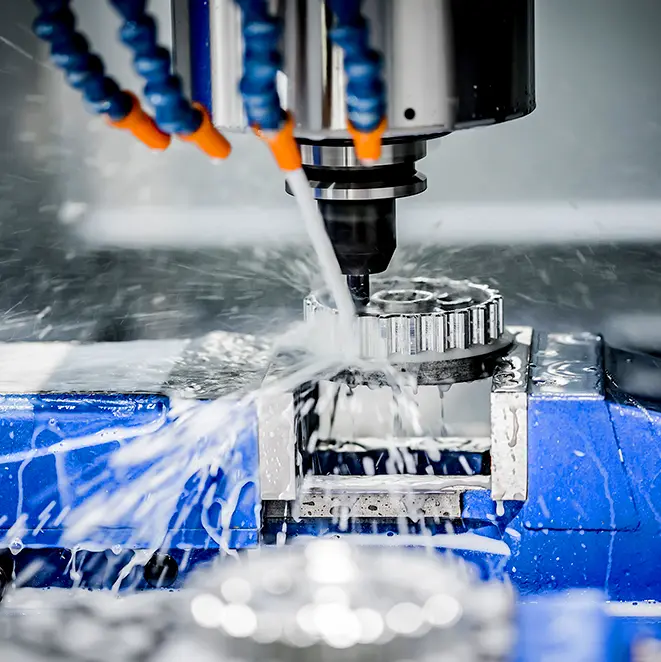
Multi-axis automated CNC profile milling centers drill, slot, and shape safety net frames with tolerances under ±0.5 mm, ensuring perfect field assembly.
Every production batch is tested for tensile strength, hardness, and coating thickness. Mill Test Reports (MTR) are provided for full structural compliance tracing.
Operating out of Foshan, Guangdong—the global epicenter of high-end aluminum extrusion—LvXing benefits from an unmatched regional supply ecosystem. We offer optimized logistics routes via Guangzhou and Shenzhen ports, delivering complete structural assemblies in specialized ocean containers designed to prevent transit-induced scratching or deformation.
How we satisfy the rigorous technical, legal, and compliance criteria of international engineering and construction firms.
When specifying heliport safety nets, international procurement managers must navigate strict regulatory and performance matrices. To simplify this process, LvXing provides full engineering support documentation at every stage of the project:
Clear, engineering-focused answers regarding design, compliance, and material science.
Review our comprehensive product line, including perimeter safety meshes, mechanical systems, and aluminum helideck profiles.
 LvXing