Explore our aerospace-grade custom profiles, premium sliding mechanisms, and engineered safety systems developed for architectural and heavy industrial applications.
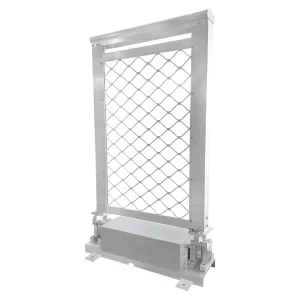
Architectural envelope designs increasingly demand high-strength structural profiles that optimize space, facilitate effortless sliding mechanics, and seamlessly integrate secondary protection layers such as heavy-duty insect or anti-theft screens. The manufacturing of Aluminum Sliding Window Tracks with Mosquito Nets involves strict geometric tolerance controls and surface finishing techniques.
For industrial and high-density residential structures, standard off-the-shelf window extrusions often fail under wind-load strain and cyclic degradation. By leveraging high-pressure extrusion capabilities (varying from 800-ton lines up to 20,000-ton setups), structural engineers can employ superior alloys like Alloy 6063-T5/T6 and Alloy 6061-T6. These alloys offer the mechanical tensile strength needed to resist deformation while maintaining the narrow sightlines demanded by contemporary minimal design.
The integration of mosquito nets within sliding tracks presents a unique engineering challenge: accommodating double or triple rail lines (glass pane track, screen track, and security mesh track) without introducing acoustic bridges, dust accumulation wells, or high sliding resistance. Precision-milled track geometries, combined with electro-statically applied coatings or hard anodization, ensure that stainless steel wire meshes and nylon screen frames slide without binding, maintaining complete sealing integrity against pests.
Utilizing 6063-T6 or 6005-T5 architectural grades to provide ultimate structural strength, bending resistance, and precise anodizing quality.
CNC-machined multi-layer track runs with integrated slope drainages, dust barriers, and low-friction polymer guide surfaces.
Compatible with SS304 security mesh, micro-weave fiberglass insect screen, and high-visibility synthetic mesh systems.
China stands as the global epicentre of high-quality aluminum extrusion manufacturing, with Foshan City (Guangdong province) representing the world's most concentrated architectural profile ecosystem. This concentration provides B2B buyers with unprecedented strategic advantages:
B2B buyers, contractors, and real estate developers procuring architectural window track systems from China must ensure alignment with localized building regulations. High-performance aluminum profiles must carry certifications showing resistance against mechanical wear, wind load, and corrosive environments:
In the European Union and North America, structural components must align with CE Markings, EN 12020-2 (for structural tolerances on alloy extrusions), and AAMA 2604/2605 (specifying weathering performance for coatings). In coastal areas like Florida or Queensland, profiles must endure intense UV radiation and marine spray; this requires specialized Qualicoat Class 2 or Class 3 powder coatings and a high micron anodization layer (typically > 20μm) to prevent filiform corrosion and peeling.
Aluminum sliding window tracks with integrated mosquito screens are implemented across various commercial and residential settings:
The architectural hardware industry is undergoing a transition driven by energy efficiency and minimalist visual styles. One notable trend is the rising demand for Thermal Break Aluminum Profiles. By inserting a low-conductivity polyamide barrier (such as PA66-GF25) between the interior and exterior aluminum profiles, manufacturers dramatically lower U-values, meeting green building certifications like LEED or BREEAM.
Simultaneously, "invisible" minimal frame designs are shifting structural loads directly onto the sliding tracks. The track is no longer just a guide; it serves as a primary load-bearing element. Consequently, manufacturing processes must ensure perfect flatness and precise dimensional tolerances to prevent track deflection and maintain smooth, quiet operation over decades of use.
Established in 2015 and located in Foshan City, Guangdong, LvXing Intelligent Equipment Co., Ltd. boasts a skilled R&D team with extensive experience. We leverage exceptional technical expertise to effectively transform customers' ideas into reality, consistently meeting their precise requirements.
We utilize premium Fenglu aluminum, offering a diverse range of profiles for flexible applications. Our extrusion lines, ranging from 800T to 20,000T, accommodate alloys 1xxx, 2xxx, 3xxx, 5xxx, 6xxx, and 7xxx, allowing us to produce shaped products with section dimensions up to 1.2 meters in width and 28 meters in length. These products are recognized for their precision and meticulous processing, finding broad application in aerospace, military, medical, and industrial sectors.
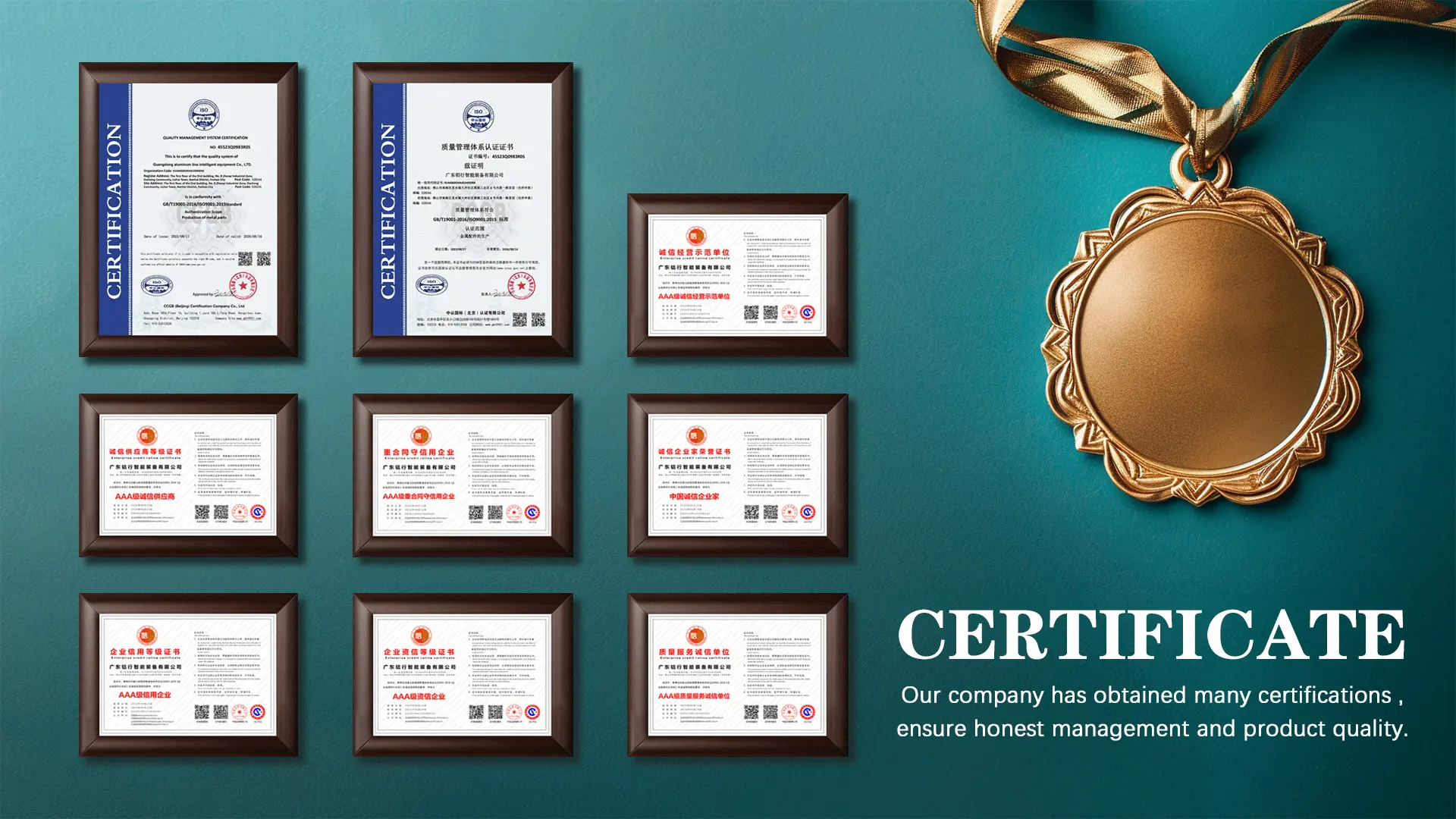
Our commitment to excellence is evident throughout the manufacturing process, rigorous quality control, thorough packaging, and efficient shipping procedures. This dedication has earned us recognition as a national excellent and honest enterprise, along with quality system certification in accordance with GB/T19001-2016/ISO9001:2015 standards.
We aspire to be your trusted business partner and warmly invite you to visit our factory.
Why global enterprises trust Lvxing for critical structural and architectural aluminum integrations.
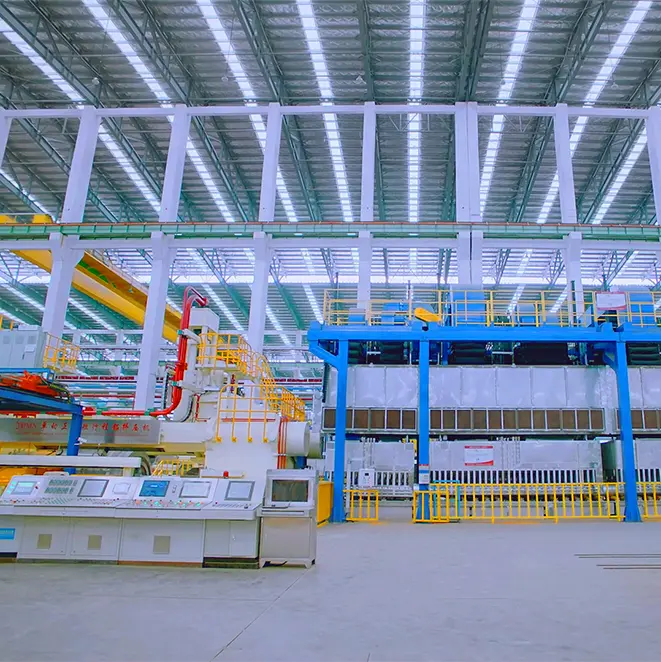

We have obtained the “Special Aluminium Materials for Aerospace” Certificate.
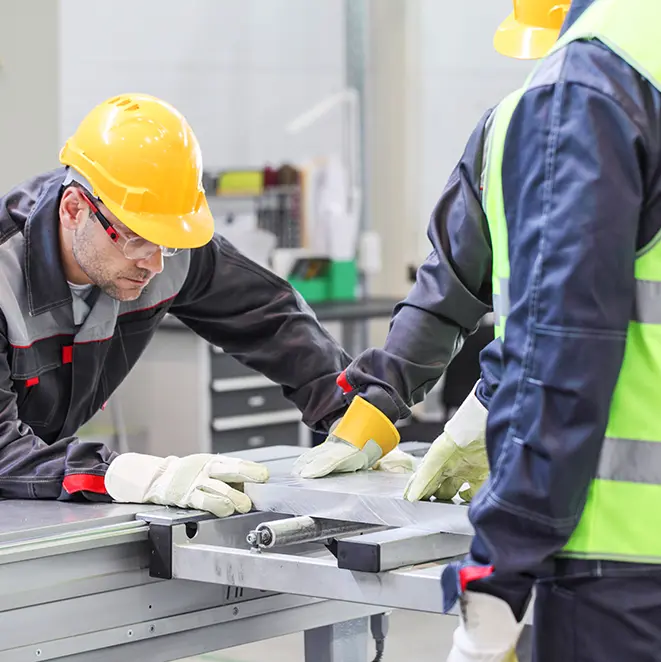

We provide and utilize high-quality Fenglu aluminum profiles. With extrusion lines ranging from 800T to 20,000T, we can produce alloys 1xxx, 2xxx, 3xxx, 5xxx, 6xxx, and 7xxx. We can manufacture fully shaped products with section dimensions up to 1.2 meters in width or 28 meters in length.
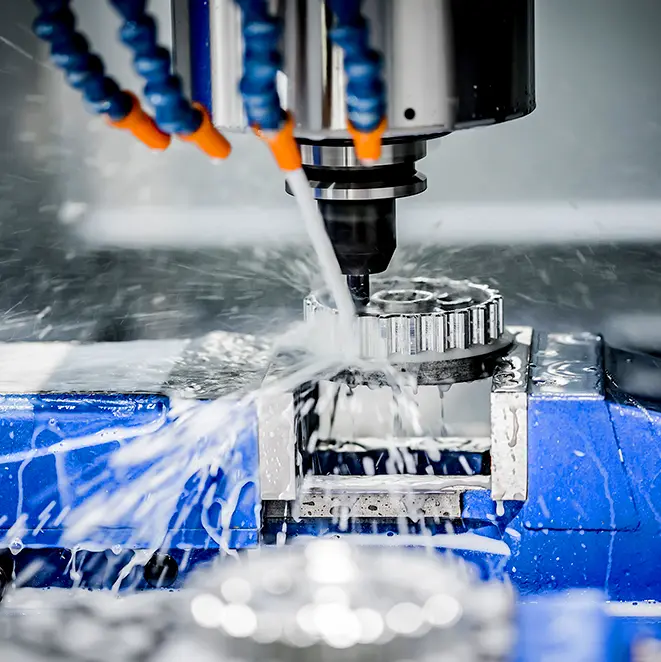

We have a team of technicians with 15 years of invaluable experience. Our deep understanding of customer requirements allows us to identify potential issues and offer practical insights, turning customer ideas into tangible products that meet specific needs.
Professional-grade answers concerning aluminum track engineering, material grades, flyscreen integration, and manufacturing logistics.
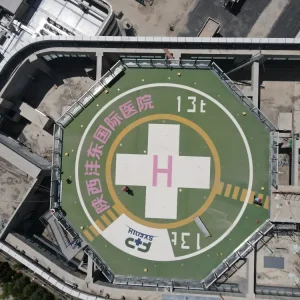
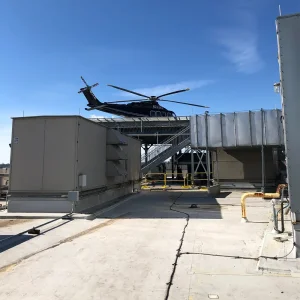
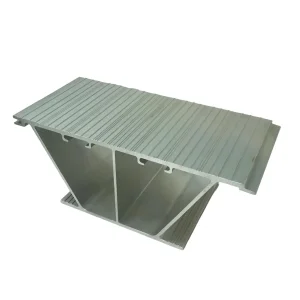
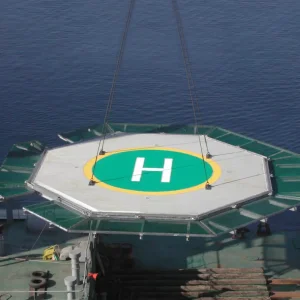
Explore our specialized heavy-industry structural profiles, helideck decking structures, and perimeter safety networks.
 LvXing