Established in 2015 and strategically located in Foshan City, Guangdong, LvXing Intelligent Equipment Co., Ltd. boasts a highly skilled R&D engineering team with extensive structural design and aerospace safety experience. We leverage exceptional technical expertise to effectively transform customer concept drawings and engineering criteria into high-performance, realities—consistently meeting and exceeding precise safety requirements for marine and terrestrial aviation assets.
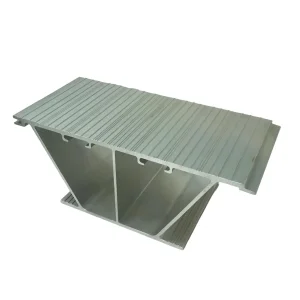
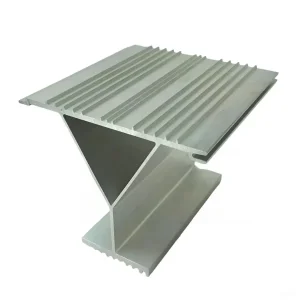
We utilize premium Fenglu aluminum, offering a diverse range of customized extruded profiles engineered for flexible, load-bearing applications. Our heavy-duty extrusion lines, ranging from 800T to 20,000T, process specialized alloys including 1xxx, 2xxx, 3xxx, 5xxx, 6xxx, and 7xxx series. This allows us to produce shaped products with section dimensions up to 1.2 meters in width and 28 meters in length. These structural elements are globally recognized for dimensional precision and meticulous CNC processing, finding broad application in the aerospace, military, marine, medical, and specialized industrial sectors.
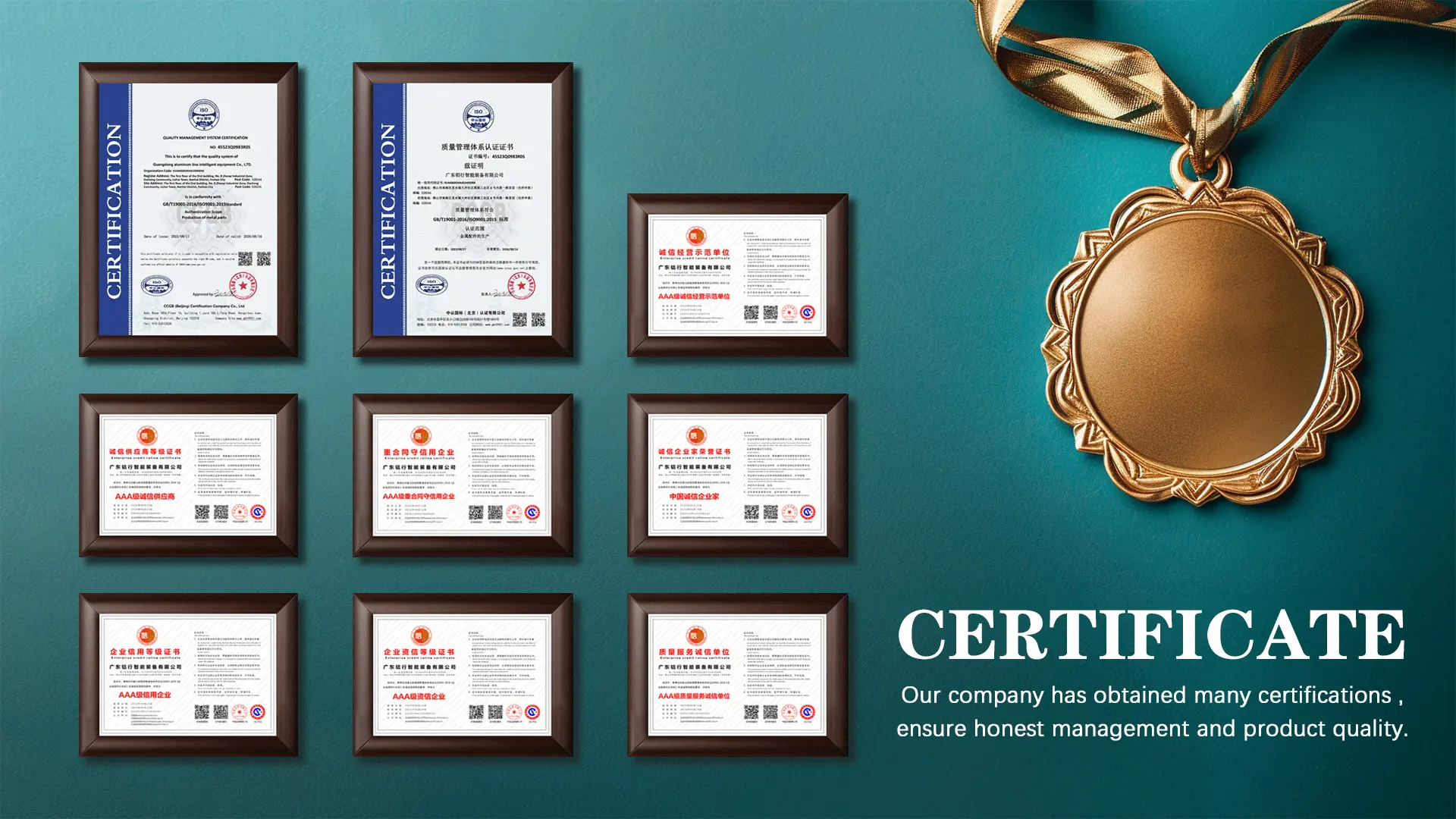
Our commitment to uncompromising excellence is demonstrated throughout our manufacturing lifecycle, rigorous quality control protocols, specialized packaging systems, and efficient global shipping procedures. This dedication has earned us recognition as a national excellent and honest enterprise, coupled with quality system certifications in accordance with GB/T19001-2016 and ISO9001:2015 standards.
Maximum Extrusion Capacity
R&D Team Technical Expertise
ISO9001:2015 Standard Compliance
Maximum Profile Extrusion Length
A comprehensive analysis of design methodologies, compliance protocols, and technical advancements in helicopter deck landing structures.
Historically, maritime helicopter landing decks relied heavily on traditional steel structures and wire meshes. However, the modern marine and offshore energy sectors are experiencing a major paradigm shift toward lightweight aluminum solutions. Using structural marine-grade aluminum alloys drastically reduces the top-side weight of offshore vessels, oil rigs, and high-rise hospital rooftops. This weight reduction directly translates to increased vessel stability, lower structural load burdens, and reduced carbon footprints during operation. In addition, the natural oxide film of aluminum offers superior corrosion resistance in high-salinity marine environments, eliminating the high maintenance and re-galvanization costs associated with traditional steel perimeter nets.
For global engineering, procurement, and construction (EPC) contractors, compliance is the baseline of offshore aviation safety. Helicopter deck safety nets (perimeter nets) must strictly comply with regional and global civil aviation authority mandates. The most notable standard is CAP 437 (Standards for Offshore Helicopter Landing Areas), developed by the UK Civil Aviation Authority, along with equivalent standards from the Federal Aviation Administration (FAA) and International Civil Aviation Organization (ICAO) Annex 14.
Procurement teams require safety nets that can withstand rigorous drop tests (such as a 100kg body dropped from a height of 1 meter) without failure. Additionally, the netting material must resist extreme environmental exposure, including UV radiation, hydrocarbon sprays, and wind shear. Our manufacturing processes ensure that all perimeter nets feature certified tensile strength and elastic recovery, preventing the net from acting as a "trampoline" and instead absorbing energy to safely catch personnel or equipment.
| Performance Characteristic | Technical Specification / Standard Requirement | Lvxing Solution Compliance |
|---|---|---|
| Compliance Framework | CAP 437 / ICAO Annex 14 / DNV-GL | Fully Compliant & Certifiable |
| Alloy Grade Range | Marine Grade 5xxx & 6xxx Series (6082-T6 / 6061-T6) | Premium Fenglu Aluminum Alloys |
| Extrusion Section Width | Standard Structural Constraints | Up to 1.2 Meters Section Width |
| Tensile Strength | Min 290 MPa (for critical load structures) | Exceeds ASTM & GB specifications |
| Perimeter Net Tension | Absorptive catch, no trampoline effect | Tested stainless steel / aluminum mesh systems |
As offshore platforms integrate higher degrees of automation, helideck perimeter safety systems are following suit. The technological roadmap focuses on intelligent, retractable safety nets (electric or hydraulic systems) that can be remotely deployed or folded away when not in use. This capability is critical for vessels that host dual-purpose deck spaces, where landing platforms interface with cranes, offshore wind turbines, or military operations. LvXing is actively engineering integrated extrusion channels that allow motorized actuators to smoothly fold safety net frames, reducing manual labor and exposure to hazardous deck edges.
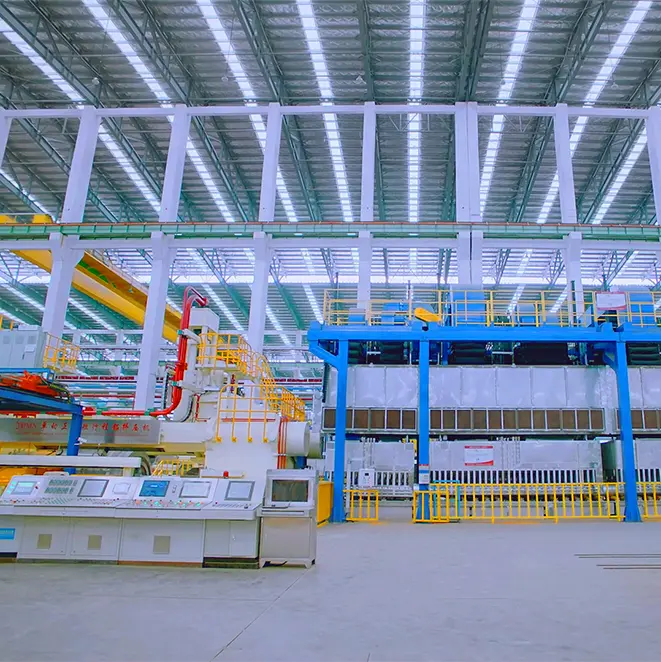

We have successfully obtained the highly demanding "Special Aluminium Materials for Aerospace" Certificate, confirming our technical capability to meet high-stress military and civilian aviation applications.
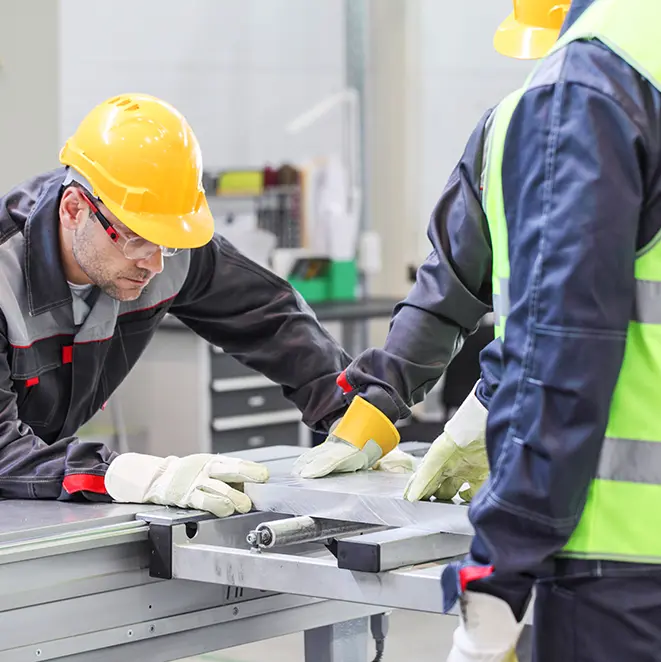

We leverage high-grade Fenglu profiles. With extrusion press lines ranging from 800T up to 20,000T, we process 1xxx to 7xxx alloys, fabricating continuous structural shapes up to 1.2m wide or 28m long.
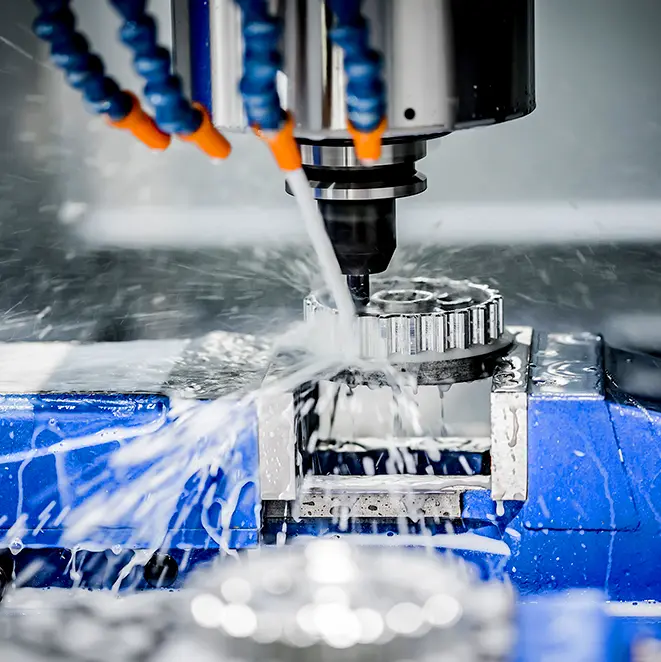

Our engineering division features technicians with 15+ years of hands-on structural experience. We anticipate safety design challenges, providing optimized structural feedback for bespoke helipad configurations.
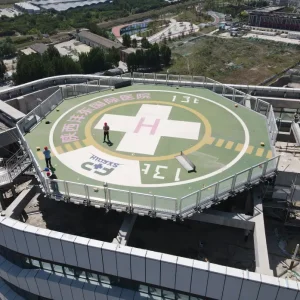
Custom-engineered configurations built to operate reliably under extreme weather, marine environments, and high-load hospital landing scenarios.
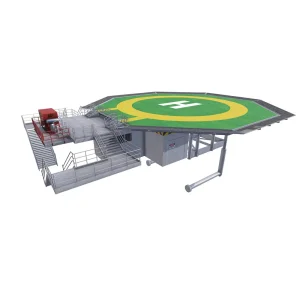
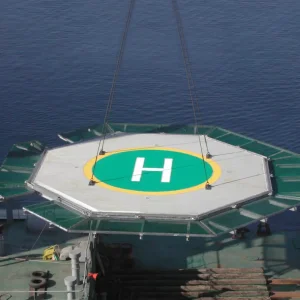
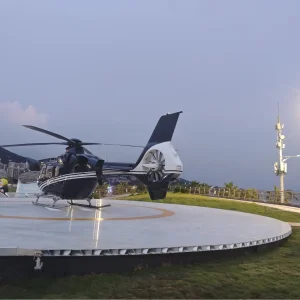
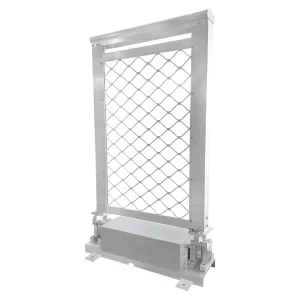
Offshore drillships, FPSOs, and wind-turbine service vessels operate in dynamic sea states with high pitch and roll. In these conditions, helideck safety nets are critical. The perimeter frames are set at an outward angle to catch crew members or equipment during sudden movements without obstructing flight paths.
Our structural aluminum profiles are engineered with corrosion-resistant 5xxx and 6xxx series alloys, treated with marine-grade anodizing or specialized coatings. This provides long-term resistance to salt spray and chemical cleaners, ensuring structural integrity and longevity.
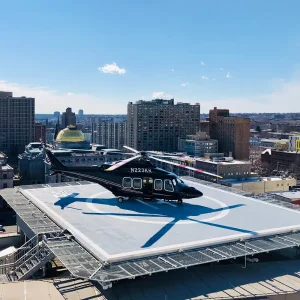
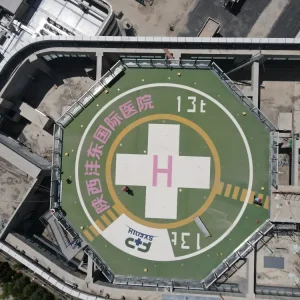
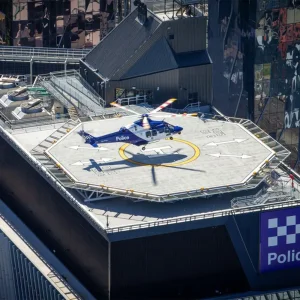
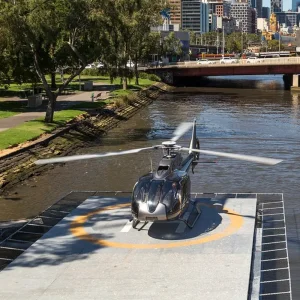
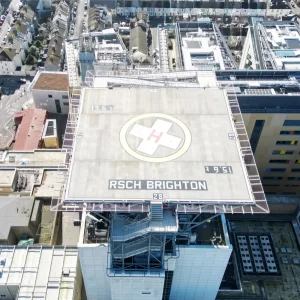
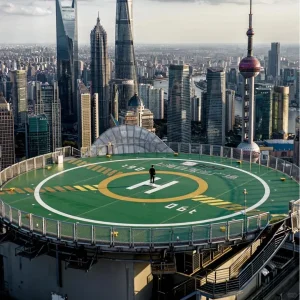
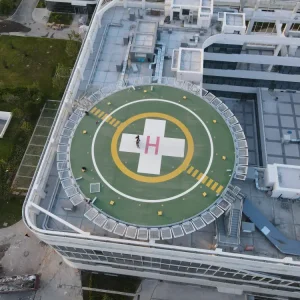
Urban rooftop helipads present unique architectural challenges. Structural engineers must work with strict weight limits on existing buildings while ensuring wind load safety. Our custom helipad aluminum profiles provide high strength-to-weight ratios, distributing landing forces efficiently across the building's support columns.
Additionally, rooftop installations require fire-resistant, low-maintenance safety nets that blend with the building's architecture while complying with strict local building codes and emergency response protocols.
Technical guidance and answers to key design and procurement questions for helipad safety networks.
The primary international standard is CAP 437 (Standards for Offshore Helicopter Landing Areas), published by the UK Civil Aviation Authority. It requires perimeter safety nets to extend at least 1.5 meters outward from the landing area, incline upward at approximately 10 degrees, and withstand a dynamic impact load of 100 kg dropped from 1 meter. Other applicable standards include FAA AC 150/5390-2C and ICAO Annex 14 Volume II.
Aluminum alloys (specifically marine-grade 6xxx series like 6082-T6) offer a high strength-to-weight ratio, reducing top-side weight on marine vessels and roof loads on buildings. Additionally, aluminum's natural oxide layer provides excellent corrosion resistance in marine environments, significantly reducing maintenance and replacement costs compared to coated steel.
Yes. With extrusion line capacities ranging from 800T to 20,000T, we can extrude customized profiles with cross-sectional widths up to 1.2 meters and continuous lengths up to 28 meters. Our engineering team has over 15 years of experience translating customized CAD drawings into precise aluminum components.
Our operations comply with the GB/T19001-2016 and ISO9001:2015 Quality Management Systems. We have also obtained the "Special Aluminium Materials for Aerospace" Certificate. All products undergo strict testing, from raw material inspection using Fenglu aluminum to final dimension verification before shipping.
 LvXing