Explore our custom safety nets, perimeter grids, and structurally robust aluminum profiles designed to meet international safety and aerospace specifications.
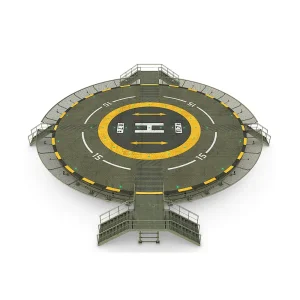
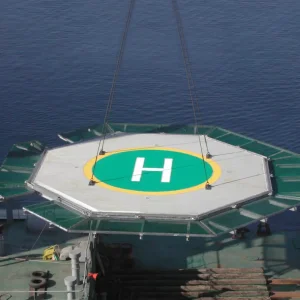
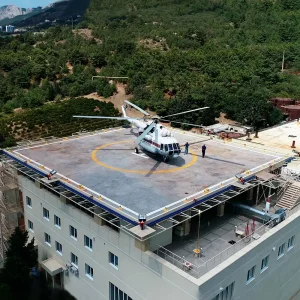
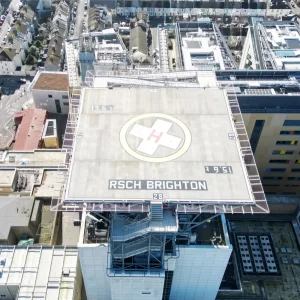
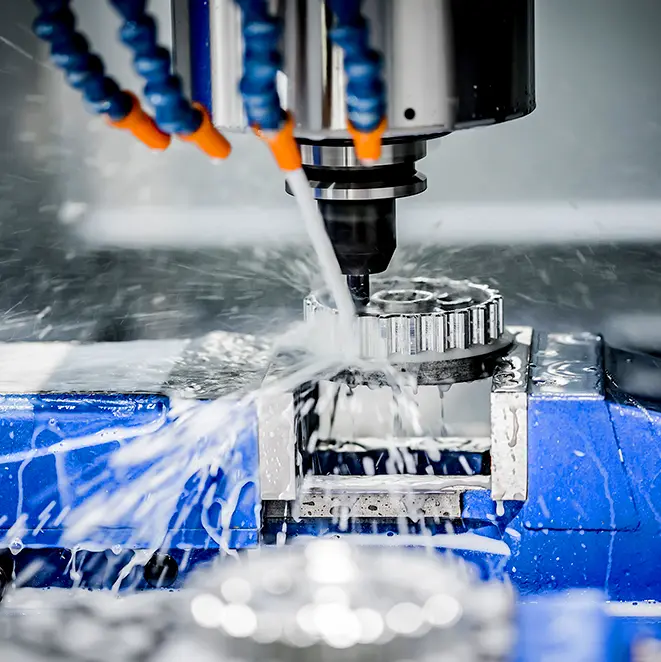
Established in 2015 and located in Foshan City, Guangdong, LvXing Intelligent Equipment Co., Ltd. boasts a skilled R&D team with extensive experience. We leverage exceptional technical expertise to effectively transform customers' ideas into reality, consistently meeting their precise requirements.
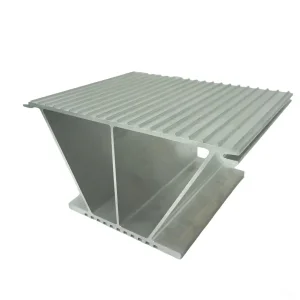
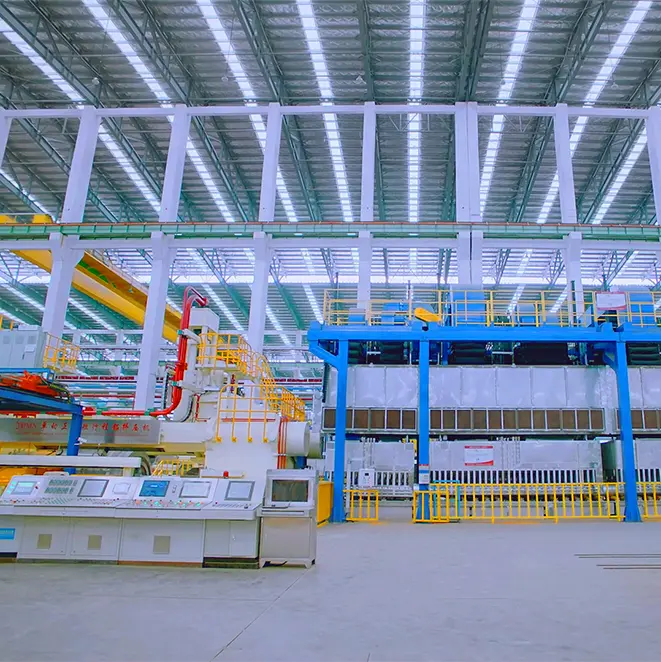
We utilize premium Fenglu aluminum, offering a diverse range of profiles for flexible applications. Our extrusion lines, ranging from 800T to 20,000T, accommodate alloys 1xxx, 2xxx, 3xxx, 5xxx, 6xxx, and 7xxx, allowing us to produce shaped products with section dimensions up to 1.2 meters in width and 28 meters in length. These products are recognized for their precision and meticulous processing, finding broad application in aerospace, military, medical, and industrial sectors.
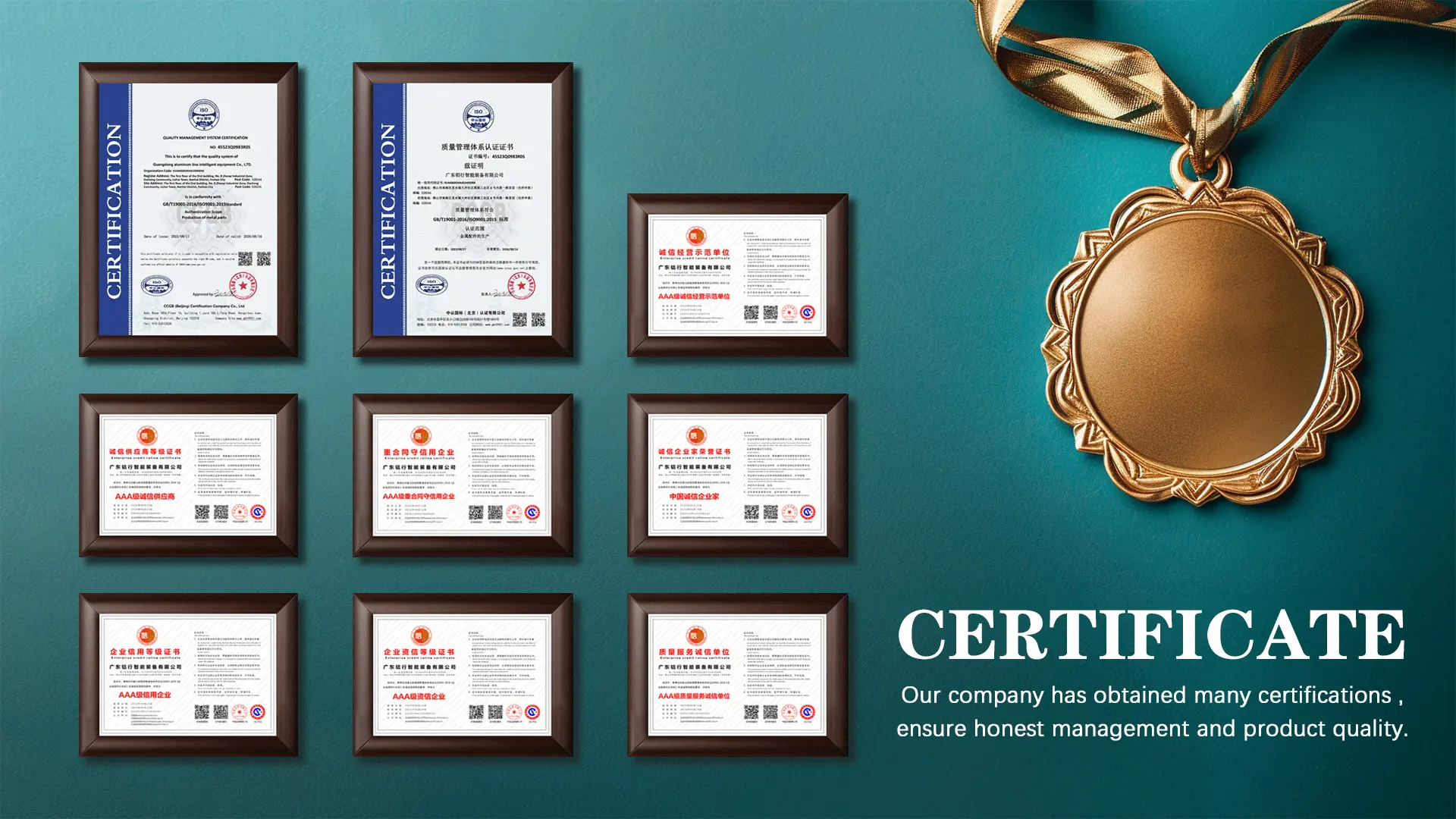
Our commitment to excellence is evident throughout the manufacturing process, rigorous quality control, thorough packaging, and efficient shipping procedures. This dedication has earned us recognition as a national excellent and honest enterprise, along with quality system certification in accordance with GB/T19001-2016/ISO9001:2015 standards.
We aspire to be your trusted business partner and warmly invite you to visit our factory.
An in-depth analysis of why structural aluminum has replaced traditional carbon steel in perimeter protection, helicopter landing zones, and heavy architectural frameworks.
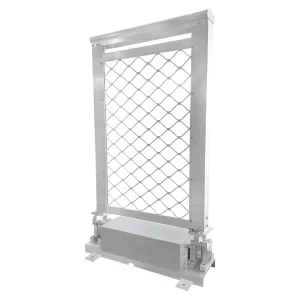
The Customized Aluminum Meige Net (sometimes referred to as the expanded safety mesh or grid net) engineered by LvXing uses high-grade 6000 and 5000 series aluminum alloys sourced from Fenglu. By using structural heat-treatment procedures (T5/T6 tempering), our nets achieve tensile strengths that rival mild steel while retaining only 1/3 of the weight. This weight reduction is critical for rooftop medical helipads, oil platforms, and ship decks, where minimizing structural load directly impacts building longevity and vessel stability.
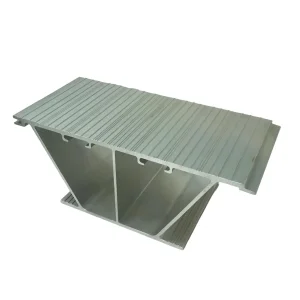
Unlike standard mesh weaving, industrial Meige Net systems require custom frame integration. Leveraging our state-of-the-art extrusion lineup (from 800T up to 20,000T capacity), we produce single-section structures measuring up to 1.2m in width and 28m in length. This massive dimensions window eliminates weak weld joints, vastly improves structural stress distribution, and drastically lowers labor costs during structural installation on site.
Under marine or high-humidity environments, carbon steel grids suffer from swift oxidation, leading to catastrophic failure. Our aerospace-grade anodizing and PVDF coating options form an impermeable surface barrier against chlorine, salt spray, and UV degradation. This corrosion immunity translates to an operational lifespan exceeding 25 years with virtually zero maintenance costs, which is why offshore operators mandate aluminum safety nets for helidecks.
For helicopter landing pads and ship decks, the safety net is not just a barrier—it is a life-saving structure. Under CAP 437 (Standards for Offshore Helicopter Landing Areas) and CE safety directives, our safety nets are engineered to absorb the kinetic energy of a falling object (or person) without showing permanent deformation, distributing dynamic loads uniformly to the load-bearing profiles.
Proven statistics behind our manufacturing dominance and quality control parameters in Foshan City.
What makes LvXing Intelligent Equipment Co., Ltd the preferred partner for complex global engineering projects.
We have obtained the "Special Aluminium Materials for Aerospace" Certificate, certifying our materials under the most stringent structural loads.

We provide and utilize high-quality Fenglu aluminum profiles. With extrusion lines ranging from 800T to 20,000T, we can produce alloys 1xxx, 2xxx, 3xxx, 5xxx, 6xxx, and 7xxx up to 1.2m in width or 28m in length.

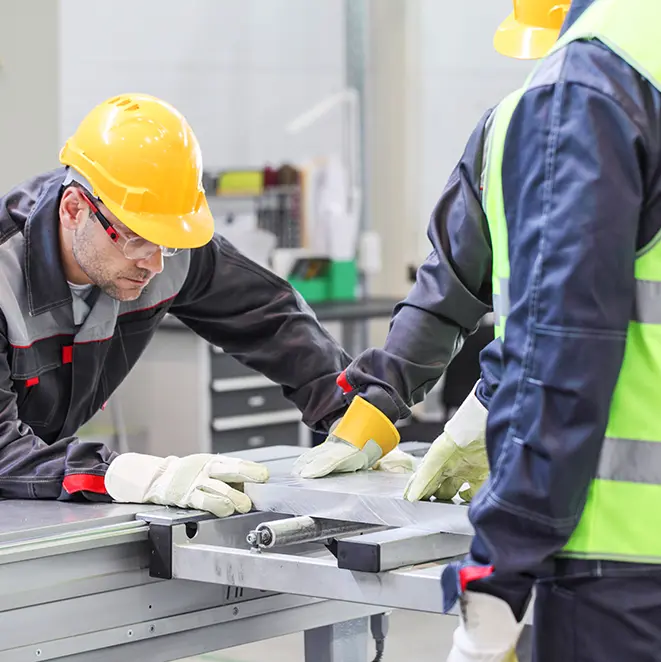
We have a team of technicians with 15 years of invaluable experience. Our deep understanding of customer requirements allows us to identify potential issues and offer practical insights, turning ideas into finished products.

From architectural masterpieces to high-risk marine operations, customized aluminum Meige nets provide vital structural integrity.
Deploying perimeter safety nets that endure relentless wave impact, heavy salt mist, and dynamic forces. Essential for naval ships, offshore drilling rigs, and superyachts operating in hostile marine zones.
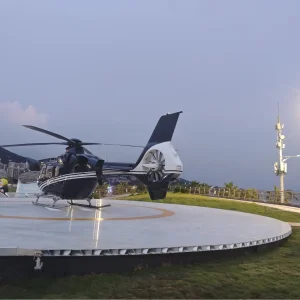
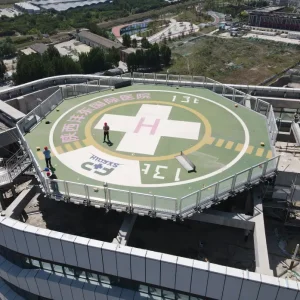
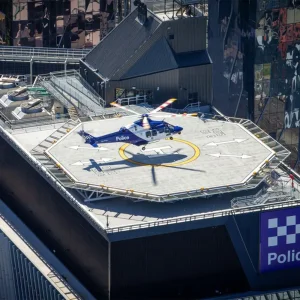
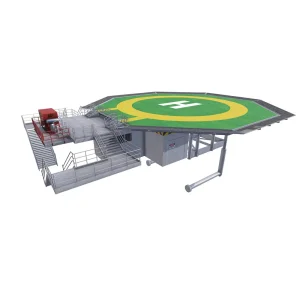
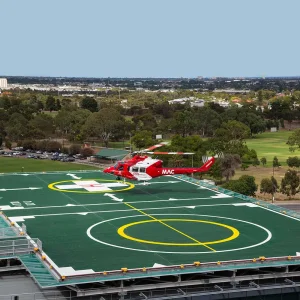
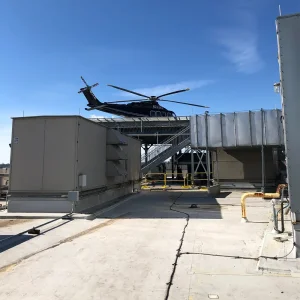
Facilitating emergency medical services (EMS) with lightweight, structurally optimized helipads that distribute helicopter load to older building structural columns without compromising roof sealing.
Utilized as heavy-duty anti-climb screens, architectural facades, and rockfall barrier nets. Ideal for industrial complexes, transportation hubs, and military staging zones requiring non-corrosive security screening.
Our strategic plan for continuous innovation in structural aluminum engineering and smart safety net systems.
LvXing is actively piloting fiber-optic structural monitoring systems embedded directly into the perimeter frames of our Meige Nets. This permits real-time tension monitoring and structural health alerts during heli-deck landings, enhancing passive safety into active, data-driven security.
In accordance with global decarbonization trends, our foundry is transitioning to post-consumer recycled aluminum alloys. By using clean energy to power our extrusion lines, we help our partners gain LEED and green building certifications globally.
Through alloying micro-innovations (incorporating magnesium and silicon additions), we are testing next-generation profiles with a 15% increase in shear strength, allowing for even thinner and lighter frame profiles without sacrificing structural stability.
We are rolling out robotic welding and framing lines that allow for absolute uniformity across large-scale panels, ensuring that every square meter of Meige net matches the theoretical CAD model down to fractions of a millimeter.
Answers to common structural questions regarding customized aluminum Meige nets and helideck profiles.
The Aluminum Meige Net is an expanded, high-strength structural metal grid system, designed specifically for safety barrier and structural enclosure applications. Engineered from premium aluminum alloys, it provides robust tensile strength while maintaining a highly open area. This makes it ideal for wind dispersion, weight minimization, and structural visibility on offshore vessels, high-rise building facades, and industrial helipads.
Steel grids suffer from rapid oxidation when exposed to salt mist and moisture, leading to frequent replacement cycles and structural hazards. In contrast, LvXing’s marine-grade aluminum alloy naturally forms an oxide layer that resists corrosion. Additionally, aluminum is roughly 65% lighter than steel, which drastically lowers the center of gravity of vessels, enhancing ship stability and reducing fuel consumption.
Our manufacturing processes are fully certified under ISO9001:2015 and GB/T19001-2016 quality systems. Furthermore, we possess the prestigious "Special Aluminium Materials for Aerospace" Certificate, certifying our products can handle the rigorous mechanical loads required in aeronautical and defense applications.
Yes. With extrusion line capacities extending from 800T up to 20,000T, we can extrude sections measuring up to 1.2 meters in width and 28 meters in length. Our 15-year experienced design and engineering team works closely with client blue-prints to customize alloy types, dimensions, and finishing coatings to meet exact structural requirements.
Our safety nets are engineered using structural simulation software to model extreme load scenarios. The perimeter frame and net tension are optimized to absorb impact force (such as a falling person or cargo) and dissipate energy evenly across the supporting aluminum profile frame, fully satisfying international aviation guidelines.
We offer an array of finishing technologies, including heavy anodizing (up to 25 microns for marine applications), electrostatic powder coatings, and PVDF coatings. These treatments protect the core alloy from mechanical wear and extreme weather, allowing for customizable colors to match safety identifiers (such as signal green or bright red).
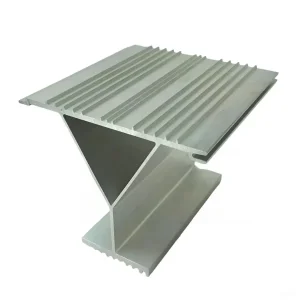
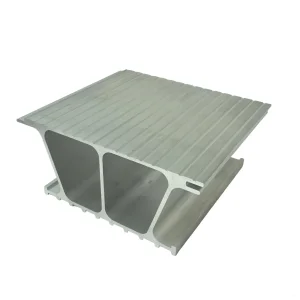
Discover our comprehensive collection of certified landing decks, profiles, and marine-ready safety nets.
 LvXing