Explore our premium range of CE certified and high-strength aluminum helicopter landing systems custom-manufactured to global structural standards.
Established in 2015 and strategically nestled in Foshan City, Guangdong, LvXing Intelligent Equipment Co., Ltd. stands as a benchmark of engineering capability in premium aluminum structural development. Supported by a highly qualified and agile R&D team, we transition conceptual designs into reality, maintaining rigorous safety compliance for complex helipad configurations globally.
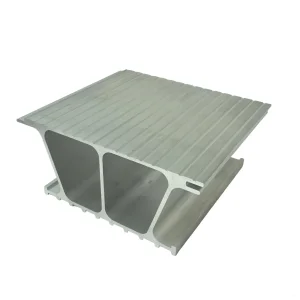
We leverage world-class material feeds, utilizing premium Fenglu aluminum, offering a comprehensive and flexible range of profiles. Utilizing state-of-the-art extrusion press lines ranging from 800T to 20,000T, Lvxing processes high-strength alloys across the 1xxx, 2xxx, 3xxx, 5xxx, 6xxx, and 7xxx series. Our industrial capabilities facilitate the fabrication of complex components up to 1.2 meters in width and 28 meters in length.
This technical range enables us to serve critical global applications in the aerospace, military, marine, emergency medical, and structural construction fields. Operating in compliance with GB/T19001-2016/ISO9001:2015 standards, we guarantee safety, durability, and structural compliance in every delivery.
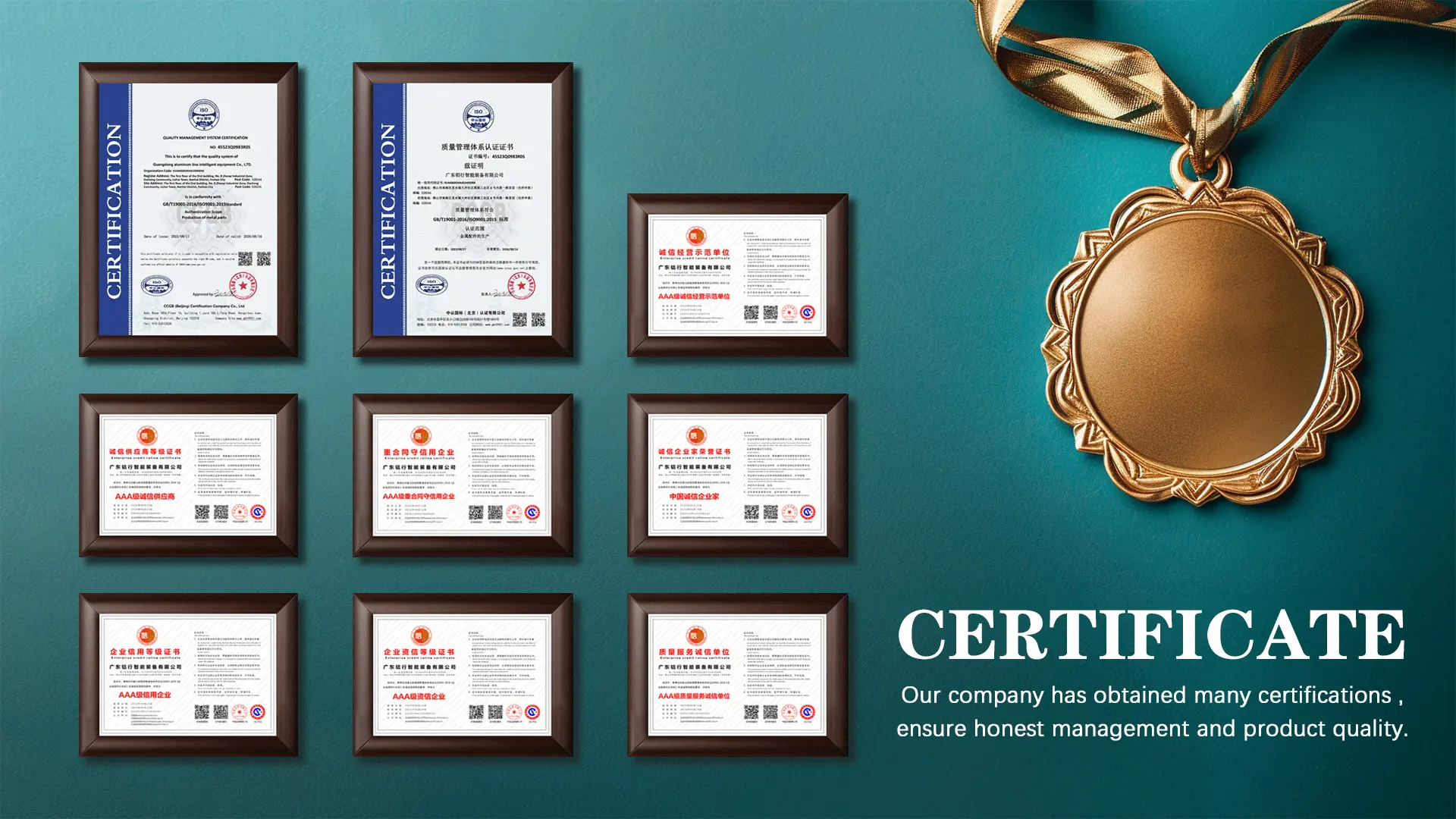
Our advantages rely on a blend of certifications, materials sourcing, and production capacities.
We hold the highly coveted "Special Aluminium Materials for Aerospace" Certificate, confirming our ability to supply raw structural metals capable of handling high stress, coastal corrosion, and extreme weather.
Through our strategic application of Fenglu aluminum and extrusion lines spanning 800T to 20,000T, we manufacture structural profiles up to 1.2m wide or 28m long, minimizing welded joints to optimize fatigue resistance.
Our senior engineering department brings over 15 years of industry experience. We consult directly on design specifications to identify potential load issues and optimize material parameters before manufacturing begins.
Our vision for the next generation of safe landing deck systems involves smart integration, environmental durability, and lighter materials.
Developing structural profiles using magnesium-silicon aluminum formulas to improve tensile strength and reduce deck deadweight on vessels. This helps minimize stress on marine structures while maintaining high mechanical properties.
Advancing our motorized perimeter nets from standard setups to smart configurations. Incorporating real-time wind load tracking and automated retraction features to match dynamic deck positions during offshore high-sea operations.
Embedding load cell arrays and fiber optic strain monitors directly inside the perimeter net supports. This design tracks mechanical impact loads during landings, alerting maintenance teams of structural fatigue to improve safety.
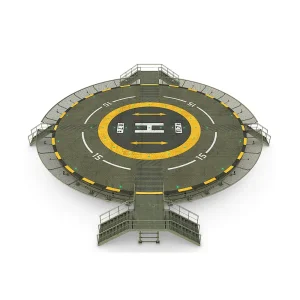
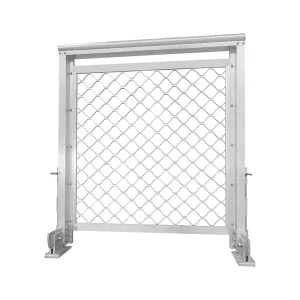
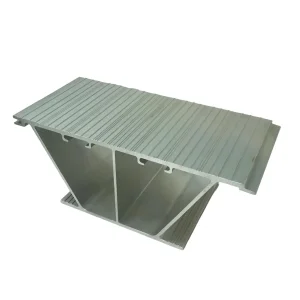
We supply complete helideck profiles, perimeter safety nets, and sub-frame systems optimized for different applications.
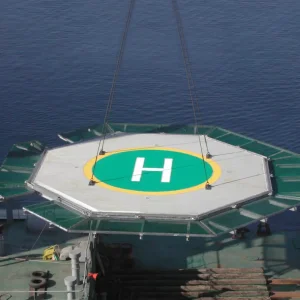
Engineered to withstand harsh offshore environments, our systems are salt-mist resistant and meet Class C5-M corrosion standards, providing long-term reliability for oil rigs, drilling platforms, and ocean vessels.
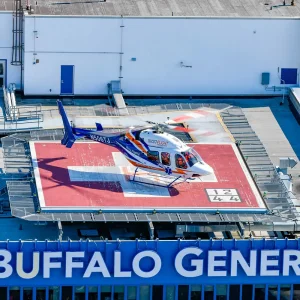
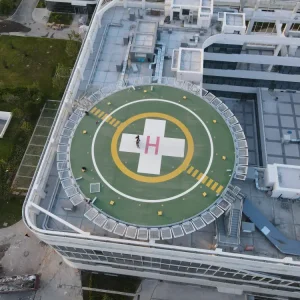
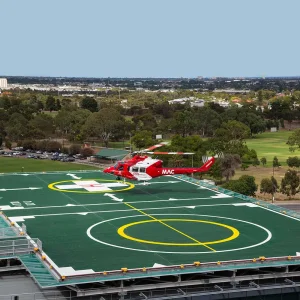
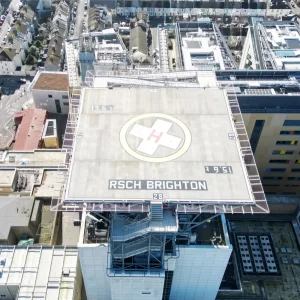
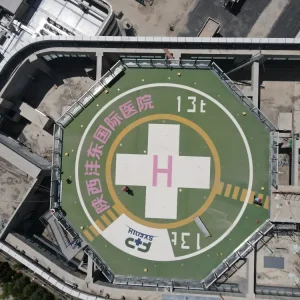
Our lightweight aluminum systems reduce structural loads on hospital rooftops. These quick-draining, non-combustible platforms ensure safe operation for medical evacuation flights.
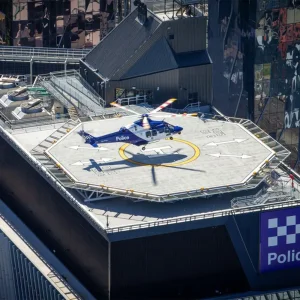
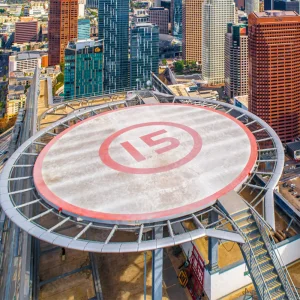
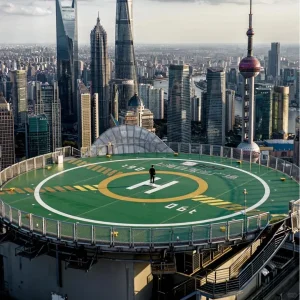
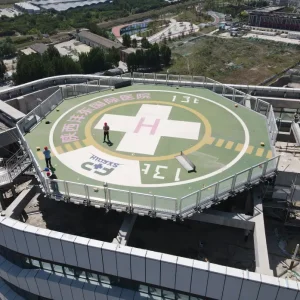
Configured specifically to match high-rise roof profiles, these helipads combine customized structural supports with safety netting to manage wind turbulence and assist emergency evacuations.
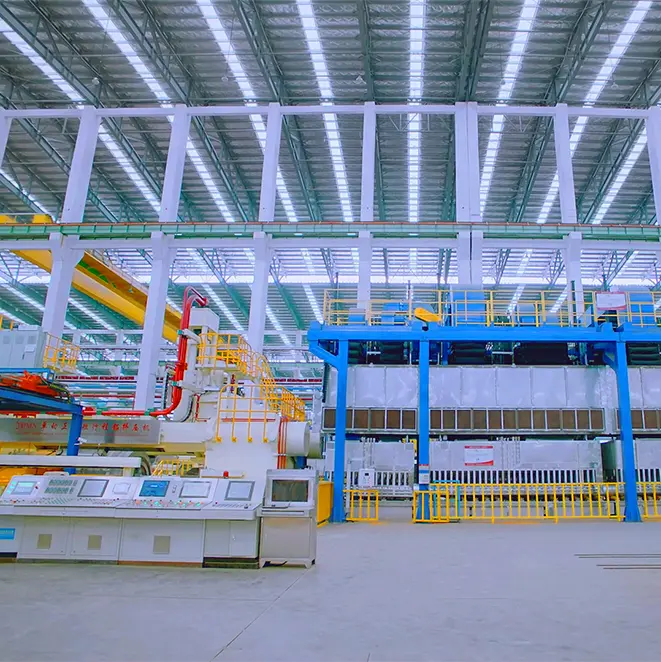
Our production facility in Foshan leverages a complete regional industrial supply chain. Working alongside primary aluminum suppliers, we maintain stable access to raw materials and keep production costs competitive.
By using automated extrusion press lines, robot-assisted precision cutting, and CNC machining centers, Lvxing ensures high dimensional accuracy. Our factory controls tolerances within 0.5 millimeters on large structural beams.
Having in-house anodizing, powder coating, and PVDF coating lines allows us to apply surface treatments that resist marine salt spray, high humidity, and intense UV exposure.
A technical guide to help procurement managers evaluate structural and safety requirements for helideck projects.
Verify that structural elements use marine-grade aluminum alloys, such as 6005A-T6, 6082-T6, or 6061-T6, which provide the high yield strength and corrosion resistance needed for long-term offshore deployment.
Ensure safety nets can absorb dynamic drop impacts in line with regulations like CAP 437. Our nets are tested to withstand 100 kg dropped from 1 meter without structural failure.
Modular systems simplify transportation and on-site assembly. Interlocking extrusion designs eliminate the need for extensive welding, reducing structural fatigue risks and setup times.
Helicopter deck safety installations must comply with strict international civil aviation and marine registers. Lvxing designs, tests, and manufactures landing systems to align with international regulatory guidelines:
Technical answers to common questions about material selection, installation, and compliance for helideck safety systems.
Under UK CAA CAP 437 guidelines, helideck perimeter safety nets must be installed in a dedicated support frame extending 1.5 meters outward. The net should incline upward at approximately 10 degrees to catch personnel safely without presenting a hard obstacle to incoming aircraft.
Aluminum structures are up to 60% lighter than structural steel, reducing the load on rooftops and offshore vessel frames. Aluminum is also corrosion-resistant and does not require constant repainting to withstand harsh marine environments.
Yes. Utilizing extrusion lines from 800T to 20,000T, we manufacture custom profiles up to 1.2 meters wide and 28 meters long, matching the specific CAD layouts and strength requirements of our clients.
Electric perimeter nets allow remote operation to raise or lower the safety mesh. This system is useful on active ship decks, military vessels, and multi-use platforms where the landing area needs to clear obstacles quickly during non-flight activities.
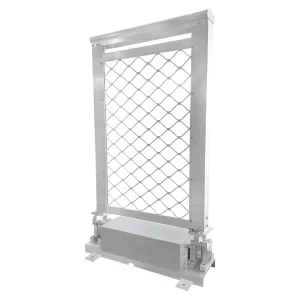
Review our specialized line of perimeter nets, custom profile options, and structural layouts for various building designs.
 LvXing