Engineered to meet stringent international standards including CAP 437, CAA, FAA, and DNV certifications.
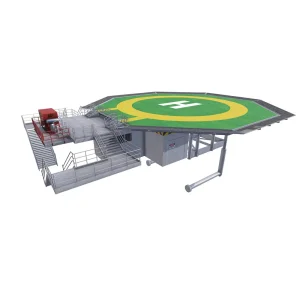
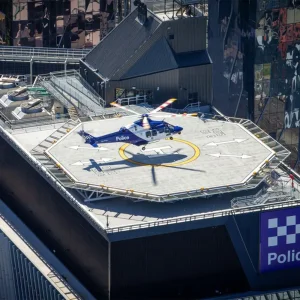
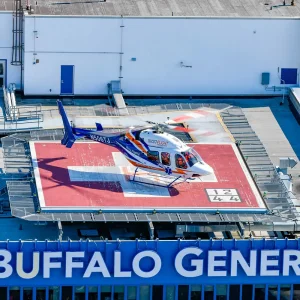
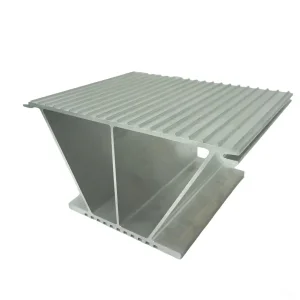
Established in 2015 and located in Foshan City, Guangdong, LvXing Intelligent Equipment Co., Ltd. boasts a skilled R&D team with extensive experience. We leverage exceptional technical expertise to effectively transform customers' ideas into reality, consistently meeting their precise requirements.
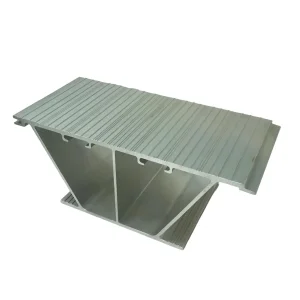
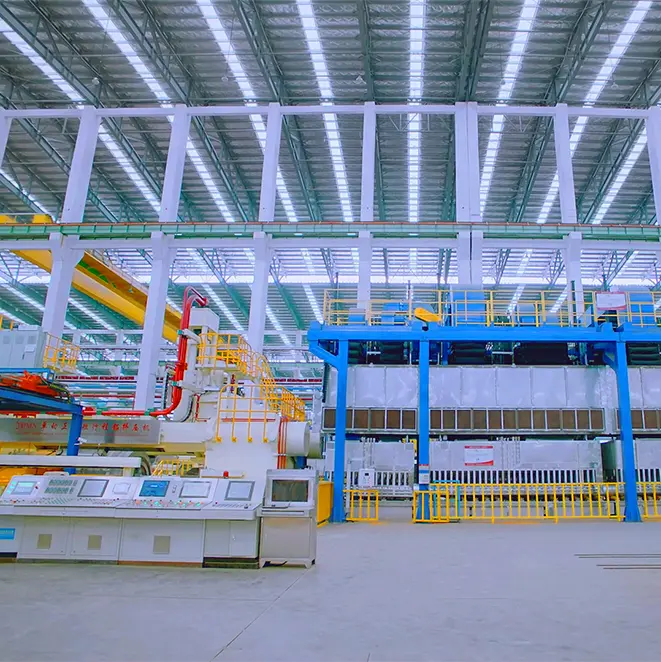
We utilize premium Fenglu aluminum, offering a diverse range of profiles for flexible applications. Our extrusion lines, ranging from 800T to 20,000T, accommodate alloys 1xxx, 2xxx, 3xxx, 5xxx, 6xxx, and 7xxx, allowing us to produce shaped products with section dimensions up to 1.2 meters in width and 28 meters in length. These products are recognized for their precision and meticulous processing, finding broad application in aerospace, military, medical, and industrial sectors.
Our commitment to excellence is evident throughout the manufacturing process, rigorous quality control, thorough packaging, and efficient shipping procedures. This dedication has earned us recognition as a national excellent and honest enterprise, along with quality system certification in accordance with GB/T19001-2016/ISO9001:2015 standards.
We aspire to be your trusted business partner and warmly invite you to visit our factory.
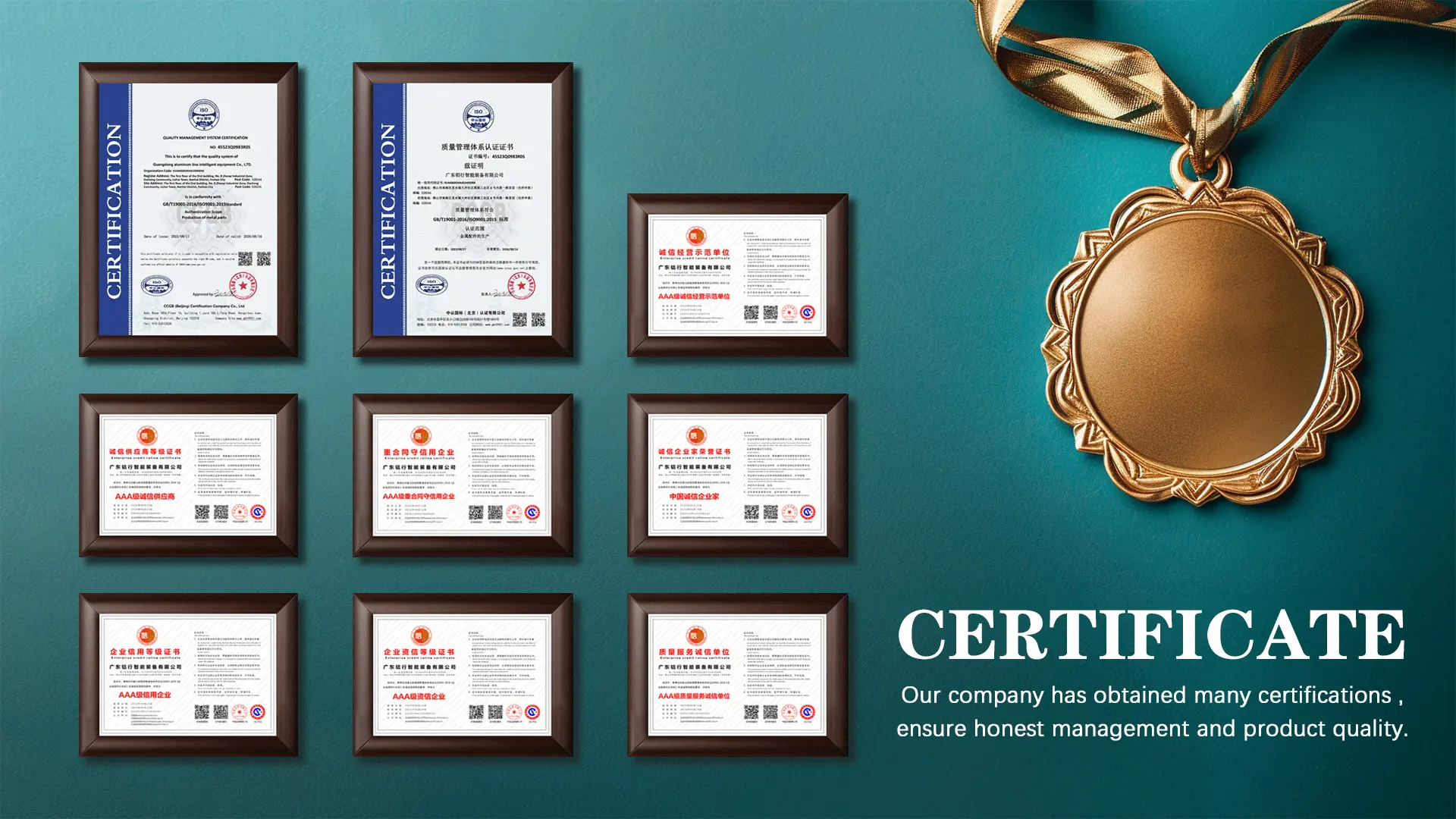
Uncompromising material quality, precision engineering, and specialized certifications form the bedrock of our manufacturing capability.
We have obtained the "Special Aluminium Materials for Aerospace" Certificate, confirming our suitability for high-stakes installations.

Utilizing premium Fenglu aluminum profiles. With extrusion lines from 800T to 20,000T, we handle 1xxx to 7xxx alloys up to 1.2m wide and 28m long.

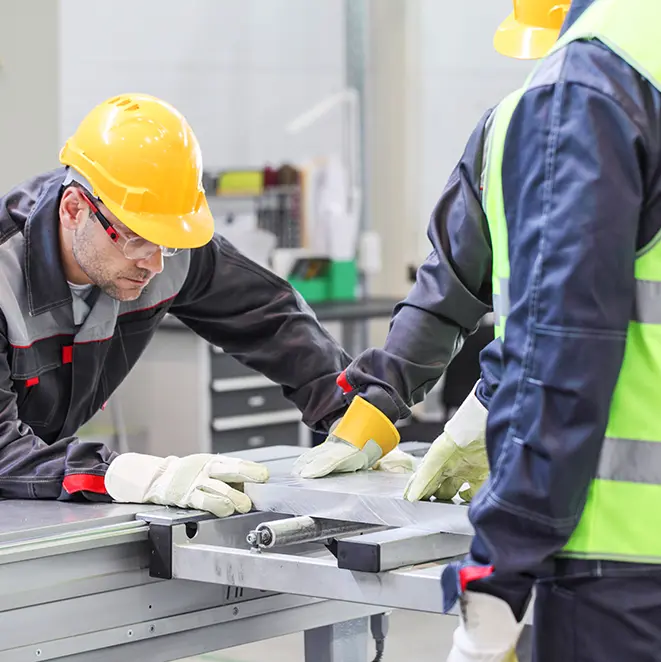
Our technicians bring 15 years of invaluable experience to identify design flaws and implement robust, practical structures for client designs.

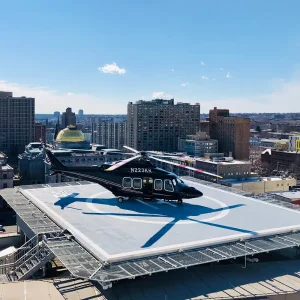
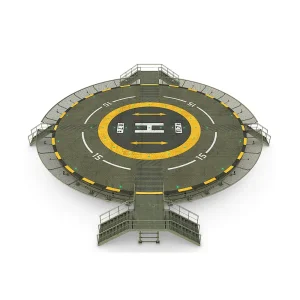
Deep-dive analysis of structural design, corrosion mitigation, and energy absorption mechanisms in marine and rooftop helipads.
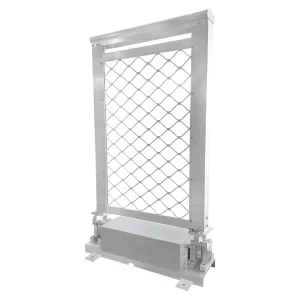
Modern helideck design demands a careful balance of high yield strength, light weight, and marine corrosion resistance. While traditional 316 stainless steel wire mesh has served the maritime industry for decades, customized structural aluminum alloy (predominantly 6061-T6 and 6082-T6) mesh is rapidly emerging as the gold standard.
Lvxing's proprietary frame systems utilize specialized structural aluminum, extruded via our 20,000T lines. This ensures a grain structure optimized to handle severe point-loading forces during emergency drops. The system is designed to catch personnel or cargo without acting like a trampoline—absorbing kinetic energy through dynamic micro-deformation.
| Parameters & Metrics | Traditional Stainless Steel Netting | Lvxing Customized Aluminum Profile Net | Engineering Advantage |
|---|---|---|---|
| Specific Gravity (Weight) | ~7.9 g/cm³ (Heavy structural load) | ~2.7 g/cm³ (Ultra-lightweight) | Reduces deck structural stress by up to 60% |
| Tensile Strength Yield | approx. 500 MPa | Over 310 MPa (optimized 6000-series) | Exceptional load capability with high elasticity |
| Salt-Spray Durability | Susceptible to crevice corrosion | Anodized + C5-M Marine Class Coating | Extended service life of over 25 years |
| Installation Mechanism | Tension cables & manual lashing | Integrated profile slide-in locking | Halves installation labor & downtime |
Per offshore aviation regulatory frameworks (Civil Aviation Authority CAP 437), perimeter safety nets must withstand an impact of at least 2.3 kJ without failure. This translates to drop testing a 100 kg weight from a height of 2.3 meters onto the mesh frame. Lvxing's customized helideck perimeter safety net systems undergo intensive finite element analysis (FEA) to simulate these dynamic conditions. Our customized frames absorb the shock locally, limiting the deformation area and preventing structural failure of the deck attachment brackets.
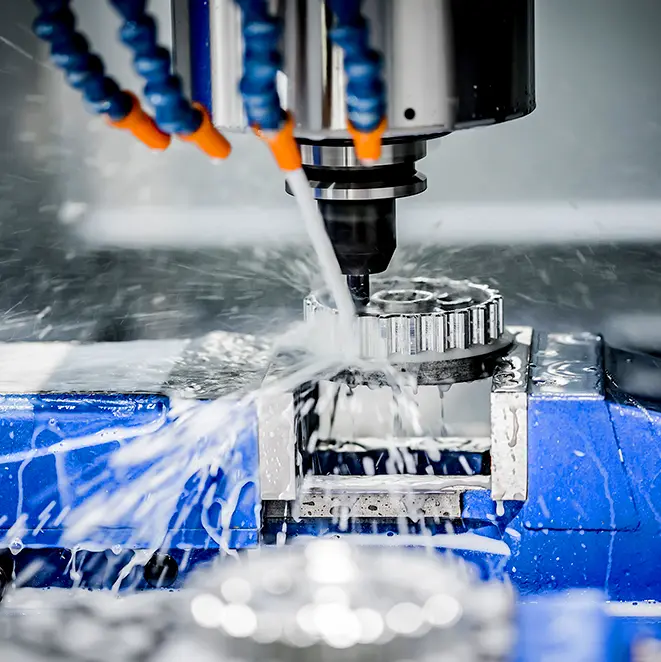
Additionally, our motorized (electric) roll-away or fold-down safety net options utilize precision-extruded aluminum gears and robust actuator arms. These designs allow the safety net to retract smoothly, avoiding interference with landing procedures or during maintenance cycles.
Tailored structural designs matching the distinct operational profiles of offshore, municipal, and healthcare helipads.
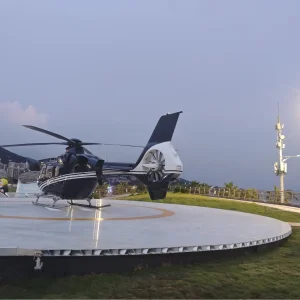
Operating in C5-M extreme marine environments, these platforms require maximum resistance to saline corrosion, high winds, and mechanical stress. Our anodized aluminum profiles and specialized hardware withstand continuous salt spray and gale-force wind loading.
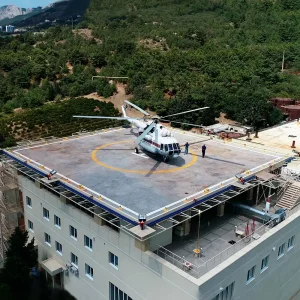
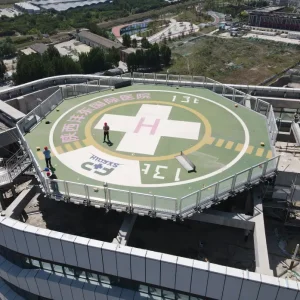
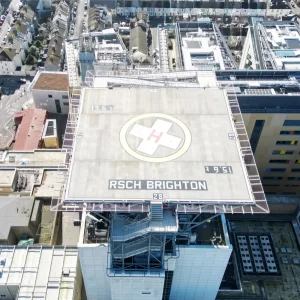
Rooftop hospital helipads require lightweight structural additions that do not compromise the building's structural load limits. Lvxing's customized profile system ensures safe, reliable operations for trauma transport teams without excessive weight.
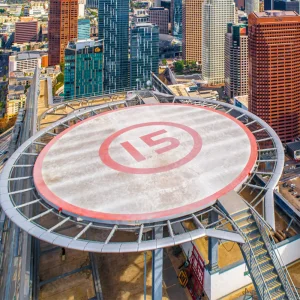
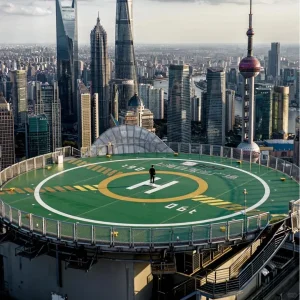
With high thermal fluctuations and strong wind shear common at extreme heights, skyscraper helipads require wind-permeable safety nets. Our custom meshes feature optimal void-ratios to balance safety catch capabilities with aerodynamic stability.
Lvxing's facility in Foshan leverages advanced industrial automation to ensure complete batch consistency. Unlike smaller fabricators who manually weld and bend netting, we rely on digital extrusion processes and automated anodizing lines. Our strategic access to high-grade Fenglu raw materials guarantees stable lead times, protecting your project schedules from global supply chain volatility.
Addressing key engineering considerations, shipping logistics, and site-assembly requirements for global project management.
Procurement teams must ensure that perimeter safety net connection interfaces align with the main helideck structure. Lvxing provides customized bolt-on or weld-on steel/aluminum interface brackets, eliminating on-site hot work and speeding up construction timelines.
To prevent transit damage, Lvxing packages products in heavy-duty wooden crates with customized foam inserts. Each shipment includes detailed installation manuals, engineering drawings, and structural calculations to simplify assembly for local contractors.
Technical, regulatory, and commercial answers for marine engineers and helideck procurement specialists.
Explore our full range of structural profiles, extrusion options, and customized safety netting components.
 LvXing