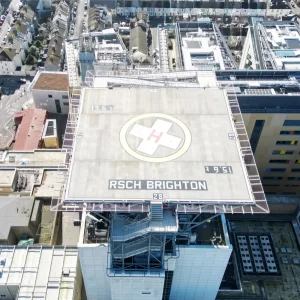
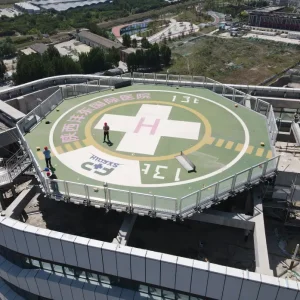
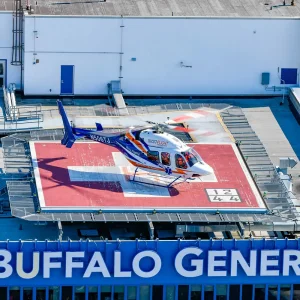
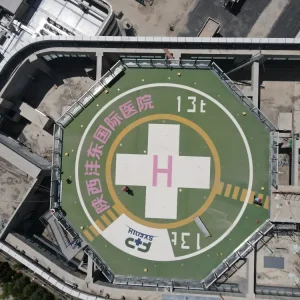
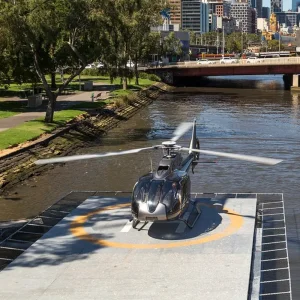
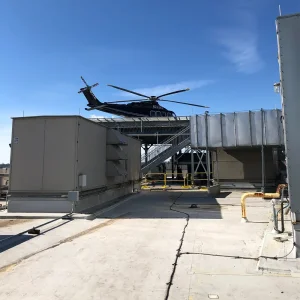
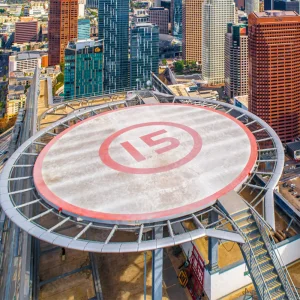
Established in 2015 and strategically located in Foshan City, Guangdong, LvXing Intelligent Equipment Co., Ltd. stands as a vanguard in the research, development, and engineering of aluminum structural systems. With a strong presence in the architectural, maritime, and aerospace sectors, we specialize in delivering customized solutions for challenging operations—primarily high-altitude helipads and perimeter protection safety systems.
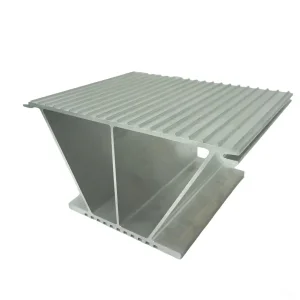
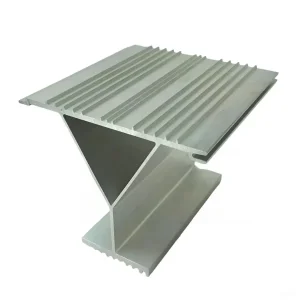
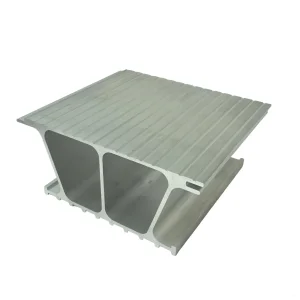
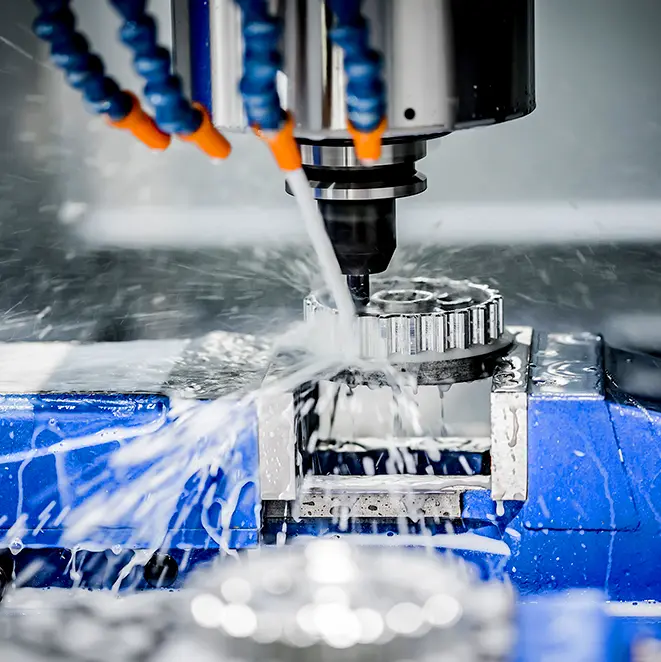
Equipped with state-of-the-art aluminum extrusion lines ranging from 800T to 20,000T, our metallurgical capabilities cover alloys across the 1xxx, 2xxx, 3xxx, 5xxx, 6xxx, and 7xxx series. Our facility produces highly complex profiles featuring section dimensions up to 1.2 meters in width and 28 meters in length. This scale enables structural design integrity that satisfies international certifications, including ISO 9001:2015, and qualifications for aerospace projects.
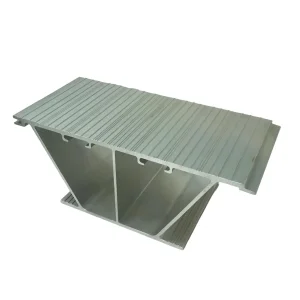
We are certified to manufacture special aerospace-grade aluminum. Utilizing high-strength structural profiles, our landing platforms and security frameworks endure extreme dynamic and shear loads.
Equipped with extrusion machinery ranging from 800T up to 20,000T, Lvxing handles complex profiles of up to 1.2m width and 28m length with high precision.
Our engineering team draws on over 15 years of domain experience, bridging the gap between CAD visualization and field deployment for customized high-altitude setups.
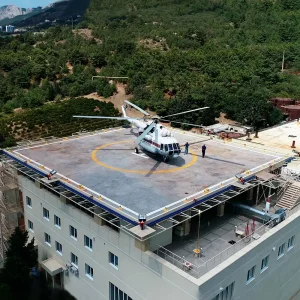
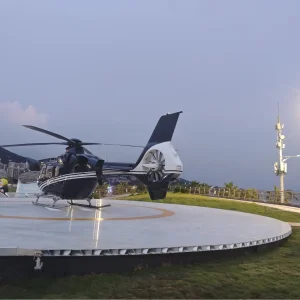
In modern industrial and commercial infrastructure, helicopters are vital for medical transport, offshore exploration, search and rescue (SAR), and executive transport. Landing structures located on skyscraper roofs, hospital structures, offshore drilling platforms, or maritime transport vessels operate in harsh aerodynamic and structural conditions. High-altitude environments introduce extreme wind shear, variable thermal cycles, structural vibrations, and corrosion, making perimeter protection a critical safety requirement.
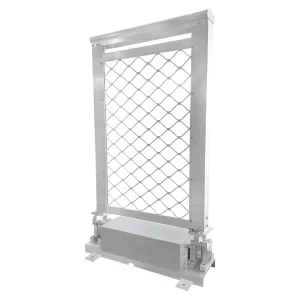
A helipad perimeter safety net is a critical safety system designed to catch personnel and equipment in the event of an accidental fall or slide from the landing platform. Standard structural elements fall short when subjected to high-altitude demands. Procurement teams at engineering, procurement, and construction (EPC) companies require safety nets that deliver:
A helipad security net is not simply an add-on accessory; it is an integrated structural component designed alongside the aluminum helipad deck. At Lvxing, we supply both components as a unified safety solution. By extruding our own structural aluminum profiles from high-performance alloys, we ensure the perimeter safety net and the main helipad deck function together structurally.
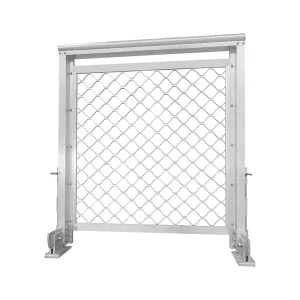
High-altitude wind profiles exert constant force on perimeter mesh structures. Traditional steel chain-link fencing creates wind resistance and structural load issues, while also obstructing visibility. Lvxing’s engineered perimeter nets utilize high-strength, flexible stainless steel cable mesh integrated with lightweight, marine-grade aluminum alloy frames. This combination reduces structural weight, allows wind to pass through freely, and provides clean lines of sight for incoming pilots.
Our solutions cater to various operating configurations:

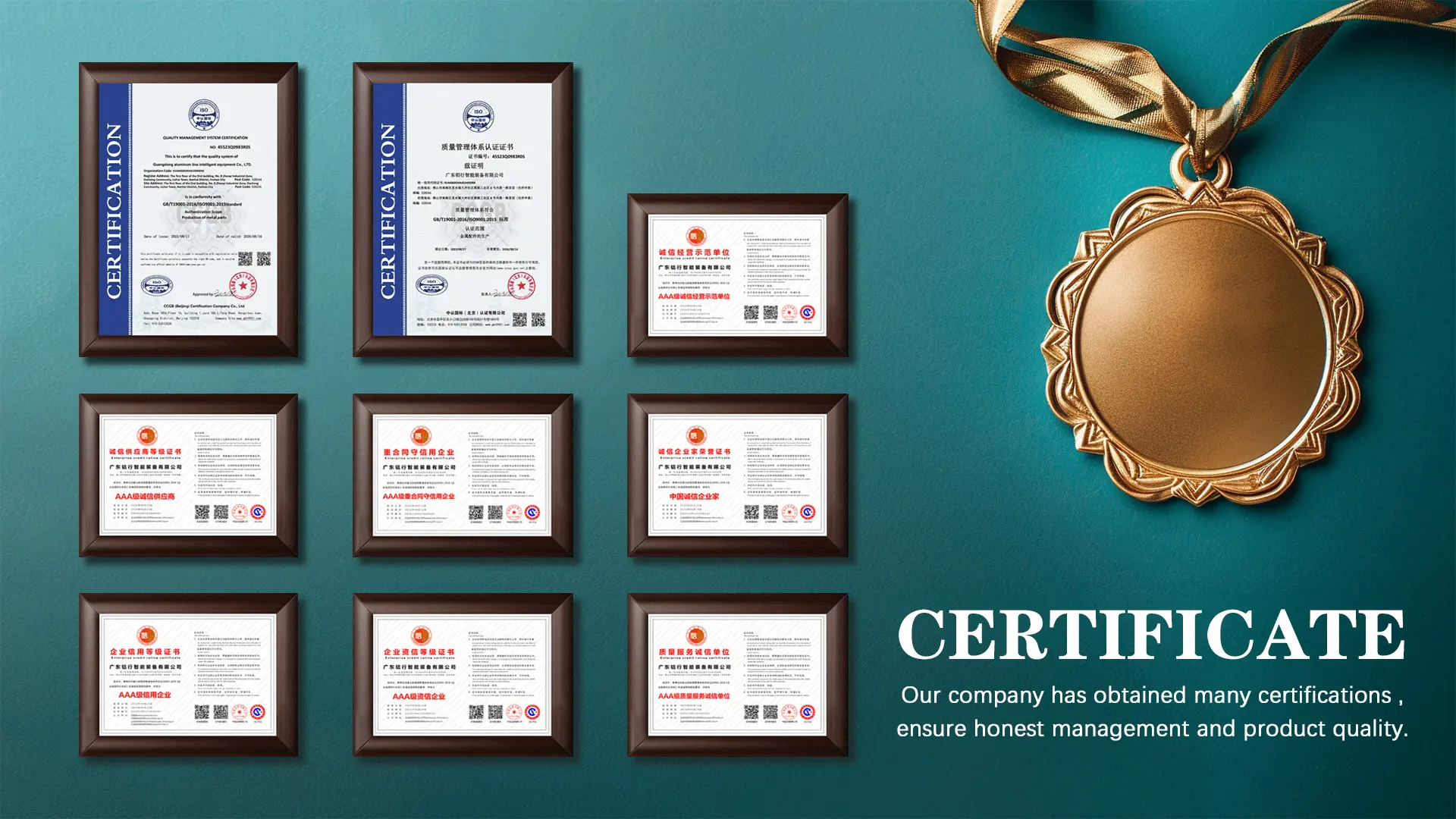
Lvxing Aerospace Grade Aluminum Materials & Mechanical Testing Certification
As vertical takeoff and landing (VTOL) and advanced air mobility (AAM) systems grow globally, helipads are transitioning into multi-platform vertiports. This transition demands safety systems with higher load capacities and smart capabilities.
We are developing energy-absorbing mounting brackets using shape-memory alloys (SMAs). These mounts reduce peak impact forces transferred to the building structure during fall events, protecting both the individual and the deck structure.
Future iterations of our safety nets will incorporate smart fiber-optic sensors. These sensors monitor structural tension, wire integrity, and environmental ice accumulation, reporting status updates in real-time to the operator's control center.
Working alongside advanced metallurgic institutes, Lvxing is introducing next-generation 7xxx-series anodized aluminum frames. These frames are formulated to withstand high-salinity marine air and chemical cleaning agents over long service cycles.
Computational Fluid Dynamics (CFD) modeling guides the spacing and angle of our netting. This design helps minimize ground-effect air turbulence around the helideck, improving helicopter stability during final descent.
A primary challenge for procurement departments sourcing safety components from China is ensuring compliance with local codes. Our design, engineering, and testing processes align with recognized international aviation and safety standards:
Lvxing supports projects globally by providing comprehensive testing documentation, mechanical calculation profiles, and local engineering review assistance to streamline the approval process with aviation authorities and municipal building departments.
 LvXing