Explore our primary, certified aviation-grade aluminum profiles engineered specifically for perimeter protection and heavy-duty structural applications in extreme atmospheric and mechanical environments.
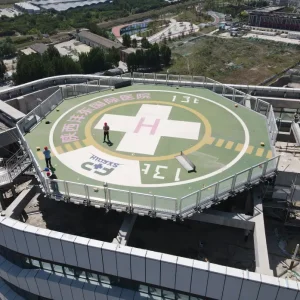
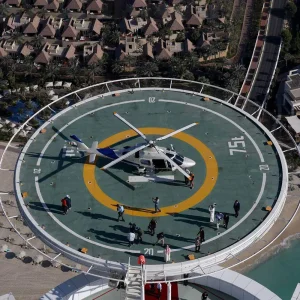
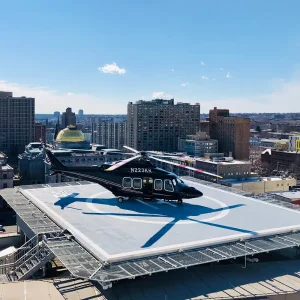
Heliports situated atop metropolitan skyscrapers, offshore drilling platforms, and emergency trauma centers operate within complex aerological boundaries. Unlike ground-level landing zones, high-rise helidecks are subject to volatile microclimates, including severe wind shear, thermal updrafts from mechanical venting, and high-altitude vortex shedding. In this high-risk envelope, perimeter safety nets function as the final critical safeguard against catastrophic crew or equipment falls.
Modern structural standards—primarily governed by the International Civil Aviation Organization (ICAO Annex 14), the Federal Aviation Administration (FAA AC 150/5390-2C), and the UK Civil Aviation Authority (CAP 437)—demand that perimeter protection nets undergo stringent engineering verification. These regulations specify that the safety system must not only support vertical loads but also absorb kinetic impact energy without presenting a rigid, hazardous obstacle to falling objects or personnel.
SEO Information Gain Insight: The transition from traditional stainless steel wire meshes to advanced, high-tensile structural aluminum alloys (specifically the 6000-series Al-Mg-Si family) represents the most significant modernization in heliport perimeter engineering. This shift eliminates the risk of progressive galvanic corrosion, dramatically reduces dead weight on cantilevered skyscraper supports, and facilitates integrated electronic deployment mechanisms.
To satisfy these requirements, engineers must evaluate three primary design paradigms: structural elasticity, dynamic load dissipation, and environmental longevity. When a helicopter maneuvers near a rooftop helideck, the downwash forces can exceed several metric tons of pressure, creating continuous fatigue stresses. Consequently, the safety net and its supporting truss frame must maintain structural integrity under persistent vibrational forces while ensuring zero projection above the landing deck's surface profile.
Established in 2015 and operating from the industrial heart of Foshan City, Guangdong, LvXing combines structural innovation with large-scale heavy extrusion capacities to supply the global aerospace, marine, and commercial construction sectors.
Established in 2015 and located in Foshan City, Guangdong, LvXing Intelligent Equipment Co., Ltd. boasts a skilled R&D team with extensive experience. We leverage exceptional technical expertise to effectively transform customers' ideas into reality, consistently meeting their precise requirements.
We utilize premium Fenglu aluminum, offering a diverse range of profiles for flexible applications. Our extrusion lines, ranging from 800T to 20,000T, accommodate alloys 1xxx, 2xxx, 3xxx, 5xxx, 6xxx, and 7xxx, allowing us to produce shaped products with section dimensions up to 1.2 meters in width and 28 meters in length. These products are recognized for their precision and meticulous processing, finding broad application in aerospace, military, medical, and industrial sectors.
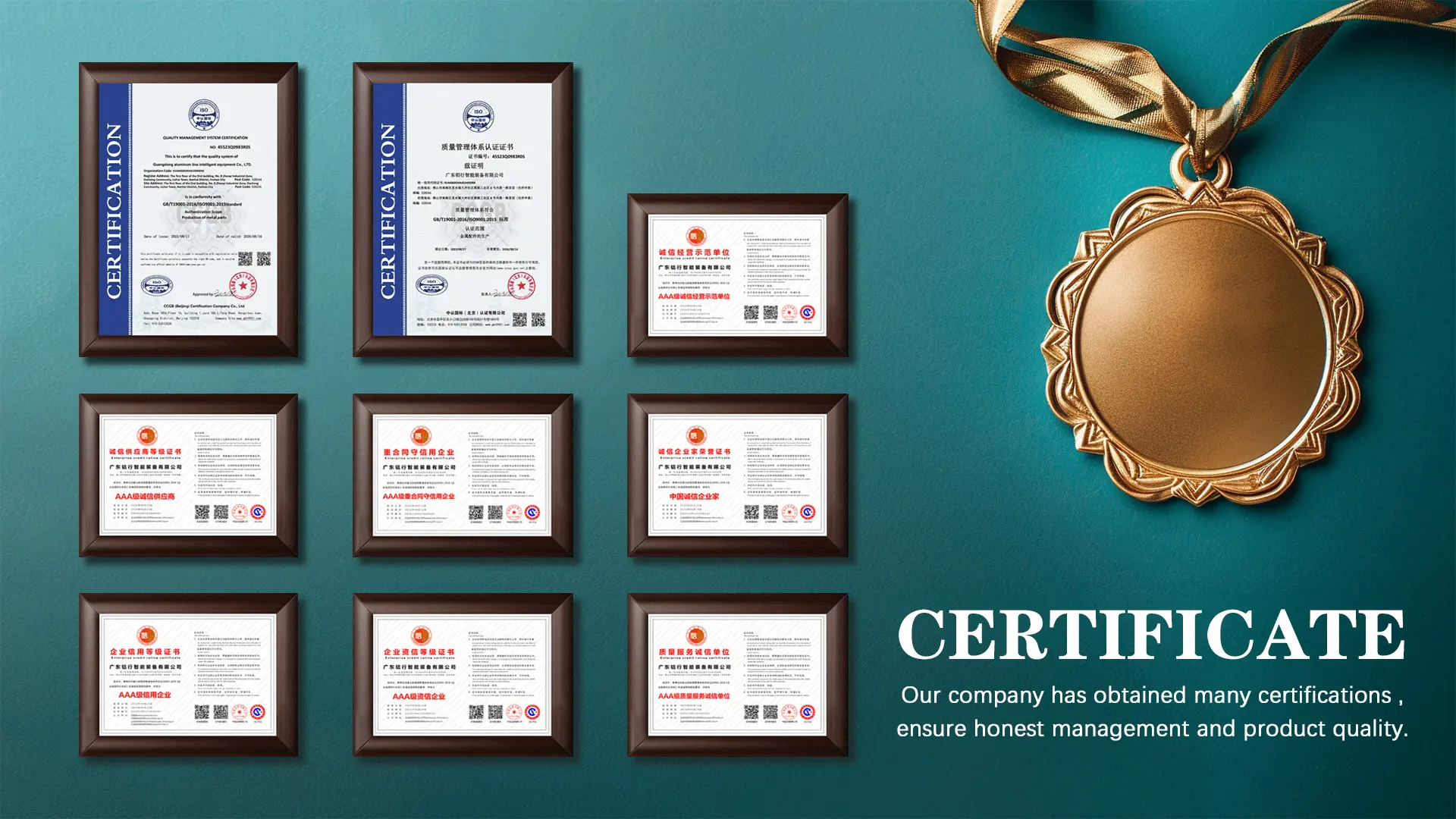
Our commitment to excellence is evident throughout the manufacturing process, rigorous quality control, thorough packaging, and efficient shipping procedures. This dedication has earned us recognition as a national excellent and honest enterprise, along with quality system certification in accordance with GB/T19001-2016/ISO9001:2015 standards. We aspire to be your trusted business partner and warmly invite you to visit our factory.
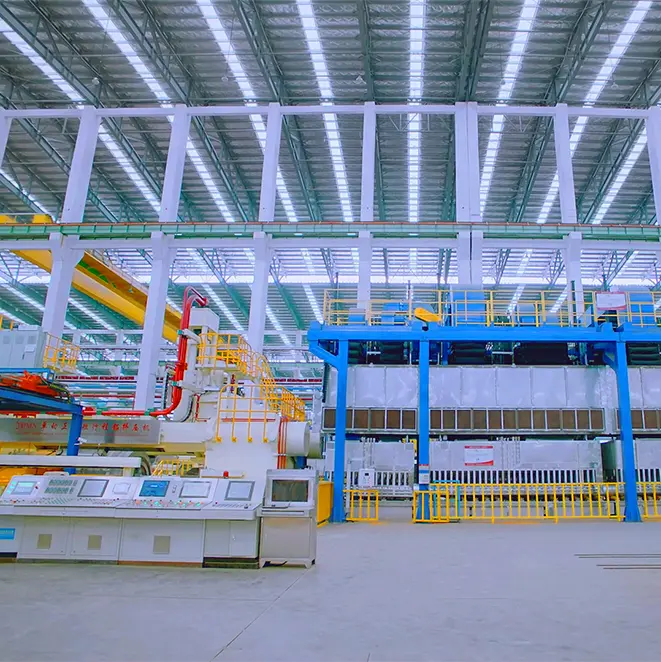

We have obtained the "Special Aluminium Materials for Aerospace" Certificate, confirming our raw materials meet safety factors required for safety nets and helidecks.
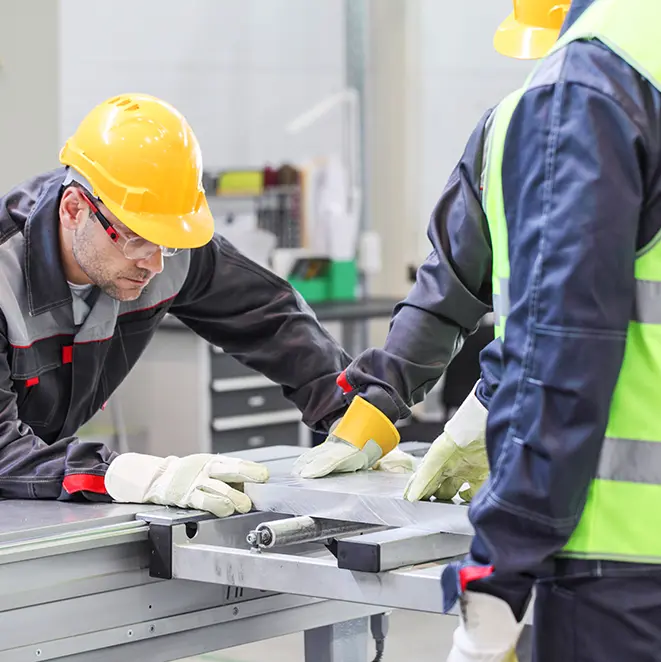

With extrusion lines up to 20,000T, we manufacture wide section profiles in 1xxx to 7xxx alloys, ensuring zero-splice structural spans up to 28 meters.
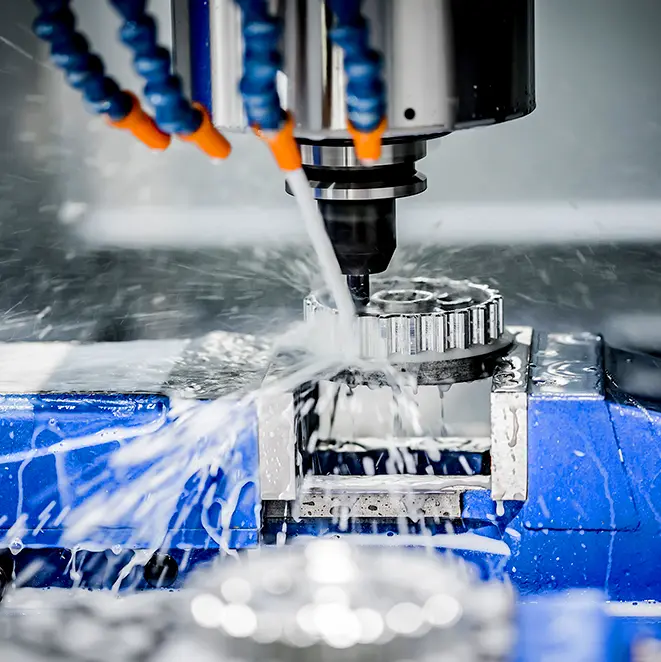

Our team identifies potential structural issues early and provides practical optimization insights, translating conceptual drawings into field-ready products.
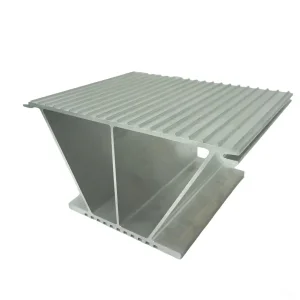
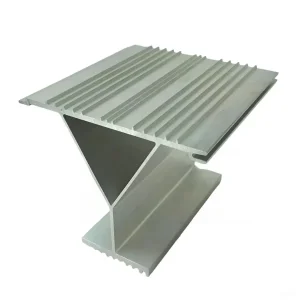
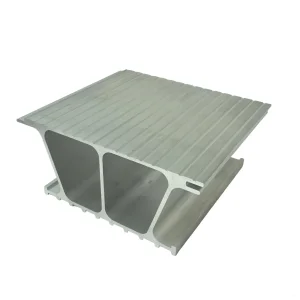
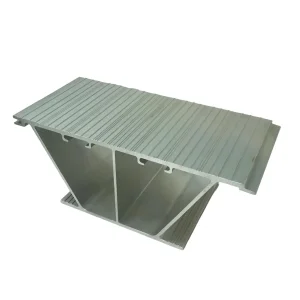
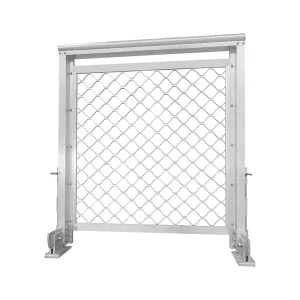
The following engineering cross-section highlights the interlocking structural integration of our aluminum helipad profile systems, providing optimal stiffness-to-weight ratio and quick-deployment perimeter safety net attachment tracks.
The acceleration of offshore energy extraction, combined with the structural challenges of high-density metropolitan hospitals, has generated a global demand for specialized safety infrastructure. Let's analyze the requirements across primary industrial applications:
| Application Sector | Primary Environmental Threat | Critical Safety Requirement | Optimal Alloy / Configuration |
|---|---|---|---|
| Offshore Oil & Gas Platforms | High salinity, wind turbulence, marine corrosion (CX) | CAP 437 compliant, drop-test verified, corrosion-proof mesh | Aluminum 6082-T6 + Stainless Steel 316 Mesh |
| Skyscraper Hospital Rooftops | Thermal drafts, structural load limits of building cores | Low dead-weight, aesthetic integration, zero upward reflection | 6063-T6 / Anodized Matte Finished Profile |
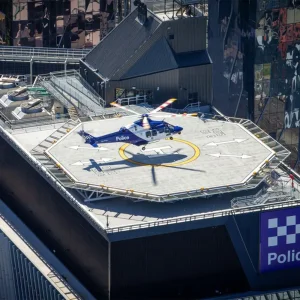
| Police & Military Helipads | Heavy operations, high frequency landings, ballistic impact | Rapid manual/automatic foldability, reinforced impact frames | High strength 7075 / 6082 structural hybrid |
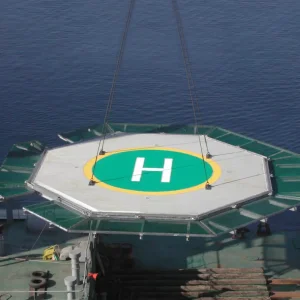
| Shipboard & Yacht Decks | Dynamic rolling motion, severe pitch and yaw | Elastic kinetic energy absorption, non-sparking materials | 6000-series alloy with low-magnetic profile properties |
The competitive advantage of sourcing customized heliport safety nets from our factory in Foshan, Guangdong is rooted in the regional industrial cluster ecosystem. Foshan is the world's preeminent hub for advanced aluminum processing, which brings direct benefits to global procurement teams:
As civil aviation embraces Urban Air Mobility (UAM) and eVTOL (electric Vertical Takeoff and Landing) aircraft, rooftop landing configurations are shifting towards smarter, lighter, and more responsive structures. Three main innovations are driving the development of safety nets:
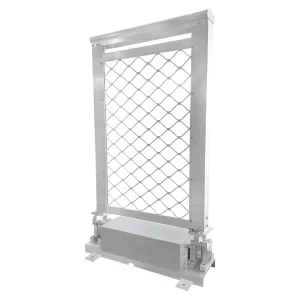
To accommodate multi-role rooftops where helipads share space with maintenance platforms or rescue cranes, retractable safety net structures are increasingly required. Electric safety nets, which transition between 90-degree storage and 135-degree safety configurations in under 30 seconds via remote control systems, represent the standard for modern mixed-use skyscrapers.
Modern meshes now incorporate perimeter warning LED indicators directly into the framing channels. This provides pilots with enhanced visual cues during low-visibility operations without adding components that could compromise wind flow or increase aerodynamic drag coefficients.
In offshore oil environments or helipads situated near hazardous storage tanks, friction-generated sparks present a severe ignition risk. Engineered aluminum alloys, naturally non-sparking, offer a safer solution than traditional carbon steel mesh systems.
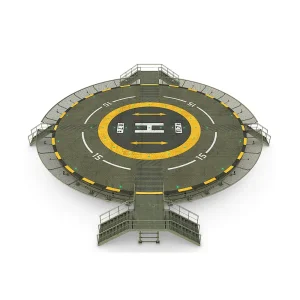
Examine our second portfolio selection, featuring complete system solutions, specialized profiles, and custom engineering builds for municipal, police, hospital, and private aviation projects.
 LvXing