Browse our catalog of custom-designed helicopter landing decks, aluminum extrusion profiles, and certified perimeter safety net configurations.
An in-depth analysis of structural integrity requirements for modern high-altitude and offshore heliport safety netting installations.
Elevated helidecks and tower heliports represent complex aerodynamic and structural environments. Because these landing facilities are located high above ground or sea level, turbulence, high wind shear, and severe weather present dynamic mechanical stresses. Safety netting systems installed on the perimeter of these structures are not mere fences; they are critical safety components engineered to catch personnel and equipment in the event of a slip, trip, or fall, without risking bounce-back or trampoline effects.
Under international standards such as CAP 437 (Standards for Offshore Helicopter Landing Areas) and ICAO Annex 14 Volume II, helideck perimeter safety netting must satisfy strict engineering guidelines:
| Parameter | CAP 437 Standards | Lvxing Engineering Standard | Testing Protocol |
|---|---|---|---|
| Dynamic Load Capacity | Withstand 100 kg drop from 1.0m | Withstand ≥ 150 kg drop from 1.5m | Sandbag drop test with zero structural deformation |
| Material Profile | Corrosion-resistant metal/fiber | Grade 316 Stainless Steel & Marine-grade 6082-T6 Alum | 1000-hour salt spray ASTM B117 compliance |
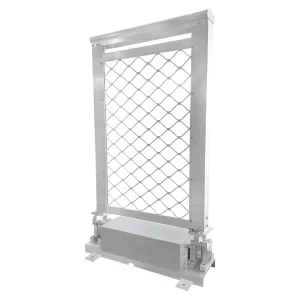
| Mesh Dimensions | No greater than 100mm | Customized 50mm x 50mm / 75mm x 75mm | Tension testing on single wire weld joints |
| Frame Pitch | Horizontal/inclined outer span | Rigid structural truss with 10-degree upward incline | Finite Element Method (FEM) wind-load analysis |
LVXING, SPECIALIZES IN ALUMINUM SOLUTIONS.
Established in 2015 and located in Foshan City, Guangdong, LvXing Intelligent Equipment Co., Ltd. boasts a skilled R&D team with extensive experience. We leverage exceptional technical expertise to effectively transform customers' ideas into reality, consistently meeting their precise requirements.
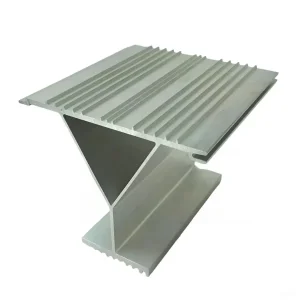
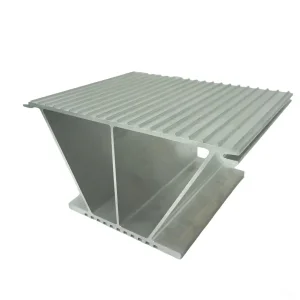
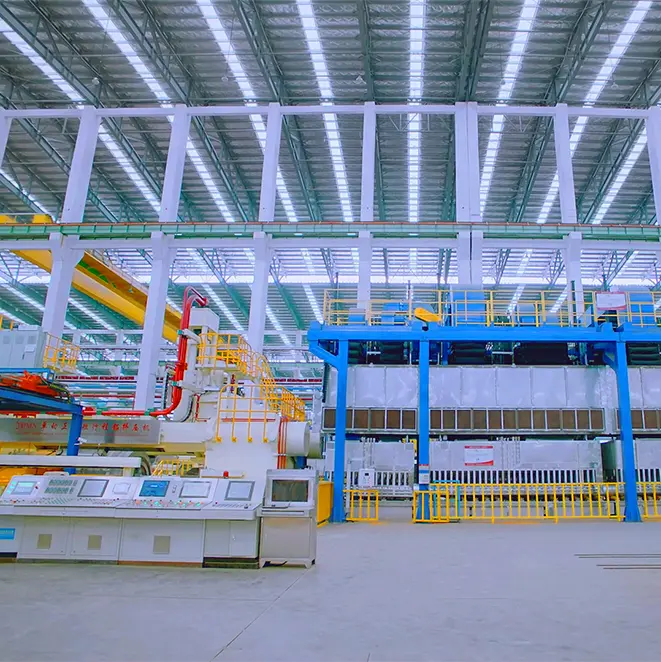
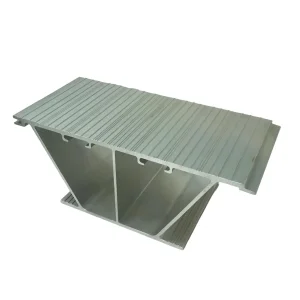
We utilize premium Fenglu aluminum, offering a diverse range of profiles for flexible applications. Our extrusion lines, ranging from 800T to 20,000T, accommodate alloys 1xxx, 2xxx, 3xxx, 5xxx, 6xxx, and 7xxx, allowing us to produce shaped products with section dimensions up to 1.2 meters in width and 28 meters in length. These products are recognized for their precision and meticulous processing, finding broad application in aerospace, military, medical, and industrial sectors.
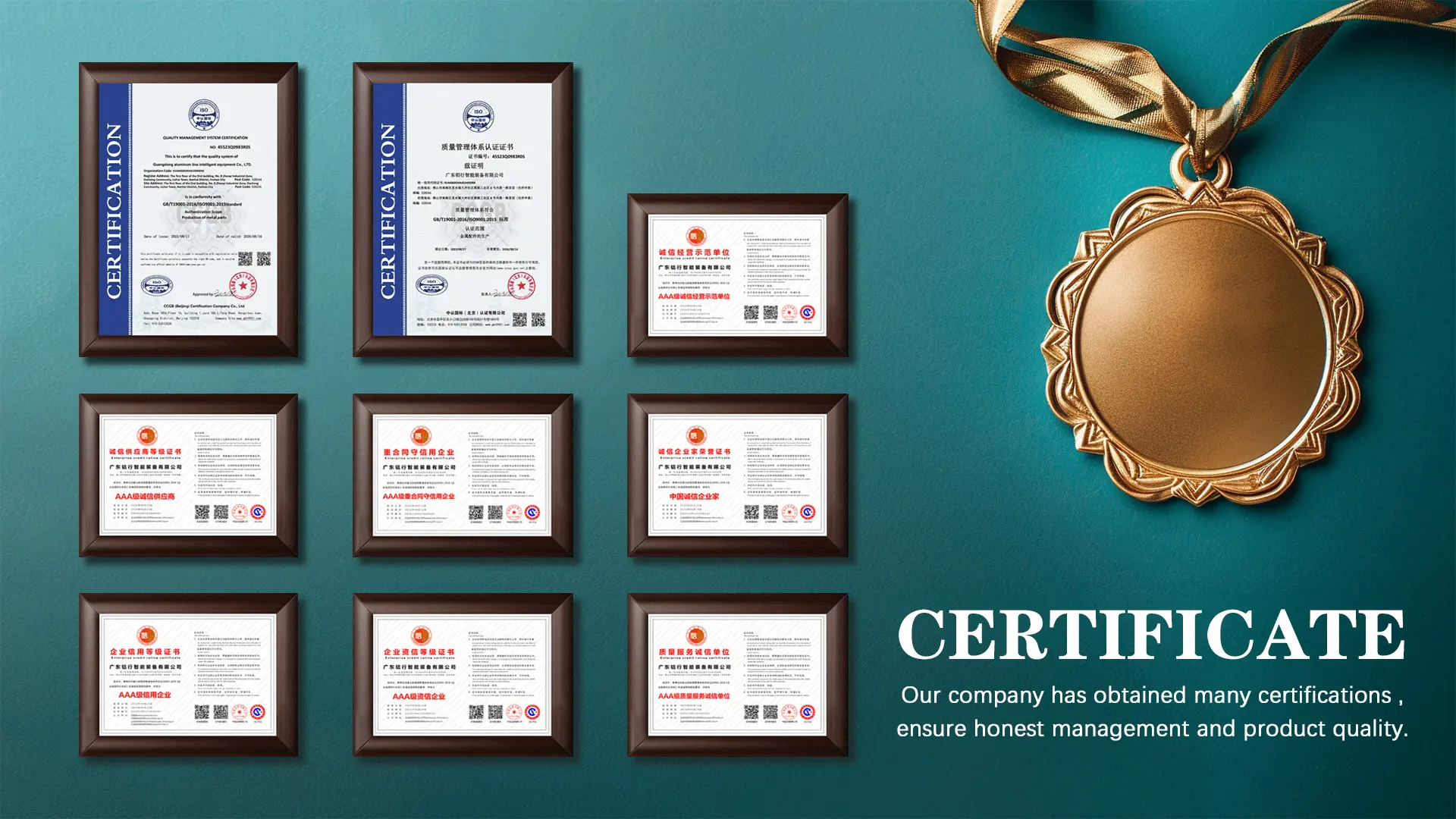
Our commitment to excellence is evident throughout the manufacturing process, rigorous quality control, thorough packaging, and efficient shipping procedures. This dedication has earned us recognition as a national excellent and honest enterprise, along with quality system certification in accordance with GB/T19001-2016/ISO9001:2015 standards.
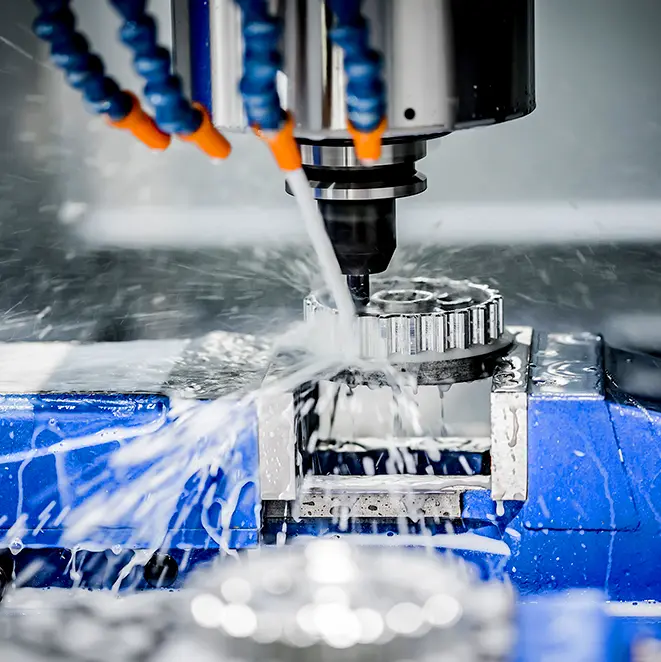
Engineered for strength, reliability, and precision, our manufacturing process complies with strict international standards.

We have obtained the “Special Aluminium Materials for Aerospace” Certificate.

We provide and utilize high-quality Fenglu aluminum profiles. With extrusion lines ranging from 800T to 20,000T, we can produce alloys 1xxx, 2xxx, 3xxx, 5xxx, 6xxx, and 7xxx. We can manufacture fully shaped products with section dimensions up to 1.2 meters in width or 28 meters in length.

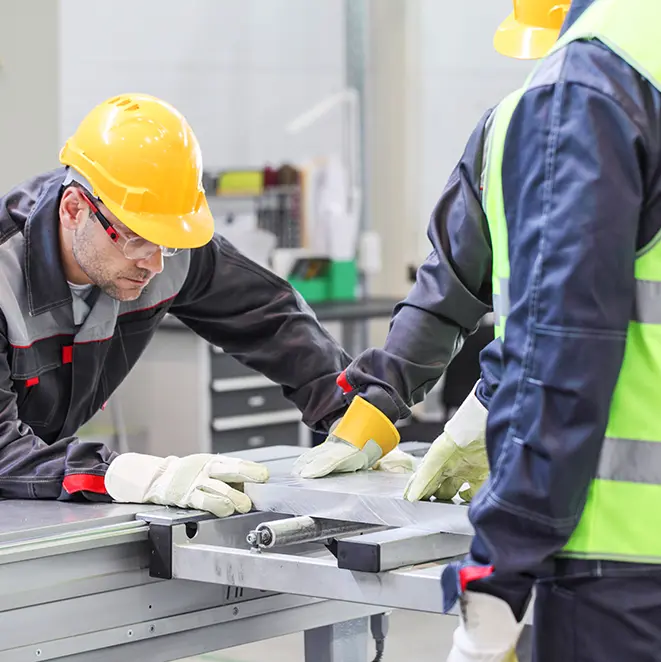
We have a team of technicians with 15 years of invaluable experience. Our deep understanding of customer requirements allows us to identify potential issues and offer practical insights, turning customer ideas into tangible products that meet specific needs.
How customized safety netting integrates seamlessly into diverse geographic zones and specific industrial structures.
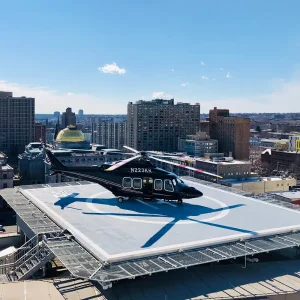
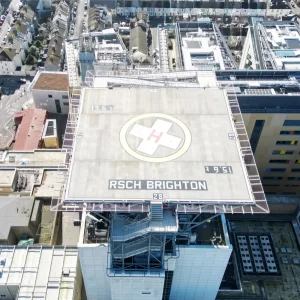
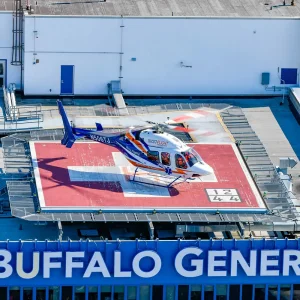
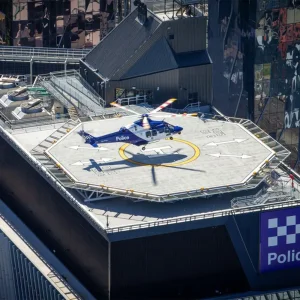
Emergency medical rescue operations require 100% fail-safe performance. Our lightweight all-aluminum structures provide reliable fall protection without overloading historical or pre-existing hospital building foundations. The profile sections fit tight retrofitting areas, keeping urban emergency platforms safe and fully functional.
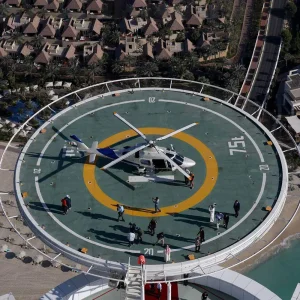
Installed in harsh marine environments with constant exposure to saltwater and high H2S concentrations. By utilizing Grade 316 Stainless Steel wire rope mesh combined with marine-grade 6082-T6 anodized aluminum frames, our panels resist corrosion and pitting, which reduces inspection overheads and avoids structural failures.
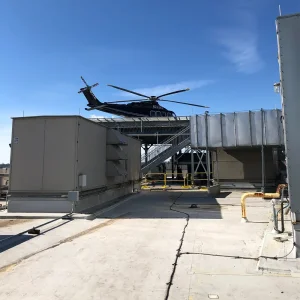
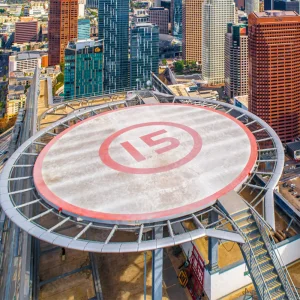
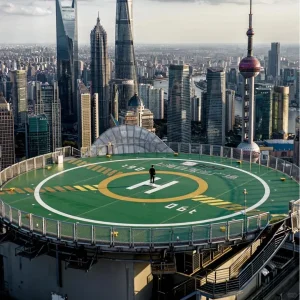
High-altitude high-rises experience strong wind shear. Lvxing's custom profiles undergo extensive wind-tunnel testing to minimize drag. Our low-profile framework does not block pilot sightlines, fits high-rise structural designs, and helps mitigate aerodynamic vortex forces on top of tall towers.
Pioneering next-generation safety solutions through smart sensing and environmentally resilient structural technologies.
Introducing premium low-carbon aluminum billets processed with clean energy, reducing carbon footprints for LEED-certified skyscraper designs.
Testing built-in strain gauges that send real-time tension data directly to the building maintenance console, alerting teams to load abnormalities.
Developing next-gen modular snap-lock joints to simplify assembly, cutting down helicopter deck installation times by up to 40%.
Designing dynamic perimeter brackets capable of absorbing impacts from heavier next-generation eVTOL aircraft.
Leveraging South China's premier industrial ecosystem to provide global contractors with cost-effective, high-quality structures.
Our manufacturing plant in Foshan City, Guangdong, is situated within the world's most dense aluminum manufacturing and processing cluster. This strategic location enables us to source raw materials, conduct precise surface treatments, and perform mechanical testing quickly and efficiently, reducing production lead times.
Furthermore, our integrated capabilities—spanning from initial R&D and tool making to extrusion, surface finishing, and assembly—minimize reliance on third-party suppliers. This end-to-end control allows us to optimize production schedules and offer competitive pricing without compromising quality. We conduct rigorous quality inspections at every stage, verifying that all output complies with global safety standards before shipping.
Expert answers regarding standards, installation, material durability, and quoting processes for our perimeter safety systems.
Yes, our systems are designed, simulated, and manufactured to meet and exceed ICAO Annex 14 Volume II and UK CAA CAP 437 standards. We utilize premium marine-grade aluminum frames combined with high-tensile 316 stainless steel wire rope mesh to ensure every installation safely withstands a 100 kg drop impact test from a height of 1 meter without structural failure.
The cost depends primarily on: 1) the overall perimeter measurement of the helideck, 2) choice of materials (pure aluminum alloy vs. stainless steel mesh insert), 3) specific wind-load structural requirements based on tower height, and 4) custom bracket mounting configurations (hinged vs. fixed). We provide transparent pricing and customized quotes within 48 hours of receiving your design specifications.
Absolutely. Backed by our 15-year engineering team and robust aluminum extrusion capabilities (handling sections up to 1.2m wide and 28m long), we specialize in tailoring safety net frames for octagonal, circular, and irregular rooftops. We translate your CAD/BIM models into production drawings to ensure precise fitment.
We exclusively use marine-grade aluminum alloys (typically from the 6xxx series) and high-quality Fenglu aluminum, supplemented by anodizing or specialized marine powder coatings. Our stainless steel components are crafted from Grade 316, ensuring excellent resistance to salt spray and high-humidity environments.
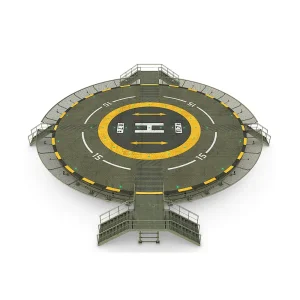
From structural profiles to complete deck systems, explore our comprehensive range of aviation safety solutions.
 LvXing