China Rotor Magnet For Quartz Watch Step Motor Manufacturer & Factory

Pioneering Micro-Precision Magnetic Components & Advanced Extruded Assemblies for the Global Horology and High-Accuracy Instrumentation Industries.

Welcome to Lvxing

LVXING: Leading the Edge in Custom Precision Aluminum & Motor Rotor Assemblies

Established in 2015 and strategically situated in Foshan City, Guangdong, LvXing Intelligent Equipment Co., Ltd. has developed into a premier force in high-precision manufacturing. With an advanced R&D team holding decades of cumulative industry experience, we bridge the gap between initial concepts and robust mechanical execution, catering to demanding tolerances in aerospace, automotive, watch movements, and industrial automation.

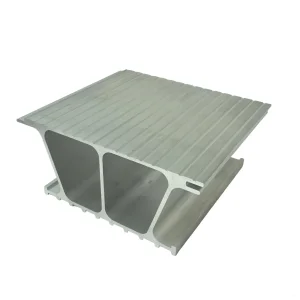
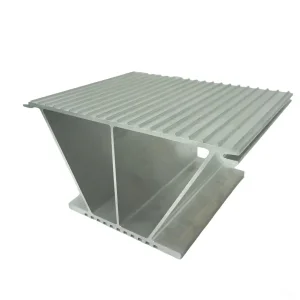
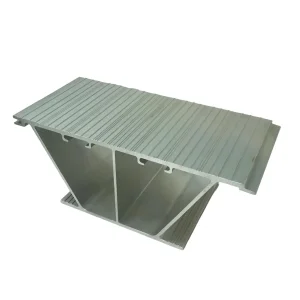
We work exclusively with high-quality Fenglu aluminum, integrating extrusion systems ranging from 800T to 20,000T. Our manufacturing lines run alloys across 1xxx, 2xxx, 3xxx, 5xxx, 6xxx, and 7xxx series, allowing us to manage profile widths up to 1.2 meters and lengths of 28 meters. This unique scale of operation permits the manufacture of structural outer shells, motor housings, and heat dissipation platforms that host high-precision rotor magnets and micro-step motors.

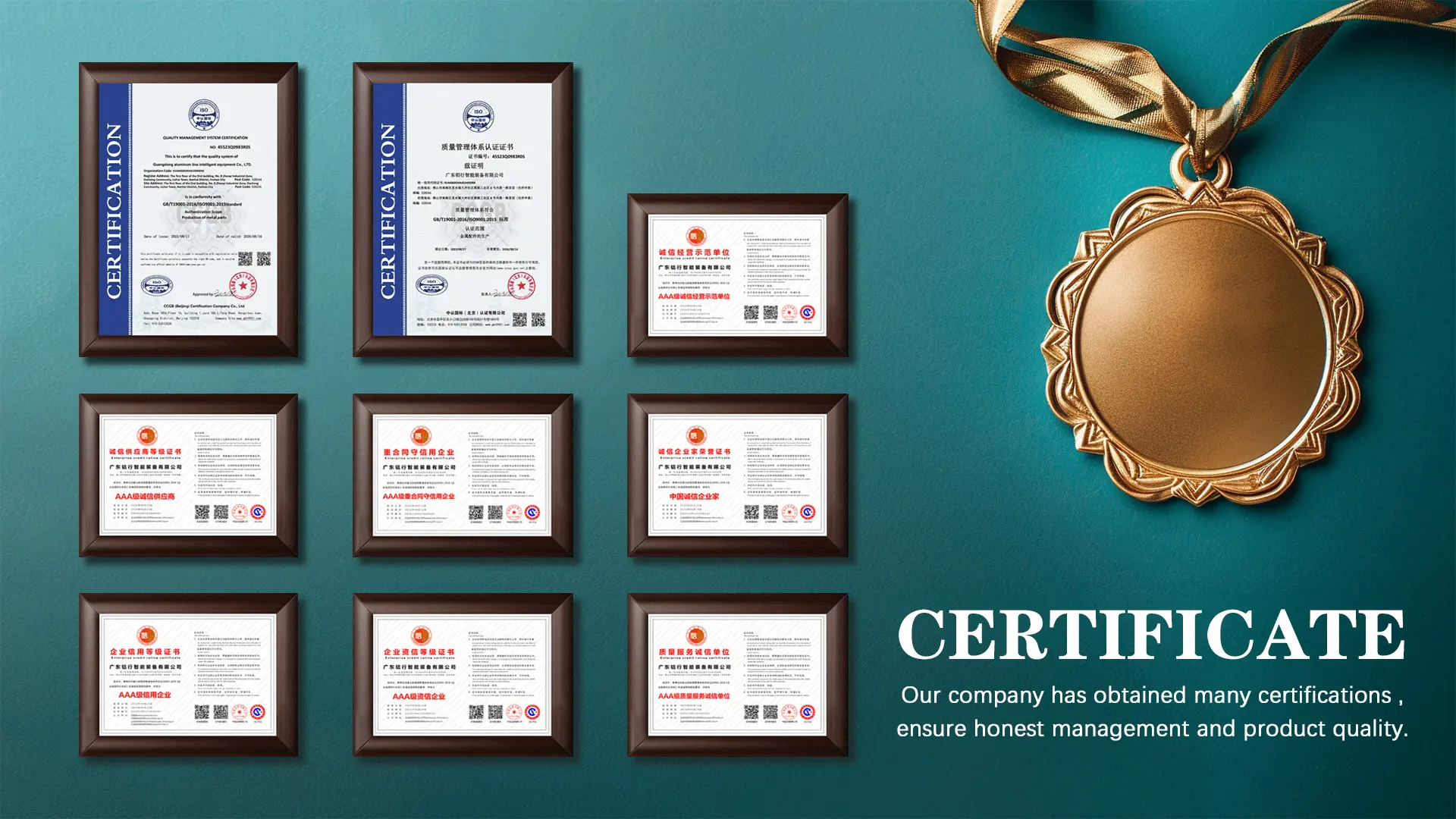
Certified in compliance with GB/T19001-2016/ISO9001:2015 standards, Lvxing guarantees quality control verification at every stage—from melt analysis and extrusion geometry inspection to dynamic balance verification of active motor assemblies. We operate as a trusted global supply partner, driving the growth of high-accuracy quartz movements and precision micromotors worldwide.

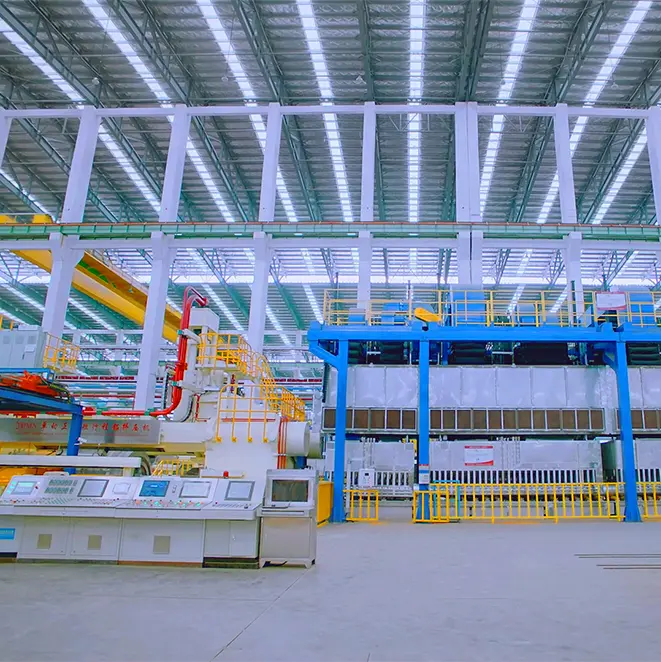
LvXing Advanced Industrial Manufacturing Facility
2015
Year Established
20,000T
Max Extrusion Capacity
ISO9001
Quality System Certified
15+ Yrs
Technical Team Experience

Whitepaper: Precision Engineering of Quartz Watch Step Motor Rotor Magnets

In modern chronographic micro-mechanics, the Lavet-type step motor remains the uncontested core mechanism for quartz watch movements. Operating at the heart of this motor is the rotor magnet, an ultra-small, highly specialized permanent magnet. The rotor magnet's performance determines the overall energy consumption, response time, lifespan, and kinetic accuracy of the watch movement. As global watch brands push the boundaries of battery efficiency and casing thickness, sourcing raw materials and final rotor elements with impeccable micro-tolerances has become a critical engineering challenge.

This technical whitepaper explores the physical, chemical, and industrial factors governing the production of step motor rotor magnets. By examining Chinese supply ecosystems, technical alloy properties, and raw-material processing limits, it outlines the strategies global procurement managers employ to ensure consistent, defect-free high-volume shipments.

1. The Physics of Lavet Step Motors & Magnetic Requirements

The Lavet step motor converts electrical pulses from the quartz crystal circuit into mechanical rotational steps. The stator, typically constructed from a high-permeability soft magnetic alloy (such as Permalloy), concentrates a magnetic field that acts upon the rotor magnet. When a transient current passes through the coil, it alters the polarization of the stator, driving the rotor magnet through a 180-degree rotation. The precision of this movement relies on:

  • High Remanence (Br) and Coercivity (Hcj): Ensures that the miniature rotor magnet retains its magnetic orientation even when subjected to adjacent electromagnetic pulses and external stray magnetic fields.
  • Minimal Rotational Inertia: The rotor magnet assembly must be as light as possible. This is where advanced micro-machining of aluminum or brass central sleeves becomes vital to protect the delicate shaft pivots.
  • Diametrical Magnetization: Unlike typical industrial ring magnets that are axially oriented, watch step motor rotor magnets require precise diametrical magnetization across the diameter of the micro-cylinder.

2. Material Selection: SmCo vs. NdFeB vs. Sintered Ferrite

Different horological applications demand distinct magnetic properties. While NdFeB (Neodymium Iron Boron) provides superior magnetic density, SmCo (Samarium Cobalt) remains the standard for luxury or high-stability chronographs due to its exceptional temperature coefficient and resistance to oxidation.

Material Type Remanence (Br) - mT Coercivity (Hcb) - kA/m Max Operating Temp - °C Corrosion Resistance Primary Application Scenario
Samarium Cobalt (SmCo5 / Sm2Co17) 850 - 1150 600 - 900 250 - 350 Excellent (No coating needed) Luxury Watch Movements, Marine Chronometers
Neodymium (NdFeB - Sintered) 1100 - 1450 800 - 1200 80 - 180 Poor (Requires NiCuNi/Parylene) High-Torque Smart Wearables, Smart Watches
Sintered Ferrite (Hard Ferrite) 350 - 450 200 - 350 250 Outstanding Low-Cost Wall Clocks, Utility Quartz Timers

3. Manufacturing Process and Quality Tolerances

The manufacturing process of watch rotor magnets involves powder metallurgy, sintering under controlled atmospheres, precision slicing, inner/outer diameter grinding, and dynamic balancing. Tolerances are measured in micrometers (μm). A typical quartz watch rotor shaft has a diameter of less than 0.2 mm, while the magnet itself often measures only 0.8 mm to 1.5 mm in outer diameter with a thickness of 0.4 mm to 0.8 mm.

Achieving concentricity within ±0.005 mm is vital. Any eccentricity in the magnet relative to the rotor shaft introduces asymmetrical load profiles on the ruby or synthetic jewel bearings, accelerating mechanical wear and causing the watch to lose time or experience premature battery drain.

Our Competitive Edge in Precision Components

Why leading industrial manufacturers trust LvXing's engineering capabilities and specialized material solutions.

Aerospace Grade Certification
Aerospace Quality Standard

We have obtained the "Special Aluminium Materials for Aerospace" Certificate. This verifies that our metals meet the highest criteria for mechanical stress resistance, chemical purity, and thermal performance.

Extrusion Line Capacity
800T to 20,000T Extrusions

We utilize high-quality Fenglu aluminum profiles. With extrusion lines ranging from 800T to 20,000T, we produce alloys in 1xxx, 2xxx, 3xxx, 5xxx, 6xxx, and 7xxx series with section dimensions up to 1.2m wide or 28m long.

Technical Engineering Team
15+ Years Technical Expertise

Our team of technicians possesses over 15 years of experience in micro-mechanics and metallurgical design. We proactively identify fabrication risks, refine geometries, and convert abstract concepts into precise hardware.

China Factory Advantages in Micro-Magnet Manufacturing

The concentration of raw material extraction, rare-earth refinement, and precision machining makes China the global hub for watch rotor magnet manufacturing. As a leading manufacturer based in Foshan, Guangdong, LvXing bridges raw material sourcing and micro-component optimization under one roof.

Sourcing Rare-Earth Elements Directly

Over 80% of the world’s rare-earth processing occurs in China. This proximity to neodymium and samarium purification facilities reduces logistics costs and shields our buyers from geopolitical price volatility. We secure high-grade raw blocks with traceable material certifications directly from localized refineries, ensuring consistent raw alloy performance for our components.

Micro-machining and Extrusion Integration

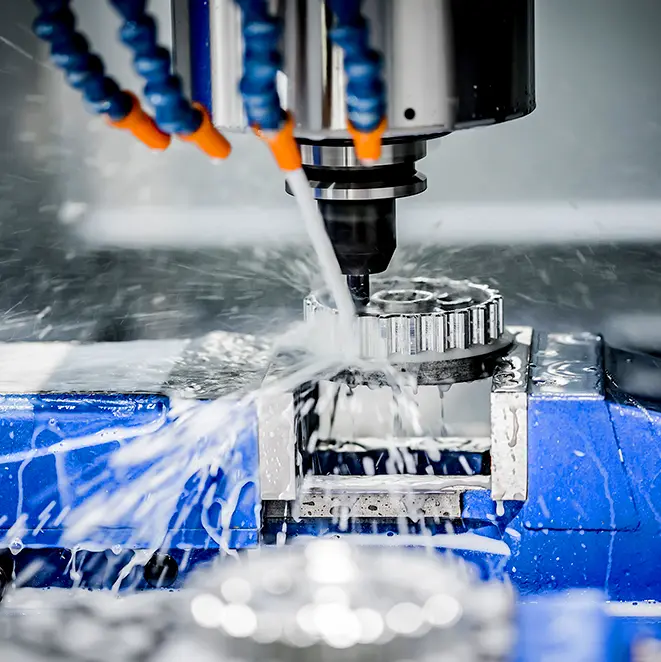
A rotor magnet is useless without its housing, shaft, or gear assembly. Our facility utilizes high-tonnage extrusion lines (up to 20,000T) and advanced Swiss-type CNC automatic lathes. We manufacture structural rotor sleeves, shafts, and micro-housings that seamlessly enclose the magnet. This vertical integration guarantees that the rotor assembly arrives balanced, calibrated, and ready for mounting on movement mainplates.

Cost Efficiency and Scalability

Our high-throughput production lines utilize advanced automated sorting and testing systems, including laser dimension sensors and computerized magnet flux testers. We produce millions of units monthly with defect rates under 10 PPM (parts per million), meeting the scale and quality demands of global horology giants.

Global Enterprise Sourcing & Procurement Demands

Global procurement managers face unique risks when sourcing micro-magnetic components. A single out-of-spec batch can shut down an assembly line, costing hundreds of thousands of dollars. We address these concerns by adhering to a strict quality assurance protocol:

  • Dimensional Verification: Every batch is measured via high-resolution 3D optical coordinate measuring machines (CMMs) to guarantee OD, ID, and concentricity within micrometric parameters.
  • Magnetic Moment Testing: We employ fluxmeters and Helmholtz coils to verify magnetic moment uniformity. Fluctuations in magnetic output cannot exceed ±3% across an entire production batch.
  • Surface Finish Integrity: For NdFeB-based rotors, coating thickness (typically 2-5 μm of Parylene or NiCuNi) is checked using X-ray fluorescence (XRF) to ensure the coating does not interfere with the air gap between rotor and stator.

Need a Macro Industrial Solution?

From aerospace-certified structural aluminum profiles to high-precision micro-motor components, LvXing Intelligent Equipment Co., Ltd. delivers custom solutions engineered to withstand extreme stress, mechanical wear, and magnetic flux variations. Contact our engineers today for a tailored quote.

Explore Motor Rotor Engineering

Frequently Asked Questions (FAQ)

Technical answers to common engineering and sourcing questions about quartz watch rotor magnets and micro-assemblies.

Why is Samarium Cobalt (SmCo) preferred over Neodymium (NdFeB) for quartz watch rotors?
SmCo features superior thermal stability and corrosion resistance. Watch movements operate without internal lubricants on the magnets, exposing them to humidity and sweat. Unlike NdFeB, SmCo does not oxidize and maintains stable magnetic output across fluctuating temperatures, ensuring long-term timing accuracy.
What is the standard tolerance limit for watch step motor rotors?
For critical applications, outer and inner diameters are held within ±0.005 mm (5 microns). Concentricity and cylindrical runout are held within 0.003 mm to ensure balance during rapid rotational stepping.
How does LvXing ensure the dynamic balancing of these micro-assemblies?
We integrate high-precision CNC turning with automated dynamic balancing machines. The magnetic core is precisely press-fitted or bonded into aluminum or brass carrier sleeves, minimizing mass asymmetry before magnetization is applied.
What surface coatings are applied to prevent corrosion on neodymium magnets?
We offer Parylene coating, Nickel-Copper-Nickel (Ni-Cu-Ni) plating, or specialized epoxy coatings. Parylene is preferred for micro-rotors because it provides a uniform, pinhole-free barrier layer at thicknesses of just 2 to 5 microns.
Can you provide customized dimensions for non-standard quartz movements?
Yes. Our internal tooling shop and CNC grinding systems can produce custom-dimensioned inner/outer diameters, lengths, and custom aluminum or brass integration shafts based on your technical drawing files (STEP, IGES, or DWG).
What quality management certifications does your factory hold?
Our facilities are certified under the GB/T19001-2016/ISO9001:2015 standard. Additionally, we hold specialized certificates for manufacturing aerospace-grade aluminum profiles and structural assemblies.

LvXing Intelligent Equipment Co., Ltd. — Your trusted partner in precision metallurgy, micro-magnetic rotors, and extruded aluminum component systems.