Explore our premium grade certified perimeter safety nets custom fabricated for offshore, marine, and commercial operations.
Analyzing critical safety compliance, metallurgy selection, and the engineering dynamics governing extreme environments.
In modern industrial, civil aviation, and offshore offshore operations, the safety of crew members, personnel, and equipment is paramount. Aerial safety nets and helideck perimeter safety meshes serve as the final critical defense barrier preventing catastrophic falls and aviation accidents. Historically, perimeter safety configurations relied heavily on polymeric netting, such as polyester or nylon. However, exposure to harsh marine environments, aggressive ultraviolet (UV) radiation, and extreme temperature fluctuations causes rapid polymer degradation, compromising load-bearing limits. Today, the global commercial sector has firmly transitioned to high-performance, structural-grade metals, primarily corrosion-resistant aluminum alloys and marine-grade stainless steel.
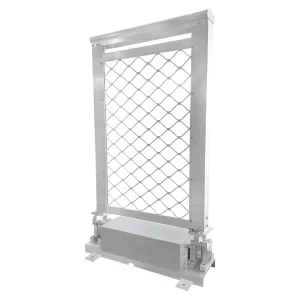
Conforming to the rigorous civil aviation authority standards for offshore operations, specifically UK CAA CAP 437 guidelines, dictating dynamic impact thresholds.
Utilizing high-tensile 6000 and 7000 series aluminum alloys engineered to absorb kinetic energy without brittle failure during drop test operations.
Flexible mechanical system integration ranging from manual tensioned swing systems to automated electric motorized safety net solutions.
Industries spanning offshore oil and gas platforms, offshore wind substations, naval vessels, rooftop hospital trauma centers, and high-rise commercial structures require custom-engineered safety nets. These installations must pass rigorous drop tests, typically demanding the absorption of a minimum dynamic force equivalent to a 100kg mass dropped from a height of 1 meter (approx. 2.3 kJ dynamic energy). Meeting this threshold requires specialized structural aluminum frames and high-tensile mesh systems designed to flex and dissipate energy safely. Additionally, international maritime regulations require these structures to operate in extreme corrosion classification zones (C5-M environment), necessitating superior anodization or specialized alloys resistant to stress-corrosion cracking.
Established in 2015 and located in Foshan City, Guangdong, LvXing Intelligent Equipment Co., Ltd. boasts a skilled R&D team with extensive experience. We leverage exceptional technical expertise to effectively transform customers' ideas into reality, consistently meeting their precise requirements.
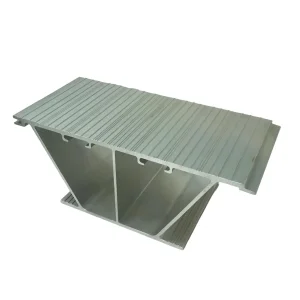
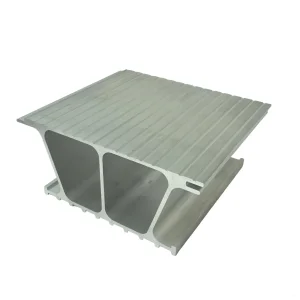
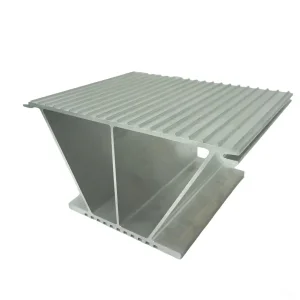
We utilize premium Fenglu aluminum, offering a diverse range of profiles for flexible applications. Our extrusion lines, ranging from 800T to 20,000T, accommodate alloys 1xxx, 2xxx, 3xxx, 5xxx, 6xxx, and 7xxx, allowing us to produce shaped products with section dimensions up to 1.2 meters in width and 28 meters in length. These products are recognized for their precision and meticulous processing, finding broad application in aerospace, military, medical, and industrial sectors.
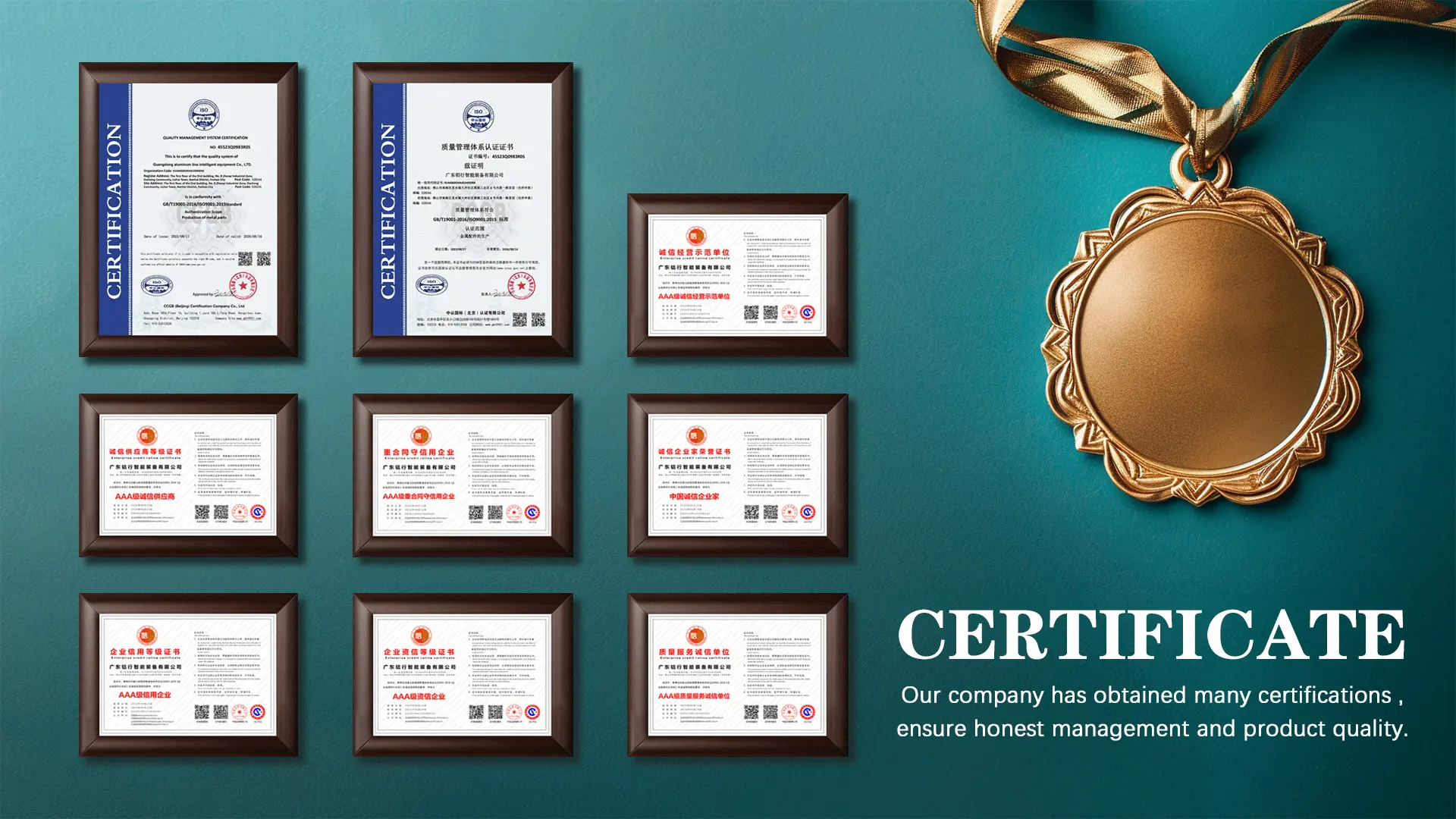
Our commitment to excellence is evident throughout the manufacturing process, rigorous quality control, thorough packaging, and efficient shipping procedures. This dedication has earned us recognition as a national excellent and honest enterprise, along with quality system certification in accordance with GB/T19001-2016/ISO9001:2015 standards.
Extrusion Capacity
Quality System Certification
Max Profile Width
Max Profile Length
The engineering behind helideck and aerial perimeter protection systems requires structural durability and high safety margins. Standard safety nets fail when exposed to weathering and dynamic force. Lvxing Intelligent Equipment solves these challenges by utilizing premium Fenglu aluminum, using advanced structural engineering parameters:
Depending on the structural application, vessel architecture, and operational frequency, system designers can specify either manual or automated electric mechanism configurations:
Electric Motorized Safety Nets: Engineered for naval shipdecks and commercial luxury megayachts where flight deck layouts change dynamically. Incorporating integrated actuators linked to PLC controllers, these perimeter nets unfold automatically. They provide rapid transition between active helicopter operations and clean deck configurations. Automated sensor safety interlocks stop deployment if obstruction occurs, preventing damage to the mechanism or airframe.
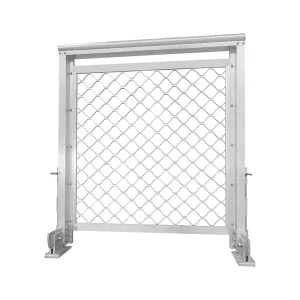
Manual Tensioned Safety Nets: Highly reliable, passive protection systems commonly installed on offshore drilling rigs, remote production platforms, and hospital rooftop helipads. These systems feature manual tension adjustment mechanisms, spring-assisted locking hinges, and structural aluminum profiles that require no power source to operate. This guarantees fail-safe operation during power outages or emergency evacuations.
Decades of collective technical experience, state-of-the-art aluminum extrusion lines, and certified quality standards.
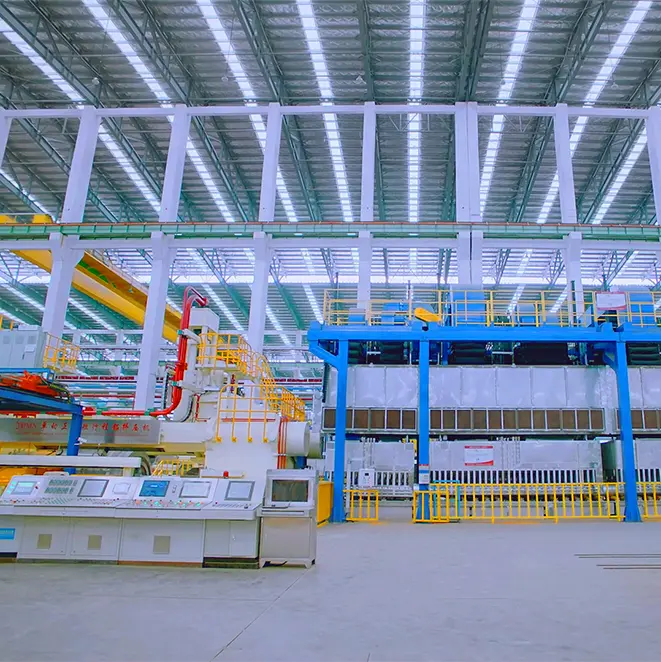

We have obtained the "Special Aluminium Materials for Aerospace" Certificate.
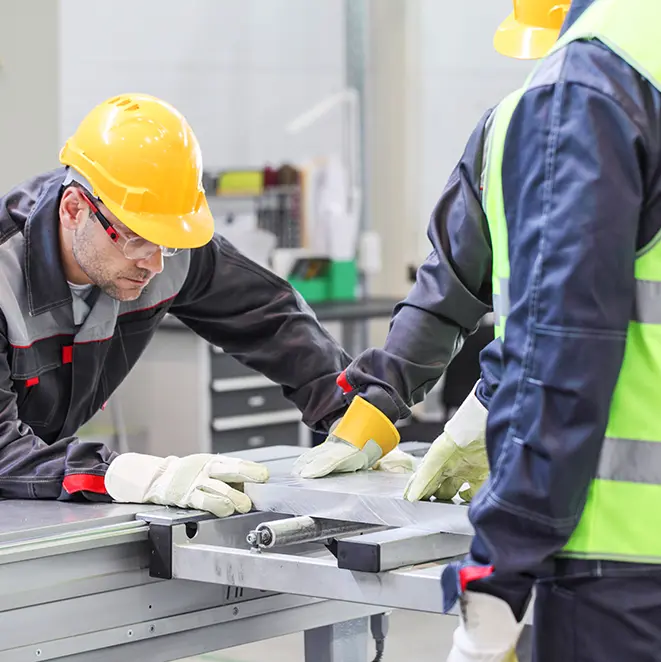

We provide and utilize high-quality Fenglu aluminum profiles. With extrusion lines ranging from 800T to 20,000T, we can produce alloys 1xxx, 2xxx, 3xxx, 5xxx, 6xxx, and 7xxx. We can manufacture fully shaped products with section dimensions up to 1.2 meters in width or 28 meters in length.
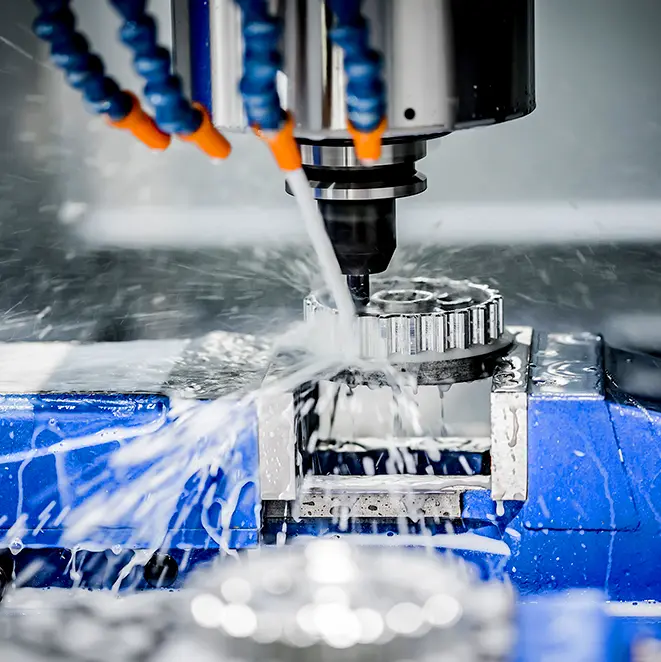

We have a team of technicians with 15 years of invaluable experience. Our deep understanding of customer requirements allows us to identify potential issues and offer practical insights, turning customer ideas into tangible products that meet specific needs.
How customized aerial safety nets perform across distinct municipal, marine, and emergency settings.
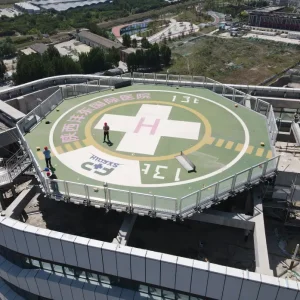
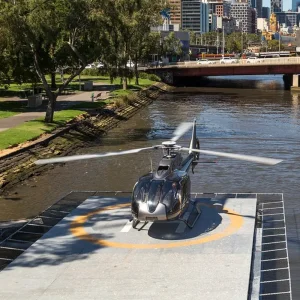
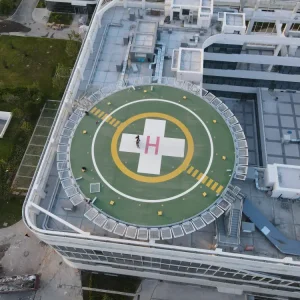
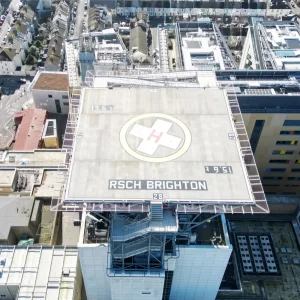
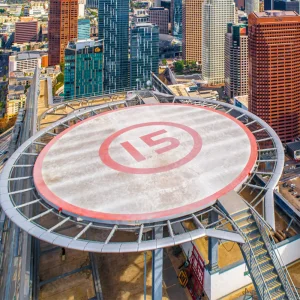
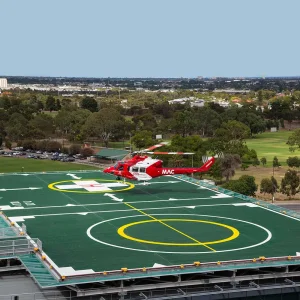
Urban rooftop helipads demand fireproof, low-maintenance materials. Our aluminum alloy profiles provide excellent structural stability and corrosion resistance without adding excessive dead weight to the host building. The mesh keeps pathways clear while ensuring maximum safety for medical evacuation crew members and patients.
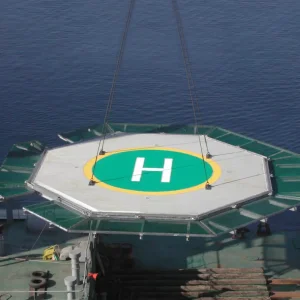
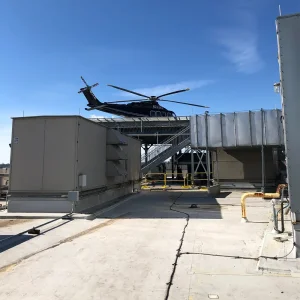
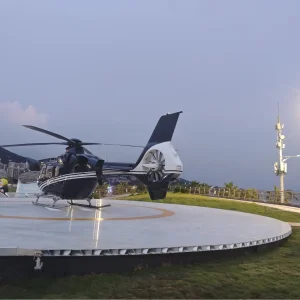
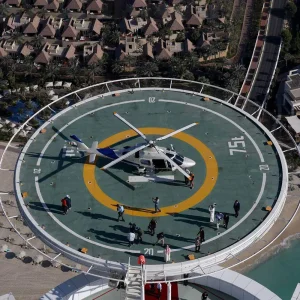
Subjected to salt spray, heavy storms, and temperature extremes, offshore helidecks demand the highest structural specifications. Our custom safety nets meet CAP 437 guidelines, maintaining integrity under wind shear and heavy seas while protecting workers from falling overboard.
Naval and commercial marine applications require safety solutions that integrate with vessel aesthetics and operational needs. Our motorized electric deployment safety nets fold down cleanly, maintaining clear sightlines and clean deck spaces during helicopter landing and storage phases.
Procuring aerial safety nets involves stringent compliance reviews to ensure structural reliability. Global procurement directors should evaluate potential suppliers using these technical parameters:
Key technical answers to assist engineering design and global procurement decisions.
Aluminum alloys deliver an exceptional strength-to-weight ratio, reducing dead load on offshore platforms and building structures. Unlike polymers, aluminum does not degrade under UV exposure. It also offers excellent corrosion resistance compared to standard carbon steels, and lower weight and cost than stainless steel.
The primary global standards include UK CAA CAP 437, ICAO Annex 14, and various regional civil aviation rules. For marine installations, classification societies like DNV, ABS, or CE certifications verify safety compliance, dynamic load absorption, and corrosion resistance.
Yes, we customize safety nets using our extrusion capabilities. Supported by extrusion lines ranging from 800T to 20,000T, we manufacture structural profiles up to 1.2m wide and 28m long, allowing us to supply safety systems tailored to project layouts.
Automated safety nets feature IP66/IP67 marine-rated electric actuators, stainless steel linkages, and corrosion-resistant control enclosures. Integrated limit switches and obstacle detection guarantee reliable automatic deployment under heavy sea states.
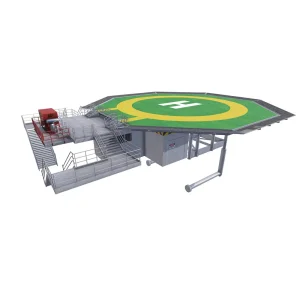
High-precision structural profile systems extruded and fabricated for specialized helipad installations.
 LvXing