Explore our foundational structural profiles, safety netting platforms, and precision assembly profiles manufactured to rigorous standards.
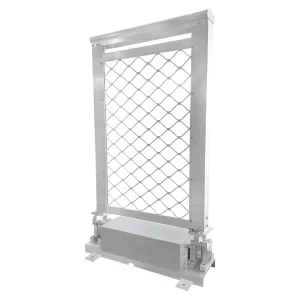
Established in 2015 and located in the core industrial hub of Foshan City, Guangdong, LvXing Intelligent Equipment Co., Ltd. stands as an industry-leading manufacturer of high-precision customized structural profiles. Our in-house research and development department works alongside globally minded structural engineering teams to translate abstract concept models into fully realized, high-load assemblies.
By leveraging premium-grade Fenglu Aluminum feedstocks, we maintain total control over mechanical and structural uniformity. With an extensive range of extrusion lines spanning from 800T to 20,000T, our facility is equipped to process alloys across the complete metallurgical spectrum, including the 1xxx, 2xxx, 3xxx, 5xxx, 6xxx, and 7xxx series. Our large-scale lines can produce intricately designed sections up to 1.2 meters in width and 28 meters in length, yielding high-accuracy components for the aerospace, military, marine, offshore, and medical engineering sectors.
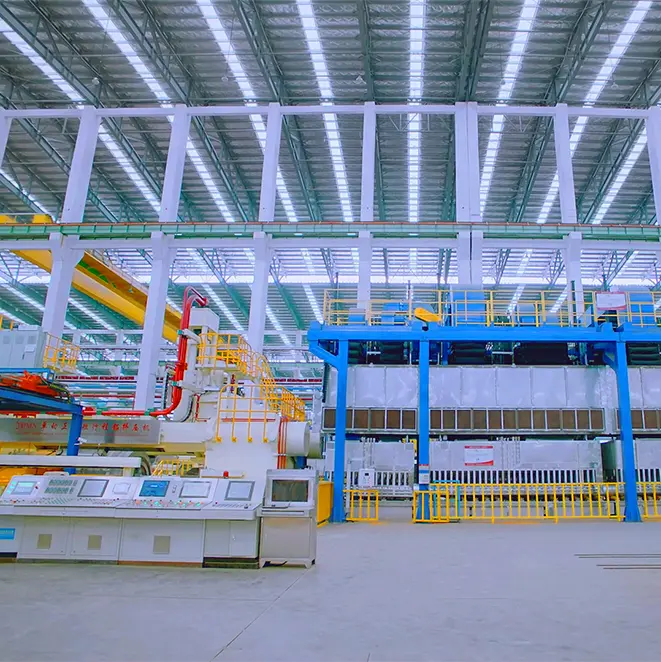
Aluminum profile frame design and assembly configurations have largely superseded structural steel and welded structures across critical engineering applications. Key material properties explain this transformation:
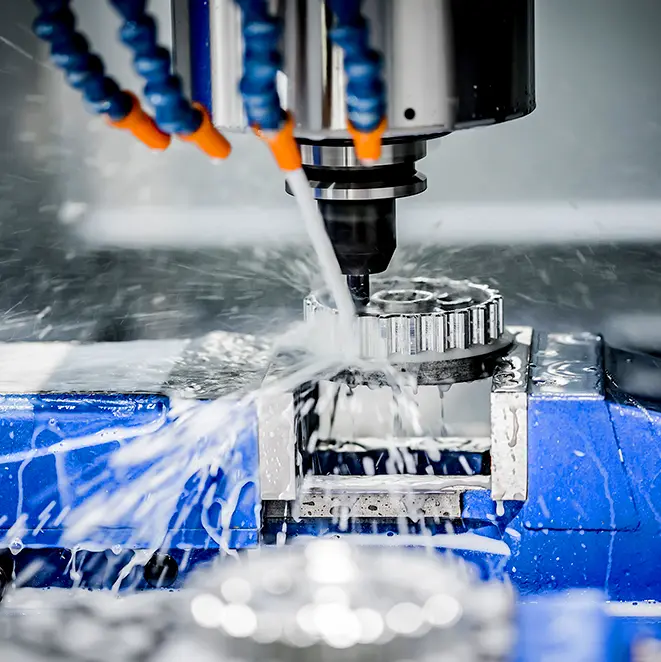
Selecting the appropriate alloy series dictates the performance limit, structural integrity, and durability of your custom aluminum frame assembly.
| Alloy Series | Primary Alloying Elements | Yield Strength Range (MPa) | Corrosion Resistance | Primary Industrial Applications |
|---|---|---|---|---|
| 6063-T6 | Magnesium & Silicon | 170 - 214 | High to Excellent | Architectural systems, light-duty machine frames, structural enclosures. |
| 6061-T6 | Magnesium, Silicon & Copper | 240 - 276 | High | Structural framing, automotive chassis elements, heavy machinery platforms. |
| 6082-T6 | Manganese, Silicon & Magnesium | 250 - 310 | Excellent | High-stress structural frames, marine gangways, bridges, heavy crane booms. |
| 5083-H112 | Magnesium & Manganese | 125 - 200 | Outstanding (Marine) | Subsea structural framing, shipbuilding hulls, cryogenic tank support structures. |
| 7075-T6 | Zinc, Magnesium & Copper | 480 - 540 | Moderate | Aerospace structural bulkheads, defense components, high-load military framing. |
For custom heavy-duty frameworks, the 6000-series alloy system remains the standard. For marine and offshore helideck structural undercarriages, 6082-T6 and 6061-T6 provide high strength and excellent resistance to chloride-induced stress corrosion cracking. For high-stress structural members, the integration of 7000-series alloys yields tensile performance figures that compete directly with structural steel.
Lvxing matches state-of-the-art aluminum extrusion capabilities with rigorous quality systems to meet complex global project criteria.
We are certified to produce custom aerospace aluminum profiles. Our alloys meet strict requirements for clean chemistry, grain size consistency, and fracture toughness under high dynamic loads.
Operating a fleet of heavy-duty extrusion presses ranging from 800T up to 20,000T, we can extrude massive solid, semi-hollow, and hollow profiles with high section complexity.
Our engineering team draws on 15 years of industry experience. We review and optimize profile designs to improve extrudability, reduce material costs, and prevent assembly-level tolerances issues.
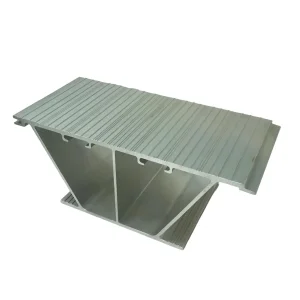
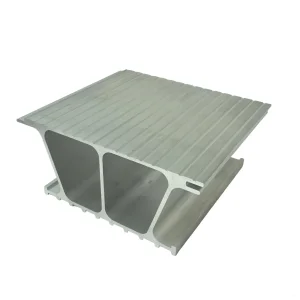
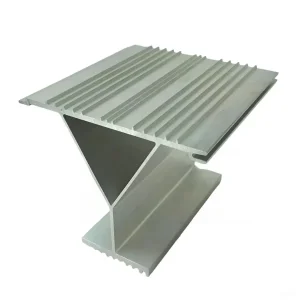
Designing custom aluminum profiles for heavy load-bearing frames requires an understanding of structural engineering, material behaviors, and processing constraints. In contrast to standard geometries, custom structural profiles are designed around load directions, torsion, and joint configurations.
A key objective in custom profile design is maximizing the profile's Second Moment of Area (Moment of Inertia, $I$) relative to its weight. This helps control deflection under load. When a profile frame experiences bending force, the maximum deflection ($\delta$) is calculated as follows:
δ = (F · L³) / (C · E · I)
Where F represents the applied force, L is the span length, E is the Modulus of Elasticity, and C is a constant based on boundary conditions. By placing material further from the neutral axis, we increase the Moment of Inertia ($I$) without adding material weight. Our engineers adjust wall thicknesses, add internal support webs, and position mounting tracks to meet these stiffness requirements.
A key benefit of custom aluminum profiles is the ability to extrude functional details directly into the cross-section. These include:

For modular structures assembled on-site, maintaining tight tolerances across long sections is critical. Standard commercial extrusions are subject to twist, bow, and camber tolerances that can accumulate over large assemblies. We adhere to strict EN 755-9 and ASTM B221 precision standards. We verify cross-sectional dimensions, wall thicknesses, and straightness to ensure components align properly during final assembly.
Our quality control team uses digital optical comparators, coordinate measuring machines (CMM), and go/no-go gauges to check structural dimensions at regular production intervals.
Foshan, Guangdong, is a leading global cluster for aluminum extrusion, metal fabrication, and die manufacturing. Sourcing custom profiles from this region offers several key advantages:
The concentration of raw material suppliers, specialized tooling workshops, surface finishers, and testing laboratories in Foshan reduces material handling costs and production lead times.
Local die design workshops can manufacture complex, multi-port extrusion dies quickly and cost-effectively. This makes custom profile development viable even for low-to-medium volume projects.
Proximity to Shenzhen and Guangzhou ports allows for direct shipping via ocean container, air freight, or multimodal networks, helping keep international transport costs low.
Custom structural aluminum profiles are utilized across several demanding sectors, including:
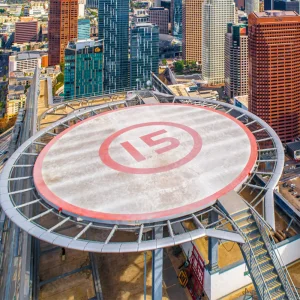
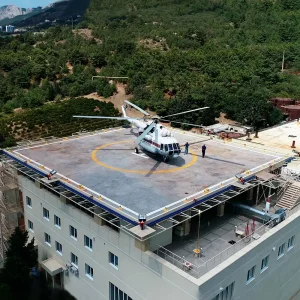
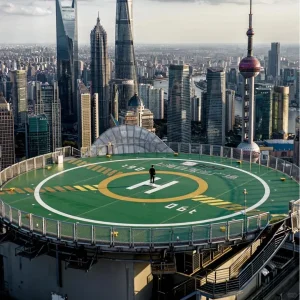
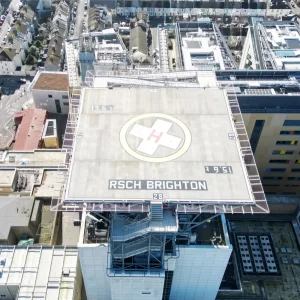
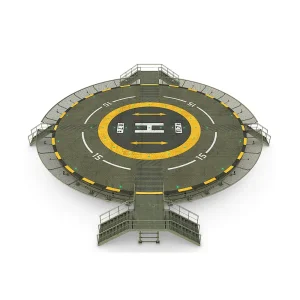
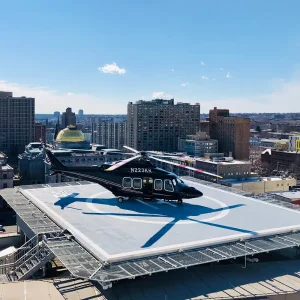
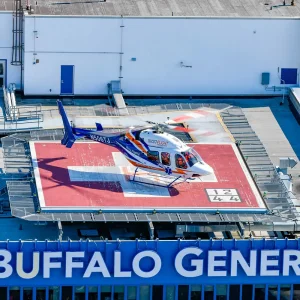
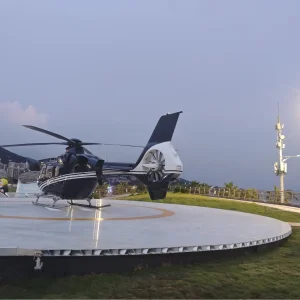
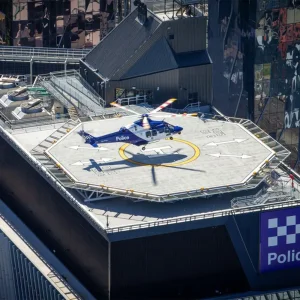
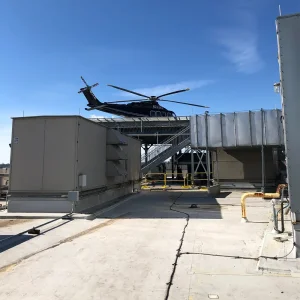
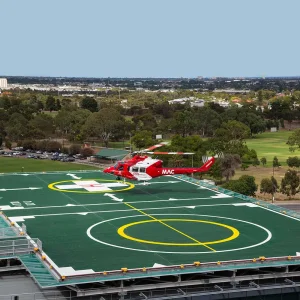
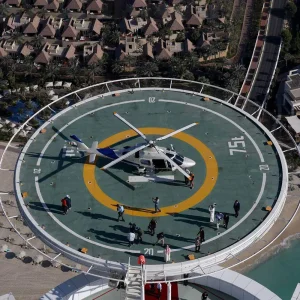
Helicopter landing decks must support dynamic impact loads under high wind conditions and in corrosive marine environments. Our interlocking aluminum profiles build lightweight, high-strength deck surfaces that assemble quickly and require minimal maintenance over their service life.
By using high-strength 7xxx series alloys, we supply light, structural profiles for mobile radar support structures, aircraft maintenance scaffolding, and tactical shelters that can withstand extreme climates.

Rooftop installations on high-rise buildings are subject to high wind loads. Structural aluminum framing provides the necessary strength while keeping weight low, avoiding structural modifications to the building's concrete core.
Factory automation systems require modular, flexible, and accurate framing. T-slot profile systems allow for fast mounting of linear actuators, sensors, conveyor systems, and safety guarding.

Global procurement teams must verify that products comply with local building codes, structural standards, and health guidelines. At Lvxing, we perform physical and chemical testing on every production run to ensure compliance with key international standards:
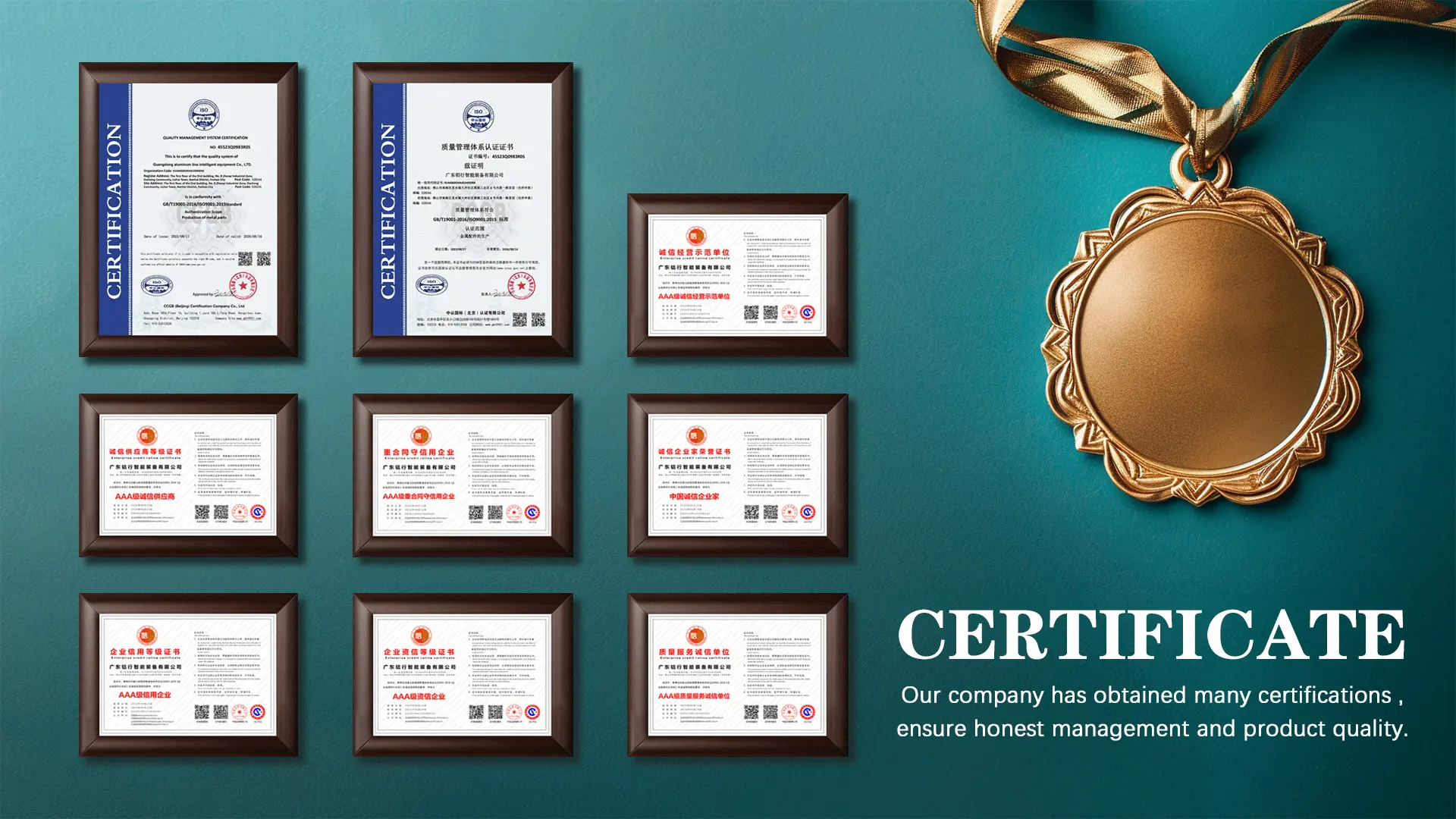
Our quality management system is certified to ISO 9001 standards, covering order receipt, tooling design, raw material sourcing, extrusion, heat treatment, and packaging.
Our structural aluminum profiles and safety net assemblies carry the CE mark, indicating compliance with European safety, health, and environmental protection requirements.
Our profiles are designed to meet international aviation and marine safety guidelines, including ICAO Annex 14, CAP 437, and FAA Advisory Circulars for landing decks.
We provide chemical analysis reports, mechanical properties certificates (Yield Strength, Tensile Strength, and Elongation), and anodizing thickness reports upon request. This documentation helps support local engineering submittals and building permit applications.
Several emerging trends are shaping the future of custom aluminum extrusions and structural assemblies:
Expert answers to technical questions about custom aluminum extrusion design, structural properties, and assembly methods.
Examine our specialized series of helipad aluminum profiles, landing decks, and safety equipment manufactured to global industry standards.
 LvXing