Direct manufacturer connections and configured specifications for elite architectural requirements.
LVXING Intelligent Equipment Co., Ltd. (established in 2015 and based in the core industrial hub of Foshan City, Guangdong) is a global leader in high-precision structural aluminum profiles and heavy-duty building envelope solutions. Backed by a highly experienced R&D team, we transition complex engineering concepts into reality, serving the commercial architecture, aviation, aerospace, and high-load industrial sectors.
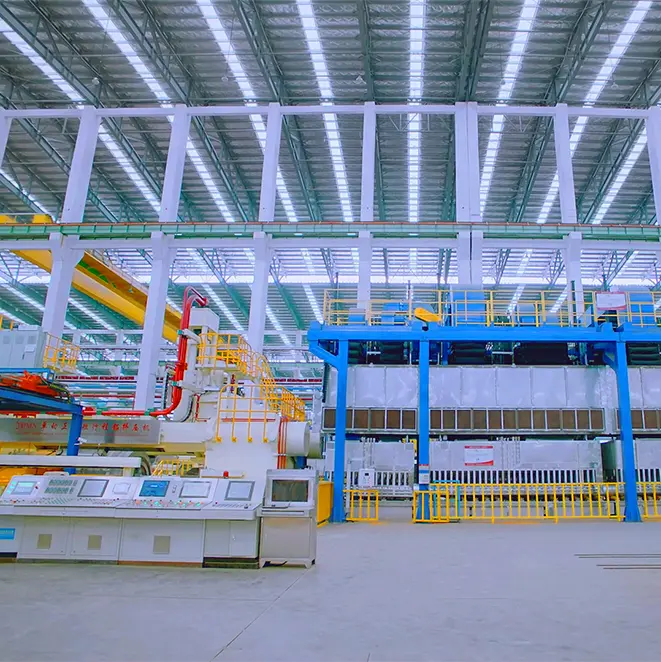
By utilizing premium raw materials from Fenglu Aluminum, our production capacity spans extreme dimensions. Our state-of-the-art extrusion lines range from 800T to 20,000T, allowing the custom fabrication of alloys across the 1xxx, 2xxx, 3xxx, 5xxx, 6xxx, and 7xxx families. We are uniquely positioned to produce fully shaped, complex structural sections with widths up to 1.2 meters and lengths up to 28 meters, complying with GB/T19001-2016 and ISO9001:2015 standards.
An authoritative guide to specifying high-load profiles for windows, doors, and structural interfaces.
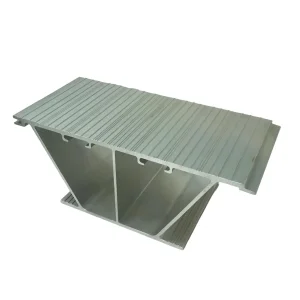
Modern building envelopes require a sophisticated balance of thermal insulation, wind load capacity, and durability. Traditional windows and doors used basic, non-insulated aluminum channels. Modern designs utilize high-moment-of-inertia, multi-cavity thermal break profiles. Integrating structural glass systems directly into large architectural frames requires tighter dimensional tolerances (often conforming to the DIN EN 12020 standard).
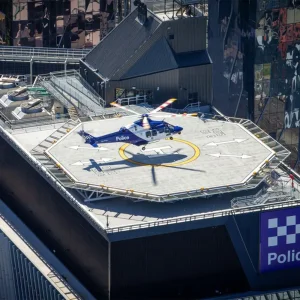
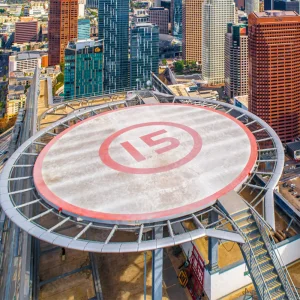
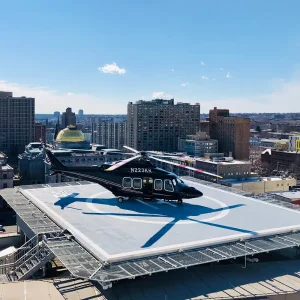
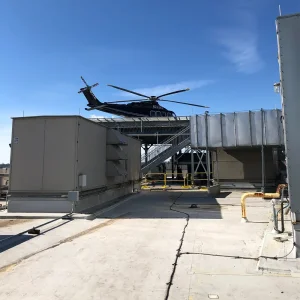
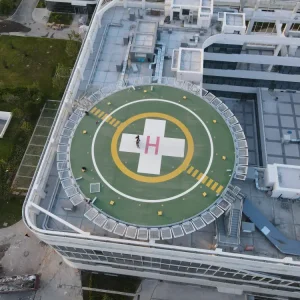
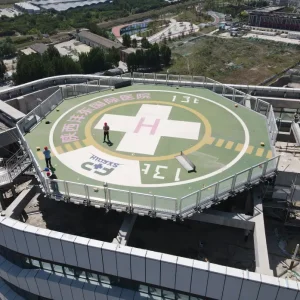
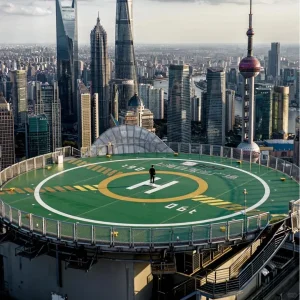
Structural stability under negative wind pressures on supertall skyscrapers demands high-yield-strength alloys. The transition zone between high-load rooftop helipads, architectural skylights, and outer curtain walls must handle complex dynamic loads. Understanding physical load-sharing between horizontal profiles (transoms) and vertical supports (mullions) is essential when specifying structural profiles.
| Alloy & Temper | Tensile Strength (MPa) | Yield Strength (MPa) | Primary Application Areas | Corrosion Resistance |
|---|---|---|---|---|
| 6063-T5 / T6 | 186 - 240 | 145 - 214 | Standard Architectural Windows, Hinged Doors, Light Frames | Excellent (Atmospheric) |
| 6061-T6 | 290+ | 240+ | Structural Mullions, High-Load Framing, Marine Brackets | Very High |
| 6082-T6 | 310+ | 260+ | Helideck Structural Profiles, Highly Stressed Components | Excellent (Marine/Industrial) |
| 7075-T6 | 570+ | 500+ | Aerospace Structural Anchors, Military Tactical Enclosures | Moderate (Requires Coating) |
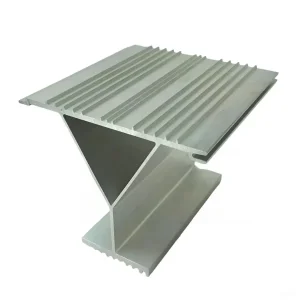
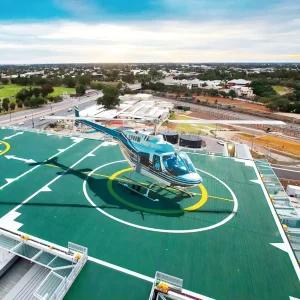
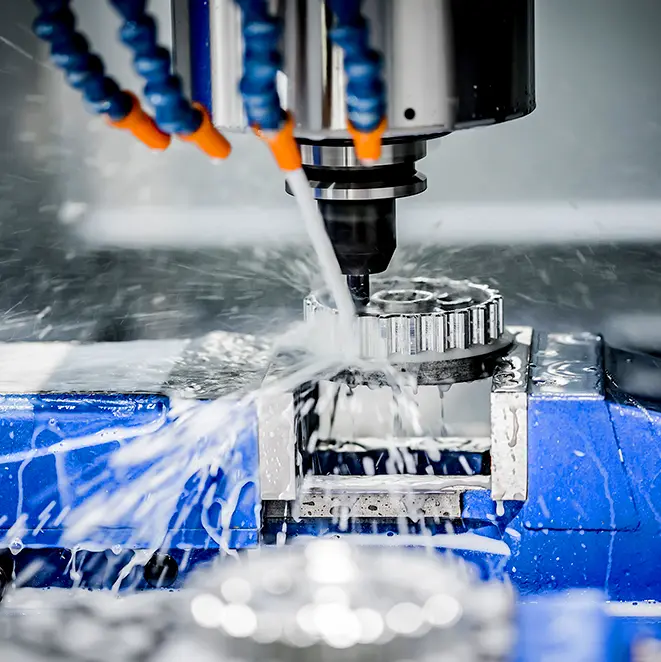
The extrusion press capacity determines the maximum circumscribing circle diameter (CCD) and the wall thickness limits of a profile. A small 800T press is ideal for thin-walled, intricate window frames where surface finish is critical. In contrast, a 20,000T press handles large profiles, such as a 1.2-meter wide multi-void structural profile or 28-meter continuous structural members for helipads and facades.
During extrusion, managing billet heating temperature (typically 420°C to 520°C) and die flow dynamics is critical. Consistent temperature prevents micro-cracks and structural weaknesses. Quenching systems (water spray or forced air) immediately after extrusion lock in the mechanical properties. This process ensures the profile meets the required hardness (Webster values) before artificial aging in heat treatment ovens.
Foshan, Guangdong, is the global hub for aluminum extrusion manufacturing. The local supply chain provides several key advantages:
Integrating aerospace-grade engineering into architectural structural solutions.

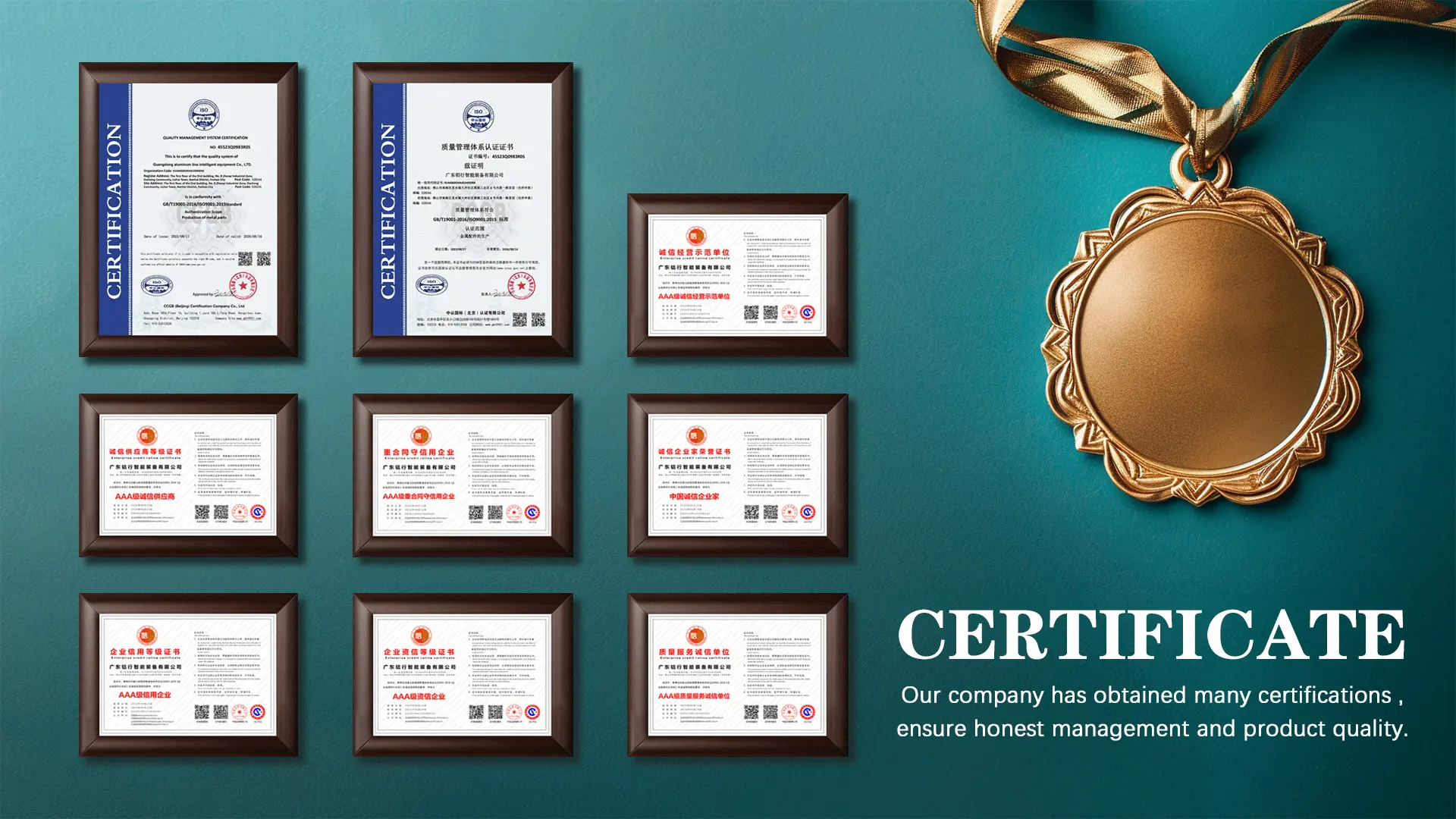
We hold the prestigious "Special Aluminium Materials for Aerospace" Certificate. This guarantees that our manufacturing processes, chemical compositions, and mechanical property testing meet high international standards.

We source raw materials from Fenglu Aluminum. Using extrusion lines from 800T to 20,000T, we supply alloys across 1xxx to 7xxx series, with dimensions up to 1.2m wide and 28m long.

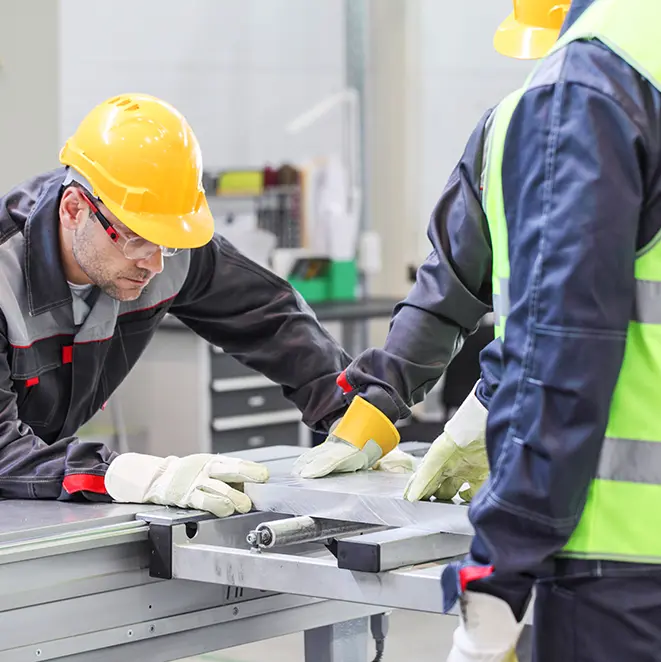
Our engineering team has over 15 years of industry experience. We review structural designs, run Finite Element Analysis (FEA) testing, and optimize profile geometry to prevent structural issues before mass production.
How our engineering solutions meet national structural and thermal standards.
Architectural aluminum profiles must be customized for their specific installations:
Our quality control programs ensure that every batch of aluminum profiles matches global design codes, backed by direct documentation:
Clear, direct answers for procurement directors, structural engineers, and facade consultants.
For standard architectural profiles, custom die fabrication takes 7 to 10 days. Die costs depend on the profile's circumscribing circle diameter (CCD) and geometry. We typically amortize or refund the die tooling cost once a customer's order volume reaches a specified threshold (e.g., 5 to 10 metric tons).
For standard window frames, we recommend 6063-T5 or T6 because of its excellent surface finish and ease of fabrication. For high-traffic commercial doors or large curtain walls subject to high wind loads, we recommend 6061-T6 or 6082-T6. These alloys offer higher yield and tensile strength to handle structural stress.
We use precision stretch straighteners on our 800T to 20,000T extrusion lines. This minimizes twist and bow, keeping our profiles within the tolerances specified by EN 12020-2 and ASTM B221, even for continuous sections up to 28 meters long.
For projects near coastal areas, we recommend a Class I anodized finish (minimum 18 to 25 microns) or a PVDF (fluorocarbon) coating. These finishes protect the aluminum against salt-spray corrosion and UV exposure, meeting AAMA 2605 specifications.
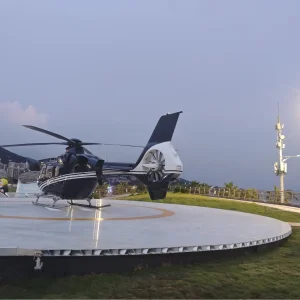
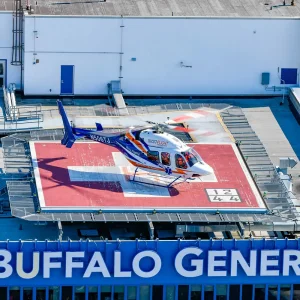
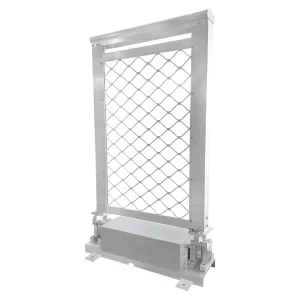
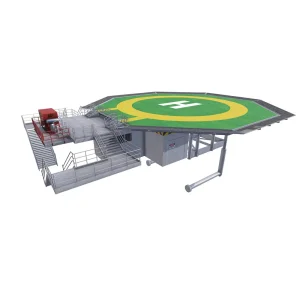
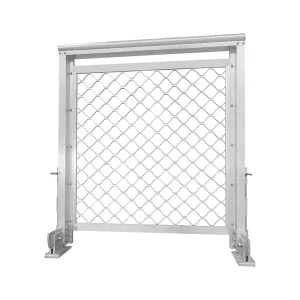
Yes. Our product range includes custom window and door profiles, structural building envelopes, and CE-certified rooftop helicopter landing decks with integrated safety nets. This provides a single source for your structural and facade aluminum needs.
We provide full documentation for every shipment, including ISO9001:2015 conformity certificates, Mill Test Reports (MTR) detailing chemical and mechanical properties, CE compliance certificates (where applicable), and anodizing/coating thickness verification reports.
Certified, heavy-duty structural profiles and landing deck assemblies.
 LvXing