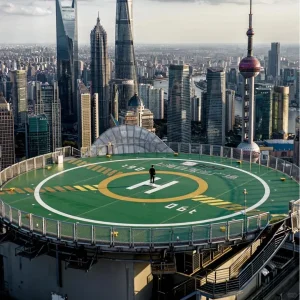
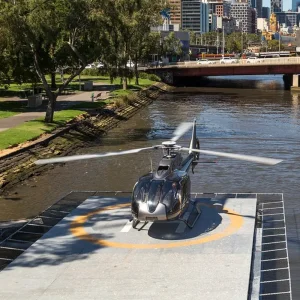
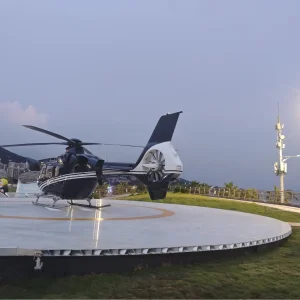
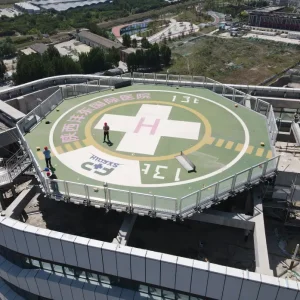
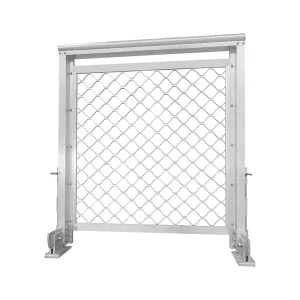
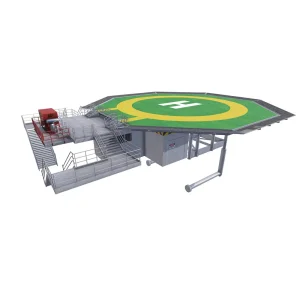
Explore our high-performance systems precision-designed for offshore helidecks, commercial skyscrapers, and municipal medical evacuation facilities.
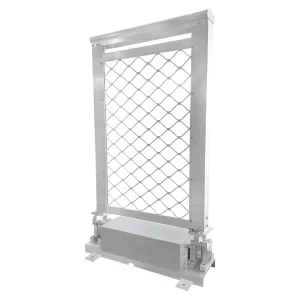
In modern structural engineering, especially within the maritime, offshore oil & gas, aviation, and high-rise construction sectors, the deployment of robust safety infrastructure is paramount. Custom Aluminum Safety Nets and Helideck Perimeter Systems serve as the ultimate passive safety barrier. They are specifically engineered to prevent personnel and equipment from falling off elevated landing decks and platforms.
Globally, regulatory bodies such as the International Civil Aviation Organization (ICAO), the Federal Aviation Administration (FAA), and the UK Civil Aviation Authority (via publication CAP 437) mandate strict safety standards for helidecks. These standards demand perimeter safety nets that are corrosion-resistant, structurally resilient under extreme dynamic loads, and designed to absorb energy without causing injury.
The global demand for high-strength aluminum profiles has surged as offshore wind platforms, floating production storage and offloading (FPSO) units, and municipal hospital helipads undergo continuous expansion. Aluminum has rapidly replaced traditional stainless steel and synthetic fibers due to its superior weight-to-strength ratio, resistance to harsh marine conditions (C5-M environments), and long-term maintenance-free operation.
Established in 2015 and located in Foshan City, Guangdong, LvXing Intelligent Equipment Co., Ltd. boasts a skilled R&D team with extensive engineering experience. We leverage exceptional technical expertise to effectively transform customers' ideas into reality, consistently meeting their precise requirements. Our facility is engineered for high-precision fabrication, providing solutions that form the backbone of safety installations worldwide.
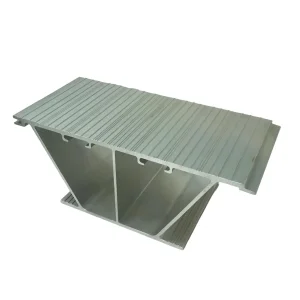
We utilize premium Fenglu aluminum, offering a diverse range of profiles for flexible applications. Our heavy-duty extrusion lines, ranging from 800T to 20,000T, accommodate alloys spanning the 1xxx, 2xxx, 3xxx, 5xxx, 6xxx, and 7xxx series. This unmatched production capacity allows us to produce complex shaped products with section dimensions up to 1.2 meters in width and 28 meters in length.
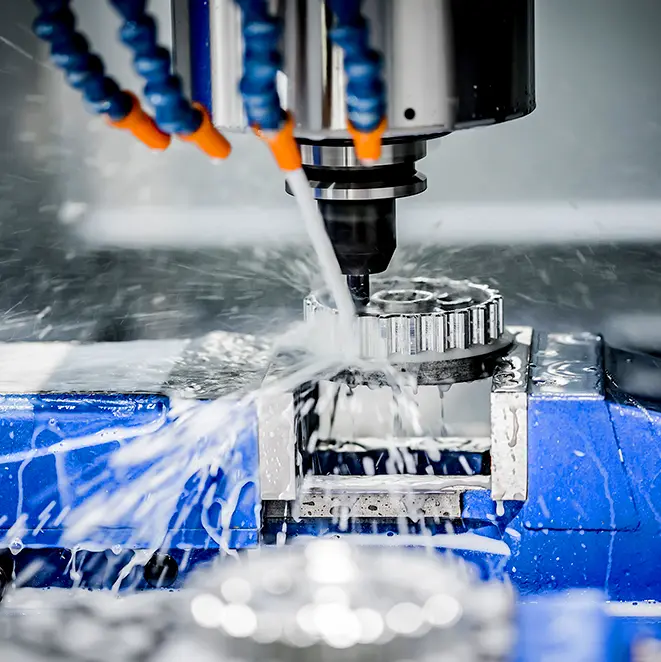
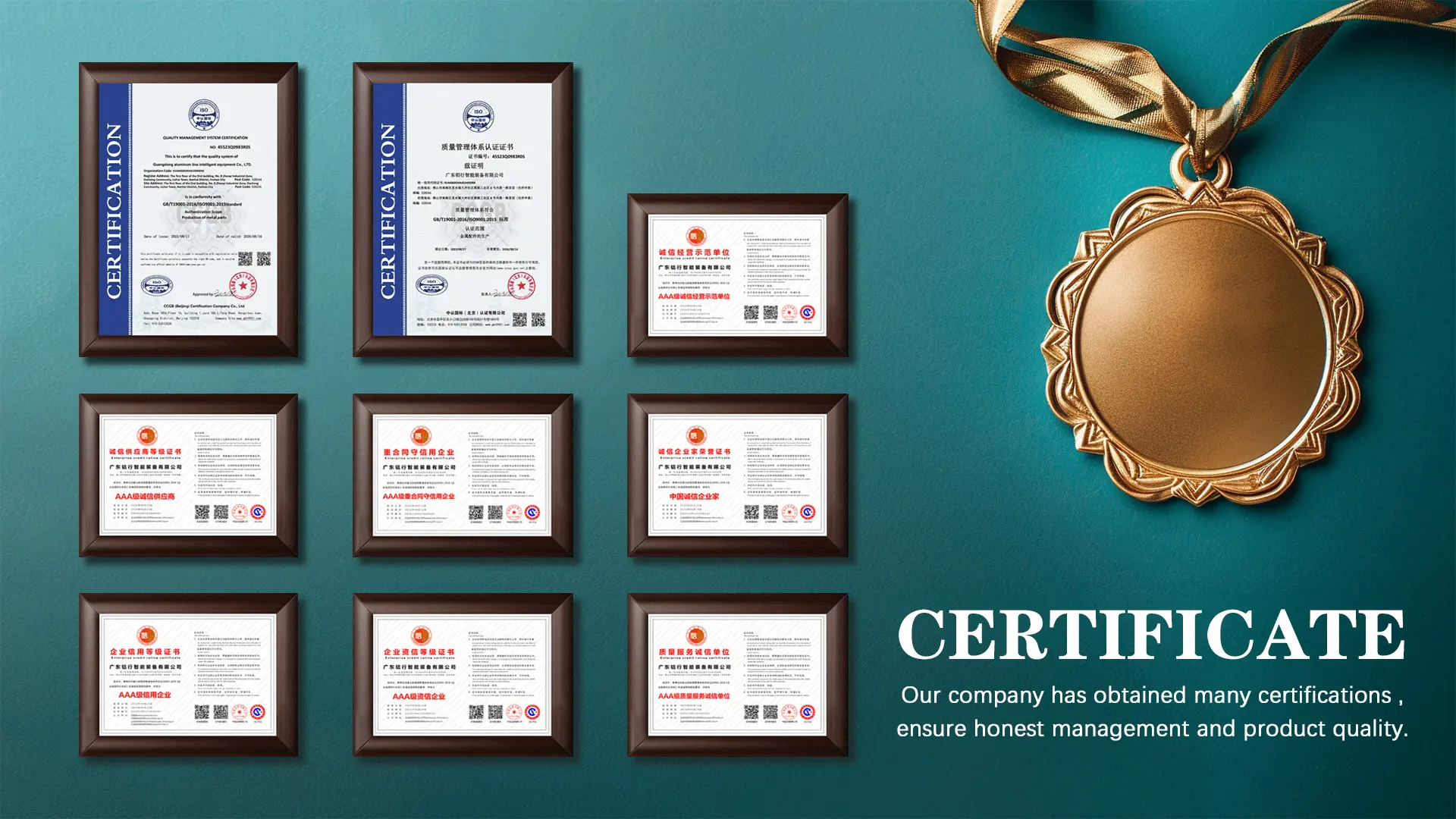
These products are globally recognized for their dimensional precision and meticulous CNC processing, finding broad application in aerospace, military, medical, and high-safety industrial sectors. Our commitment to excellence is evident throughout the manufacturing process, starting from raw material spectral analysis, rigorous quality control, specialized packaging, to efficient shipping procedures. This dedication has earned us recognition as a national excellent and honest enterprise, along with quality system certification in accordance with GB/T19001-2016/ISO9001:2015 standards.
Combining certified metallurgy, massive extrusion scale, and 15 years of industry-leading technical expertise.
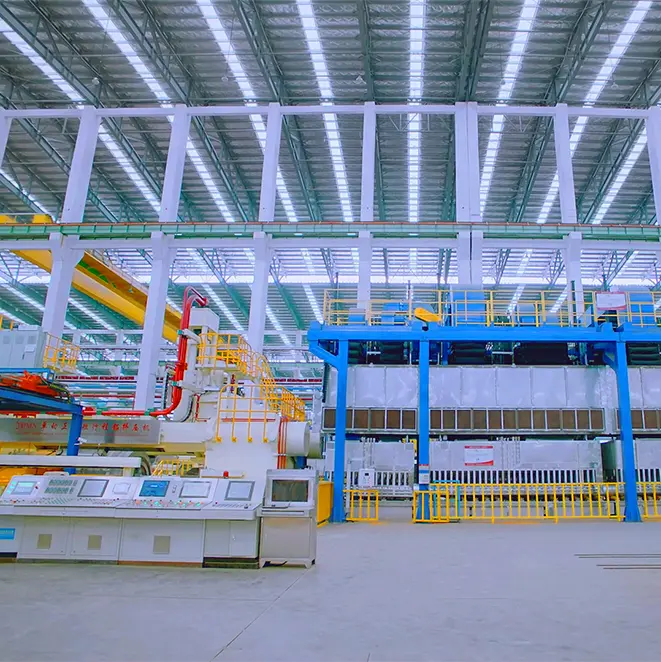

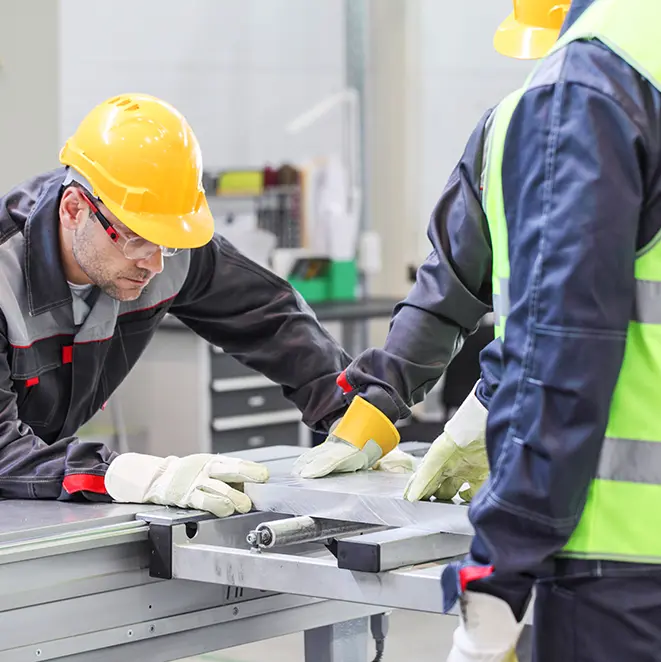


Aluminum safety nets and structural support meshes are implemented in high-risk zones across various localized industrial landscapes. Standardizing these solutions ensures optimized safety parameters:
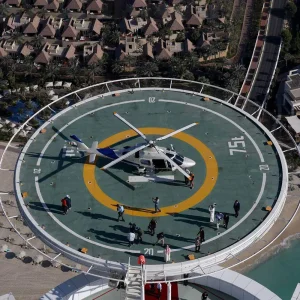
Operating on drilling rigs, FPSOs, and marine vessels requires safety nets that resist salt spray and rapid wind fluctuations. Using marine-grade 6082-T6 and 5052 alloys, Lvxing safety nets withstand severe corrosive exposure and mechanical impacts.
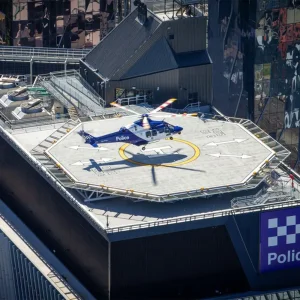
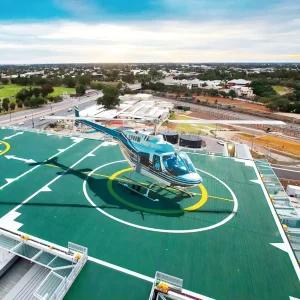
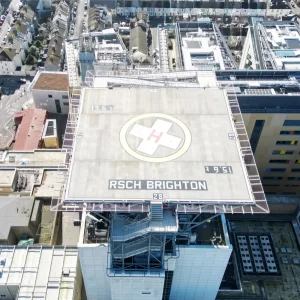
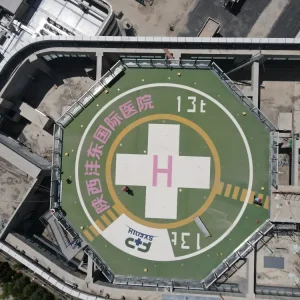
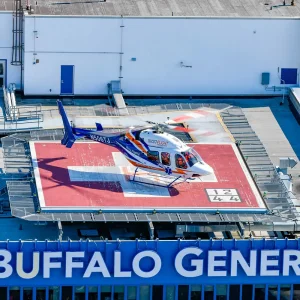
Urban medical centers utilize rooftop helicopter landing pads for trauma care. Safety nets must extend outward at a specific angle (usually 1.5 meters wide) to protect medical workers and emergency crews without obstructing pilot visibility or rotor dynamics.
Skyscraper emergency evacuation zones demand lightweight structures that do not exceed the architectural load limits of the building. The modular layout of our aluminum profile system reduces structural load while providing excellent safety coverage.
Our blueprint for transitioning into smart, eco-friendly, and highly automated perimeter protection systems.
Refining electric motorized safety nets that retract during non-operational hours, reducing exposure to high-altitude winds and improving structural lifespan.
Developing strain-gauge integrated netting profiles to transmit structural tension data in real-time, warning offshore engineers of mechanical fatigue.
Transitioning to green-hydrogen powered smelting partnerships to manufacture low-carbon safety nets, lowering the environmental footprint of global safety infrastructure.
Safety netting is not merely a combination of mesh and frame; it is an engineered energy dissipation system. In the event of a fall, the net must deform elastically, decelerating the falling body safely without presenting a trampoline effect that could rebound the individual back into danger.
By utilizing Fenglu Aluminum Profiles extruded up to 20,000T, Lvxing ensures uniform grain structures inside alloys. Let's look at the specific metallurgical breakdown and testing standards:
Expert engineering answers addressing load parameters, material characteristics, and installation requirements.
According to UK CAA CAP 437 and ICAO Annex 14, helipad perimeter safety nets must extend at least 1.5 meters outward from the edge of the landing platform. They must have an upward slope of approximately 10 degrees to prevent falling personnel from bouncing out. The system must undergo drop testing, proving it can withstand a minimum drop energy equivalent to a 100kg mass dropped from a height of 1 meter without structural failure.
Anodized 6000-series aluminum offers superior corrosion resistance in salt-laden coastal atmospheres (C5-M environment) due to the formation of a natural oxide layer. It weighs approximately 66% less than stainless steel, reducing the overall structural load of the cantilevered deck, making installation simpler and reducing stress on the primary building structure.
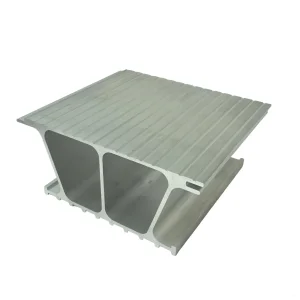
Our 20,000T extrusion press allows us to manufacture exceptionally large profile sections up to 1.2 meters wide and 28 meters long. This reduces the number of welded joints required in large installations like helipads, increasing structural integrity, eliminating potential weld-fatigue zones, and streamlining assembly timelines on site.
Yes. Backed by our technical team with 15 years of industry experience, we offer custom-tailored fabrication. We utilize CNC processing and customized extrusion dies to design irregular shapes, varying angles, and custom attachment brackets that bolt directly onto existing platforms without the need for hot work.
Electric perimeter safety nets utilize automated motorized actuators to fold or unfold the safety system remotely from a central control room. This is ideal for rough weather conditions or when helidecks must clear airspace quickly. Manual systems require ground crew intervention but offer extreme reliability and simpler maintenance.
Our comprehensive line of certified helicopter landing structures and perimeter defense screens.
 LvXing