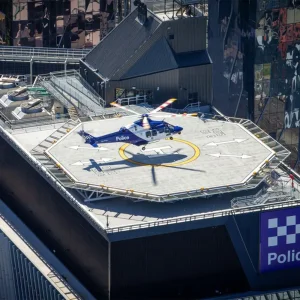
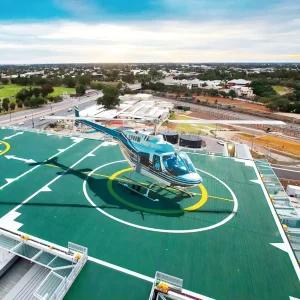
Explore our certified solutions engineered for heavy dynamic loads and severe environmental exposure.
Established
Max Extrusion Capacity
Maximum Section Width
R&D Engineering Expertise
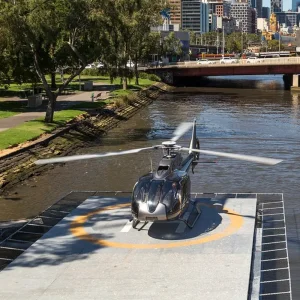
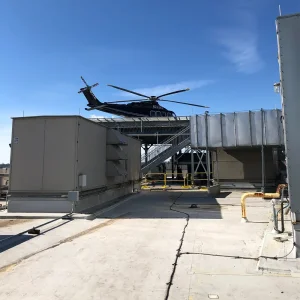
In high-stakes aerospace, offshore energy, and emergency response environments, structural integrity and fall-prevention solutions represent the boundary between routine operations and catastrophic failures. Helicopter Landing Zones (HLZs) on marine vessels, high-rise hospital rooftops, offshore oil rigs, and military bases demand rigorous engineering control. As global aerospace activity increases, the deployment of customized helicopter landing zone nets has transitioned from an auxiliary safety measure to a strictly regulated mandatory asset.
Modern helicopter operations generate severe rotor downwash and substantial dynamic loads upon landing. When helicopters land on elevated decks, offshore vessels, or rooftop structures, the risk of personnel fall-overboard or equipment displacement due to wind shear is acute. Engineering these safety systems requires a deep understanding of structural metallurgy, kinetic energy absorption, and long-term chemical resilience against corrosion.
"Safety at the perimeter is not merely about containment; it is about dynamic energy attenuation. Our custom aluminum alloy systems are designed to absorb high-impact vector loads while retaining complete structural elasticity."
Analyzing how alloy selections (1xxx to 7xxx) and massive extrusion processes drive structural longevity in corrosive marine and high-altitude settings.
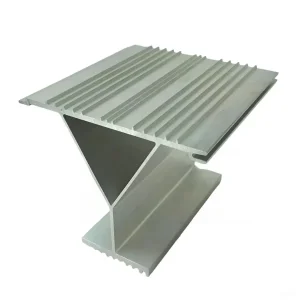
Leveraging high-tensile Fenglu aluminum, we offer custom-engineered profiles across 1xxx, 2xxx, 3xxx, 5xxx, 6xxx, and 7xxx series alloys. This enables precise tailoring for marine corrosion resistance (such as 5083, 6061, or 6082) and lightweight structural strength optimized for specific installations.
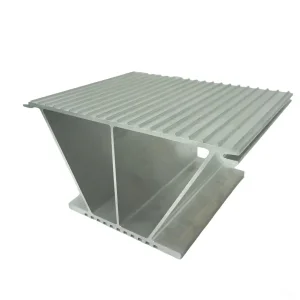
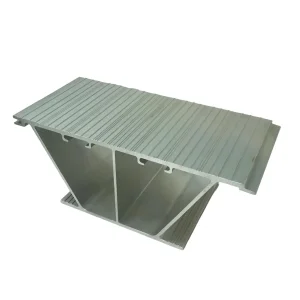
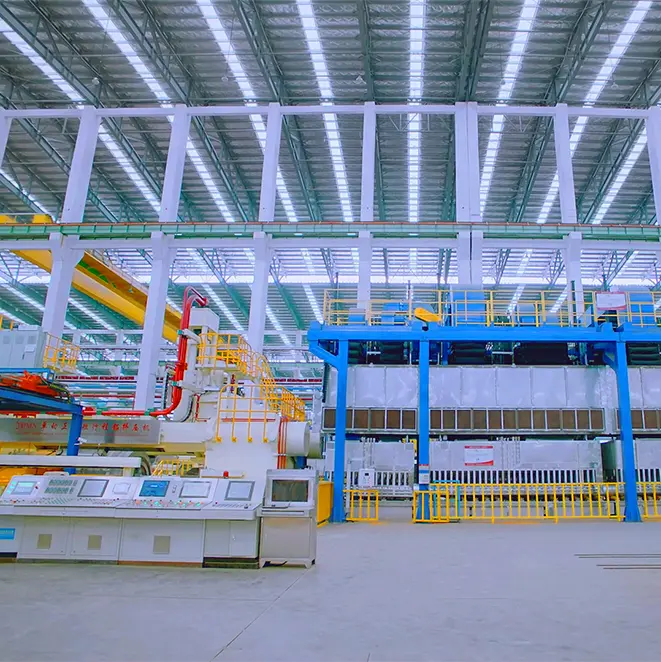
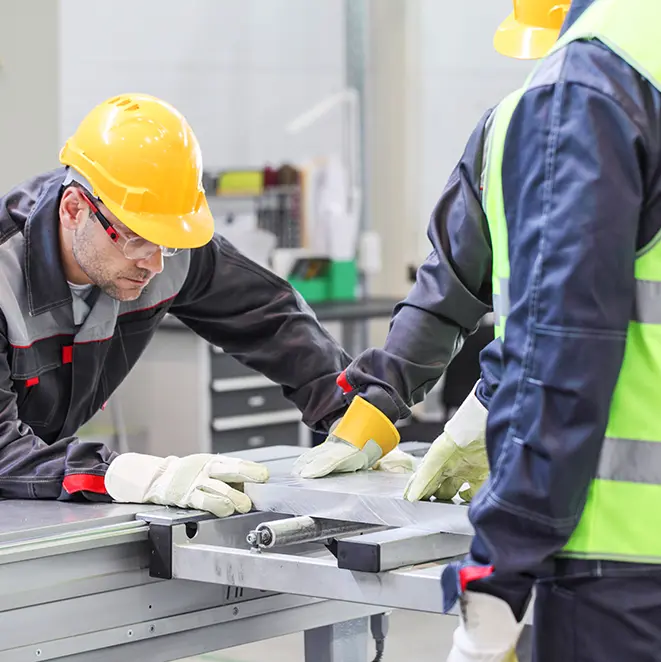
Operating a fleet of advanced extrusion presses ranging from 800T to 20,000T. This mechanical capacity allows us to manufacture complex, multi-hollow, fully shaped profiles up to 1.2 meters in section width and 28 meters in length, eliminating weak structural welds.
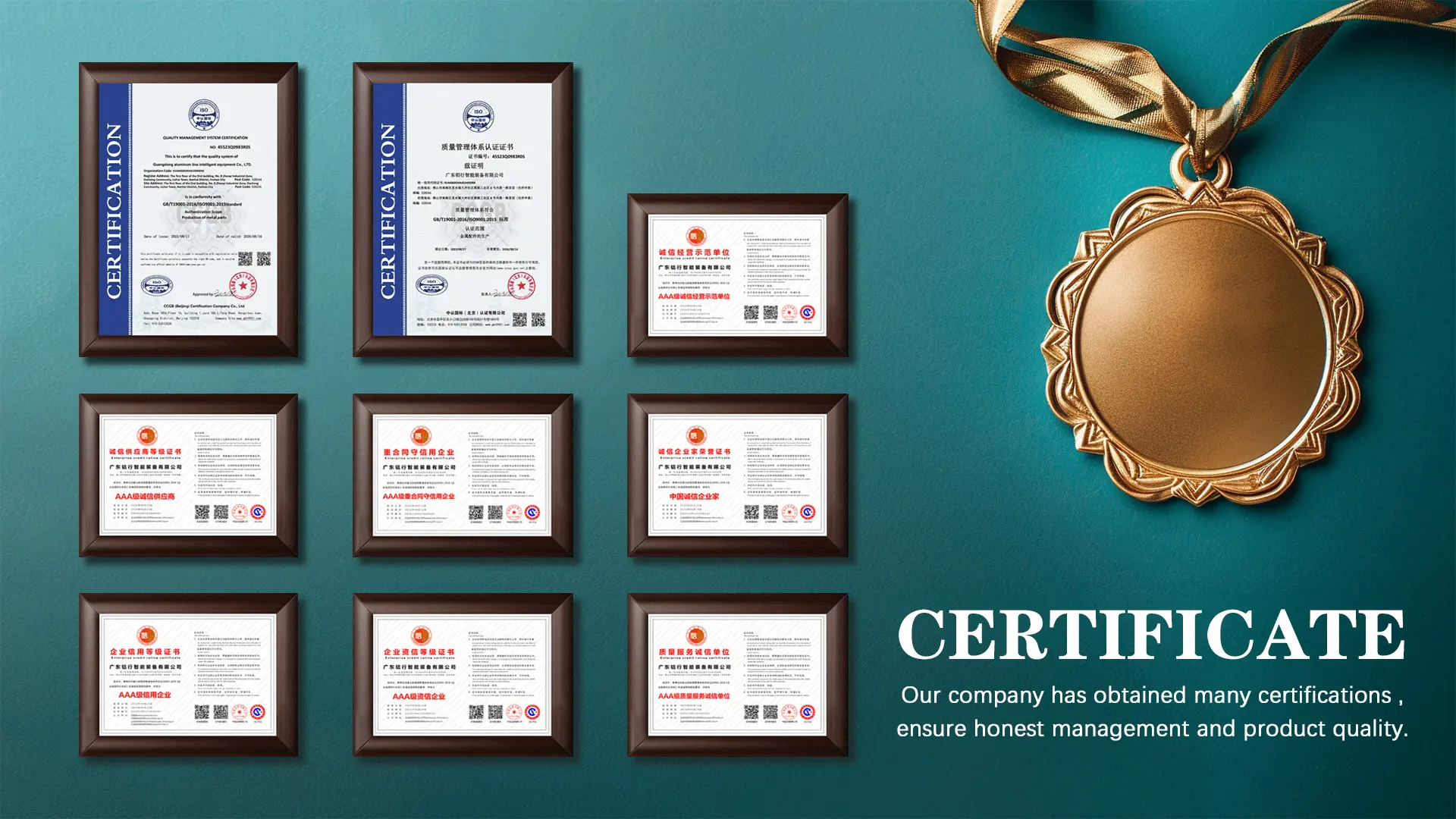
We hold the highly coveted "Special Aluminium Materials for Aerospace" Certificate. Every batch of profile undergoes meticulous inspection, ensuring grain-size stability, exact tensile yields, and reliable material traceability.
How customized structural profiles and safety net systems meet distinct engineering constraints across global industries.
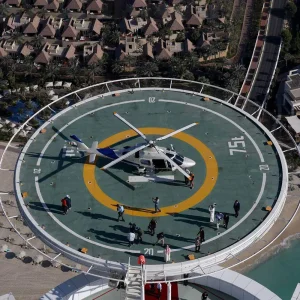
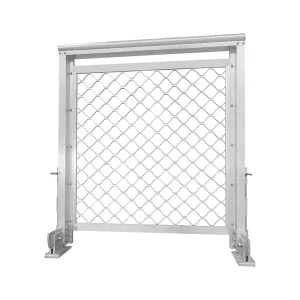
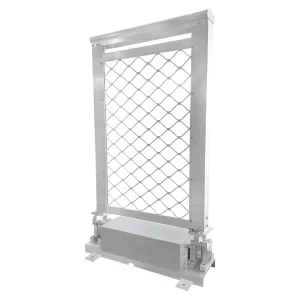
Marine environments are notoriously aggressive, with salt-spray, intense UV radiation, and high-impact wind shear. Our custom helideck perimeter safety nets (both manual and electric options) utilize specialized marine-grade aluminum profiles and mesh elements that offer long-term resistance to chloride-induced pitting. This prevents structural degradation, guaranteeing perimeter safety for crew and flight operations on FPSO platforms and drilling rigs.
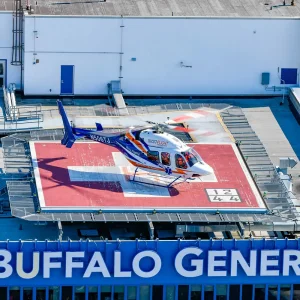
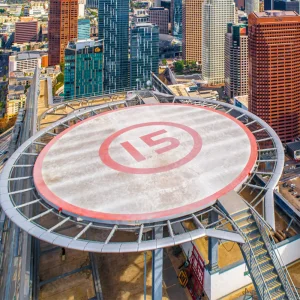
Hospital rooftop landing zones must support heavy vibration, noise reduction, and lightning safety while minimizing dead weight on civil structures. Our modular all-aluminum helipad profile designs distribute mechanical landing loads efficiently, allowing hospitals to integrate fire suppression, drainage, and safety netting without exceeding structural load limits.
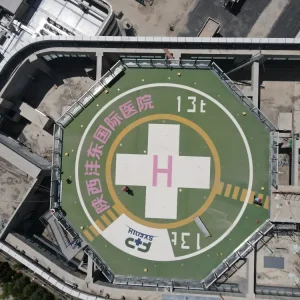
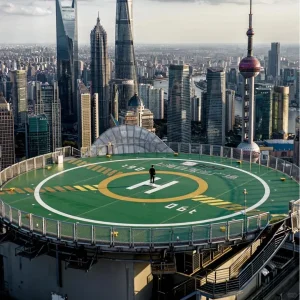
Urban high-rises pose complex thermal contraction and wind-loading challenges. Our custom skyscraper helipads feature safety-mesh structures that adapt to thermal expansion without buckling, securing the landing deck perimeter from turbulent wind drafts common in high-altitude municipal zones.
Tactical and search-and-rescue networks require fast deployments, modular designs, and high mechanical reliability under variable temperatures. Offering custom round helipads and quick-install perimeter net frames, we provide rapid-deployment solutions that meet strict governmental and police operational criteria.

Established in 2015 and located in Foshan City, Guangdong, LvXing Intelligent Equipment Co., Ltd. has grown into a leading force in high-performance aluminum solutions. Supported by a skilled R&D team with extensive experience, we translate custom industrial concepts into reliable structural realities.
By leveraging premium Fenglu aluminum and utilizing extrusion lines from 800T to 20,000T, we supply high-performance profiles to the aerospace, military, medical, and heavy industrial sectors. Our quality management complies with GB/T19001-2016/ISO9001:2015 standards, maintaining high precision, strict surface finishing, and structural integrity in every profile shipment.
The transition toward smart materials, lightweight structural integration, and next-generation safety standards.
We are researching smart helideck safety nets embedded with fiber-optic strain sensors. These sensors detect real-time stress spikes, degradation, or damage caused by helicopter impacts, notifying maintenance crews via computerized monitoring interfaces.
Developing eco-friendly, ultra-durable anodized and ceramic hybrid coatings that protect against maritime corrosion. This increases the operational lifespan of aluminum profiles in extreme environments to over 25 years with minimal maintenance.
We are optimizing raw material sourcing and extrusion energy profiles to lower the carbon footprint of our aluminum solutions, aligning with global green construction and corporate sustainability initiatives.
Aviation safety relies on strict regulatory alignment. Helicopter Landing Zones must comply with several international civil aviation standards. Our products are engineered and tested to satisfy standard guidelines, including:
Key information regarding materials, dynamic engineering, and procurement pathways.
Understanding our production advantages and how they benefit your safety projects.
Review our specialized helidecks and structural aluminum extrusions for high-performance installations.
 LvXing