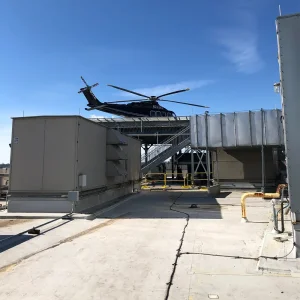
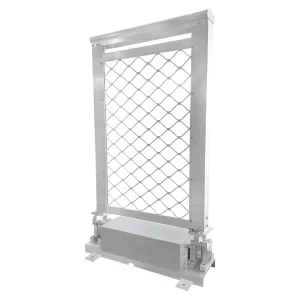
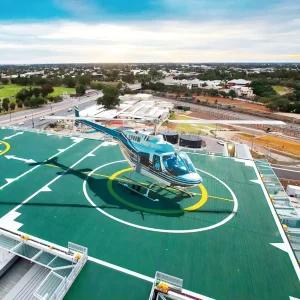
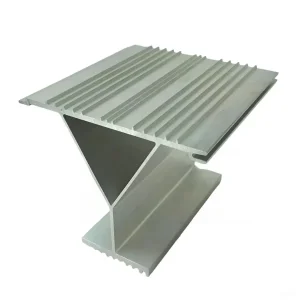
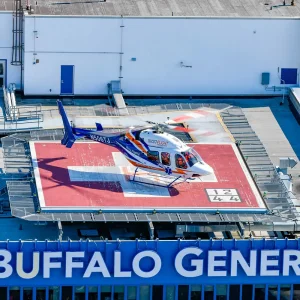
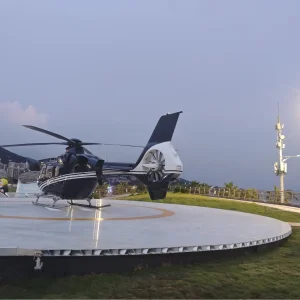
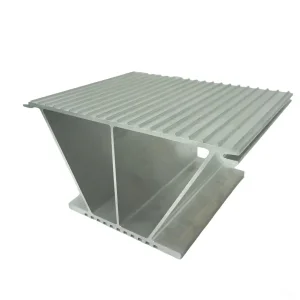
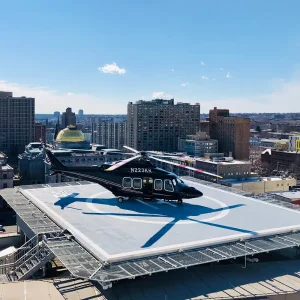
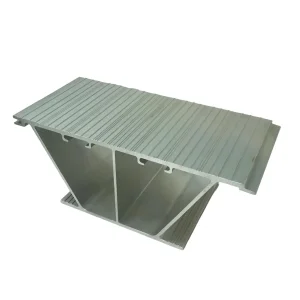
Explore our primary custom aluminum profiles engineered to withstand severe environments, designed for helicopter landing pads, high-performance structural boundaries, and heavy-duty sliding systems.
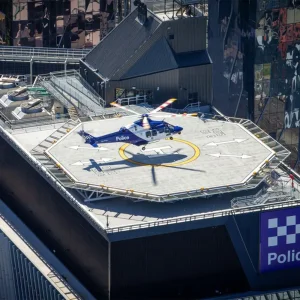
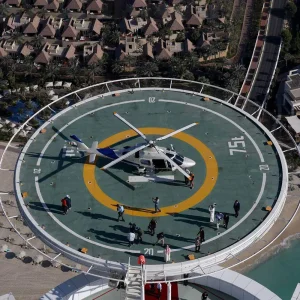
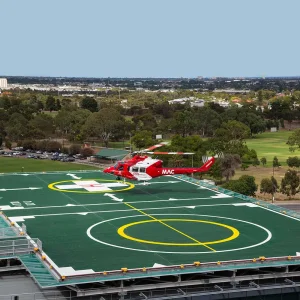
Modern architecture is undergoing a structural paradigm shift. Urban density, coupled with the desire for unobstructed views, has elevated the requirements for large-span openings. Structural sliding systems—often referred to globally as Sliding Gardo or high-clearance architectural sliding envelopes—are no longer merely functional elements; they are essential structural nodes that must withstand immense wind pressure, thermal changes, and mechanical cycles.
Information Gain Insight: While traditional sliding door profiles rely on basic 6063-T5 aluminum alloys with profile wall thicknesses of 1.4mm to 2.0mm, industrial and coastal high-wind applications require structural-grade extrusions. These structural sliding assemblies must handle dead loads exceeding 800 kg per panel, demanding higher alloy control (such as 6061-T6 or 6082-T6) and massive extrusion capacities that prevent frame deflection over long spans.
This dynamic has forced manufacturers to re-engineer profile designs. A custom sliding sliding panel system requires a deep understanding of structural load-bearing parameters, wind deflection formulas ($L/175$ or $L/240$), and advanced material science. By leveraging aerospace-grade extrusion capacities, Lvxing Intelligent Equipment supplies specialized aluminum frames that satisfy these global performance parameters, bridging the gap between heavy structural engineering and modern luxury design.
Established in 2015 and located in the global aluminum hub of Foshan City, Guangdong, LvXing Intelligent Equipment Co., Ltd. has spent years developing high-precision aluminum structures. We leverage premium Fenglu aluminum billets to ensure exceptional structural reliability. Fenglu raw material, combined with our rigorous processing parameters, provides the perfect chemistry for demanding structural profiles.
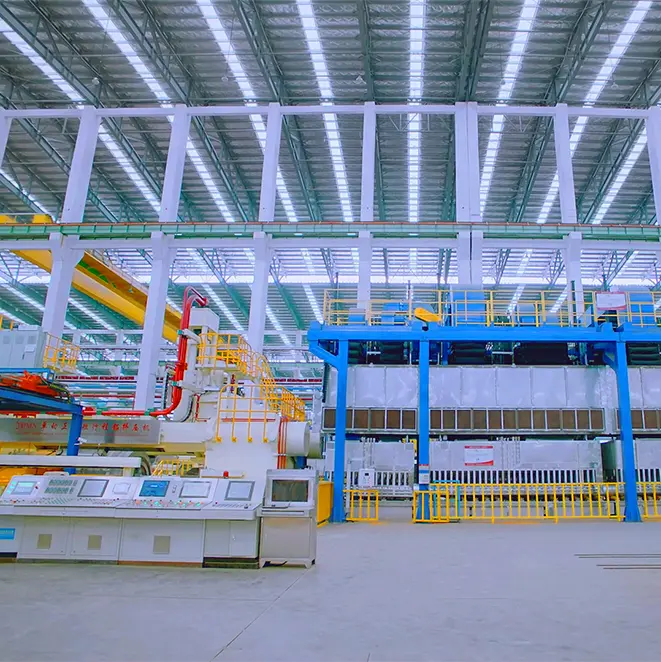
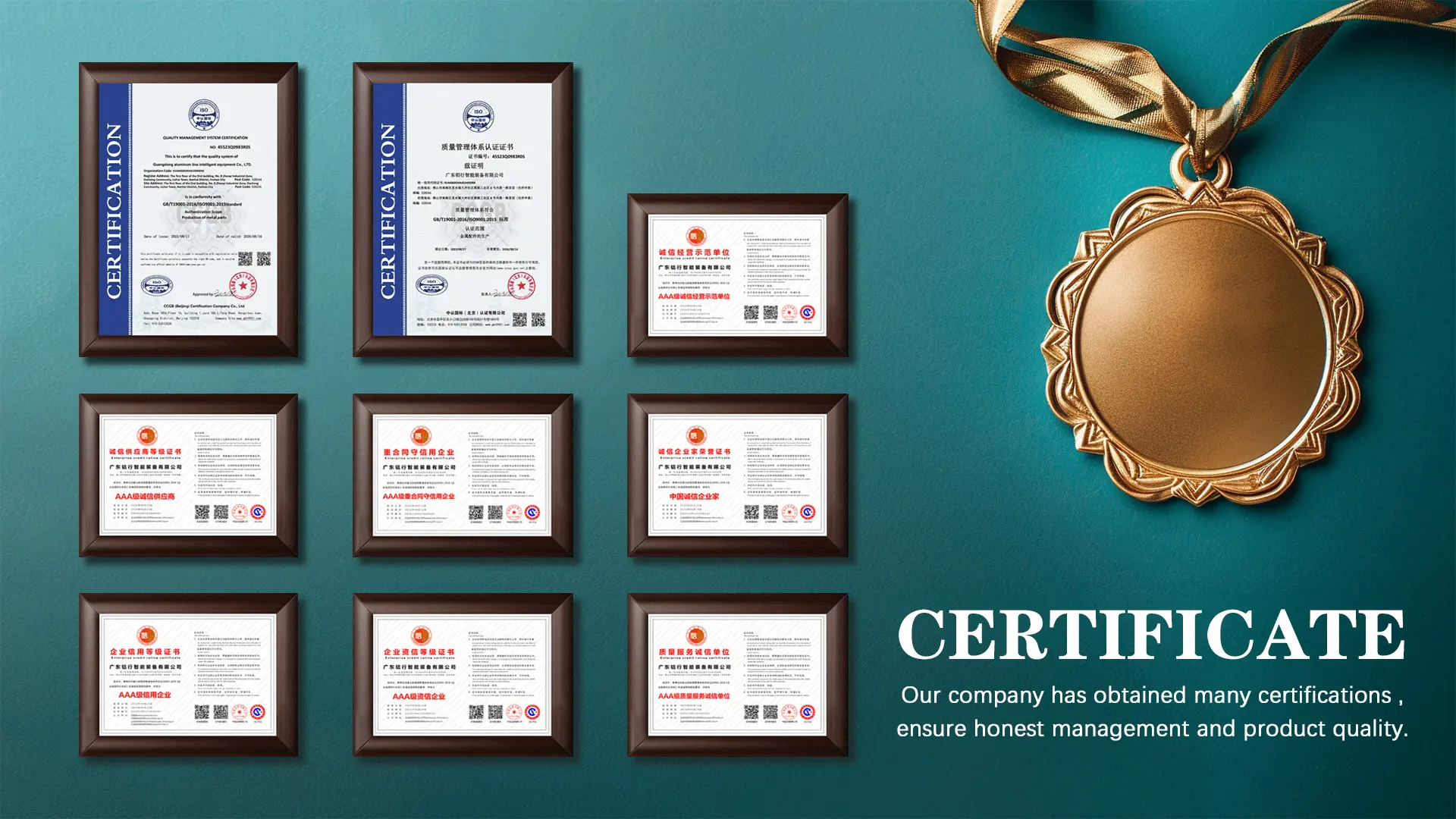
Our competitive advantage lies in our dynamic range of extrusion capacities. With extrusion lines spanning from 800T to 20,000T, we accommodate alloys from the 1xxx, 2xxx, 3xxx, 5xxx, 6xxx, and 7xxx series. This gives us the unique capability to fabricate shaped products with section dimensions up to 1.2 meters in width and 28 meters in length. This scale of production is extremely rare in the typical commercial door and window manufacturing space and is why Lvxing has obtained the prestigious "Special Aluminium Materials for Aerospace" Certificate.
By Utilizing alloys such as 6005A-T6, 6082-T6, and 6061-T6, we manufacture multi-cavity profiles with superior tensile strengths, ensuring minimal deflection for high-rise facades and heavy-duty sliding track assemblies.
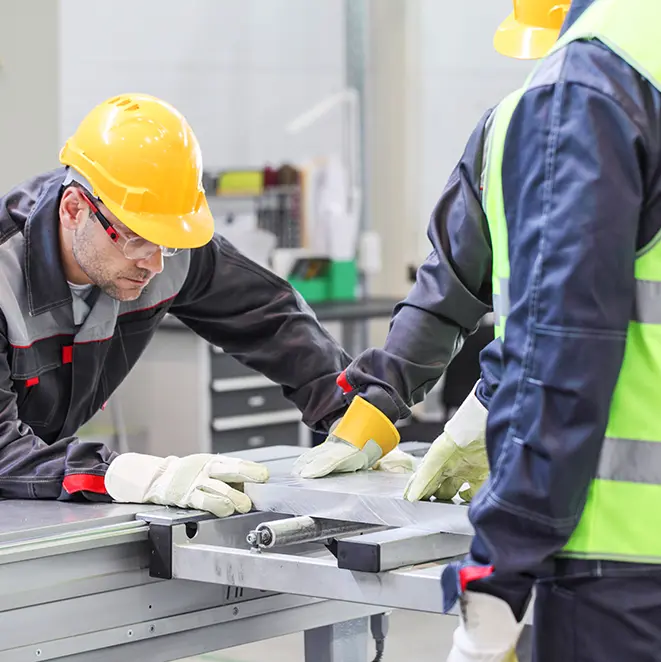
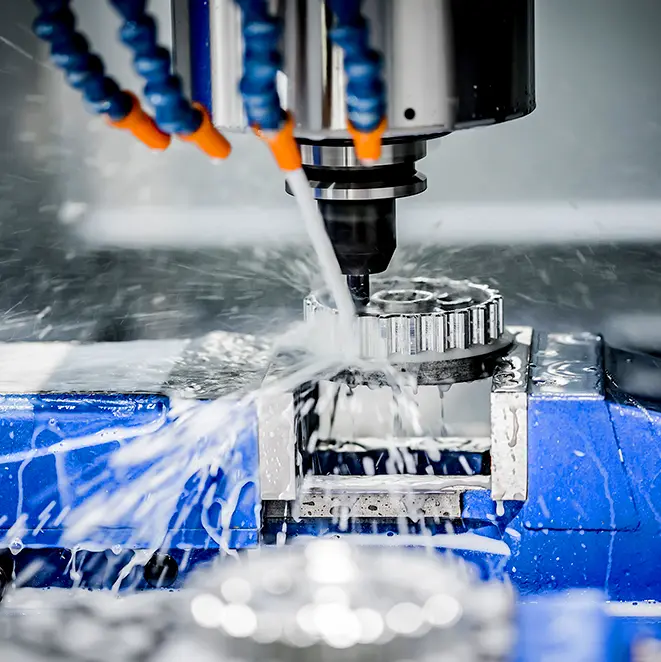
Every step of our process—from chemical assay checks of Fenglu ingots, extrusion speed control, quenching rates, artificial aging curves, to packaging and shipping—is monitored strictly under global quality management systems.
Our structural engineers assist architects in converting concepts into optimized extrusion designs, identifying stress concentrations, thermal bridges, and water ingress weak points before the die-cutting process begins.
Understanding the exact physical limits of your raw materials is critical when selecting aluminum profiles for high-performance doors, windows, and perimeter safety systems. Below is a comparative look at standard architectural-grade extrusions versus Lvxing's Heavy-Duty Industrial Structural Aluminum systems.
| Parameter / Metric | Standard Commercial Windows | Lvxing Heavy-Duty "Gardo" Systems | Helipad Deck Structural Systems |
|---|---|---|---|
| Alloy Classes Used | 6063-T5 | 6063-T6, 6061-T6, 6082-T6 | 6005A-T6, 6082-T6, 7000 Series (Custom) |
| Tensile Strength (Min) | 160 MPa | 205 - 290 MPa | 270 - 310 MPa |
| Yield Strength (Min) | 110 MPa | 170 - 250 MPa | 200 - 260 MPa |
| Typical Profile Thickness | 1.4mm - 2.0mm | 3.0mm - 4.5mm (Ultra-Heavy) | 5.0mm - 12.0mm (Structural hollow panels) |
| Max Wind Pressure Load | Up to 2.5 kPa | Up to 5.5 kPa (Typhoon Zone Compliant) | Up to 8.5 kPa (Dynamic Helicopter Rotor Loads) |
| Anodizing Coating Depth | Class AA10 (10 microns) | Class AA15 - AA25 (15-25 microns) | Marine Grade AA25 / PVDF Coating |
Our heavy-duty profiles support architectural glass panes measuring up to 6 meters in height and weight limits reaching up to 1,000 kg per panel. We accomplish this by utilizing advanced rolling and multi-cavity thermal barrier designs that ensure thermal insulation ($U$-values of less than $1.2\text{ W}/(\text{m}^2\cdot\text{K})$) without sacrificing structural load capacities.
We pride ourselves on technical transparent validation. Take a look at the key certifications, manufacturing capabilities, and personnel experience that drive our production quality.
High-end sliding systems are installed in diverse, high-stress architectural zones. Our custom aluminum door and window extrusions are specifically engineered for three primary demanding environments:
Standard architectural sliding systems rust or seize under coastal spray. We utilize 6061-T6 and 5xxx-series alloys combined with Class AA25 clear/bronze anodizing, or multi-layer PVDF coatings, guaranteeing protection against chloride-induced pit corrosion on sliding rails and sub-frames.
Modern skyscrapers face extreme structural wind loads at high altitudes. Our deep-pocket glazing designs and multi-hollow wall profiles resist lateral deflection, keeping glass structures firmly in position while preserving fluid movement along stainless steel guide tracks.
By blending our helideck perimeter safety net engineering expertise with high-durability door profiles, we design perimeter barriers, security screens, and aircraft hangar doors that run smoothly under demanding cycles.
Get direct, detailed insights into specifying, designing, and procuring structural aluminum sliding and panel profiles.
Review our full range of structural profile designs, marine-grade deck plates, and perimeter configurations for demanding industrial architectures.
 LvXing