Custom Helicopter Landing Zone Safety Net Factory & Supplier

Premium Grade Aluminum Safety Mesh Systems Certified for Aerospace, Offshore and Critical Infrastructure Environments

Welcome to Lvxing: Advanced Aluminum Engineering Solutions

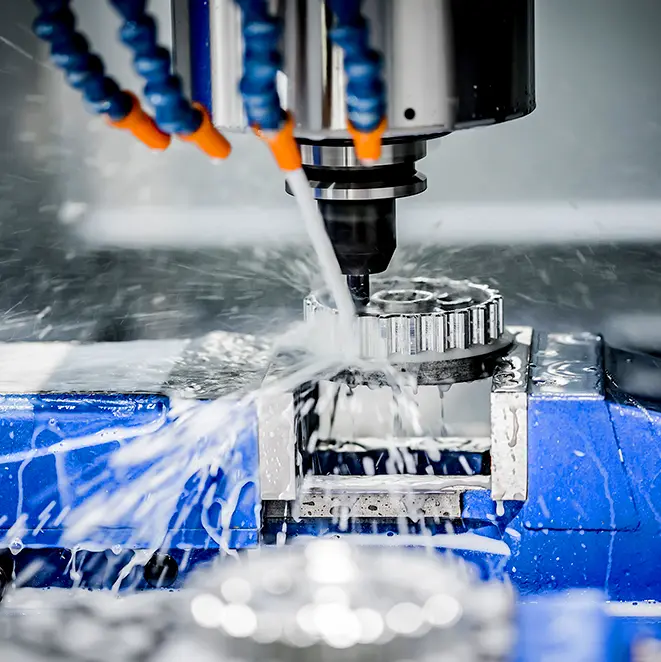
Established in 2015 and located in the industrial heart of Foshan City, Guangdong, LvXing Intelligent Equipment Co., Ltd. has grown to become a dominant pioneer in specialized aluminum structures and helicopter landing zone (HLZ) safety nets. Backed by a high-caliber R&D team with extensive experience, we leverage exceptional technical expertise to transform custom concept specifications into highly precise structural realities.

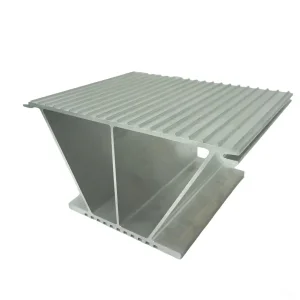
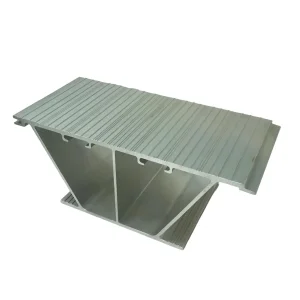
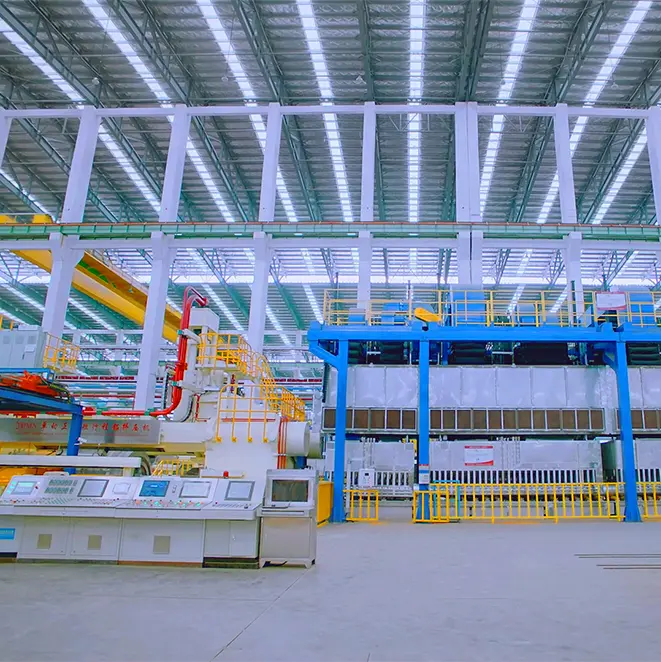
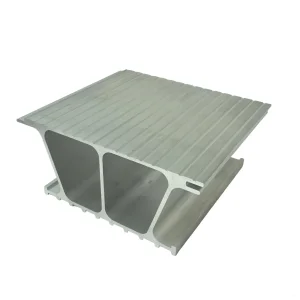
We source only premium Fenglu aluminum, providing a diverse catalog of high-strength profiles for flexible, demanding applications. Our advanced extrusion lines—ranging from 800T to 20,000T—comfortably handle alloy grades in the 1xxx, 2xxx, 3xxx, 5xxx, 6xxx, and 7xxx series. This capacity enables us to produce complicated shaped profiles with section dimensions reaching up to 1.2 meters in width and 28 meters in length.

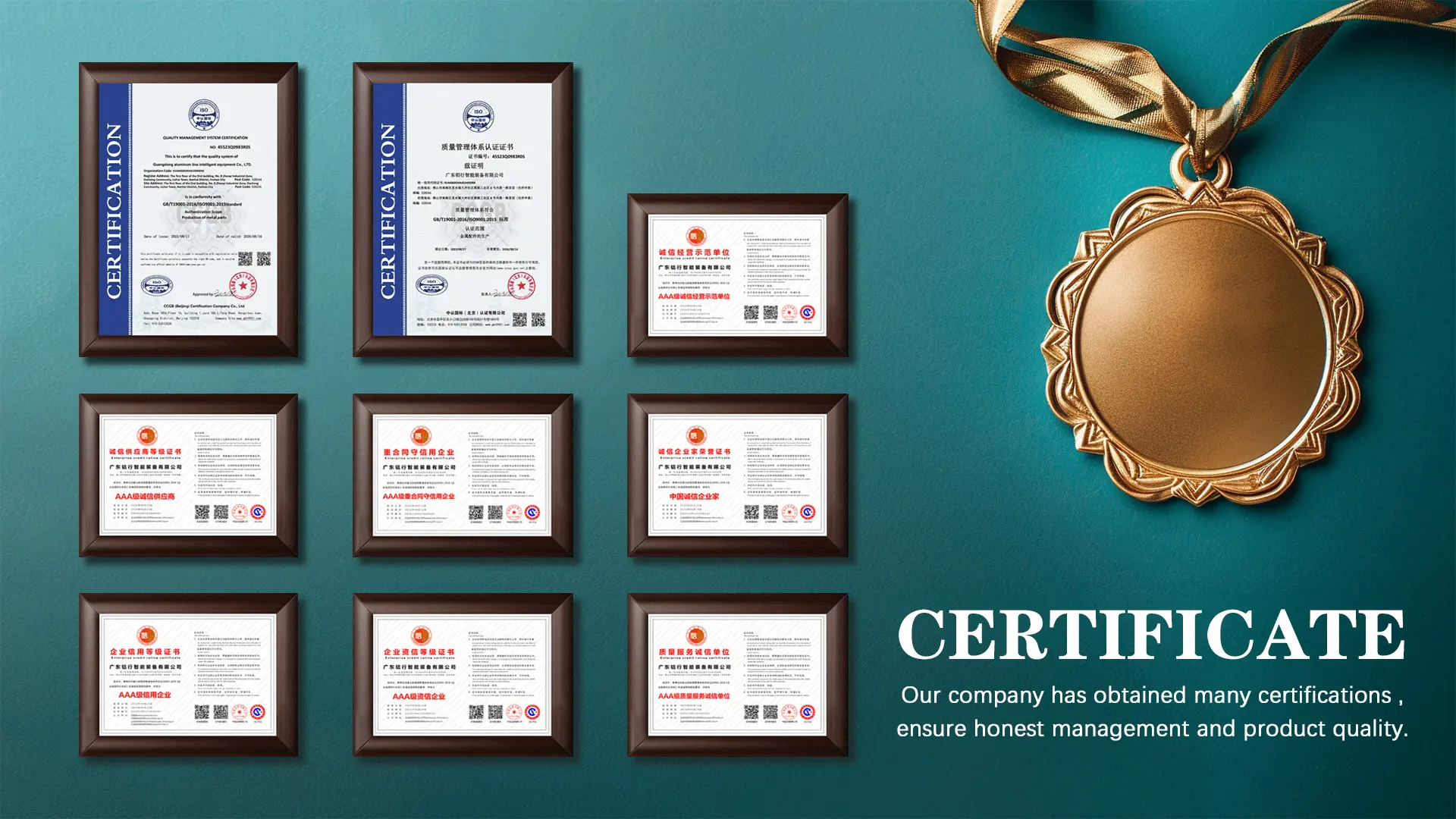
Known for precision, strict quality control (ISO9001:2015), and custom finish tolerances, our components play critical security roles in aerospace, military, offshore oil & gas, medical aviation, and key municipal industrial sectors across the globe.

LvXing Intelligent Equipment Manufacturing Factory

20,000T

Maximum Extrusion Capacity

15+ Years

Technician Engineering Expertise

1.2 Meters

Max Profile Width Section

ISO 9001

Quality System Certification

Engineering Whitepaper: Helicopter Landing Zone Safety Nets

A deep dive into dynamic load capacities, mechanical properties of aerospace alloys, and international aviation compliance.

Structural Integrity & Fall Protection at Extreme Altitudes

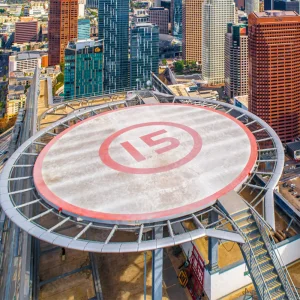
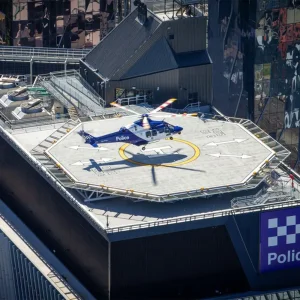
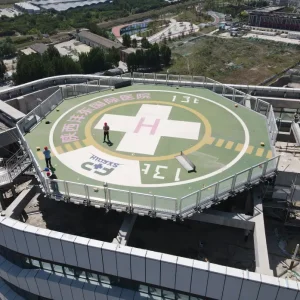
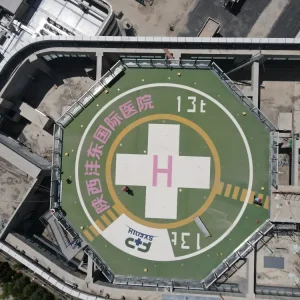
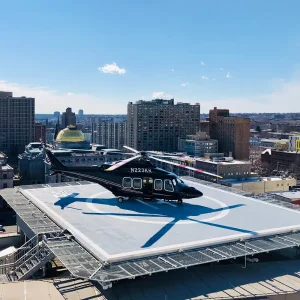
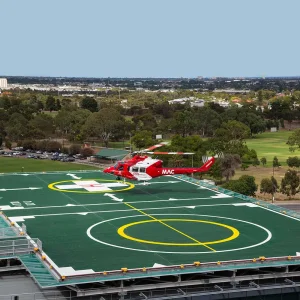
Helicopter Landing Zone (HLZ) safety nets, also known as helideck perimeter safety netting, are highly regulated life-saving systems. Positioned around the elevated edges of offshore platforms, skyscrapers, and hospital roofs, these nets prevent personnel, ground support equipment, and debris from falling over the deck edge. However, unlike traditional industrial fall safety netting, HLZ safety nets must withstand severe environmental strains without structural degradation.

Modern helideck design relies heavily on aluminum alloy mesh systems rather than traditional steel. The primary driver is weight-to-strength ratio. Helidecks mounted on offshore oil platforms (such as FPSOs) or cantilevered structures on skyscraper roofs cannot tolerate unnecessary dead loads. Aluminum mesh safety systems provide equivalent tensile load performance at less than 50% of the weight of stainless steel alternatives, reducing structural fatigue on the supporting building cantilever frames.

The Aerospace-Grade Material Advantage

At LvXing Intelligent Equipment Co., Ltd., our engineering teams utilize premium aerospace-certified alloys to manufacture perimeter safety structures. Aluminum alloys such as the 6xxx (Al-Mg-Si) and 7xxx (Al-Zn-Mg-Cu) series undergo specific thermal treatment tempers (such as T6) to deliver outstanding yield strength and resistance to stress corrosion cracking.

Offshore marine helidecks operate in high-salinity atmospheres, where seawater contact initiates rapid galvanic and pitting corrosion in low-grade metals. By utilizing marine-grade aluminum profiles and specialized surface anodization or fluorocarbon coatings, our safety net frames achieve over 1,000 hours of salt spray exposure testing (ASTM B117) without micro-fissure propagation. The high mechanical ductility of aluminum also acts as a kinetic energy absorber, deforming slightly during impact to reduce peak deceleration forces on a falling crew member.

Regulatory Compliance & Drop-Testing Frameworks

Global procurement teams must source safety netting that satisfies strict global aviation authorities, including the UK Civil Aviation Authority (CAA) CAP 437 regulations, FAA Advisory Circulars, and ICAO Annex 14 standards. Key requirements include:

  • Dynamic Load Capability: The net system must be designed to withstand a drop test of a minimum weight (typically a 100 kg to 125 kg sandbag or test dummy) dropped from a height of 1 meter without structural failure of the netting, mesh ties, or frame anchors.
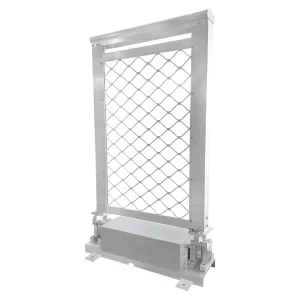
  • Outward Slope Angle: Perimeter safety nets must be inclined upwards and outwards at an angle of approximately 10 degrees to catch falling personnel before they can roll or bounce over the barrier.
  • Friction and Snag Prevention: The surface profile of the aluminum frames and mesh connections must be smooth, preventing any snags, lacerations, or equipment damage during emergency contacts.

Our Competitive Edge

Why Tier-1 engineering firms, defense departments, and commercial developers choose LvXing.

Aerospace Certification Facility
Aerospace Cert Badge

We have obtained the prestigious "Special Aluminium Materials for Aerospace" Certificate, validating our compliance with the most rigorous metallurgical and mechanical standardizations.

Heavy Scale Extrusion Processing
Technical Capacity Badge

We leverage high-quality Fenglu aluminum. With extrusion lines from 800T to 20,000T, we process alloys (1xxx-7xxx) into fully shaped products up to 1.2m wide or 28m long.

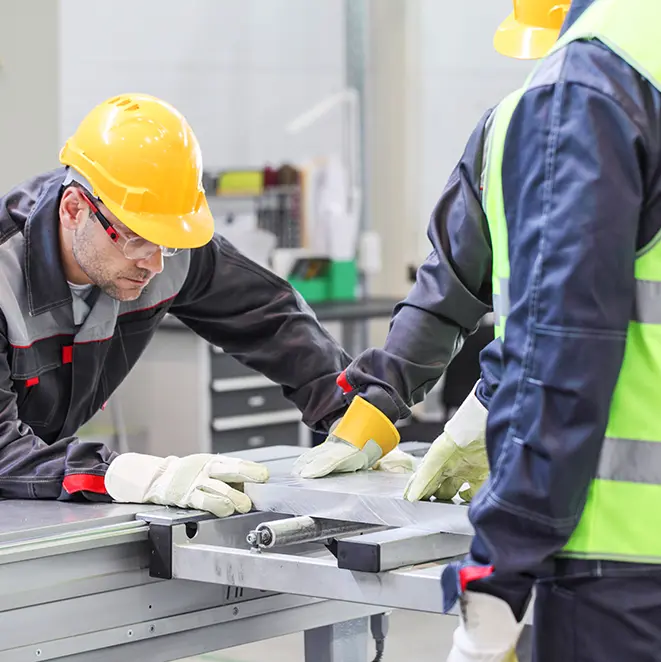
Technical Engineering Team
Team Badge

Our technical team boasts 15 years of invaluable experience. We proactively identify potential design vulnerabilities and offer structural insights to bring customized client ideas to physical validation.

Helicopter Landing Zone Safety Industry Trends

Analyzing technological innovations, regulatory updates, and the shift towards integrated smart structural systems.

Smart Sensor Integration

Next-generation perimeter safety systems are embedding IoT tension sensors and optical fiber strain monitoring. This enables real-time structural health reporting, identifying impact events, ice accumulation load limits, or wire degradation on remote offshore rigs without manual human inspection.

Eco-Friendly & Recyclable Materials

Regulatory mandates (such as Green Marine certifications) are pushing offshore operators to minimize non-recyclable synthetics. Aluminum safety net frames are 100% recyclable, providing a significant advantage over PVC-coated steel and composite fiber frameworks that end up in landfills.

Modular Quick-Release Assemblies

Speed of maintenance is critical to avoid helipad downtime. Modern trends favor modular panel designs that lock into place with heavy-duty quick-release pins, allowing maintenance crews to swap damaged sections in minutes instead of performing hot-work welding on-site.

China Factory Advantages & Global Procurement

Why China's manufacturing clusters, specialized metallurgy, and scale efficiency deliver superior project ROI.

Decisive Supply Chain Capabilities of China-based Manufacturers

China is home to the world's most robust and integrated industrial supply chain for non-ferrous metals. In Foshan, Guangdong—the epicenter of aluminum processing—facilities like LvXing operate inside a dense cluster of upstream smelters, specialized alloy developers, and precision machining workshops. This geographical concentration significantly reduces internal logistics costs, accelerates raw material procurement, and guarantees access to high-purity aluminum alloys.

Furthermore, China's massive infrastructure footprint has supported the development of extremely large-scale extrusion machinery. Our access to extrusion lines up to 20,000T allows us to extrude large single-piece structural members. In helipad design, minimizing splice joints directly correlates with fewer failure points. A single, continuously extruded aluminum profile of up to 28 meters provides unparalleled structural consistency compared to multiple shorter segments bolted or welded together.

Meeting Global Procurement & Logistics Demands

Global procurement directors require more than just low unit costs; they demand supply chain transparency, quality documentation, and scalable logistics. When sourcing from China, international EPC (Engineering, Procurement, and Construction) companies benefit from:

  • Rigorous Quality Control Audits: Complete traceability of aluminum ingots, including mill test certificates (MTC) stating precise chemical composition (Mg, Si, Fe, Cu limits) and tensile test data.
  • Custom Surface Treatments: Factory capabilities for marine-grade anodizing (Class 1, minimum 25-micron thickness) or architectural PVDF coatings designed to withstand intense UV exposure in tropical offshore and desert landing zones.
  • Optimized Packaging & Freight: Specialized wooden crating and structural steel support frames inside containers, preventing warp, friction damage, or bending during sea transport.

Localized Applications & Macro Industry Solutions

Tailored structural configurations designed to meet the distinct challenges of specific landing environments.

1. Offshore Marine Platforms (FPSOs & Drillships)

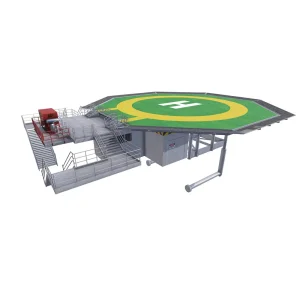
Offshore oil platforms present some of the most hostile conditions on Earth. High winds, salt spray, extreme temperature variations, and constant structural vibrations from extraction machinery put safety nets under continuous mechanical stress. Our solution features heavy-duty marine-grade aluminum alloy safety frames fitted with high-tensile wire rope mesh. The entire system is built to comply with CAP 437 and ICAO regulations, ensuring it stands up to harsh offshore environments while keeping deck weight to a minimum.

2. Urban Skyscraper Rooftops & Corporate Heliports

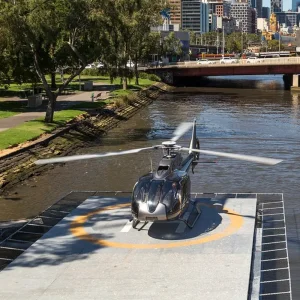
City skyscraper helipads require perimeter netting that guarantees pedestrian safety without clashing with the building's architectural aesthetic. The safety netting must also handle localized wind shear created by high-rise towers. For urban sites, we supply customized round or rectangular aluminum net profiles with optional built-in channels for perimeter LED lighting. This design ensures structural safety while seamlessly blending with modern high-rise exterior facades.

3. Hospital Emergency Medical Services (EMS) Helidecks

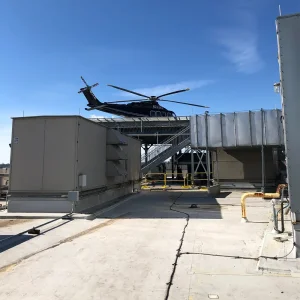
Hospital landing platforms demand immediate, 24/7 readiness. Safety nets cannot present any trip hazards for medical staff transporting patients on stretchers. Our flush-mounted aluminum deck transition nets provide a completely flat, non-slip profile. This configuration guarantees that even in extreme wind conditions or heavy rainfall, medical personnel can move freely and safely around the aircraft without risk of tripping or falling over the deck borders.

4. Military and Tactical Tactical Landing Zones

For military operational zones, portability and speed of deployment are key. We design lightweight, folding aluminum net panels that can be rapidly assembled or packed away by a small crew. These nets feature non-reflective surface finishes and rugged locking pins, allowing tactical units to secure temporary landing zones in remote environments without relying on heavy machinery.

Technical Q&A: Helideck Safety Mesh Systems

Expert insights addressing structural compliance, maintenance cycles, and metallurgy specifications.

What is the standard life expectancy of an aluminum HLZ safety net in marine offshore environments?
When manufactured using marine-grade aluminum alloys (like 6061-T6 or 6082-T6) and treated with a minimum 25-micron anodized coating, aluminum safety nets have an expected service life of 15 to 20 years. This significantly outperforms standard galvanized steel nets, which often require replacement every 3 to 5 years due to severe saltwater corrosion.
How does the drop test work for CAP 437 compliance?
CAP 437 compliance requires that the safety net system survive a drop test simulating a falling person. Typically, a 125 kg test dummy or sandbag is dropped from a height of 1 meter directly onto the center of a safety net panel. The net and its supporting brackets must absorb the impact energy, catch the load, and show no signs of tearing, weld failure, or structural compromise.
Can the safety net frames accommodate lighting systems or fire-fighting nozzles?
Yes, our custom aluminum profiles can be extruded with built-in channels to house helipad status lighting, perimeter LEDs, or integrated piping for emergency foam-diffusion fire systems. This modular design removes the need for separate brackets, saving installation time and reducing weight.
Why is Fenglu aluminum preferred for these critical safety structures?
Fenglu aluminum is a globally recognized premium alloy raw material, known for its strict quality controls, uniform crystalline structure, and trace element consistency. Sourcing Fenglu material ensures our final extrusions have no hidden structural voids or impurities, which is crucial for meeting aerospace and defense safety certifications.