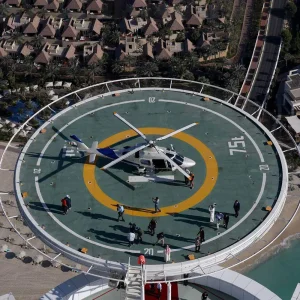
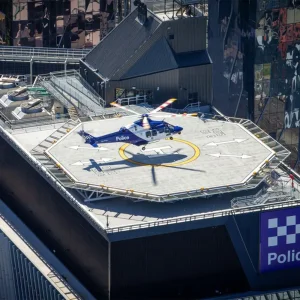
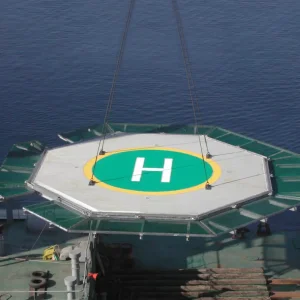
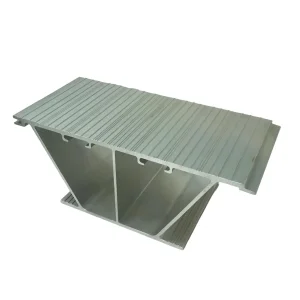
Explore our leading catalog of structural aluminum profiles, perimeter fall protection nets, and full-scale landing pads customized to precise architectural and military specifications.
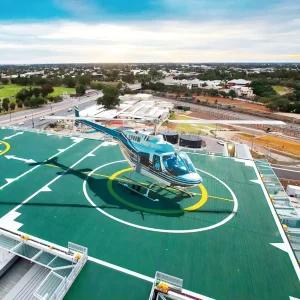
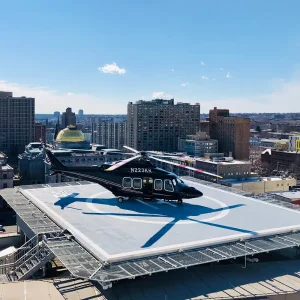
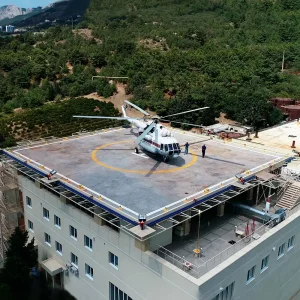
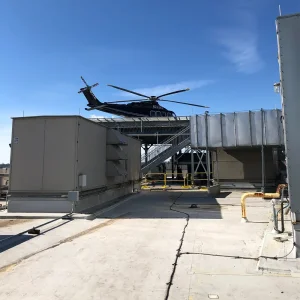
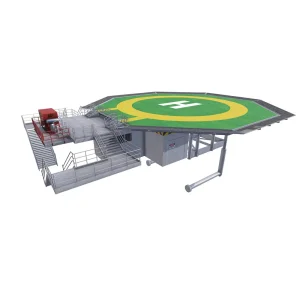
Modern helicopter landing platforms on offshore vessels, commercial rooftops, hospitals, and military compounds demand safety barriers that balance aerodynamics, impact absorption, and environmental resilience. A custom helipad fall protection net is not merely a barrier; it is a life-saving system engineered to absorb extreme kinetic energy without creating a trampoline effect.
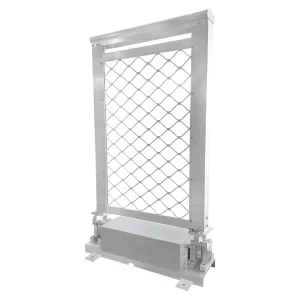
According to civil aviation standards (such as CAP 437 and FAA Advisory Circular 150/5390-2C), perimeter safety nets must extend at least 1.5 meters outward from the landing surface. They must be designed with an upward incline of approximately 10 degrees to safely catch personnel who may fall or be blown off the deck by high-velocity rotor wash.
Our research-driven design practices incorporate finite element analysis (FEA) to verify the behavior of frame structures and meshes under drop-test parameters of a 125kg mass dropped from a height of 1 meter. This guarantees absolute compliance and security in high-stakes emergency situations.
Established in 2015 and located in Foshan City, Guangdong, LvXing Intelligent Equipment Co., Ltd. boasts a skilled R&D team with extensive experience. We leverage exceptional technical expertise to effectively transform customers' ideas into reality, consistently meeting their precise requirements.
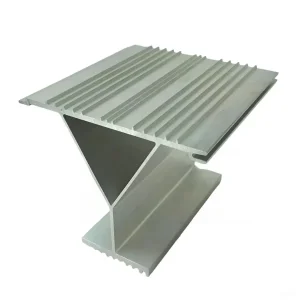
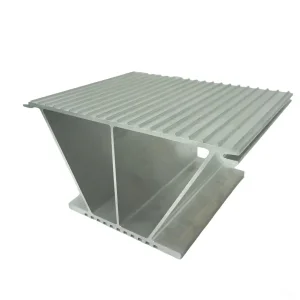
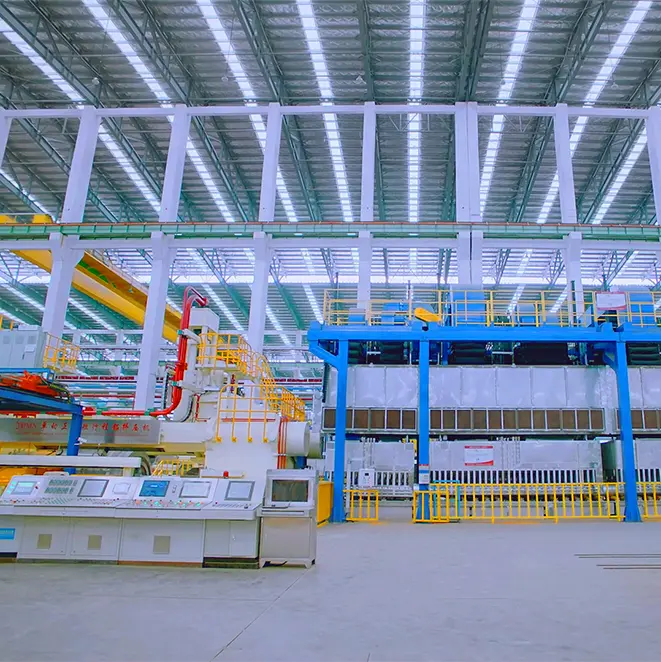
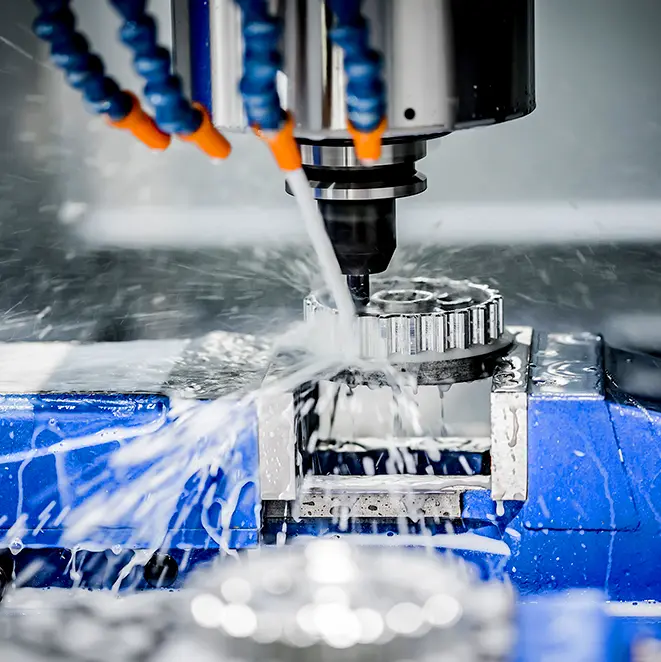
We utilize premium Fenglu aluminum, offering a diverse range of profiles for flexible applications. Our extrusion lines, ranging from 800T to 20,000T, accommodate alloys 1xxx, 2xxx, 3xxx, 5xxx, 6xxx, and 7xxx, allowing us to produce shaped products with section dimensions up to 1.2 meters in width and 28 meters in length. These products are recognized for their precision and meticulous processing, finding broad application in aerospace, military, medical, and industrial sectors.
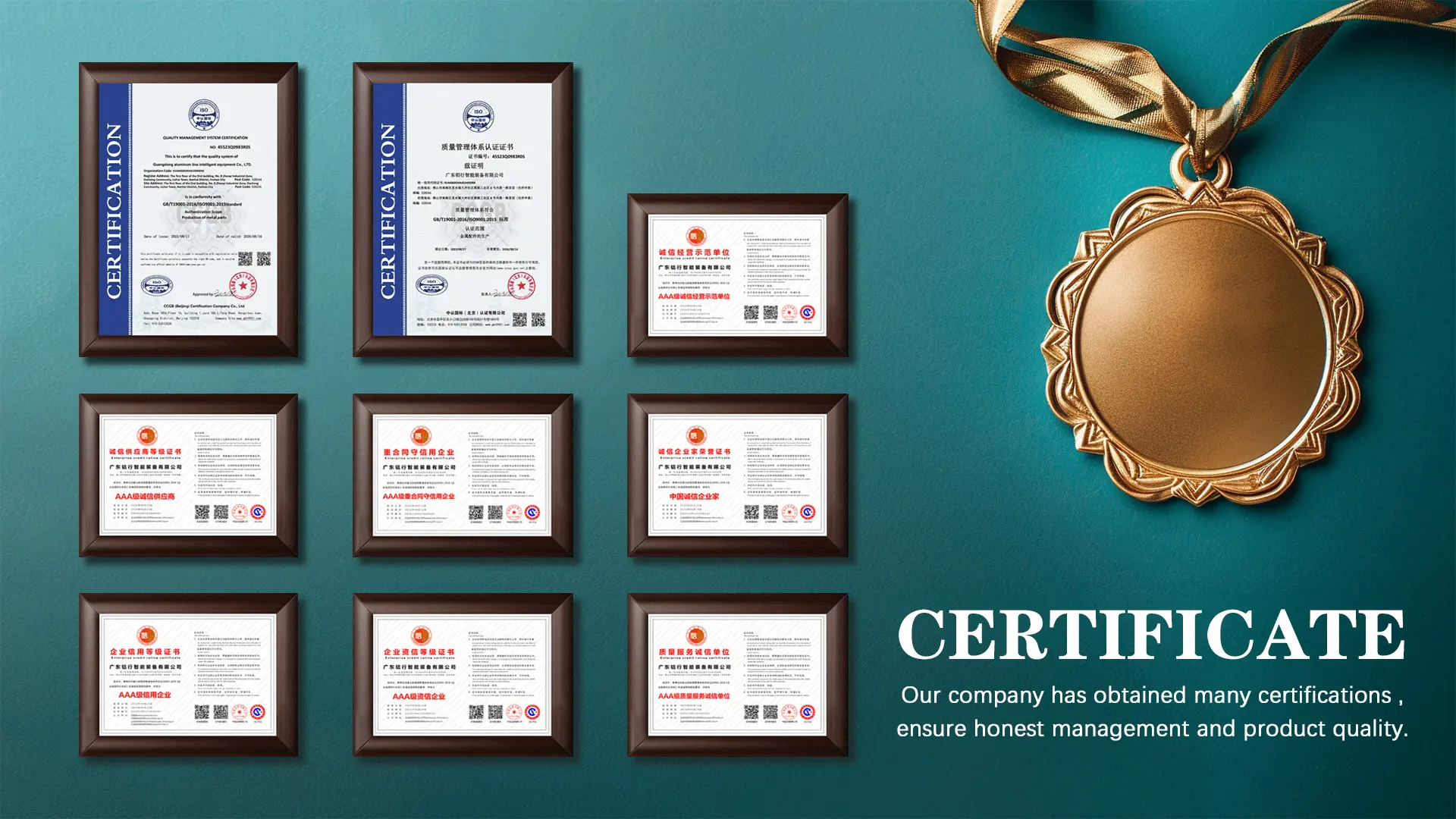
Our commitment to excellence is evident throughout the manufacturing process, rigorous quality control, thorough packaging, and efficient shipping procedures. This dedication has earned us recognition as a national excellent and honest enterprise, along with quality system certification in accordance with GB/T19001-2016/ISO9001:2015 standards.
Pushing the boundary of structural safety and material performance with smart, lightweight, and long-lasting safety net frameworks.
Integrating aerospace grade 6061-T6 and 6082-T6 aluminum profiles with electrochemical passivation and specialized powder coatings to survive severe maritime environments (C5-M rating).
Leveraging finite element modeling to reduce overall framework weight by 15% while improving load distribution, allowing for simpler installation and reduced deck stress on hospital roofs.
Researching integrated tension-sensors and warning triggers that alert control towers in real-time when the integrity of the mesh is compromised by impact or extreme debris force.
Combining world-class materials, manufacturing infrastructure, and decades of engineering wisdom.
Aerospace Compliance: We have obtained the “Special Aluminium Materials for Aerospace” Certificate, demonstrating our standard of quality control and material purity.
Advanced Extrusion Lines: We provide and utilize high-quality Fenglu aluminum profiles. With extrusion lines ranging from 800T to 20,000T, we can produce alloys 1xxx, 2xxx, 3xxx, 5xxx, 6xxx, and 7xxx. We can manufacture fully shaped products with section dimensions up to 1.2 meters in width or 28 meters in length.
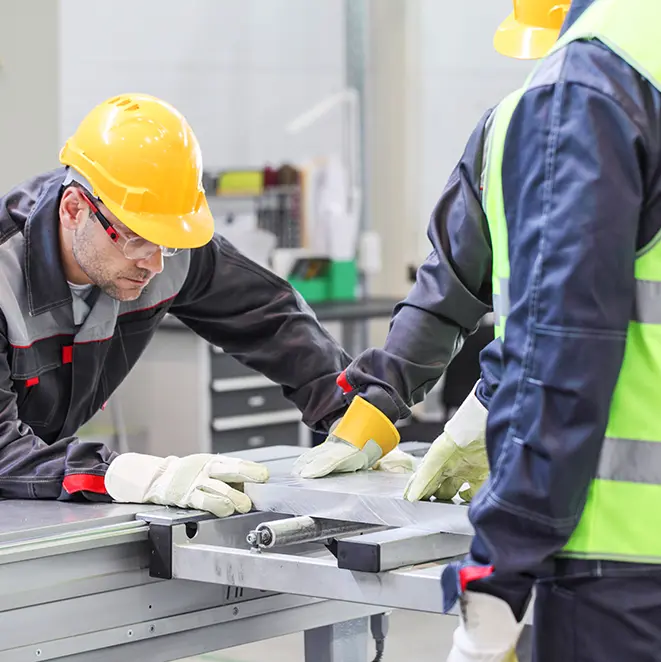
Experienced R&D Team: We have a team of technicians with 15 years of invaluable experience. Our deep understanding of customer requirements allows us to identify potential issues and offer practical insights, turning customer ideas into tangible products that meet specific needs.



How we tailor high-security safety networks to offshore energy platforms, urban high-rise buildings, and marine defense structures worldwide.
Subjected to relentless maritime spray, aggressive UV rays, and extreme temperature variations. Lvxing's marine-grade customized meshes feature stainless steel 316 wire rope with custom aluminum frame profiles to resist galvanic corrosion, certified under ASTM B117 salt spray protocols. This ensures continuous, maintenance-free operations for decades.
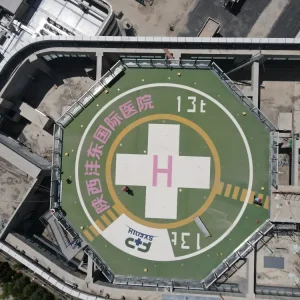
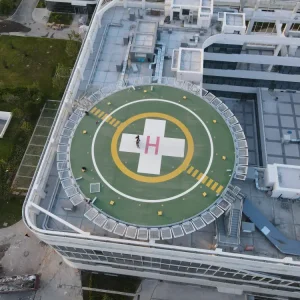
Hospital rooftop helidecks demand lightweight structures that minimize the load on the building's skeleton. Additionally, urban noise regulations require aerodynamic net profiles that do not whistle under high wind conditions. Our customized profiles provide structural lightweighting and wind-tunnel tested quiet operations.
Operating out of Foshan, the epicenter of global aluminum extrusion, allows Lvxing to capitalize on a fully integrated raw material supply chain. Backed by 800T to 20,000T extrusion lines, we can execute orders from initial billet melting and custom dies to finish anodizing, inspection, and ocean packing in fraction of the time required by local fabricators in Europe or the Americas. By optimizing logistic loops and using national-grade raw aluminum, we pass significant cost efficiencies directly to the end customer.
Technical guidance and commercial parameters for civil designers, naval architects, and site engineers.
High quality structural frames, custom-built profiles, and dynamic perimeter mesh designs directly from our manufacturing facility.
 LvXing