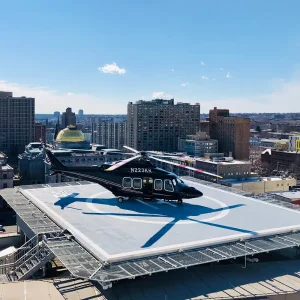
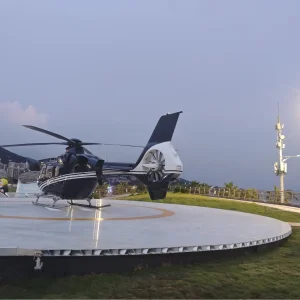
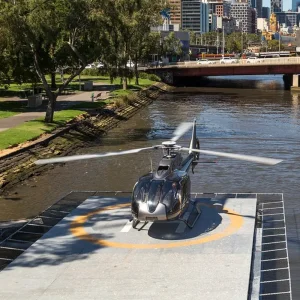
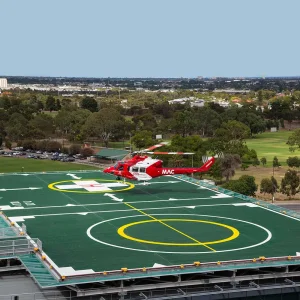
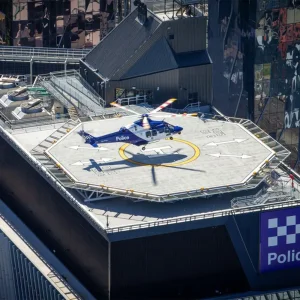
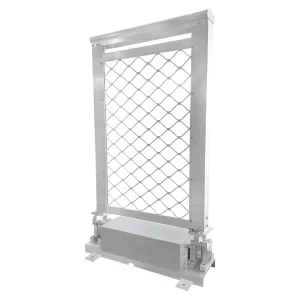
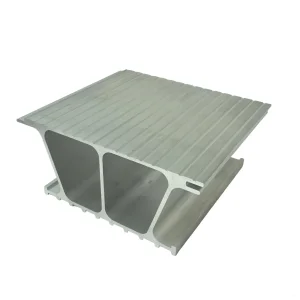
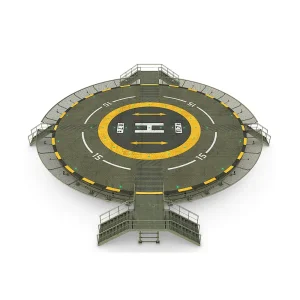
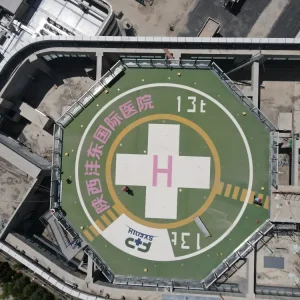
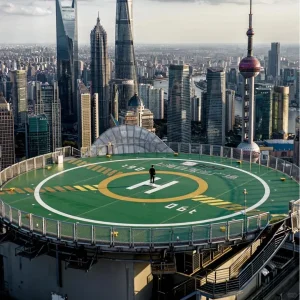
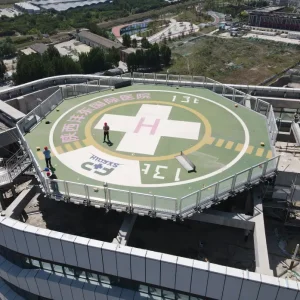
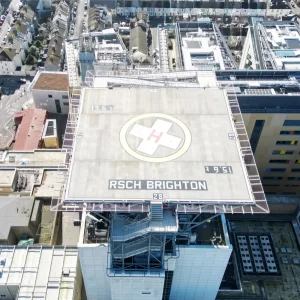
Explore our cutting-edge aviation-grade safety net assemblies, custom modular decks, and structurally reinforced aluminum profiles engineered to meet strict international standards.
Guangdong's Premier R&D-Driven Aerospace-Grade Aluminum and Safety System Innovator.
Established in 2015 and located in the industrial manufacturing capital of Foshan City, Guangdong, LvXing Intelligent Equipment Co., Ltd. boasts a highly skilled R&D engineering team with extensive experience in structural integrity and aviation drop-safety compliance. We leverage exceptional technical expertise to effectively transform customer concept models into reality, consistently meeting precise architectural, marine, and aviation requirements.
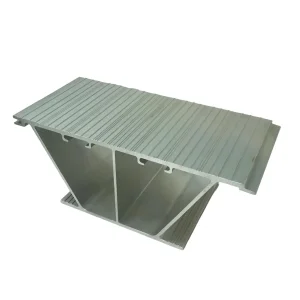
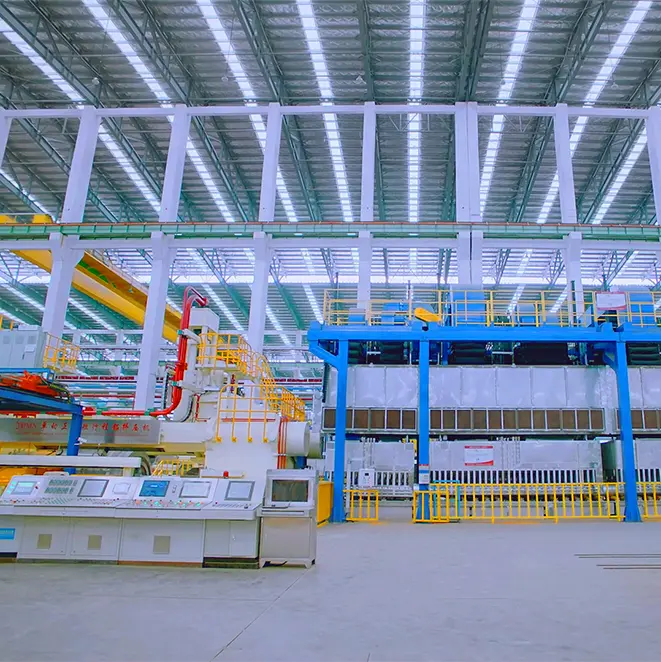
We exclusively utilize premium Fenglu aluminum, offering a diverse range of high-performance profiles for complex structural applications. Our state-of-the-art extrusion lines, ranging from 800T to 20,000T, accommodate advanced alloys including the 1xxx, 2xxx, 3xxx, 5xxx, 6xxx, and 7xxx series. This allows us to produce complex shaped products with section dimensions up to 1.2 meters in width and 28 meters in length.
These engineered products are recognized globally for their dimensional precision, corrosion resistance, and meticulous post-processing, finding broad application in the aerospace, military, medical, marine, and offshore infrastructure sectors.
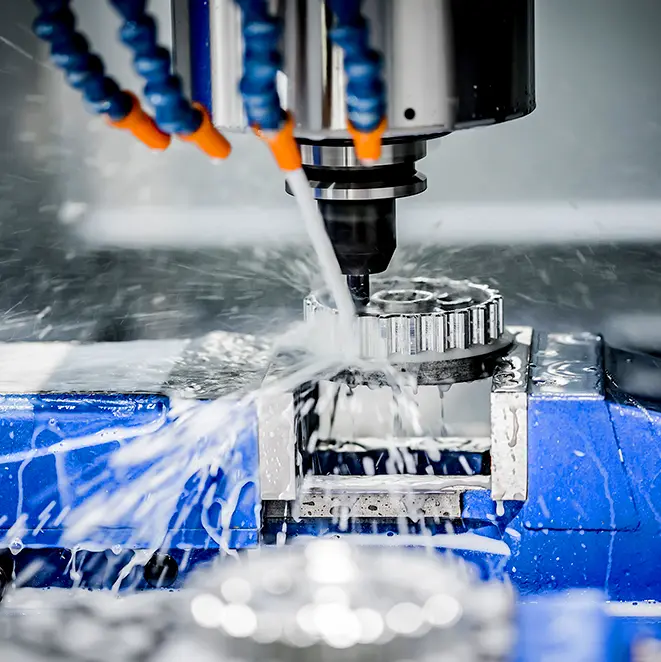
Engineered to perform in the harshest marine and high-altitude rooftop environments.

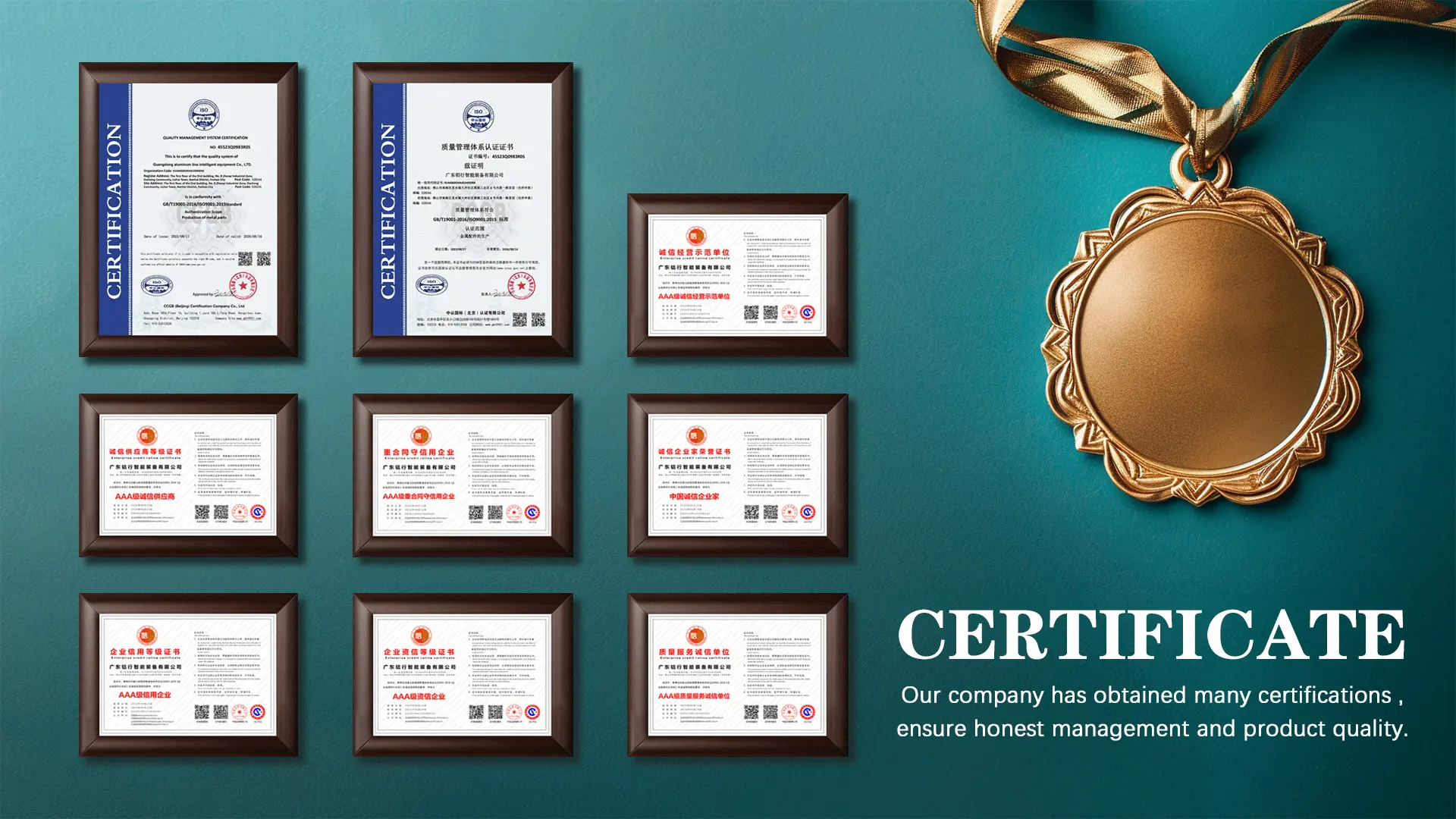
We have officially obtained the "Special Aluminium Materials for Aerospace" Certificate. This ensures our raw material processing meets the structural yield strengths and stress tolerances required for heavy military and commercial helicopters.

We process premium-grade Fenglu aluminum profiles. Utilizing advanced hydraulic press lines ranging from 800T up to 20,000T, we fabricate fully customized structural frames and perimeter channels with lengths of up to 28 meters.

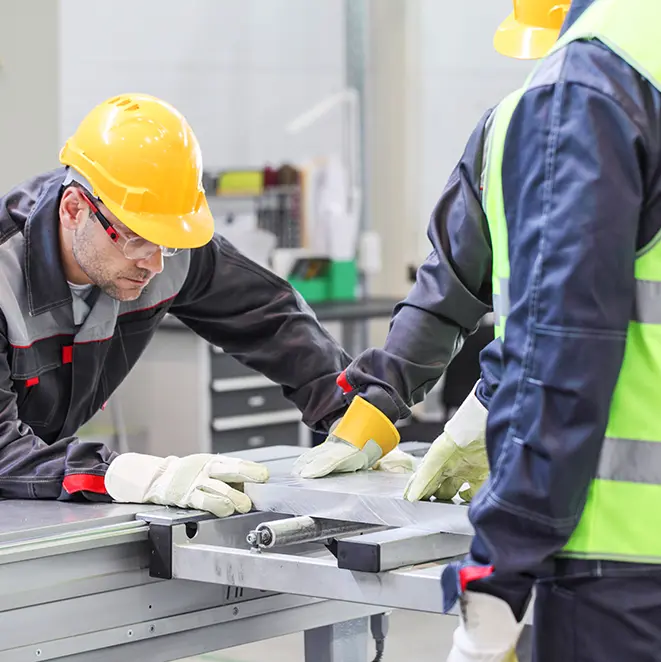
Our dedicated team of structural engineers brings over 15 years of hands-on experience in marine architecture and aviation safety codes. We identify structural loading anomalies early and translate complex designs into safe products.
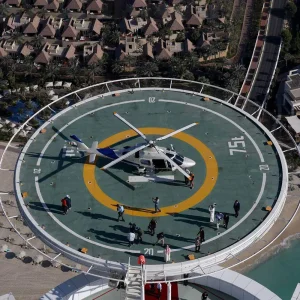
In modern architectural engineering and marine vessel design, safety systems around elevated helidecks are no longer treated as secondary architectural trim. Instead, they are critical safety components. Historically, perimeter fencing consisted of rigid, vertical chain-link structures or rudimentary steel meshes. However, empirical landing studies and forensic crash analyses have shown that rigid barriers present a severe risk of catching helicopter rotors or landing gears, leading to catastrophic tip-over accidents. Furthermore, traditional materials are prone to rapid salt-spray degradation and structural fatigue.
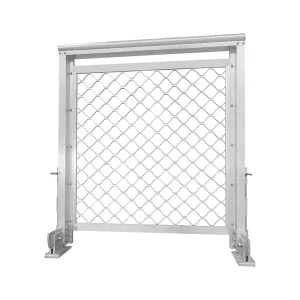
Today, the industry has standardized on flexible, outward-sloping safety nets constructed from high-tensile 316 stainless steel wire mesh or lightweight, corrosion-proof structural aluminum. These assemblies act as kinetic catch-nets, designed to absorb the dynamic impact of falling personnel or equipment without causing rigid damage to aircraft components. When a helicopter rotor blade encounters a modern flexible safety mesh, the impact energy is distributed through elastic deformation, dramatically reducing secondary shrapnel projection and stabilizing the airframe's descent profile.
Procuring helipad perimeter security nets is a highly technical process involving multiple international stakeholders, including civil aviation authorities, commercial real estate developers, offshore drilling contractors, and municipal healthcare networks. Procurement departments must address three primary operational variables: load compliance, environmental compatibility, and long-term maintenance costs.
For offshore drilling platforms situated in harsh environments like the North Sea or the South China Sea, structural netting must survive continuous exposure to moisture, salt spray, and extreme thermal fluctuations. Standard carbon steel mesh with basic galvanized coatings can degrade in under 24 months, posing a significant liability. Thus, procurement trends have shifted toward pre-engineered aluminum alloy channel frames paired with high-tension marine-grade 316 stainless steel wire cable, yielding a service life exceeding 15 years with minimal maintenance.
As a leading manufacturer of aviation safety equipment, our production workflows are strictly aligned with international design standards. For offshore applications, CAP 437 (Standards for Offshore Helicopter Landing Areas) Chapter 3 states that safety nets must extend at least 1.5 meters outward from the landing deck edge. The net must slope upwards and outwards at an angle of roughly 10 degrees to prevent individuals from rolling off the platform.
Additionally, the safety net must not project above the level of the landing area, keeping the clearance zone free of obstructions. The structure must also pass rigorous drop testing. Our custom-engineered systems are designed to absorb a drop energy equivalent to a 100 kg mass dropped from a height of 1 meter, ensuring reliable protection during a fall. The net is designed to catch the load without tearing, failing, or transferring excessive stress to the helideck's structural framing.
Selecting the structural material for the perimeter support frame is a key engineering decision. Our 20,000T extrusion facility specializes in high-strength 6000-series structural aluminum alloy profiles (specifically 6061-T6 and 6082-T6). When compared directly to hot-dip galvanized steel, structural aluminum offers distinct advantages:
Modern architectural layouts and military applications require flexible deployment options. Standard installations typically utilize fixed-mount or manual folding perimeter nets. In manual configurations, the mesh frame can be unlatched and folded down during routine maintenance, cleaning, or when non-flight deck tasks are performed.
For naval combatants, superyachts, and highly secure military installations, automated electric folding safety nets represent the premium choice. These systems utilize centralized electric or electro-hydraulic actuators synchronized directly with the platform's flight operations room. When the helicopter is on final approach, a command signal lowers the safety nets. Once the helicopter is secured, the nets fold up to restore the safety perimeter. This prevents rotor wash from pulling loose debris into the air and ensures maximum safety during high-wind landings.
Standard specifications for our specialized helideck perimeter safety net solutions.
Standard profiles are extruded using 6063-T6 or 6061-T6 aluminum alloys. Stainless steel elements utilize SUS316/316L wire cable with a minimum tensile strength of 1770 N/mm².
Designed to support a dynamic fall impact of 2.3 kJ, exceeding CAP 437 requirements. Testing includes drop-weight validation using custom calibrated load cells.
Configured at a standard 10-degree upward slope. Mountings utilize frangible structural bolts designed to shear safely under specified overload conditions.
As smart building and automated vessel controls continue to advance, safety nets are evolving beyond static structural meshes. Our R&D department is currently engineering smart safety nets that integrate IoT technology. By weaving fiber-optic strands and micro-strain gauges directly into the stainless steel weave, these systems can continuously monitor structural integrity in real time.
If a load impact occurs, or if harsh environmental exposure causes the net's tension to drop below safety thresholds, the sensor network transmits an alert to the platform's control room. This shifts maintenance from a standard calendar schedule to an on-demand, condition-based system, reducing inspection costs and extending the overall service life of the safety net.
In addition to safety and performance, modern engineering projects must consider the lifecycle environmental impact of their materials. Our aluminum alloy profiles are manufactured with sustainability in mind. Because aluminum is 100% recyclable without loss of its mechanical properties, the structural components of retired landing decks can be fully reclaimed. Furthermore, using highly durable aluminum alloys reduces the need for toxic anti-corrosion chemical treatments, preventing paint flaking and chemical runoff into oceans and surrounding soil.
Industry-standard answers to critical questions about helideck perimeter safety netting systems.
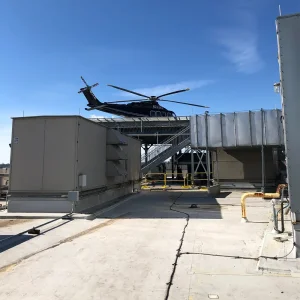
Explore our range of heavy-duty aluminum helideck profiles, police station roof installations, and automated perimeter safety systems.
 LvXing