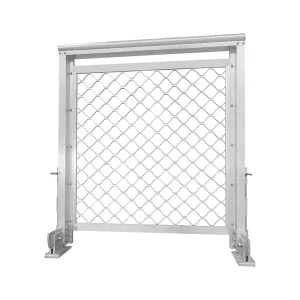
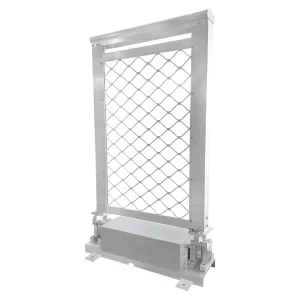
Explore our precision-engineered, CE-certified structural aluminum helideck and safety net systems, custom manufactured to comply with international aviation safety regulations.
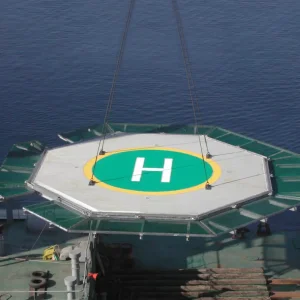
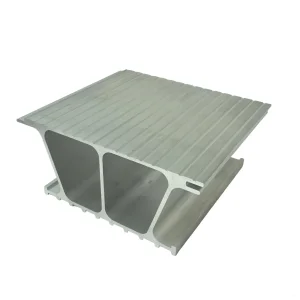
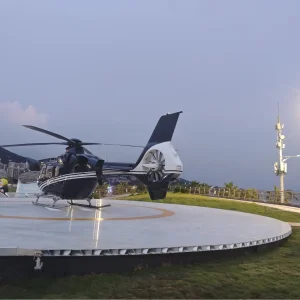
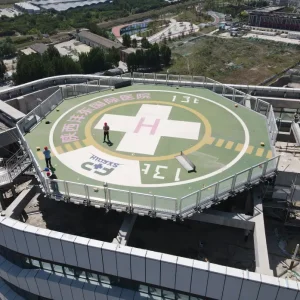
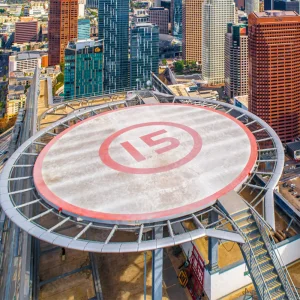
In high-altitude rooftop installations, off-shore drilling platforms, and marine ship decks, landing aircraft encounter extreme environmental hazards. Heavy wind shear, corrosion from salt-laden atmospheres, and rapid temperature differentials place immense stress on the helipad structure and surrounding safety systems. High-ascent aircraft landing nets and helideck perimeter safety nets serve as critical safety mechanisms. They prevent aircraft skidding, secure structural margins, and mitigate fatal risks to flight crews and support staff.
Understanding the strict safety profiles mandated by international standards (e.g., CAP 437, FAA, and CE certifications) is vital for developers, marine architects, and civil engineering companies. This whitepaper analyzes material metallurgy, manufacturing capacities, global procurement strategies, and the structural necessity of high-grade aluminum extrusions in high-load structural landing profiles.
Traditional structural landing systems often utilized heavy galvanized steel or polymer nets. However, offshore installations and coastal rooftop helipads face severe environmental challenges that render these materials obsolete. Heavy steel elements drastically increase the dead load on buildings and vessels, accelerating corrosion-induced structural degradation. Polymer landing nets, on the other hand, suffer rapid photo-degradation under UV light exposure and fail to retain structural integrity during high-impact helicopter landings.
Our solutions harness premium aerospace-grade and marine-grade aluminum profiles. The selection of specific alloys (primarily within the 6xxx and 7xxx series) provides an optimized strength-to-weight ratio, exceptional corrosion resistance, and flexible elastic deformation profiles that absorb landing impact forces. These features are critical for high-ascent applications where vertical load limits and structural elasticity must be carefully balanced.
"The application of high-strength structural aluminum profiles in helipad construction reduces dead-load weights by up to 50% compared to traditional steel, while offering superior kinetic energy dispersion during emergency landing events."
Established in 2015 and based in Foshan City, Guangdong, LvXing Intelligent Equipment Co., Ltd. is a pioneer in structural aluminum solutions for critical industries.
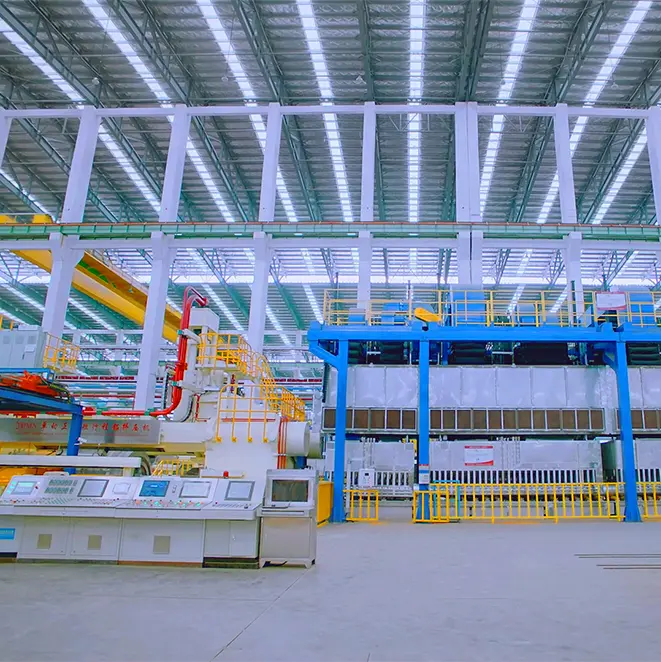
Leveraging premium Fenglu aluminum as our core raw material, we supply custom profiles engineered for high-altitude landing pads and safety nets. Our manufacturing capabilities include heavy extrusion lines ranging from 800T to 20,000T. This enables the extrusion of profiles across multiple alloy systems, including 1xxx, 2xxx, 3xxx, 5xxx, 6xxx, and 7xxx alloys.
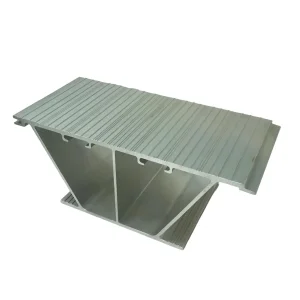
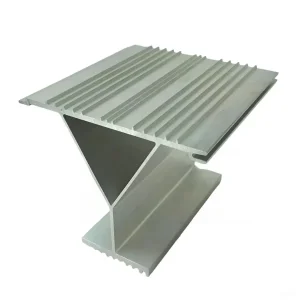
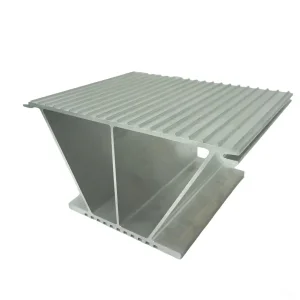
Whether fabricating complex hollow sections or broad solid deck profiles, we deliver structured shapes with sectional widths up to 1.2 meters and structural lengths up to 28 meters. With a technician team possessing 15 years of aerospace and marine structure experience, Lvxing transforms engineering designs into high-performance landing platforms.
Our operations comply with the GB/T19001-2016/ISO9001:2015 quality system standards, ensuring that every batch of aluminum profiles undergoes strict quality inspections, ultrasonic testing, and dimensional validation before shipment.
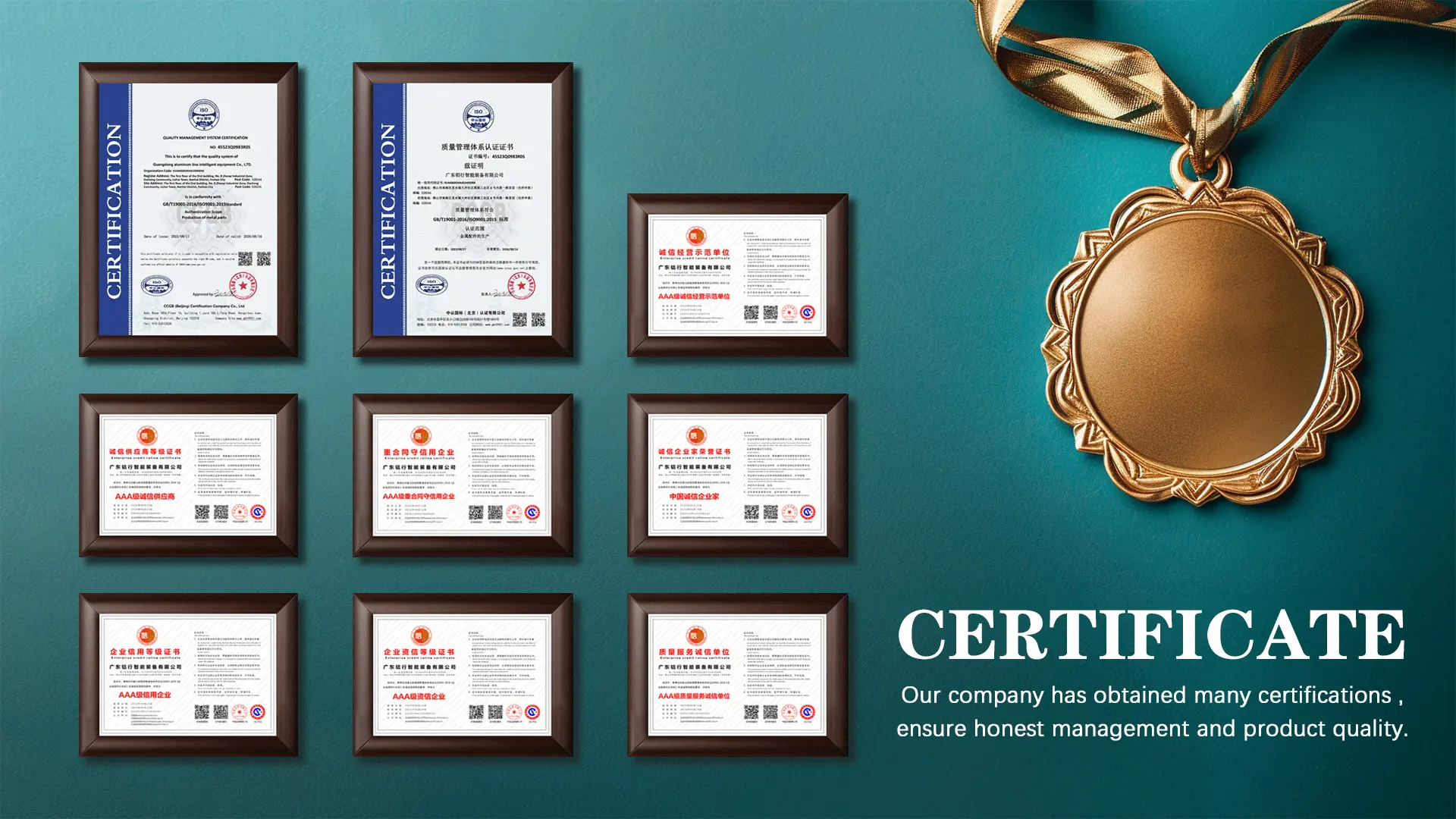

Certified aerospace-grade aluminum. We have obtained the official “Special Aluminium Materials for Aerospace” Certification, ensuring high performance under heavy-load conditions.

Utilizing high-quality Fenglu aluminum profiles. With extrusion lines ranging from 800T to 20,000T, we manufacture alloys (1xxx-7xxx) with sections up to 1.2m wide or 28m long.
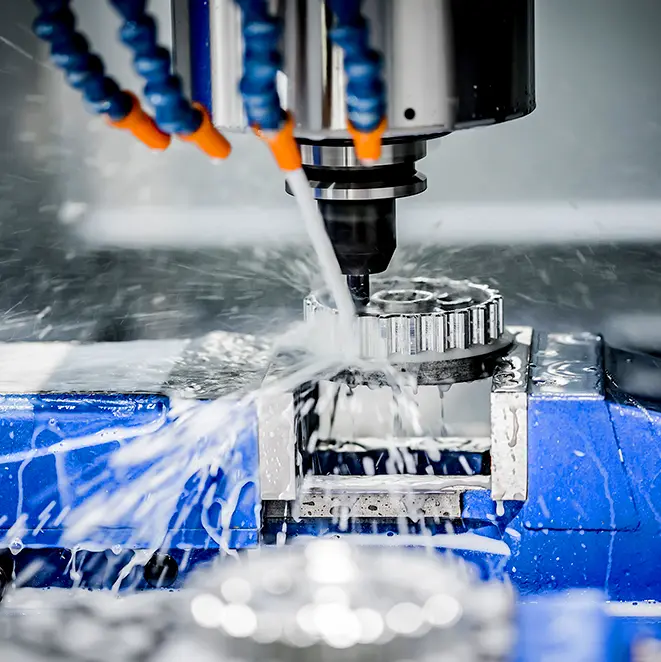

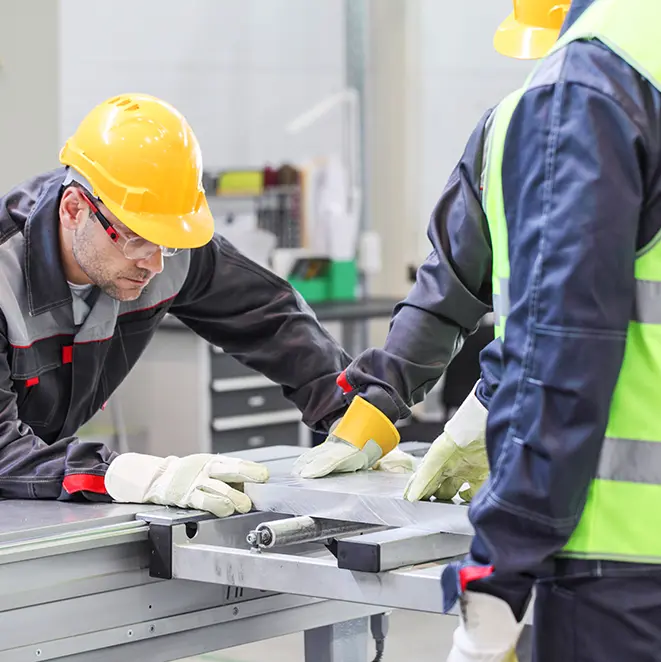
Our team of technicians has 15 years of industry experience. We analyze customer requirements to identify potential issues and offer practical design insights for final production.
Lvxing utilizes Foshan City's industrial ecosystem—the world's most concentrated cluster for aluminum extrusion and processing. This localization enables the optimization of raw material sourcing, high-tonnage tooling, advanced anodizing, CNC machining, and quality validation within a tight geographic radius. This supply chain consolidation translates into clear competitive advantages for global procurement departments:
Aviation and marine procurement departments face challenging compliance requirements when purchasing deck safety nets and helipad profiles. Below are the key engineering specifications that must be satisfied during the procurement phase:
Profiles must feature anodized coatings over 20 microns thick or C5-M high-corrosivity marine-grade powder coatings. This prevents galvanic corrosion and degradation from salt spray and moisture.
Helipad landing grids must support concentrated point loads representing the aircraft's maximum takeoff weight (MTOW), factoring in emergency vertical impact velocities up to 3.75 m/s.
Safety net frames must project outboard of the helideck at an angle. The net must withstand drop testing, absorbing impact energy without tearing or collapsing.
In addition to manufacturing, international operations require comprehensive localized support. Regulatory authorities (such as the UK CAA under CAP 437, or local civil aviation bodies) inspect landing safety systems prior to operational clearance. Lvxing supports global EPC (Engineering, Procurement, and Construction) companies by providing comprehensive documentation, material test reports, stress calculations, and installation guides.
We work directly with structural engineers and marine certifiers to ensure that our customized ship deck profiles, skyscraper pads, and perimeter nets integrate seamlessly with the main structure. Our systems accommodate thermal expansion and structural flexure on vessels, ensuring safe operations in various environmental conditions.
Our custom aluminum systems and landing nets are engineered to meet the specific requirements of various operating conditions.
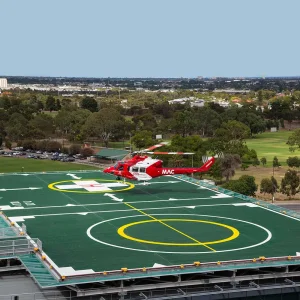
Operating under C5-M corrosive conditions, offshore platforms require helidecks that resist constant salt spray, heavy winds, and dynamic vessel motions. Our 6000-series alloy decks and safety nets maintain structural integrity and provide reliable traction in wet, oily conditions.
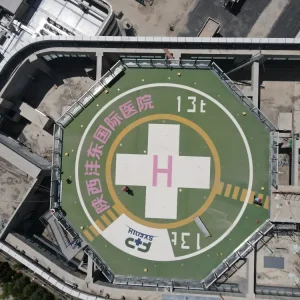
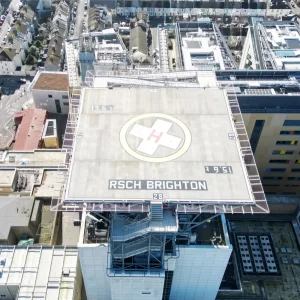
Urban emergency transport requires lightweight, low-maintenance landing zones. Our aluminum profiles minimize dead load on hospital roofs. Integrated drainage channels and friction surfaces ensure safe emergency landings in all weather conditions.
Navy vessels and police helipads require rugged, non-magnetic, and vibration-resistant decks. Our customizable profile lengths and high-grade structural alloys meet strict military specifications and support high flight-frequency missions.
Aviation safety is constantly evolving, driven by updates to regulations such as the UK CAA CAP 437. Key trends shaping the design and manufacturing of modern helidecks and safety nets include:
Answers to common technical, manufacturing, and regulatory questions from marine engineers, architects, and procurement managers.
Modern standards prefer marine-grade structural aluminum alloy frames fitted with stainless steel (316L) or high-tensile synthetic mesh. Aluminum frames offer high strength, low weight, and excellent resistance to marine corrosion. They are designed to yield slightly under impact, absorbing kinetic energy and preventing rebound injuries during emergency drop scenarios.
We source certified primary aluminum (such as Fenglu raw materials) and manufacture our profiles under a strict GB/T19001-2016/ISO9001:2015 quality management system. Our structures undergo load calculations, finite element analysis (FEA), and physical load testing to verify compliance with CAP 437 safety factors, including the 125kg drop test for perimeter safety nets.
Yes. Utilizing extrusion lines ranging from 800T up to 20,000T, we can manufacture complex hollow and solid profiles with sectional dimensions up to 1.2 meters in width and single continuous lengths up to 28 meters. This capability reduces the need for structural splicing and welding, resulting in stronger, lighter deck designs.
We offer clear and color anodizing (exceeding 20 microns in thickness), polyurethane coatings, and high-performance powder coatings designed for C5-M marine environments. We also provide integrated knurled serrations on our aluminum profiles to maintain excellent surface friction in wet and salted conditions.
You can contact our sales and engineering team with your structural drawings, specified alloy grades, surface treatment requirements, and total quantity. Our team, with 15 years of technical experience, will review your specifications, identify potential manufacturing issues, and provide a detailed quote and production timeline.
Explore our full line of specialized profiles, including skyscraper deck assemblies, hospital landing grids, and motorized perimeter safety systems.
 LvXing