Explore our premium range of CE-certified aluminium landing decks, profiles, and structural safety containment nets designed for modern aeronautical deployments.
Established in 2015 and located in Foshan City, Guangdong, LvXing Intelligent Equipment Co., Ltd. boasts a skilled R&D team with extensive experience. We leverage exceptional technical expertise to effectively transform customers' ideas into reality, consistently meeting their precise requirements.
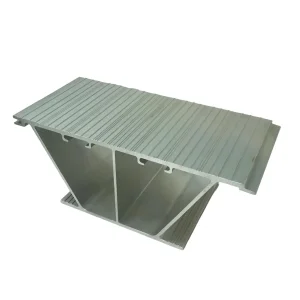
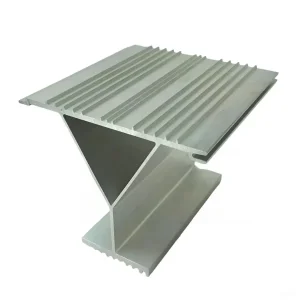
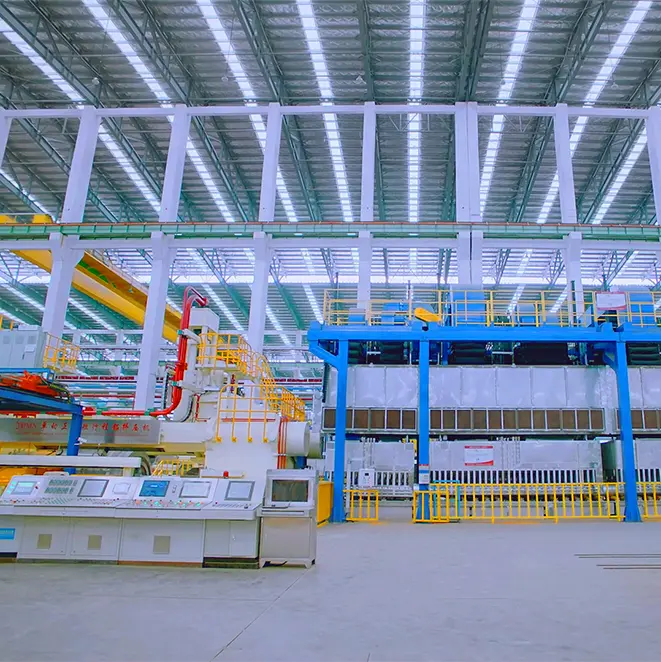
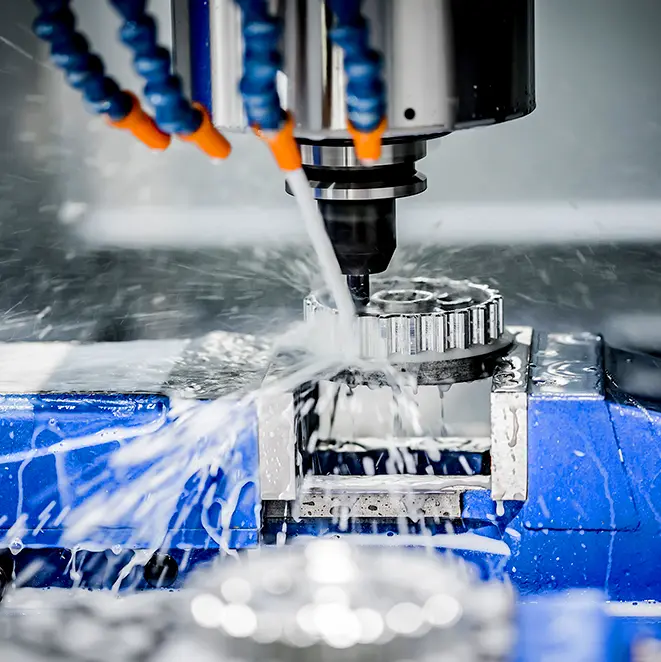
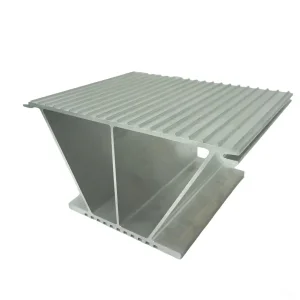
We utilize premium Fenglu aluminum, offering a diverse range of profiles for flexible applications. Our extrusion lines, ranging from 800T to 20,000T, accommodate alloys 1xxx, 2xxx, 3xxx, 5xxx, 6xxx, and 7xxx, allowing us to produce shaped products with section dimensions up to 1.2 meters in width and 28 meters in length. These products are recognized for their precision and meticulous processing, finding broad application in aerospace, military, medical, and industrial sectors.
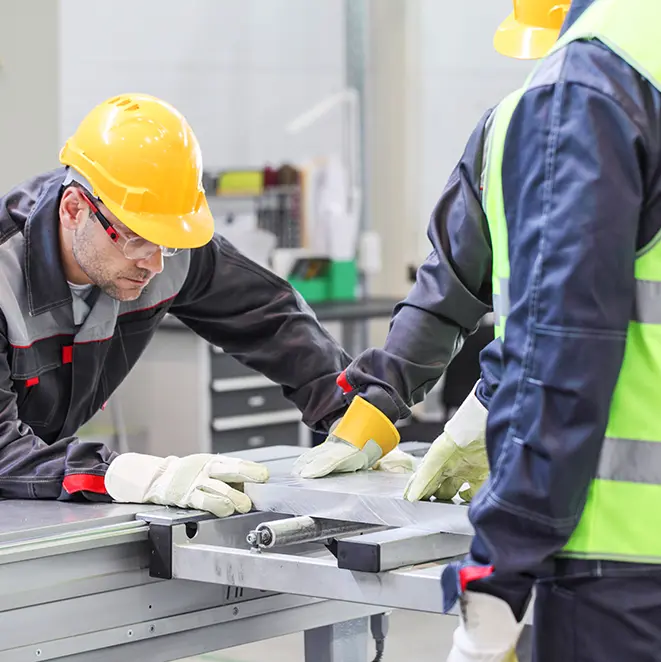
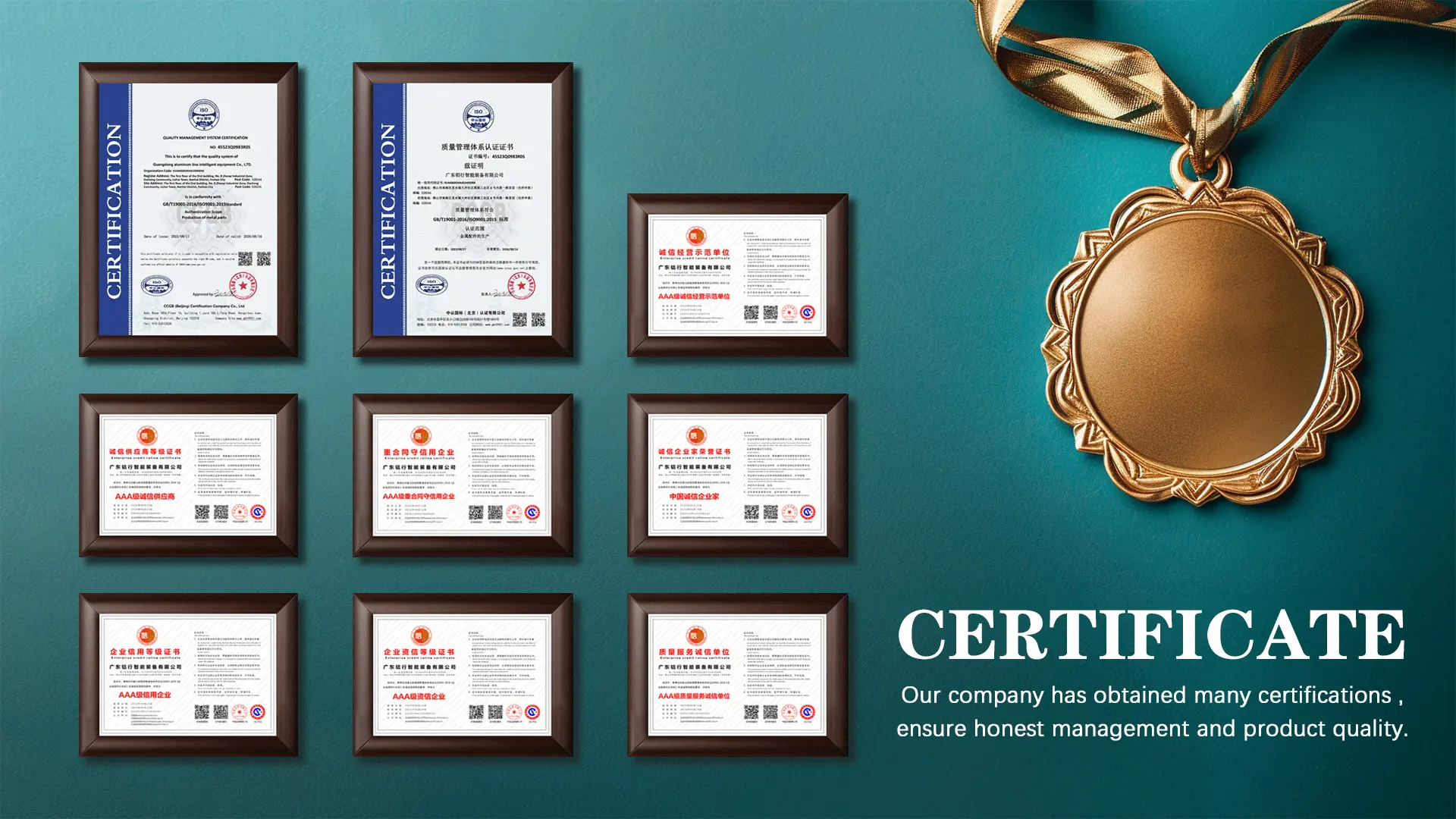
Our commitment to excellence is evident throughout the manufacturing process, rigorous quality control, thorough packaging, and efficient shipping procedures. This dedication has earned us recognition as a national excellent and honest enterprise, along with quality system certification in accordance with GB/T19001-2016/ISO9001:2015 standards. We aspire to be your trusted business partner and warmly invite you to visit our factory.
An in-depth look at critical helicopter landing decks, safety barrier engineering, and international safety compliance for maritime, aviation, and metropolitan systems.
We are certified to produce "Special Aluminium Materials for Aerospace." Our structural profiles utilize high-yield 6000 & 7000 series alloys, delivering exceptional load-bearing performance under dynamic wind and vibration stress profiles.
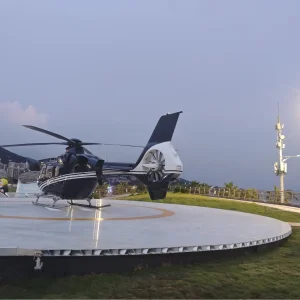
Offshore vessels, drilling rigs, and marine vessels face highly aggressive corrosion. Our systems use premium grades of powder-coated and anodized aluminum with structural-grade stainless steel cables to ensure extended longevity in saline C5-M marine zones.
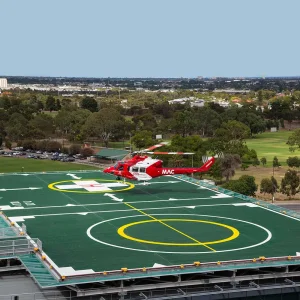
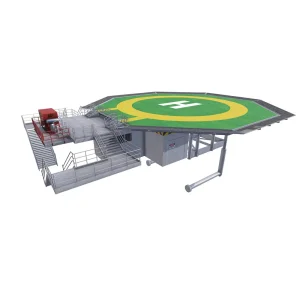
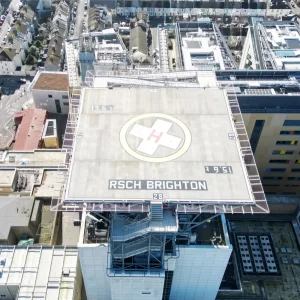
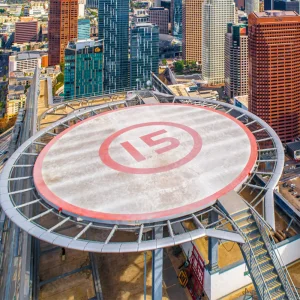
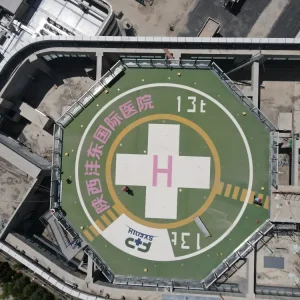
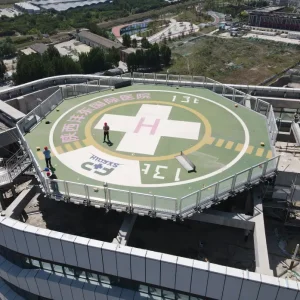
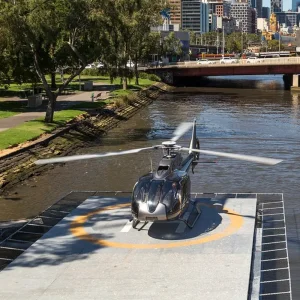
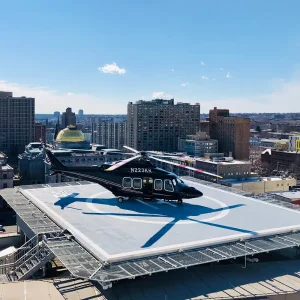
Modern medical infrastructure relies on rapid rooftop aeromedical access. Our complete square and circular aluminum helideck assemblies distribute structural weight efficiently, minimizing load impact on hospital roof structural systems.
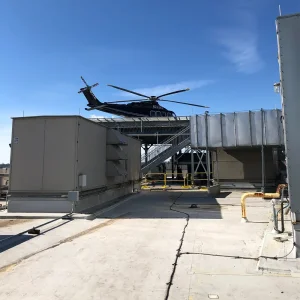
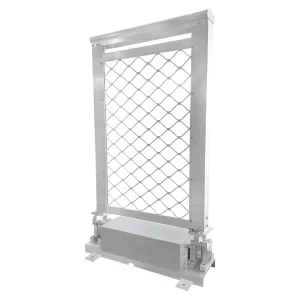
The Global Industrial Perspective: High-Ascent Aircraft Landing Safety Nets and helideck perimeter safety structures are critical to preventing aircraft fallover hazards and securing operations on elevated, marine, and mountainous structures. According to Civil Aviation Authority regulations (such as CAP 437 and FAA guidelines), any elevated helipad or helideck must feature a certified, non-frangible perimeter safety net. The system must project outward by at least 1.5 meters, rising slightly outwards to ensure any personnel or loose equipment sliding off the deck is safely contained.
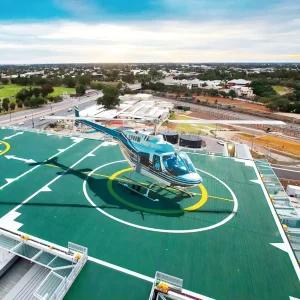
As offshore wind energy, ultra-large luxury yachts, and urban vertiports for electric Vertical Takeoff and Landing (eVTOL) aircraft continue to grow globally, the demand for highly optimized, high-strength structural profiles has increased. LvXing Intelligent Equipment meets this market demand by leveraging state-of-the-art 20,000T extrusion technology. This allows the fabrication of extra-wide single-section panels up to 1.2m, reducing seams and structural weak points while dramatically lowering installation time and construction costs.
Engineered to deliver exceptional yield strength, impact absorption, and environmental protection. Refer to our operational matrices below.
| Profile Model | Material Alloy Grades | Extrusion Capability | Max Dimensions (W x L) | Applications & Standards |
|---|---|---|---|---|
| LX-HP01 Series | 6000 & 7000 Series (6061-T6, 6082-T6, etc.) | 800T to 20,000T Lines | 1.2m x 28m Max Section | Standard elevated rooftop pads, high fatigue resistance. |
| LX-HP03 Series | 6000 & 7000 Series (High-Tensile Aerospace) | 800T to 20,000T Lines | 1.0m x 24m Max Section | Heavy-load industrial helicopter hubs, marine supply bases. |
| LX-HP04 Series | 1xxx, 2xxx, 3xxx, 5xxx, 6xxx, 7xxx | Precision Machining Lines | Custom Geometric Outlines | Custom structural channels, integrated water drains. |
| Helideck Safety Net System | Marine Grade Stainless Steel / Al-Mesh Frame | Integrated Tension Castings | 1.5m outward span minimum | CAP 437 / CE Certified perimeter safety net systems. |
Every helipad profile, aluminum deck panel, and landing net assembly undergoes extensive safety and performance evaluations before leaving our facility. We perform static load capacity tests, structural deflection checks under dynamic wind shear simulator forces, and salt spray exposure tests. This ensures our systems withstand harsh environmental conditions.
Using premium Fenglu aluminum ensures that every extrusion maintains internal grain structure stability. This helps avoid micro-fracturing along high-stress points, which is critical during hard emergency aircraft landings.

How we ensure compliance with localized engineering codes, regional wind loads, and unique structural requirements across diverse continents.
Designing in accordance with FAA Advisory Circular AC 150/5390-2C for heliport design. We support ASTM corrosion validation tests and local state structural engineering calculations for seismic and high wind-speed regions.
Providing CE Certification for safety netting frameworks. Our designs meet EN 1999 (Eurocode 9: Design of aluminium structures) specifications, offering certified structural capacity in highly seismic alpine zones.
Our landing deck netting systems meet the stringent international CAP 437 standards. They utilize friction-reducing, flame-resistant polymer-coated stainless meshes, making them suitable for North Sea and Gulf of Mexico operations.


LvXing Intelligent Equipment coordinates closely with localization partners to deliver detailed CAD/BIM models, structural load profiles, and installation guides. By involving our engineers early in the design phase, you can prevent structural issues, streamline safety certifications, and ensure smooth project approvals.
Whether you require customized lengths up to 28 meters to fit a unique cantilevered offshore design, or need a specific chemical-resistant powder coat finish to withstand industrial emissions, our R&D team can tailor our profiles and meshes to meet your requirements.
Anticipating the demands of next-generation Urban Air Mobility (UAM), eVTOL landing complexes, and smart safety deck systems.
Our upcoming product generations will integrate fiber-optic strain sensors into the key support sections of our profiles. This allows operators to monitor fatigue levels in real time, enhancing the safety of marine and heavy commercial platforms.
We are researching viscoelastic core inserts for our hollow structural aluminum extrusions. These inserts help absorb and dampen acoustic vibrations during aircraft landings in urban and residential areas.
Designed for cold-climate applications, our next-generation landing decks feature built-in heating channels. These profiles facilitate easy installation of electric heat tracing lines to prevent ice buildup on active takeoff and landing surfaces.
Get answers to common technical, engineering, and regulatory questions from our senior technical consulting team.
A comprehensive inventory of structural profiles, perimeter mesh systems, and turn-key landing decks for industrial and commercial aviation projects.
 LvXing