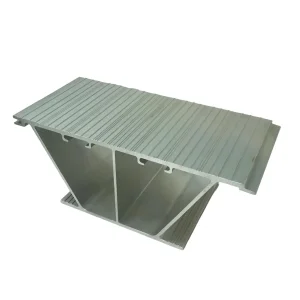
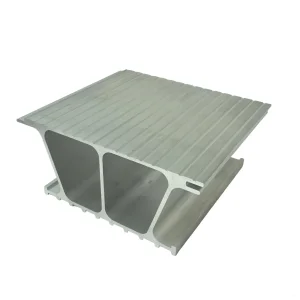
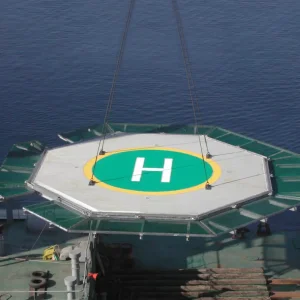
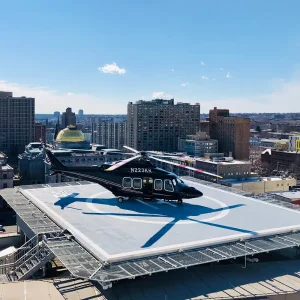
Direct supply paths for heavy-duty structural profiles, precision safety systems, and industrial-grade custom components.
Modern construction paradigms demand building envelopes that optimize thermal envelope efficiency without compromising structural stability. Unplasticized Polyvinyl Chloride (uPVC) sliding windows represent a key component in this dynamic. However, to meet wind-load requirements in high-rise and high-exposure developments, raw PVC profiles must be internally reinforced with structural metallic cores.
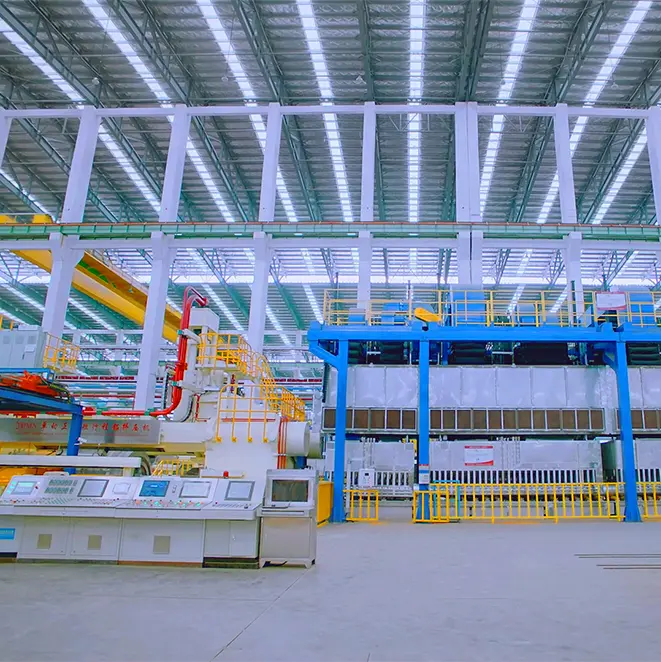
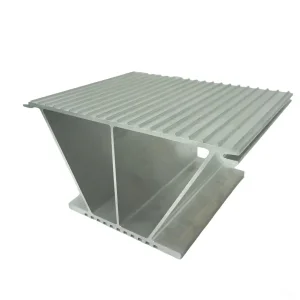
At LvXing Intelligent Equipment, we leverage our decades of specialized metallurgy and extrusion capabilities—running heavy-duty lines up to 20,000T—to manufacture the precision-engineered aluminum structural components and track designs that reinforce high-end PVC sliding systems. This integration of custom PVC multi-chamber profiles with internal structural reinforcement and built-in sliding mesh nets yields optimal acoustic damping, wind resistance, and mosquito/pest prevention.
Established in 2015 and located in Foshan City, Guangdong, LvXing Intelligent Equipment Co., Ltd. boasts a skilled R&D team with extensive experience. We leverage exceptional technical expertise to effectively transform customers' ideas into reality, consistently meeting their precise requirements.
We utilize premium Fenglu aluminum, offering a diverse range of profiles for flexible applications. Our extrusion lines, ranging from 800T to 20,000T, accommodate alloys 1xxx, 2xxx, 3xxx, 5xxx, 6xxx, and 7xxx, allowing us to produce shaped products with section dimensions up to 1.2 meters in width and 28 meters in length. These products are recognized for their precision and meticulous processing, finding broad application in aerospace, military, medical, and industrial sectors.
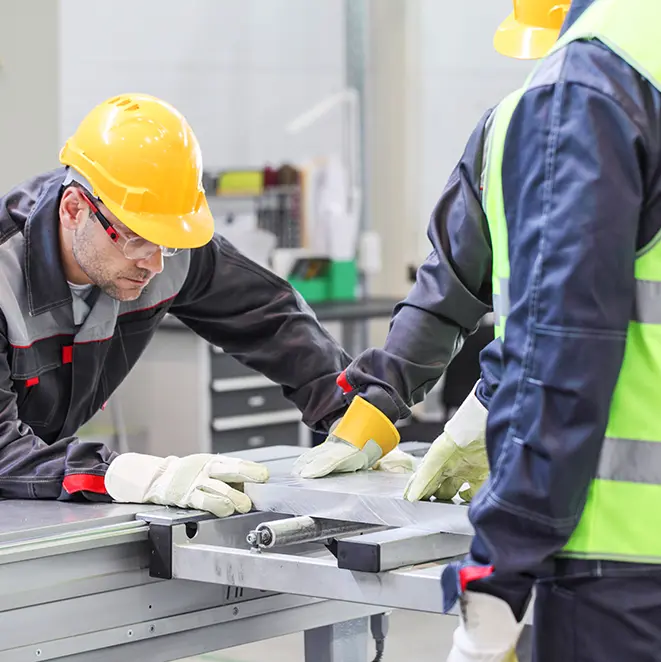
Our commitment to excellence is evident throughout the manufacturing process, rigorous quality control, thorough packaging, and efficient shipping procedures. This dedication has earned us recognition as a national excellent and honest enterprise, along with quality system certification in accordance with GB/T19001-2016/ISO9001:2015 standards.
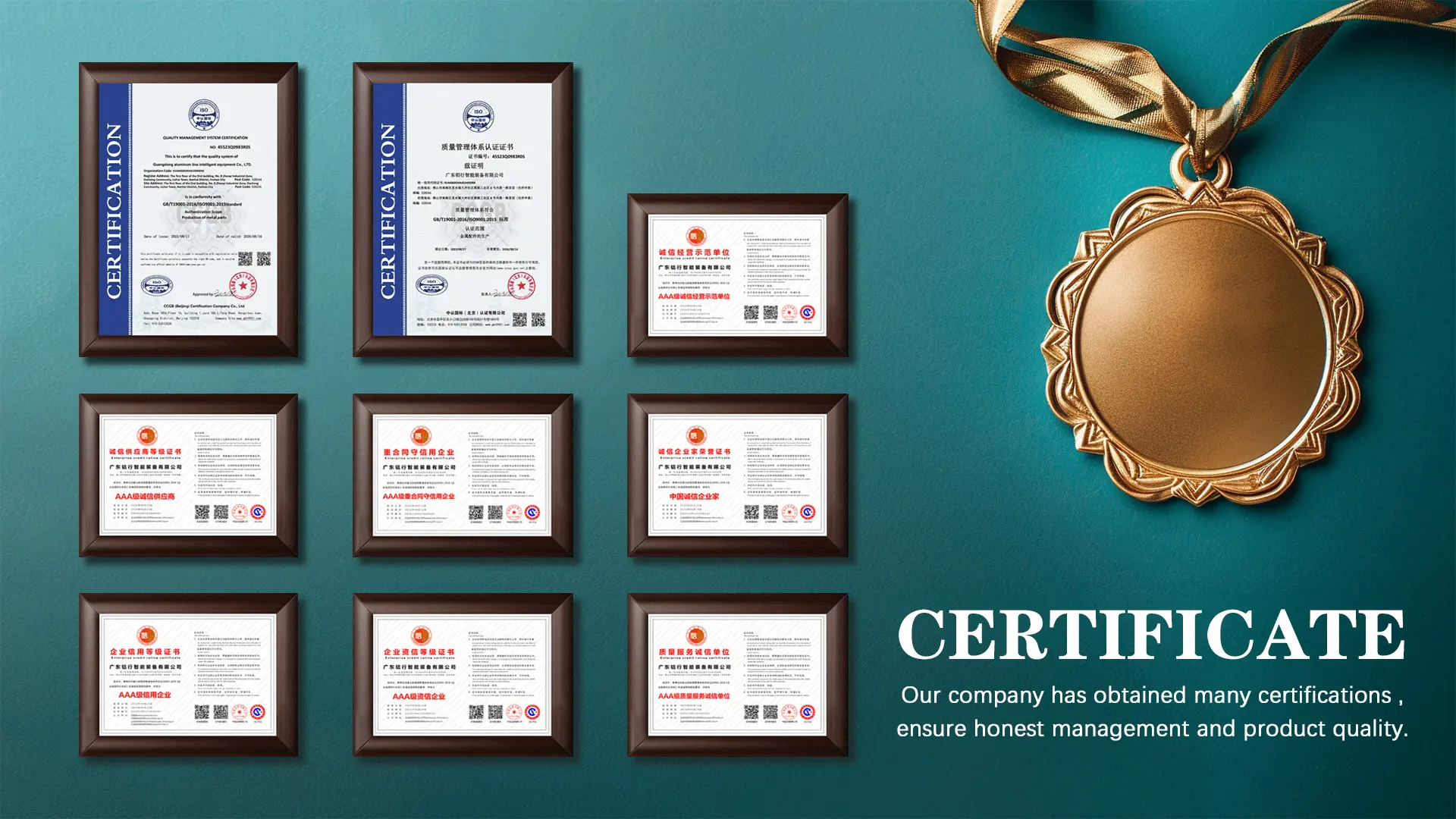
We have obtained the "Special Aluminium Materials for Aerospace" Certificate. This standard of metallurgy is applied straight to our structural architectural reinforcing profiles, offering unparalleled wind-load resistance and structural longevity.
We provide and utilize high-quality Fenglu aluminum profiles. With extrusion lines ranging from 800T to 20,000T, we can produce alloys 1xxx, 2xxx, 3xxx, 5xxx, 6xxx, and 7xxx. We manufacture fully shaped products up to 1.2m width or 28m length.
Our team of technicians has 15 years of invaluable experience. Our deep understanding of customer requirements allows us to identify potential issues, offer practical insights, and turn custom concepts into reality.
Extrusion Capacity
Engineering Experience
Certified Quality System
Customizable Profiles
Innovation directions for energy conservation, security screen durability, and automation integration in smart window systems.
We are piloting multi-chamber uPVC profiles that feature co-extruded thermal barriers. By integrating secondary recycled PVC or structural fiberglass-reinforced polyurethane cores directly inside the profile extrusions, we lower the overall profile U-value below 1.1 W/(m²·K).
The screen net is evolving from basic insect barriers to structural security mesh. Our future models integrate stainless steel wire mesh (up to 0.9mm diameter) fitted with electronic magnetic contact sensors. This enables instant alarm trigger outputs if the mesh is cut or breached.
Combining heavy-duty guide rails with embedded low-voltage linear actuators. Smart sliding windows of the next generation can open and close based on indoor air quality (IAQ) sensors. Auto-wiping lintels clean the net mesh automatically during actuation.
How specialized PVC sliding window assemblies with integrated nets address large-scale development criteria.
Reducing active heating and cooling demand is critical for green building certification. Our multi-chamber PVC profiles act as excellent non-conductive barriers. When integrated with low-E glass options, they significantly lower solar heat gain coefficients (SHGC) and help projects score high on environmental rating systems.
Coastal developments expose exterior frames to harsh salt air, resulting in corrosion on metallic parts. High-impact PVC formulations paired with marine-grade 316 stainless steel insect/security nets resist salt-spray damage, outlasting traditional aluminum window frames without surface degradation.
High-rise installations face intense wind loads and building drift. Internal metal reinforcements provide structural stability, while high-tensile mesh screens protect residents from falls. Sliding nets are secured within tracks, preventing them from blowing loose during severe weather.
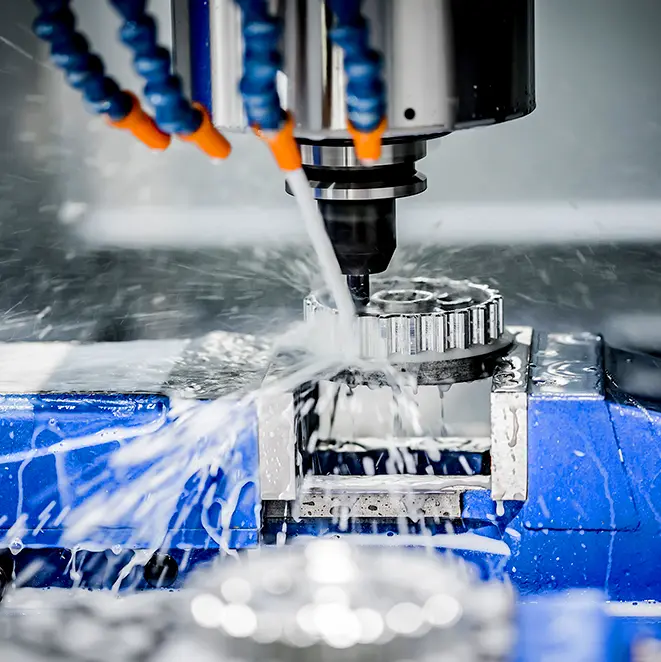
Operating within Foshan City, Guangdong—the global epicenter of advanced metal and plastics fabrication—gives LvXing Intelligent Equipment a structural cost and logistical advantage. By establishing an integrated manufacturing flow from raw material sourcing (such as premium Fenglu aluminum and virgin uPVC dry blends) to extrusion, CNC machining, hardware assembly, and final QC checks, we reduce lead times and production waste.
Our production lines feature automated twin-screw extruders that maintain constant wall-thickness tolerances according to DIN EN 12608. Automated corner-welding machines weld uPVC frame segments together, ensuring airtight joints and structural stability.
With extrusion capabilities ranging from 800T to 20,000T, we manufacture large quantities of internal steel and aluminum structural reinforcements. This vertical integration keeps our pricing competitive and helps stabilize lead times during supply chain fluctuations.
A structured approach for international buyers: from initial design validation to final custom volume delivery.
Customers submit local building codes, required U-values, wind-load ratings, and profile dimensions. Our R&D team generates localized CAD designs and details the internal aluminum reinforcement layout.
We select the appropriate uPVC formulation (such as tropical-grade stabilizers for high-UV regions) and the mesh net type (fiberglass, stainless steel, or diamond security mesh). We then fabricate sample profile sections for testing.
Following prototype approval and structural testing, we initiate high-speed extrusion. Assembled window units undergo automated testing before being packed in protective crates and shipped worldwide.
Estimated wholesale price ranges based on structural configuration, profile thickness, glass selection, and net materials. Contact us for formal quotes.
| Profile Type | Wall Thickness | Glass Spec | Net Screen Material | Est. Price (USD/m²) | Minimum Order Qty |
|---|---|---|---|---|---|
| Standard 60 Series (3-Chamber) | 2.0 mm - 2.2 mm | 5mm Single Tempered | Fiberglass Mesh (Insect protection) | $45 - $60 | 100 m² |
| Thermal 80 Series (5-Chamber) | 2.5 mm | 5mm + 9A + 5mm Double Glazed | Fiberglass Mesh (Insect protection) | $75 - $95 | 50 m² |
| Heavy-Duty 88 Series (Reinforced) | 2.8 mm | 6mm + 12A + 6mm Double Glazed | 304 Stainless Steel Security Mesh | $110 - $140 | 50 m² |
| Premium 120 Series (Multi-Track) | 3.0 mm (Class A) | 6mm + 15Ar + 6mm Low-E Double | 316 Stainless Steel Diamond Mesh | $160 - $210 | 20 m² |
| Hybrid PVC-Aluminum Sliding System | 3.0 mm (Hybrid) | 5mm + 12A + 5mm + 12A + 5mm Triple | High-Tensile Anti-Theft Metal Net | $240 - $310 | 20 m² |
*Note: The prices provided are estimates and vary based on raw material market index (uPVC resin, aluminum reinforcement profiles) and hardware choices (e.g. domestic vs. imported European multi-point locks).
Technical guidance regarding design options, installation requirements, and material properties.
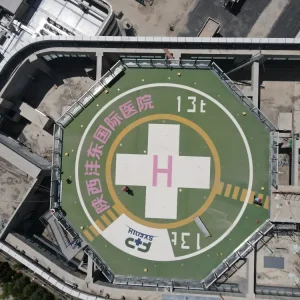
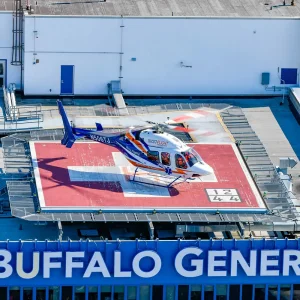
Explore our structural aluminum profiles, perimeter netting, and emergency landing structures.
 LvXing