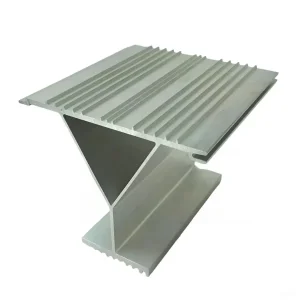
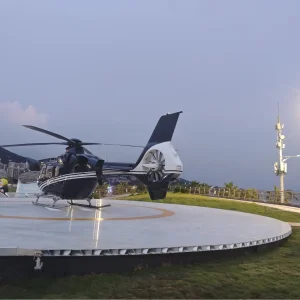
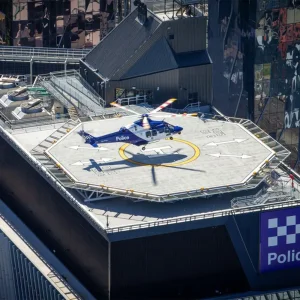
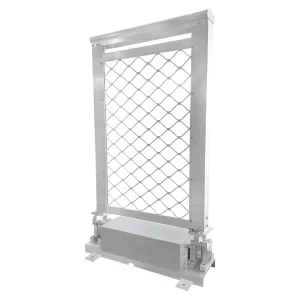
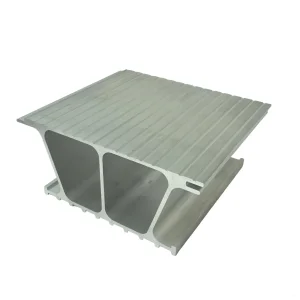
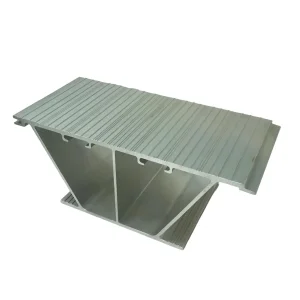
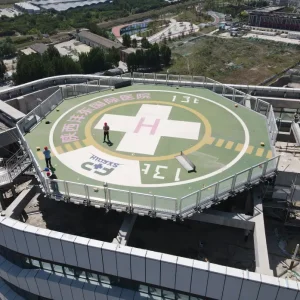
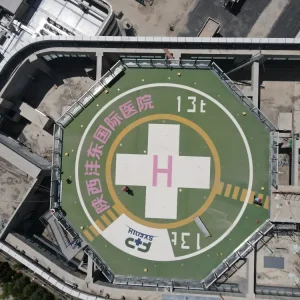
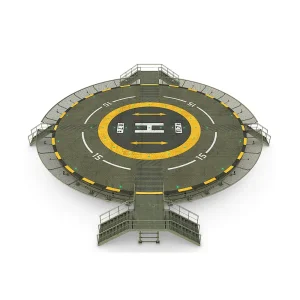
Select from our premium range of certified aluminum alloy shapes, specialized helipad extrusions, and peripheral safety systems.
In modern engineering, the demand for reduction in structural weight without sacrificing mechanical strength has placed custom thin aluminum profiles at the forefront of material science. Precision extrusion technologies now enable wall thicknesses well below 1.5mm, and in specialized cases, down to 0.8mm, while maintaining strict geometric and dimensional tolerances.
The global transition towards green mobility, miniaturized heat dissipation architectures, and lightweight structural frameworks has accelerated the deployment of custom thin-wall shapes. By utilizing highly engineered temper variations (such as T5, T6, or T651) and complex multi-void structural cavities, designers can maximize the second moment of area (moment of inertia) relative to the profile's mass.
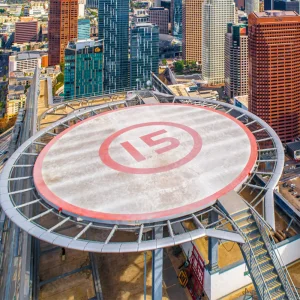
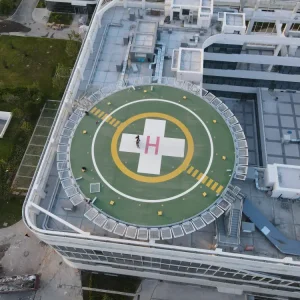
This optimization is especially critical in structural infrastructure designs, such as rooftop helicopter landing decks and aerospace applications. Advanced thin-wall profiles deliver localized structural resilience and superior dynamic energy-absorption capabilities, establishing them as the default solution for highly demanding structural tasks.
Transforming complex design concepts into physical reality with state-of-the-art aluminum extrusion and processing capabilities.
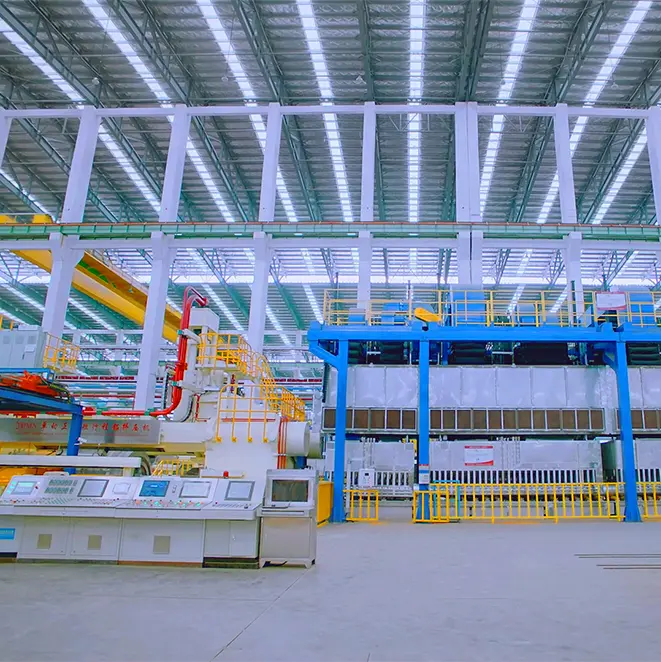

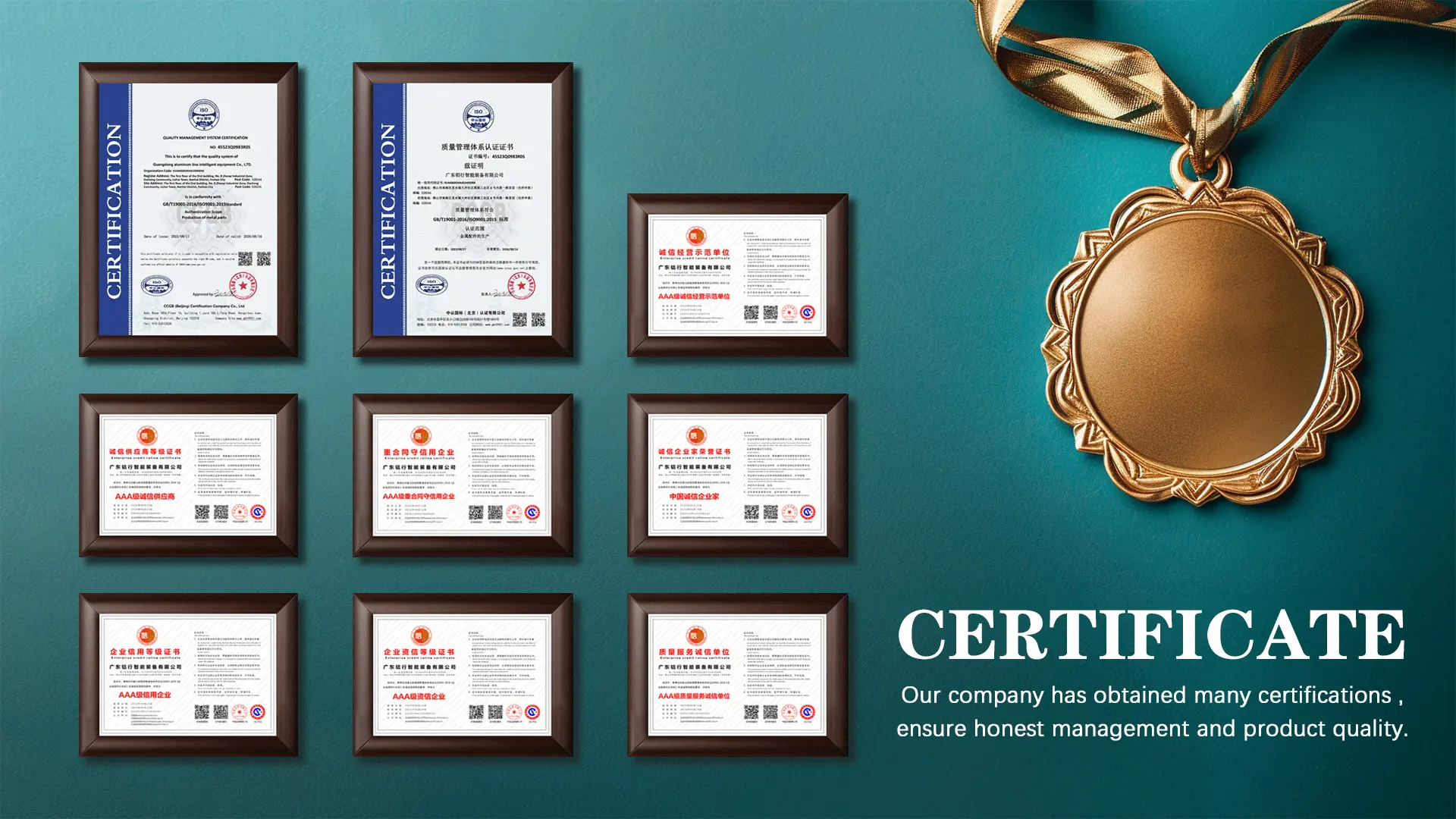
Lvxing Intelligent Equipment has obtained the prestigious "Special Aluminium Materials for Aerospace" Certificate. This ensures our chemical compositions, grain alignment, and mechanical properties satisfy the most rigorous aerospace safety regulations.
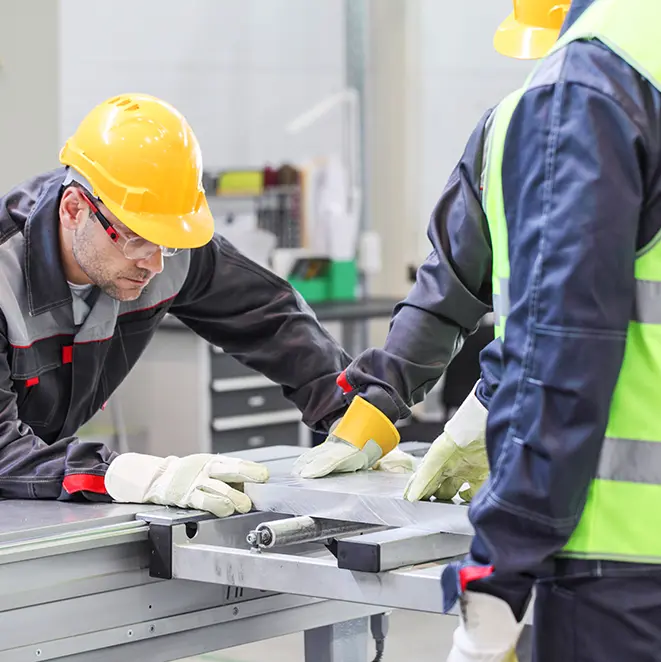

Utilizing high-grade Fenglu aluminum billets, our extrusion presses range from 800T to 20,000T. We process alloys across the 1xxx, 2xxx, 3xxx, 5xxx, 6xxx, and 7xxx series, outputting cross-sections up to 1.2 meters wide and lengths up to 28 meters.
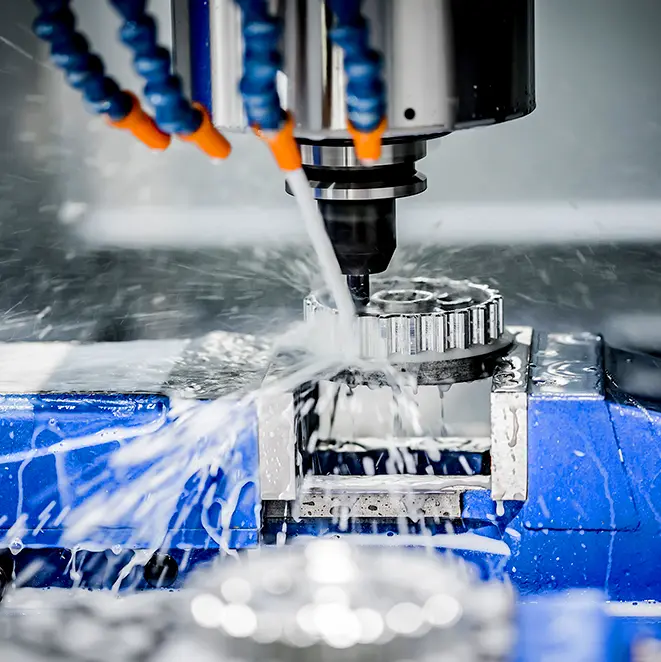

Our veteran technical team brings over 15 years of hands-on experience in profile engineering. We identify critical issues early, optimize profile geometry for extrudability, and provide design-for-manufacturability (DFM) support.
Sourcing custom thin-wall profiles globally demands close attention to alloy purity, structural deflection limits, and geometric consistency. For projects requiring high strength-to-weight ratios—such as helicopter rescue decks or marine helipads—the chemical and mechanical property profiles must remain uniform across production batches.
Procurement managers look for factories capable of providing full traceability documentation. This includes chemical analysis, mechanical property certificates, anodization depth tests, and dimensional conformance reports (GD&T). Partnering with a manufacturer like Lvxing, which relies on premier Fenglu aluminum raw material, guarantees that the extruded profiles remain free from interior structural inclusions and grain structure defects.
| Alloy Series | Main Alloying Element | Key Advantages for Thin Profiles | Typical Industrial Applications |
|---|---|---|---|
| 1xxx Series | 99.0% Min. Aluminum | Excellent corrosion resistance, highly formable | Electrical conductors, decorative trim |
| 5xxx Series | Magnesium | High marine corrosion resistance, good weldability | Shipbuilding, marine helideck bases |
| 6xxx Series | Magnesium & Silicon | Optimal extrudability, high strength, easy CNC finishing | Architectural profiles, helipad structures, automotive |
| 7xxx Series | Zinc | Ultra-high structural strength, heat-treatable | Aerospace components, military structures |
Based in Foshan City, Guangdong—the epicentre of global aluminum fabrication—Lvxing Intelligent Equipment has implemented Factory 4.0 automation systems. This modern infrastructure handles everything from die design to automated cooling tables and high-precision straighteners.
Our production facility integrates advanced heating and quenching processes, keeping the profiles straight and dimensionally stable. This is especially vital for thin-walled sections, which are prone to twisting and bending during rapid thermal transitions.
For global industrial buyers, this level of automation brings significant benefits:
By blending localized supply networks with global quality controls, we safeguard project schedules and provide a steady supply of structural materials to global build sites.
Our custom aluminum extrusions are engineered to perform in challenging and specialized environments.
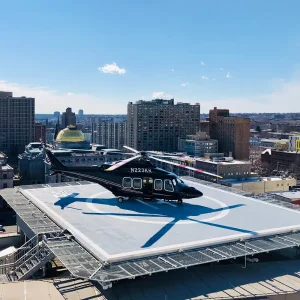
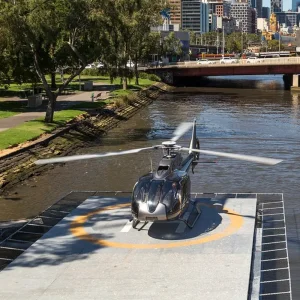
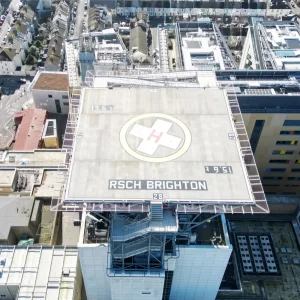
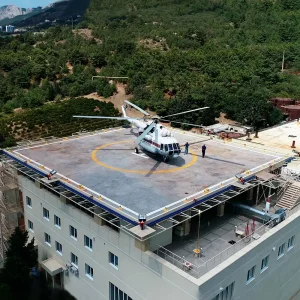
Our custom inter-locking structural profiles form the foundation of municipal hospital rooftops, remote rescue zones, and offshore oil platforms. The lightweight nature of the design keeps overall structure weight low, while the robust 6000-series alloys handle the dynamic impact forces of landing aircraft.
Lvxing holds the "Special Aluminium Materials for Aerospace" certificate. This makes us a reliable partner for producing internal frames, electronics housing, and wire conduits that require minimal weight, exact tolerances, and reliable fatigue life.
Cleanroom environments demand surfaces that are easy to sterilize, corrosion-resistant, and non-outgassing. Our thin-wall structures feature specialized anodized surface coatings, providing sleek structural framing for cleanrooms and medical equipment.
Get technical insights into engineering tolerances, alloy selection, and production capabilities.
Established in 2015 in Foshan City, Guangdong, LvXing Intelligent Equipment Co., Ltd. has grown into a leading developer of custom aluminum profiles. Our team focuses on engineering technical solutions for complex structural and industrial applications.
By partnering with premier billet suppliers like Fenglu Aluminum, we process alloys across a wide spectrum (1xxx through 7xxx). Our extrusion line capabilities—spanning from 800T up to 20,000T—allow us to produce precision components up to 1.2m wide and 28m long. These dimensions are crucial for modern industrial, medical, and aerospace infrastructure, where reducing the number of assembly joints increases structural stability.
Every step of our process, from raw material inspection and hot extrusion to quenching, straightening, heat treatment, and packaging, is governed by ISO9001:2015 quality standards. This ensures every shipment delivers predictable performance under mechanical load.
Explore our range of heavy-duty landing profiles, certified structural configurations, and perimeter mesh designs.
 LvXing