 LvXing



Strategic Analysis of Customized Aluminum Profiles & Structural Framing
In modern civil, aerospace, and industrial architecture, structural systems demand materials that balance mechanical integrity with design flexibility. Customized aluminum door frames and specialized profiles (such as those used in marine, aerospace, and high-elevation helipads) serve as structural pillars. By transition from legacy steel assemblies to advanced 6000 and 7000 series aluminum extrusions, global projects gain lightweight durability, corrosion resistance, and precision engineering.
1. The China Factory Advantage: The Foshan Extrusion Ecosystem
Foshan City in Guangdong is the undisputed global capital of aluminum extrusion technology. Operating within this industrial cluster, LvXing utilizes a fully integrated supply chain that optimizes cost, metallurgical quality, and lead times.
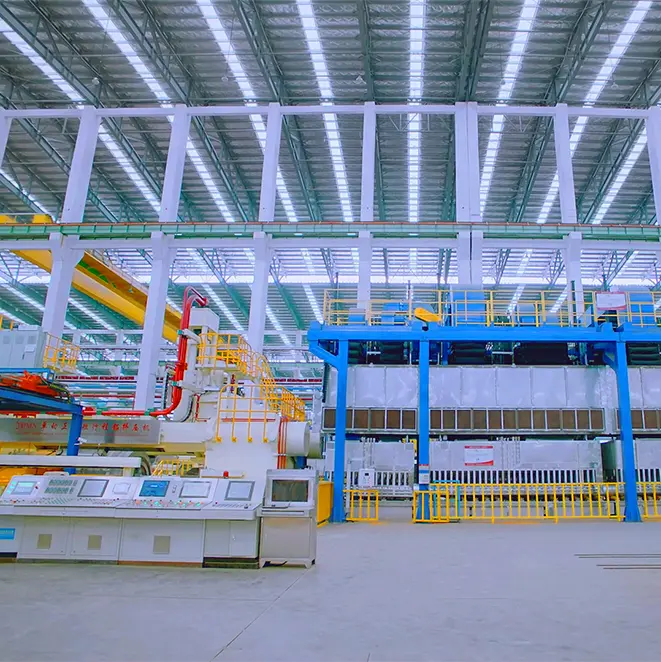
- Scale and Capability: With access to extrusion presses ranging up to 20,000 tons, we can push out profiles that are impossible for standard mills. This includes profiles measuring up to 1.2 meters in width and 28 meters in length, reducing the need for field welding and mechanical joints.
- Premium Sourcing: The strategic partnership with Fenglu Aluminum ensures raw ingot purity, guaranteeing consistent mechanical yield strengths across batches.
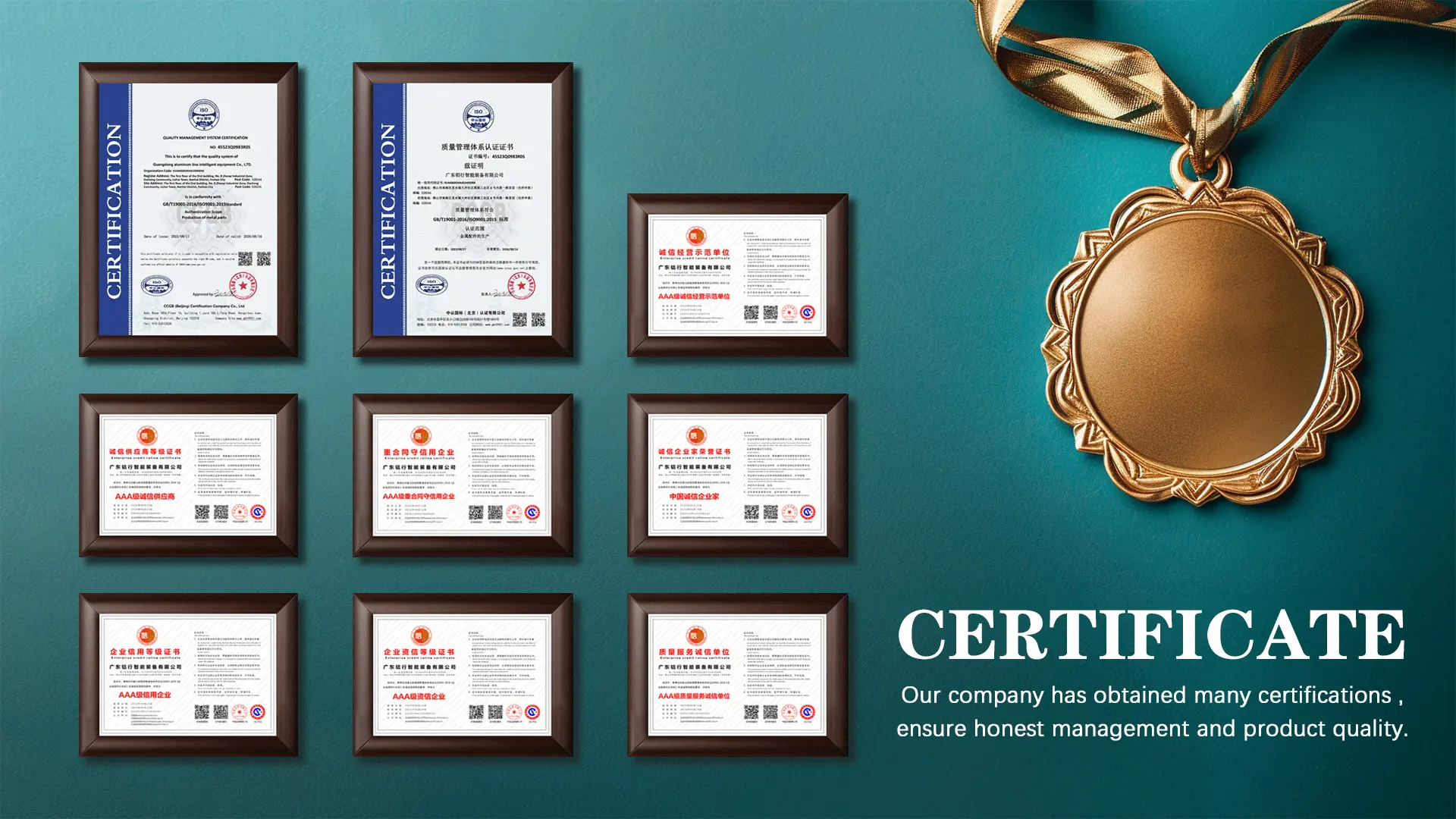
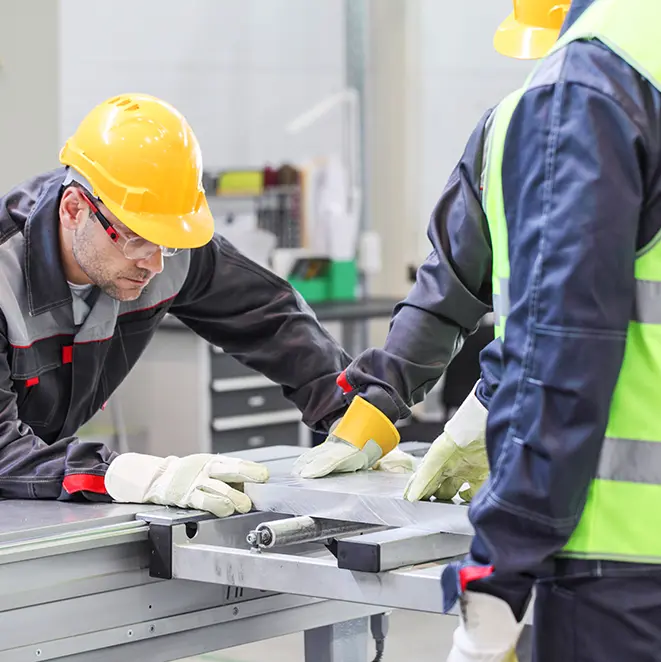
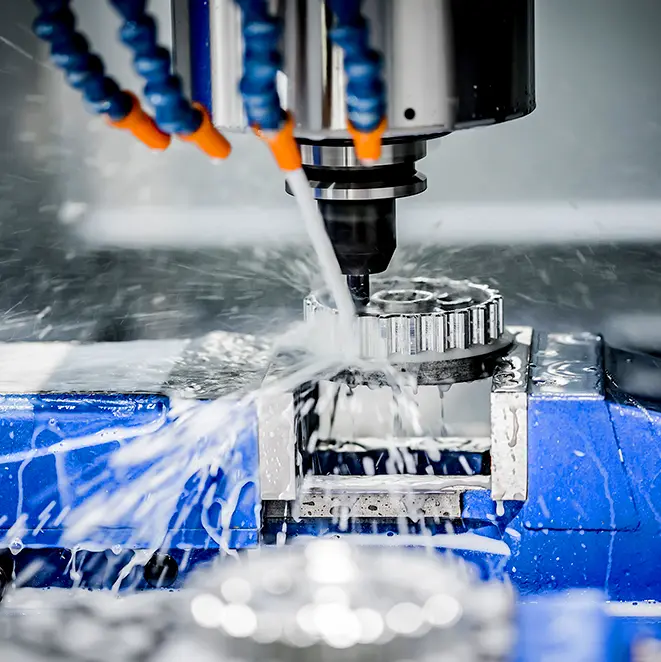
- Vertical Integration: From custom tool and die design to final surface anodization, powder coating, and CNC machining, all processes are executed within a unified quality framework compliant with GB/T19001-2016 and ISO9001:2015.
2. Global Macro Industry Trends in Aluminum Profiling
The global aluminum extrusion market is undergoing rapid evolution. Key drivers include:
- Decarbonization & Weight Reduction: Structural lightweighting is critical in aerospace and high-rise construction. Minimizing structural dead loads reduces the foundation mass, saving cost and lowering carbon footprints.
- Smart Building Envelopes: High-performance door frames are no longer passive barriers. They must accommodate thermal breaks, acoustic barriers, and integrated sensor routes.
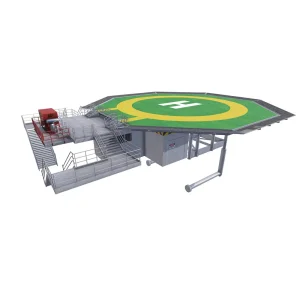
- Offsite Modular Construction: Prefabricated aluminum modules, such as pre-assembled helideck decks, are shipped globally for fast assembly, requiring tight tolerances.
3. Metallurgical Alloys: Selection Matrix for B2B Procurements
Selecting the correct alloy family is critical for target stress environments. Below is our engineering guide to standard architectural and structural alloys:
| Alloy Series | Main Alloying Elements | Tensile Strength (MPa) | Corrosion Resistance | Primary Applications |
|---|---|---|---|---|
| 6063-T6 | Magnesium & Silicon | 180 - 230 | Excellent | Architectural door frames, window sections, light trims |
| 6061-T6 | Magnesium & Silicon | 260 - 310 | Very High | Structural frames, heavy machinery, transport platforms |
| 6082-T6 | Manganese & Silicon | 290 - 340 | Excellent | Highly stressed structural designs, marine decks, helipads |
| 7075-T6 | Zinc & Magnesium | 500 - 570 | Moderate | Aerospace components, military hardware, high-stress brackets |
4. Localized Application Scenarios & Macro Solutions
Our custom structural aluminum profiles are engineered for critical applications where structural integrity is a matter of life safety:
A. Offshore Marine & Coastal Environments
Saltwater spray requires high resistance to pitting and galvanic corrosion. Our 6000-series alloy extrusions, combined with marine-grade anodizing (anodized film thickness exceeding 20 microns), ensure long-term structural survivability without degradation.
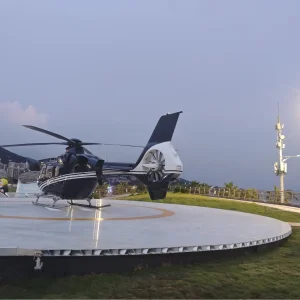
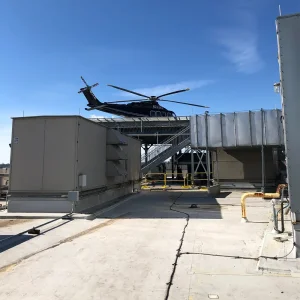
B. Elevational Heliports & Hospital Rooftops
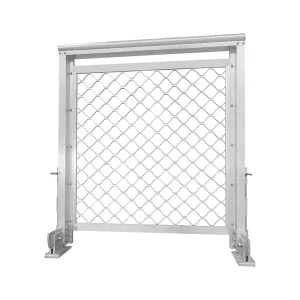
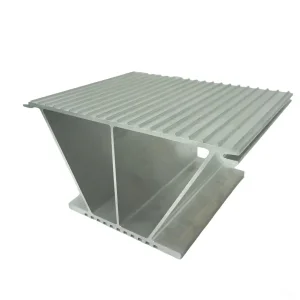
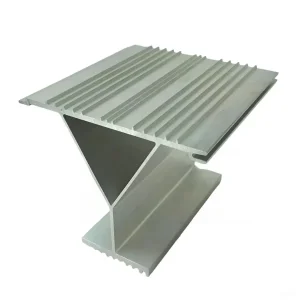
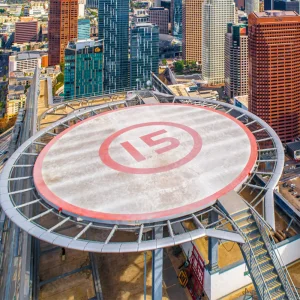
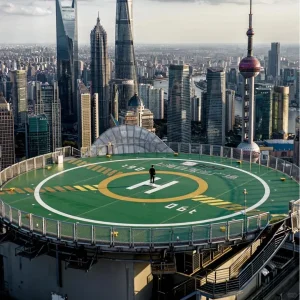
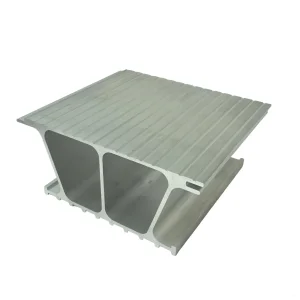
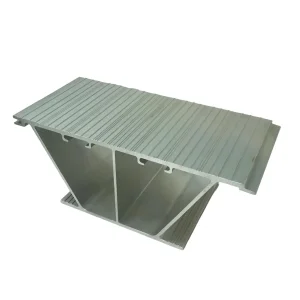
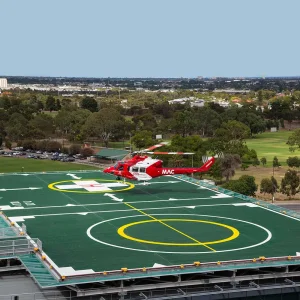
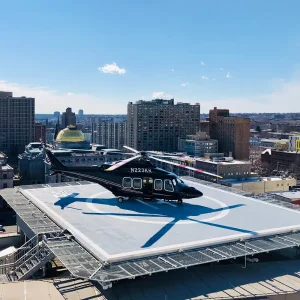
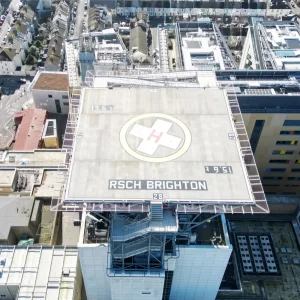
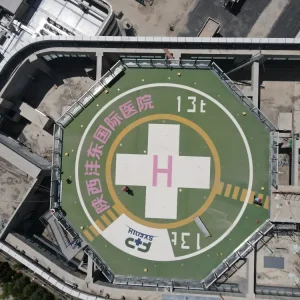
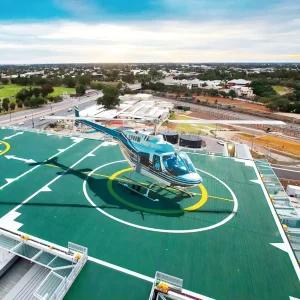
Rooftop and skyscraper helipads require high stiffness-to-weight ratios to absorb cyclic dynamic impact forces during helicopter landings. Our customized helipad aluminum profile systems (like the LX-HP03 series) provide interlocking, self-draining structural decks that assemble quickly.
C. Heavy-Duty Commercial Door Frames
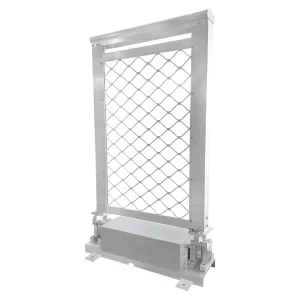
High-traffic openings in commercial hubs require heavy-wall profiles that resist warping, door sagging, and violent winds. Custom internal reinforcement chambers allow for steel inserts or hidden electrical wiring routes, making them suitable for high-security applications.
5. Comprehensive Pricelist Factors and Sourcing Criteria
When requesting a pricelist, understanding structural pricing variables is key to optimizing budgets:
- LME Aluminum Ingot Base Rate: Raw aluminum pricing fluctuates daily according to LME (London Metal Exchange) indices. We provide transparent pricing linked directly to these baseline indexes.
- Extrusion Complexity & Wall Thickness: Thinner walls with complex interior chambers require higher extrusion precision, impacting die wear rates and pressing speed.
- Surface Finishes: Finishing costs scale from mill finish (standard) to powder coating, fluorocarbon (PVDF) spraying, and specialized anodization.
- Tolerance Demands: Standards like GB/T 5237 (high precision) or custom EN 755 certifications define tolerance limits, which impact yield rates and inspection metrics.