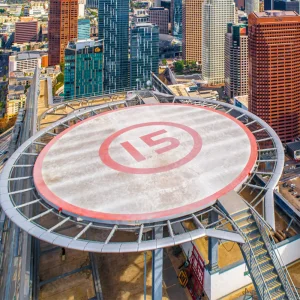
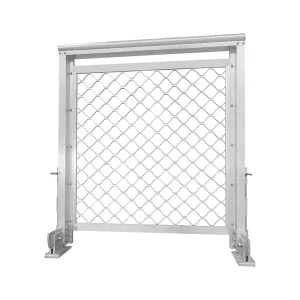
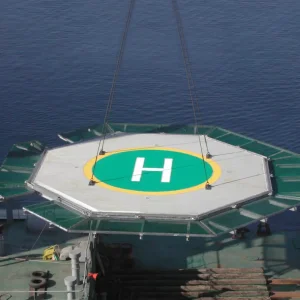
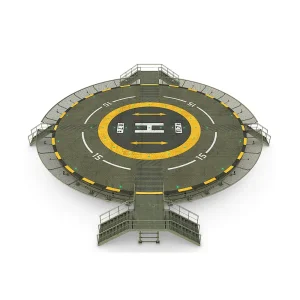
Explore our high-performance structural perimeter safety nets and customized helideck products designed to meet rigorous international aviation compliance standards.
Understating the mechanics of dynamic impact containment, structural durability, and aerodynamic load management in helideck perimeter safety systems.
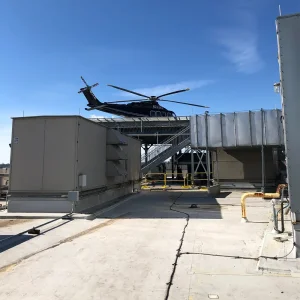
In modern architectural and marine engineering, helicopter landing decks (helidecks) on offshore vessels, hospital rooftops, corporate skyscrapers, and military ships require absolute safety containment. The perimeter safety net serves as the primary failsafe mechanism, preventing personnel and ground handling equipment from falling off the elevated edge. Traditional steel wire mesh systems and synthetic fiber nets present severe drawbacks: high weight penalties, rapid corrosion under salt spray exposure, structural decay under UV radiation, and intensive maintenance cycles.
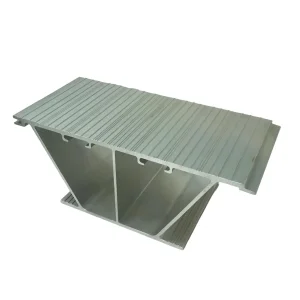
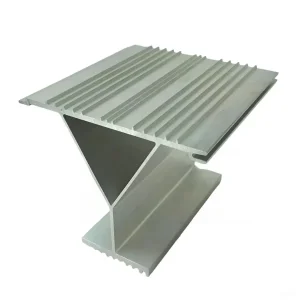
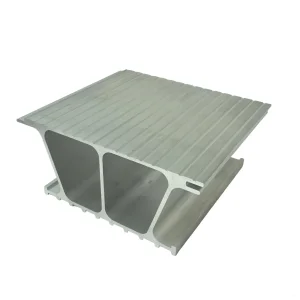
To address these fatal limitations, Lvxing Intelligent Equipment Co., Ltd. has pioneered the design and manufacture of high-strength, lightweight aluminum alloy helipad profiles and integrated safety guard nets. Engineered using aerospace-grade aluminum alloys and state-of-the-art extrusion technologies, our systems offer a maintenance-free service life exceeding 25 years. This comprehensive guide outlines the material characteristics, engineering parameters, compliance pathways, and advanced manufacturing capabilities that define our premium helipad perimeter solutions.
| Performance Metric | Lvxing Aluminum Mesh Systems | Traditional Stainless Steel Mesh | Synthetic Fiber Netting |
|---|---|---|---|
| Structural Material | Alloy 6061-T6 / 6082-T6 (Marine Grade) | 316 / 316L Stainless Steel | High-Density Polyethylene (HDPE) / Nylon |
| Weight Reduction Benefit | High (~65% lighter than steel) | Baseline (Heavy structural loads) | Extremely Light (Lacks rigid framework) |
| Corrosion Resistance | Excellent (Self-passivating oxide layer) | Moderate (Susceptible to crevice pitting) | N/A (Susceptible to chemical degradation) |
| UV Degradation Resistance | Immune | Immune | Poor to Moderate (Requires regular replacement) |
| Dynamic Impact Absorption | Dynamic yield frame deformation | Rigid high-tension impact reflection | High elasticity, potential stretch failure |
Established in 2015 and located in Foshan City, Guangdong, Lvxing Intelligent Equipment Co., Ltd. boasts a skilled R&D team with extensive experience. We leverage exceptional technical expertise to effectively transform customers' ideas into reality, consistently meeting their precise requirements.
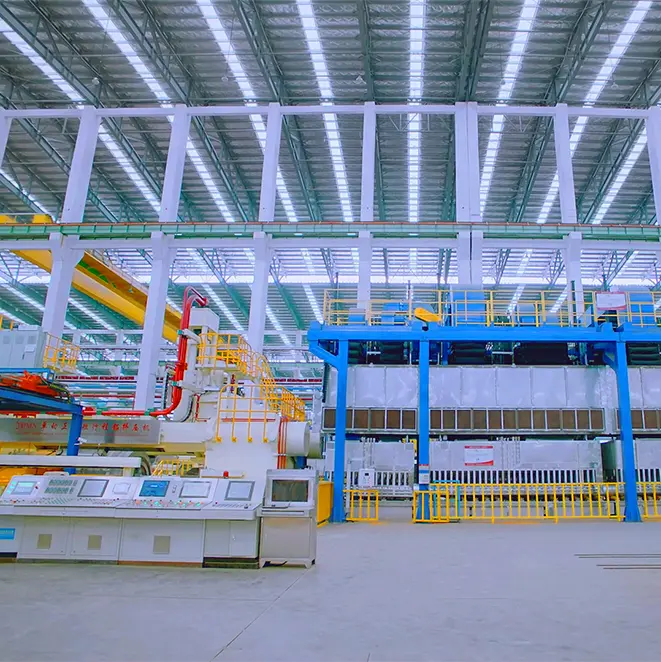

We have obtained the prestigious “Special Aluminium Materials for Aerospace” Certificate. This validates our mechanical integrity, precise crystalline structure, and raw material traceability back to the casting process, ensuring maximum security under critical impact loads.
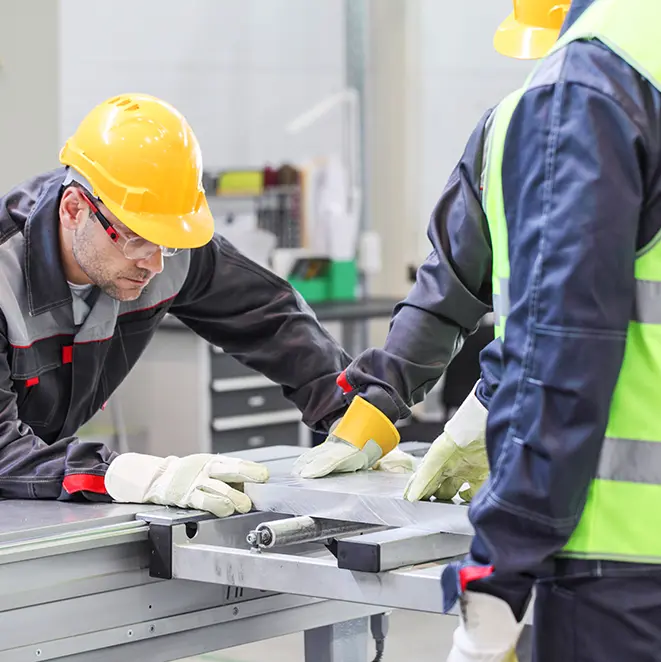

Utilizing high-quality Fenglu aluminum, our extrusion lines range from 800T up to a massive 20,000T. This enables us to extrude alloys in 1xxx, 2xxx, 3xxx, 5xxx, 6xxx, and 7xxx series. We can process sections up to 1.2 meters wide and individual profile lengths up to 28 meters.
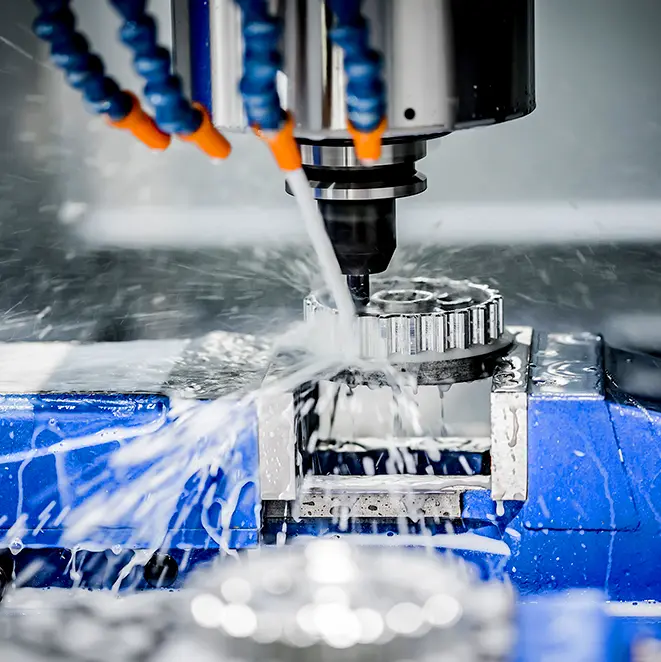

Our core technical R&D team possesses over 15 years of deep industry expertise. By working directly with your architectural and naval engineers, we identify potential installation issues and supply practical structural insights to turn concepts into certified products.
Driving next-generation safety standards via smart integrations, light-weighting, and adaptive energy-absorbing materials.
As structural designs evolve, helideck perimeter safety systems are transitioning from static, passive barriers to active, intelligent safety nodes. Lvxing’s technology roadmap details critical developmental paths intended to meet the challenges of 21st-century aviation infrastructure:
We are engineering next-generation, multi-hinged perimeter structures that incorporate internal dampening cores. Upon dynamic force application—such as a falling object or personnel impact—these joints absorb kinetic energy through controlled mechanical yield, reducing impact trauma and preventing structural rebound.
By embedding micro-tension and strain gauge sensors within the aluminum alloy frames, our future safety net systems will feed telemetry data to building management or offshore vessel command bridges. Any stress anomaly, impact event, or structural compromise triggers instant system notifications.
Aligning with stricter global environmental mandates, we are formulating chrome-free, ultra-durable fluorocarbon and powder coatings. These provide superior resistance to acidic atmospheric rain, continuous UV-B radiation, and intense maritime salt mist without chemical outgassing.
Tailoring structural net systems to withstand distinct environmental extremes across maritime, commercial rooftop, and municipal sectors.
Every helicopter landing site features unique challenges. Lvxing’s customized aluminum alloy profiles and safety net frameworks are individually engineered to optimize performance across three core market applications:
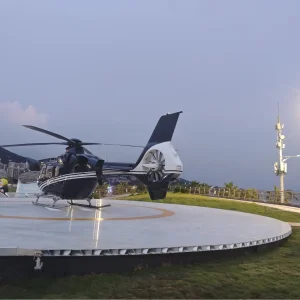
Offshore drillships, container vessels, and naval frigates operate in corrosive saline environments. Our perimeter nets utilize marine-grade 6082-T6 and 5052-T6 aluminum alloys. These alloys undergo specialized anodization processes to seal the structural surfaces, ensuring resistance against salt spray and galvanic corrosion. The dynamic frame geometry deflects wave-impact forces, protecting deck integrity.
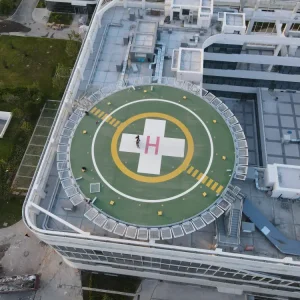
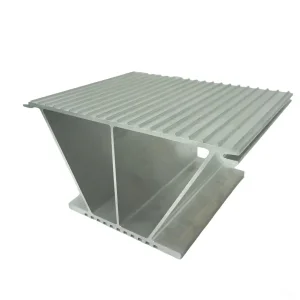
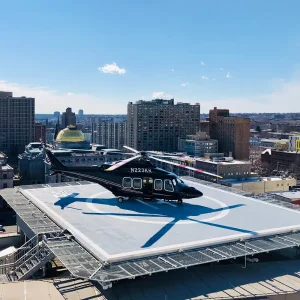
Urban high-rises face turbulent aerodynamic downdrafts, wind shears, and high static dead load restrictions. Using our 20,000T extrusion capabilities, we engineer thin-walled, multi-hollow aluminum deck supports and lightweight mesh structures. This reduces the total deadweight on buildings by up to 65% compared to steel, simplifying retrofitting work and maintaining optimal wind permeability.
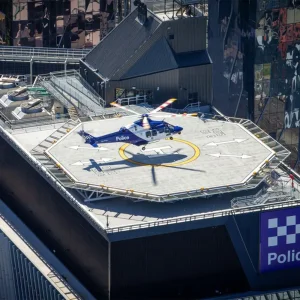
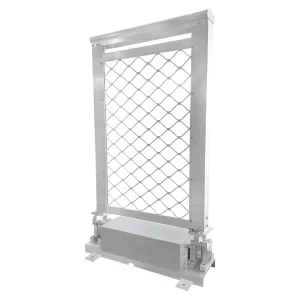
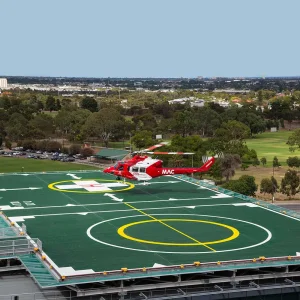
Hospitals and municipal police stations require high reliability and minimal down-time. Our CE-certified helideck safety nets (available in automated electric or rapid-response manual fold-down configurations) facilitate clear clearance areas during landings. Under normal conditions, they remain locked in their outboard safety position, requiring virtually zero maintenance and providing decades of safe operation.
Leveraging our Foshan manufacturing facility to guarantee mechanical precision, rapid scale, and dependable delivery timelines.
Located in Foshan, Guangdong—the absolute global capital of aluminum extrusion technology—Lvxing leverages a highly integrated industrial cluster. By using high-grade Fenglu aluminum as our raw material, we guarantee chemical composition integrity and mechanical consistency. Our extrusion press lines (spanning 800T to 20,000T) allow us to process diverse profiles with section dimensions up to 1.2 meters in width and up to 28 meters in length.
Every production stage at Lvxing is governed by the GB/T19001-2016/ISO9001:2015 Quality Management System. Our quality control team executes rigorous testing processes, including dimensional checks with coordinate measuring machines (CMM), mechanical tensile strength testing, and non-destructive weld testing. Furthermore, our specialized surface finishing facilities enable us to apply high-build anodization, fluorocarbon (PVDF) coatings, and tough powder coatings in-house, providing robust environmental protection.
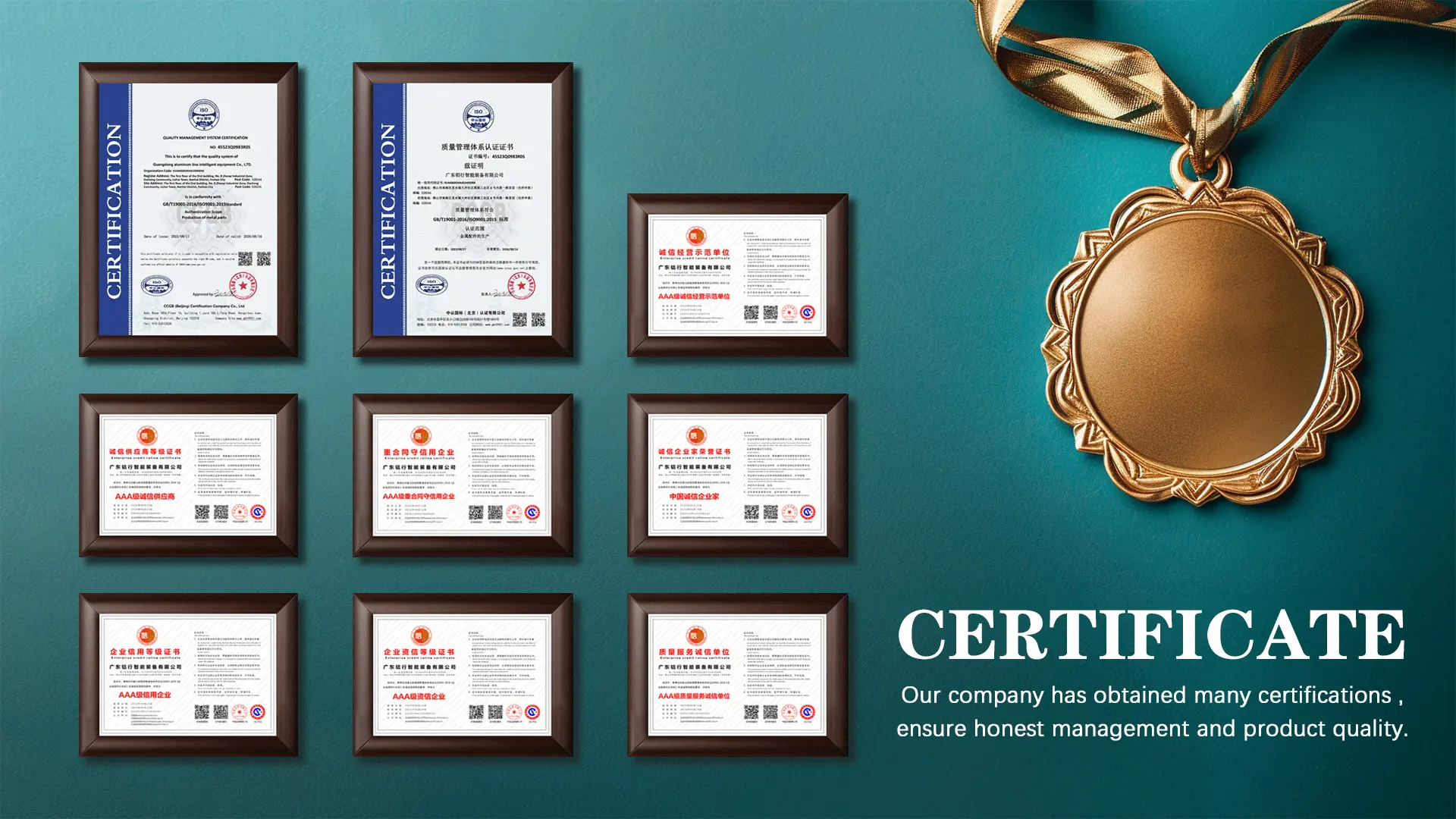
Assuring compliance with international aviation regulations including CAP 437, FAA standards, and local structural codes.
Helideck perimeter safety systems must comply with strict international regulatory frameworks. Lvxing’s customized safety nets are engineered, simulated, and tested to meet and exceed global mandates:
To facilitate international projects, Lvxing offers end-to-end localized support. From initial 3D CAD modeling and finite element method (FEM) stress analysis to pre-shipment assembly validation and custom export packaging, our engineers collaborate directly with your team. We provide complete installation manuals and remote engineering consultations to guarantee smooth on-site installation and successful local inspection handovers.
A step-by-step framework to streamline design engineering, custom manufacturing, and factory acceptance testing (FAT).
Procuring custom structural components from a foreign manufacturer requires clear communication, detailed material traceability, and robust quality control milestones. Below is Lvxing's standard design-to-delivery workflow, optimized for international engineering procurement, construction (EPC) companies, and shipyards:
Customers share project drawings (DWG/STEP formats), local wind-load criteria, and regulatory targets. Our engineering team conducts FEM simulations to select the optimal aluminum alloy (e.g., 6082-T6) and extrusion profiles, providing detailed design proposals.
Upon drawing approval, Lvxing initiates high-precision extrusion on our 20,000T, 10,000T, or smaller presses. Post-extrusion steps include heat-treatment tempering, precision CNC cutting, robotic welding of corners, and surface anodizing or PVDF coating.
We conduct factory acceptance testing (FAT), including dimensional checks, coating thickness verification, and mock assemblies of structural segments. Systems are packed in custom sea-freight wooden crates and shipped globally with complete material certificates.
Find clear answers to common questions about material specifications, compliance certifications, custom sizing, and global shipping.
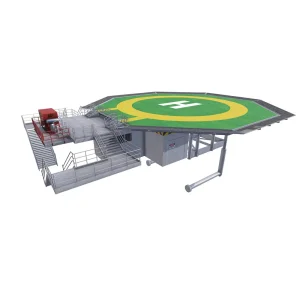
Explore our specialized heavy-duty extrusion profiles and modular decks engineered to form a robust safety perimeter.
 LvXing