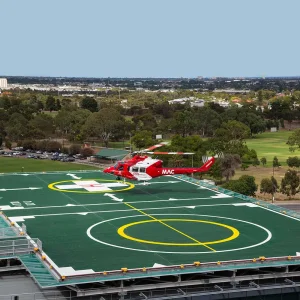
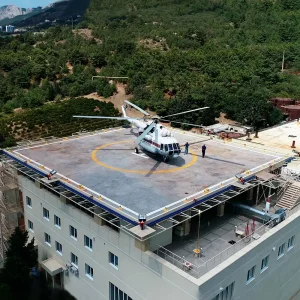
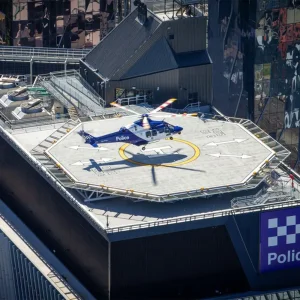
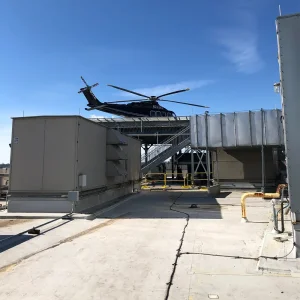
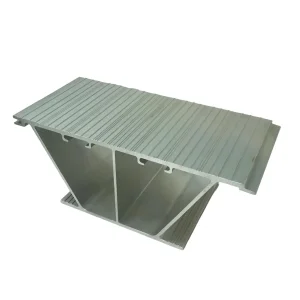
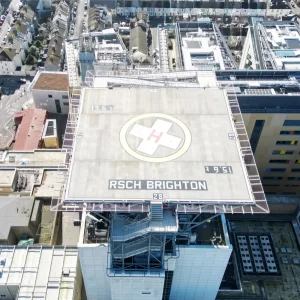
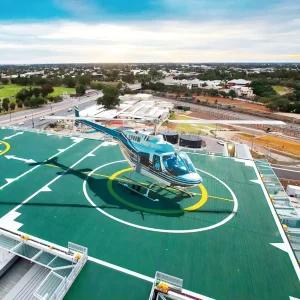
Engineered to CAP 437, FAA & ICAO safety standards. Select a structural profile or safety net assembly below for details & quotes.
Architectural Integrity, Compliance Mapping, and Structural Safety in Modern Aviation Infrastructures
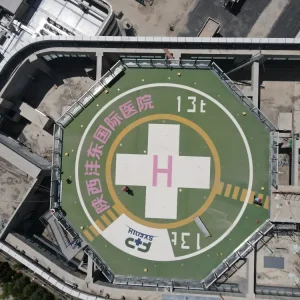
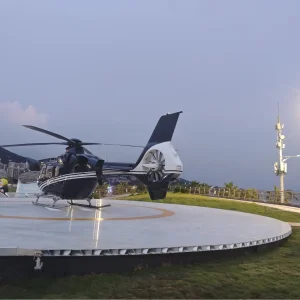
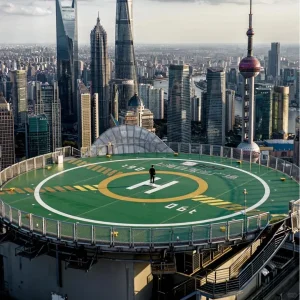
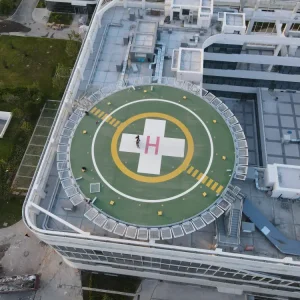
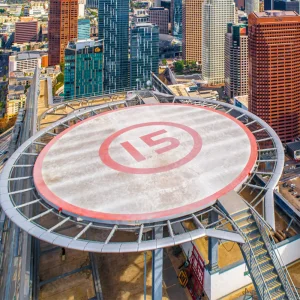
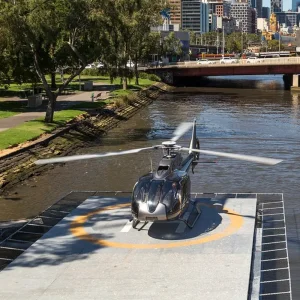
Elevated helipads (rooftops, offshore platforms, shipboards, and elevated structures) present a complex intersection of aviation dynamics, structural engineering, and structural life-safety protocols. In the modern commercial, military, and emergency medical landscape, procuring high-performance Elevated Helipad Safety Net Systems (also referred to as helideck perimeter safety mesh) is no longer a secondary procurement item—it is an critical asset evaluated under stringent global compliance regimes. As municipalities grow denser and maritime exploration expands into deeper, more hostile environments, the demand for custom-fabricated aluminum landing pads and stainless steel mesh barriers has surged exponentially.
Contractors, EPC (Engineering, Procurement, and Construction) companies, and municipal authorities demand safety nets that endure dynamic impact loads while resisting extreme weather conditions, marine corrosion, and aerodynamic turbulence caused by rotary blades.
Globally, procurement profiles differ significantly depending on the application context:
Maximum Extrusion Capacity
Maximum Section Profile Width
National Compliance Verified
Expert Engineering R&D
Modern elevated helideck safety systems are engineered to prevent personnel and loose equipment from falling off the edge of the landing platform while ensuring that the landing pad remains clear of obstructions. The technical execution involves a precise balancing act: the perimeter safety net must be firm enough to catch a falling person or object, but elastic enough to absorb the kinetic energy without causing severe bodily injury. This is termed the dynamic load absorption capacity.
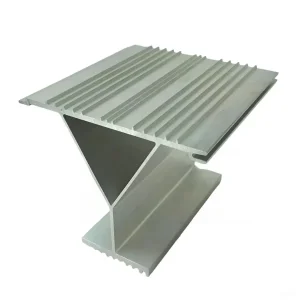
Typically, safety nets must be angled outwards and slightly upwards (typically 1.5 meters wide, inclined at an angle of approximately 10 degrees to the horizontal, in accordance with CAP 437 guidelines). When designing the perimeter, structural engineers must calculate the wind drag, mechanical load transfers, and boundary fatigue. Our aluminum alloy profiles and custom perimeter structural frames provide high rigidity, which effectively prevents local fatigue failure under heavy wind loads.
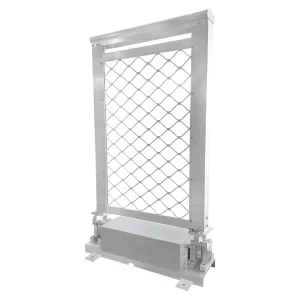
Standard solutions involve high-grade marine stainless steel (AISI 316) wire mesh tensioned over lightweight aluminum frames. This guarantees maximum resistance against corrosion while maintaining a high strength-to-weight ratio, preventing overload on the support structures.
| Parameter Type | Technical Value / Standard | Engineering Objective |
|---|---|---|
| Material Composition | Aviation-grade 6xxx series Aluminum Alloy / AISI 316 Stainless Steel Mesh | High corrosion resistance, light weight, and structural reliability |
| Dynamic Load Rating | Capable of absorbing a drop load of 100+ kg from a height of 1.0m without structural deformation | Prevention of injury to falling personnel, compliance with CAP 437 |
| Frame Width / Profile Size | Customized profile sizes, section widths up to 1.2 meters | Optimized load distribution and custom fit to deck edges |
| Coating & Durability | Fluorocarbon Coating / Anodization | Resistant to high salinity, acid rain, and intense UV degradation |
Leading the Industry in Custom Aluminum Extrusions & Helipad Structural Solutions
Established in 2015 and located in Foshan City, Guangdong, LvXing Intelligent Equipment Co., Ltd. boasts a skilled R&D team with extensive experience. We leverage exceptional technical expertise to effectively transform customers' ideas into reality, consistently meeting their precise requirements.
We utilize premium Fenglu aluminum, offering a diverse range of profiles for flexible applications. Our extrusion lines, ranging from 800T to 20,000T, accommodate alloys 1xxx, 2xxx, 3xxx, 5xxx, 6xxx, and 7xxx, allowing us to produce shaped products with section dimensions up to 1.2 meters in width and 28 meters in length. These products are recognized for their precision and meticulous processing, finding broad application in aerospace, military, medical, and industrial sectors.
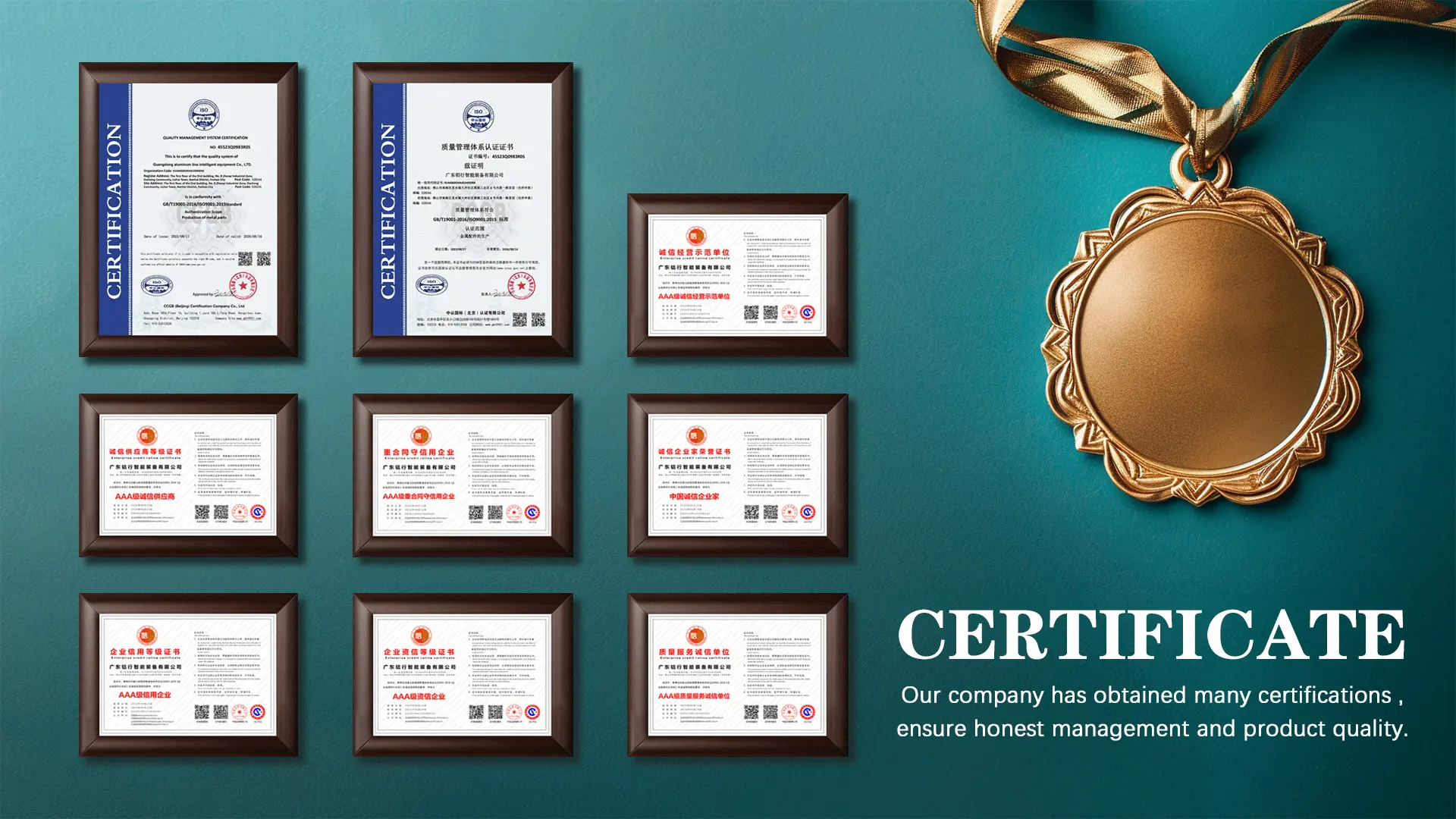
Our commitment to excellence is evident throughout the manufacturing process, rigorous quality control, thorough packaging, and efficient shipping procedures. This dedication has earned us recognition as a national excellent and honest enterprise, along with quality system certification in accordance with GB/T19001-2016/ISO9001:2015 standards. We aspire to be your trusted business partner and warmly invite you to visit our factory.
Advanced Materials Science, 15+ Years Engineering Expertise, and State-of-the-Art Processing Capacity
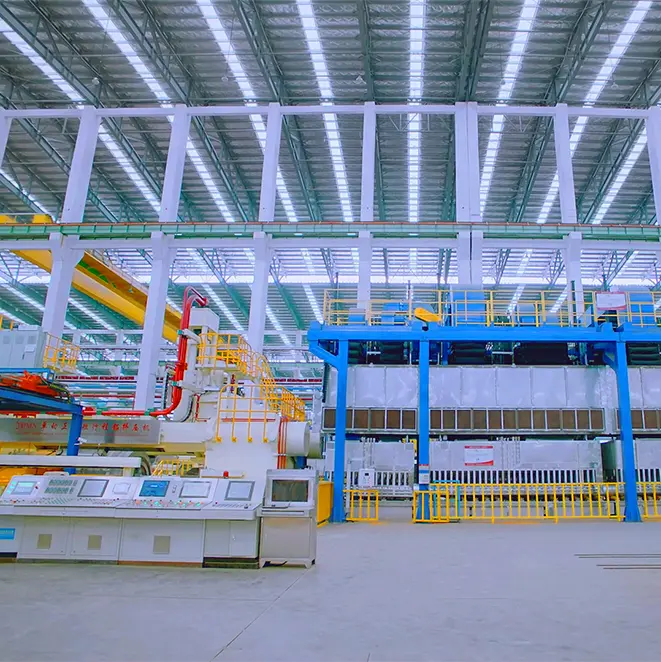

We have obtained the “Special Aluminium Materials for Aerospace” Certificate, qualifying our materials for critical, high-load structural installations.
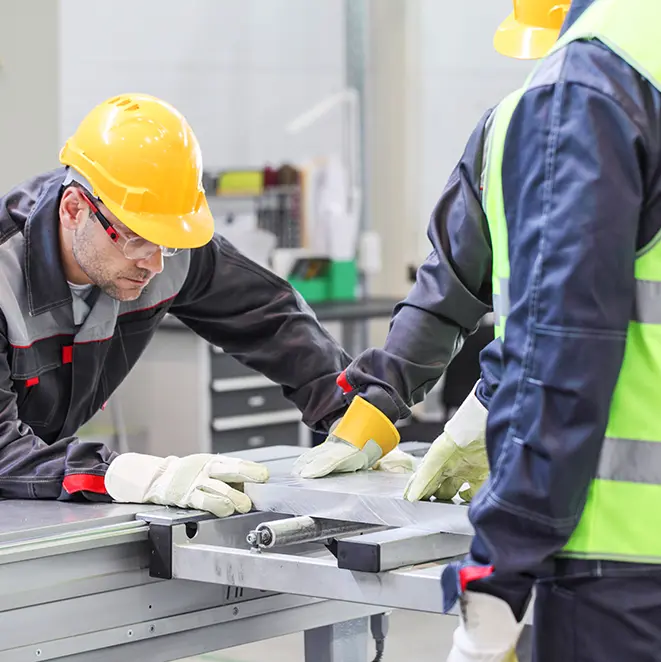

We provide and utilize high-quality Fenglu aluminum profiles. With extrusion lines ranging from 800T to 20,000T, we can produce alloys 1xxx, 2xxx, 3xxx, 5xxx, 6xxx, and 7xxx. We can manufacture fully shaped products with section dimensions up to 1.2 meters in width or 28 meters in length.
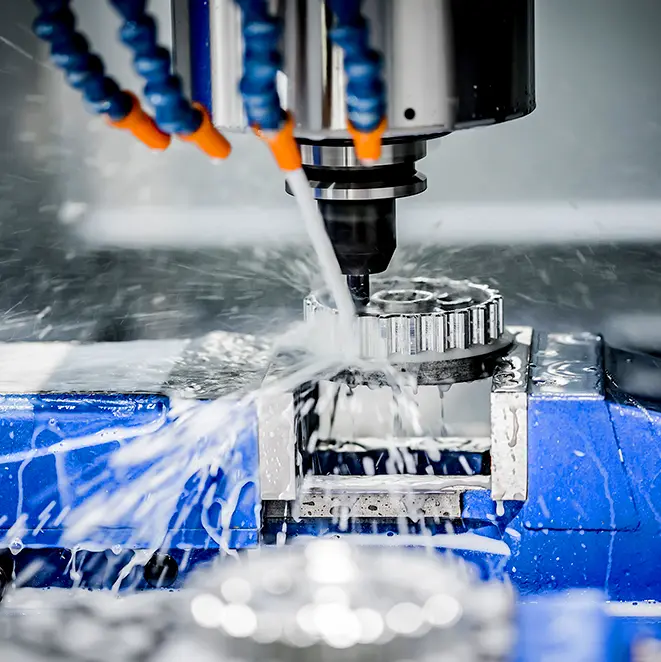

We have a team of technicians with 15 years of invaluable experience. Our deep understanding of customer requirements allows us to identify potential issues and offer practical insights, turning customer ideas into tangible products that meet specific needs.
As smart cities evolve and heliports become key nodes in Urban Air Mobility (UAM) and eVTOL (electric vertical take-off and landing) transportation networks, the requirements for perimeter safety networks are undergoing a significant shift. The technical roadmap for modern manufacturers is focused on the following transitions:
Moving from pure stainless steel assemblies to lightweight, aerospace-grade aluminum hybrid frames. These hybrids dramatically reduce dead-load and resist galvanic corrosion on rooftops and offshore environments.
Integrating motorized (electric) folding mechanism layouts (as featured in our CE-certified line) allows safety nets to automatically transition positions during maintenance or non-operational states, protecting them from excessive wear.
Future iterations include embedding load sensors in the perimeter mesh to monitor structural integrity and deliver real-time wear-and-tear alerts directly to airfield maintenance centers.
Furthermore, environmental sustainability has emerged as a key metric. By using premium aluminum alloys from certified refiners like Fenglu, Lvxing ensures that over 90% of our helideck components are fully recyclable at the end of their operational lifecycle. This aligns with LEED certifications and modern green-building codes in major metropolitan areas across Europe, Asia, and North America.
Helipad safety is strictly governed by global and regional aviation organizations. Navigating the regulatory landscape can be a major challenge for structural engineers. A failure to comply can lead to costly delays, project rejections, or liabilities. Lvxing’s engineering division guarantees that all customized helipads and perimeter netting systems align with the following regulatory frameworks:
Lvxing provides specialized localized design consulting. We do not just ship materials; our engineers work closely with local installers to verify structural mounting techniques, compute dynamic wind drag forces for regional typhoon/hurricane profiles, and deliver comprehensive engineering drawings for approval by municipal authorities or international classification societies like DNV or ABS.
Critical Engineering and Procurement Questions Answered by Lvxing Technical Specialists
Premium Aerospace-Grade Aluminum Profiles, Safety Nets, and Engineering Accessories
 LvXing