Next-Generation Helicopter Landing Deck Safety Systems: Compliance, Custom Extrusions, and Global Procurement Engineering
Explore our CE-certified all-aluminum structural landing solutions and customizable helicopter safety nets.
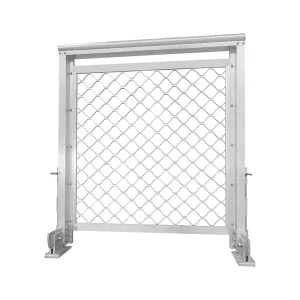
In modern infrastructure, marine engineering, and aviation design, the structural and regulatory integrity of helicopter landing pads cannot be overstated. Among the most crucial safety components is the helipad perimeter guard net. Tasked with preventing personnel, equipment, and loose objects from falling over the deck edges under high wind loads, saline marine atmospheres, and dynamic impact forces, these nets represent a critical line of life safety.
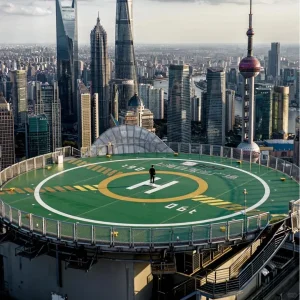
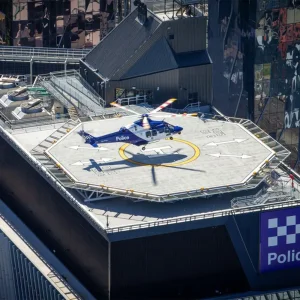
From offshore oil rigs subjected to violent storms in the North Sea to metropolitan hospital rooftops facilitating emergency medical services (HEMS) in high-density urban environments, helipad guard nets must satisfy stringent civil aviation requirements. Leading regulatory frameworks, such as the UK Civil Aviation Authority's CAP 437 (Standards for Offshore Helicopter Landing Areas) and the US Federal Aviation Administration's FAA Advisory Circular 150/5390-2C, dictate specific mechanical, structural, and chemical properties for perimeter safety net systems.
The global market for high-strength, lightweight helideck structures is undergoing a significant transition. Historically, heavy steel grid networks and stainless steel wire meshes dominated perimeter safety configurations. Today, the aerospace and maritime sectors are migrating rapidly toward high-performance aluminum alloys.
Several core macroeconomic factors drive this industrial evolution:
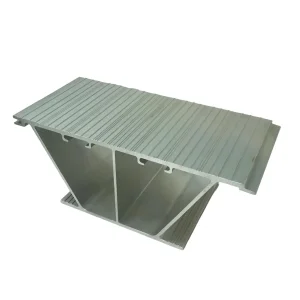
At the heart of high-performance helideck architecture is advanced aluminum metallurgy. By partnering with leading suppliers and utilizing premium Fenglu aluminum profiles, manufacturers ensure that every safety net frame exhibits superior mechanical behavior under stress.
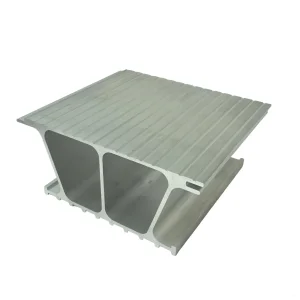
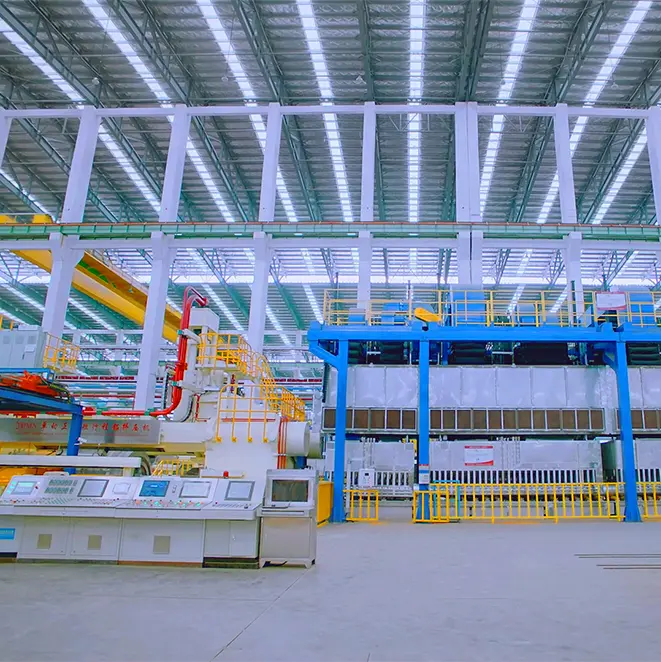
Aluminum extrusion capability dictates the structural envelope of the finished safety deck. With advanced extrusion presses ranging from 800T to 20,000T, it is possible to process specialized alloys across multiple families:
Widely utilized for main load-bearing frames. These silicon-magnesium structural alloys offer outstanding weldability, easy extrusion, and high yield strength, maintaining structural reliability in marine atmospheric zones.
Featuring magnesium as the primary alloying element, these materials offer extreme resistance to alkaline and acidic salt spray. Ideal for deployment on offshore floating production storage and offloading (FPSO) vessels.
Alloyed with zinc, this class delivers peak tensile strength. When customized, these extrusions are deployed in specialized structural joints that absorb sudden dynamic drop shocks or localized helicopter landing impacts.
Our facility's capability to manufacture fully-formed profiles up to 1.2 meters in width and 28 meters in length allows for continuous, joint-free structural spans. In safety engineering, reducing the number of structural welds and fasteners directly minimizes potential galvanic corrosion nodes and fatigue cracking points. The resulting safety net frames are lightweight, exceptionally rigid, and fast to assemble onsite.
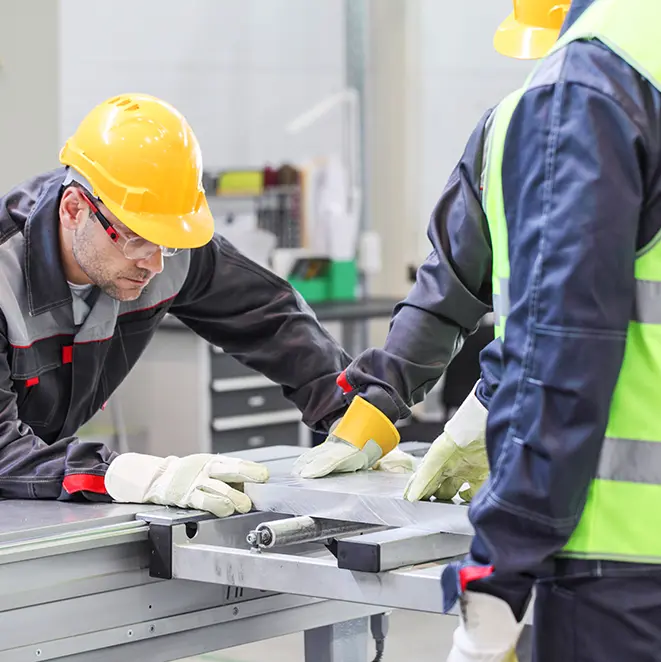
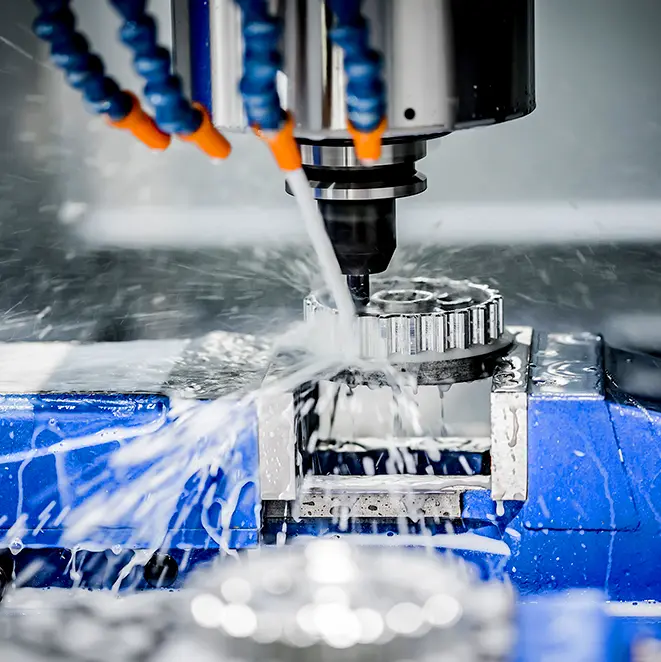
Established in 2015 and located in Foshan City, Guangdong, LvXing Intelligent Equipment Co., Ltd. boasts a skilled R&D team with extensive experience. We leverage exceptional technical expertise to effectively transform customers' ideas into reality, consistently meeting their precise requirements.
We utilize premium Fenglu aluminum, offering a diverse range of profiles for flexible applications. Our extrusion lines, ranging from 800T to 20,000T, accommodate alloys 1xxx, 2xxx, 3xxx, 5xxx, 6xxx, and 7xxx, allowing us to produce shaped products with section dimensions up to 1.2 meters in width and 28 meters in length. These products are recognized for their precision and meticulous processing, finding broad application in aerospace, military, medical, and industrial sectors.
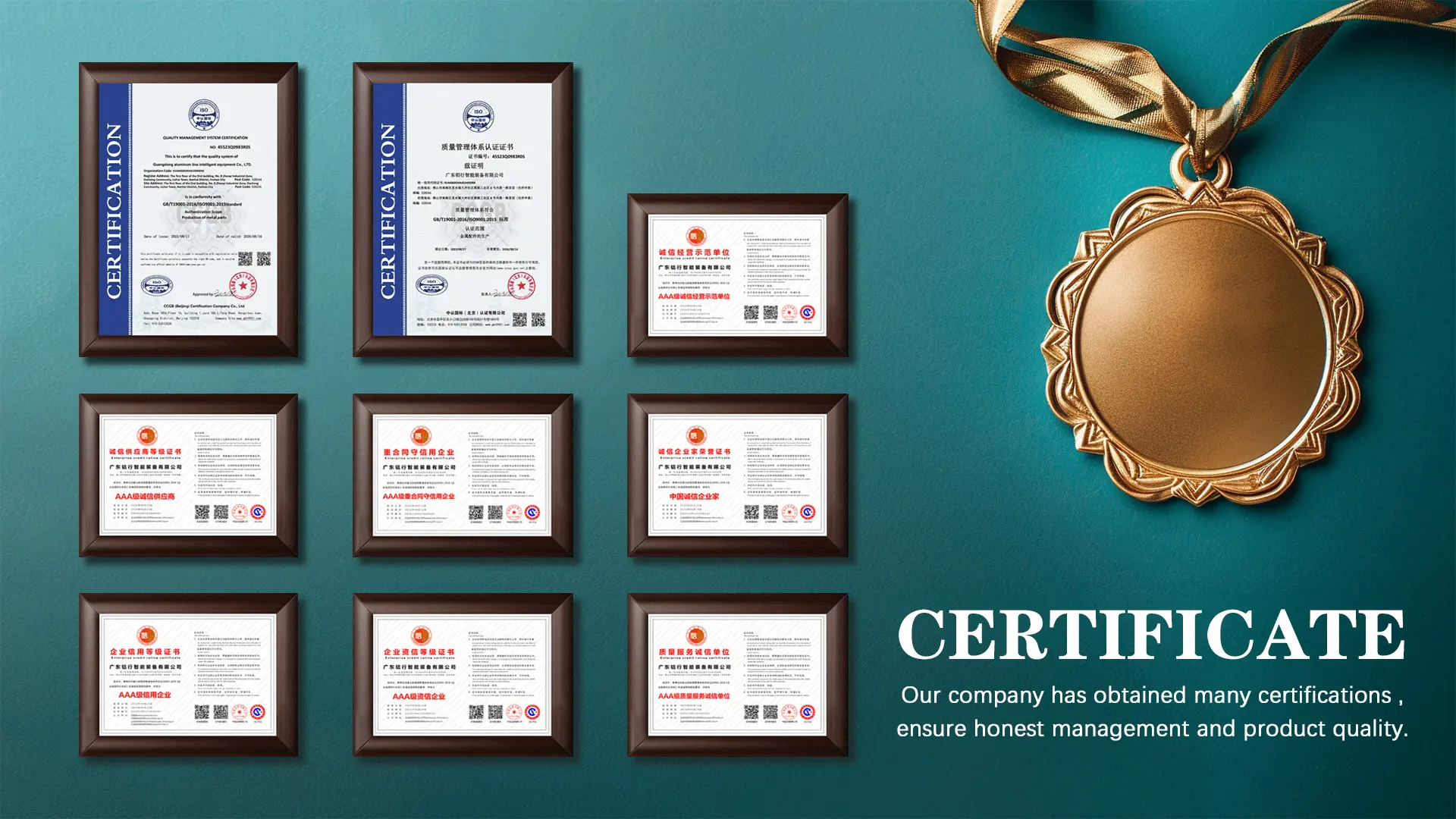
Our commitment to excellence is evident throughout the manufacturing process, rigorous quality control, thorough packaging, and efficient shipping procedures. This dedication has earned us recognition as a national excellent and honest enterprise. We aspire to be your trusted business partner and warmly invite you to visit our factory.



Helipad guard nets do not exist in a vacuum; their design must respond directly to localized climate hazards and functional scenarios. Working closely with structural engineers, we tailor our solutions for three primary microclimatic environments:
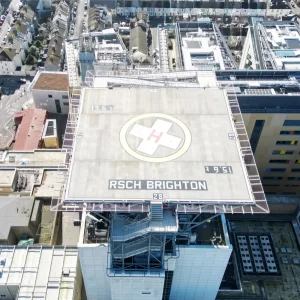
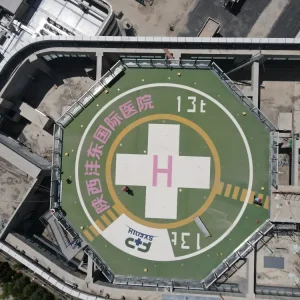
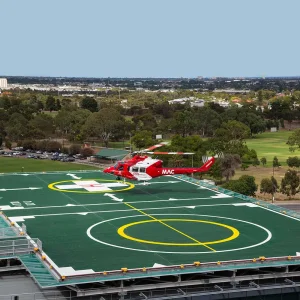
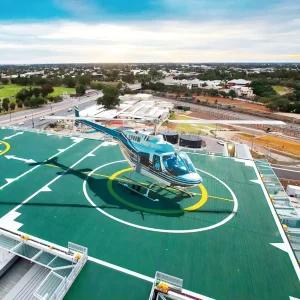
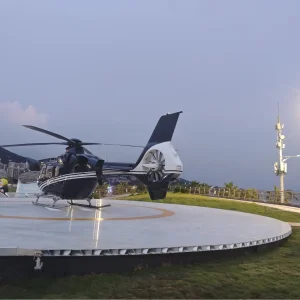
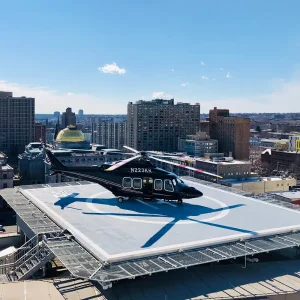
Rooftop HEMS operations impose strict acoustic and safety margins. The safety net assembly must have zero wind-vibration profile to avoid generating disruptive high-frequency humming, which could interfere with hospital clinical environments below. The use of lightweight aluminum alloys guarantees that the building's roof loads are not unnecessarily elevated.
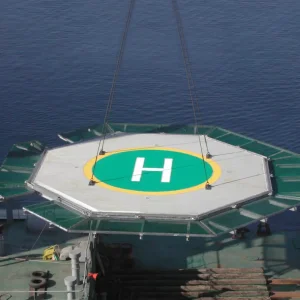
On marine vessels (yachts, container ships, military carriers), the helideck is constantly exposed to green water washes and high salinity. Manual or electric folding safety nets must be designed to withstand severe sea-washing forces. The folding mechanism hinges must utilize self-lubricating, non-galling stainless steel or ceramic bushings to prevent freeze-up in freezing seas.
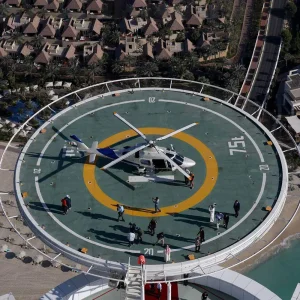
In locations like the Middle East or equatorial Africa, UV radiation quickly embrittles low-grade synthetic safety netting. The aluminum mesh and structural framing must be treated with thick, UV-stabilized polyurethane coatings or marine-grade anodizing (exceeding 25 microns) to endure extreme temperatures and abrasive sandstorm winds.
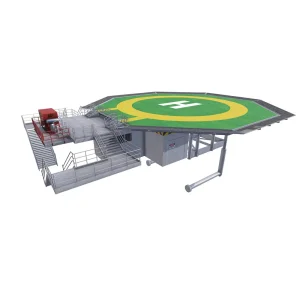
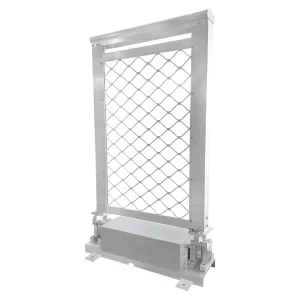
As drones, urban air mobility (UAM) aircraft, and eVTOLs reshape the future of aviation, helipad safety systems are becoming smarter. While traditional fixed safety nets remain standard for many installations, modern smart facilities are transitioning toward operable perimeter safety nets.
Our R&D roadmap focuses on two high-demand functional pathways:
Procuring custom helideck safety systems requires a clear understanding of cost-driving factors. The price is not merely a reflection of raw aluminum tonnage. It is determined by specialized engineering parameters:
To get a precise project estimate and pricelist, engineers should provide the deck perimeter geometry, local design wind velocity, elevation, and mounting configuration (e.g., cantilevered steel or bolting directly to concrete deck curbs).
Key technical answers for specifying engineers, project managers, and marine buyers.
Select and configure high-performance aluminum products for maritime, medical, and skyscraper operations.
 LvXing