Explore our high-performance structural systems, aluminum profiles, and perimeter safety net assemblies manufactured to comply with strict international regulatory standards.
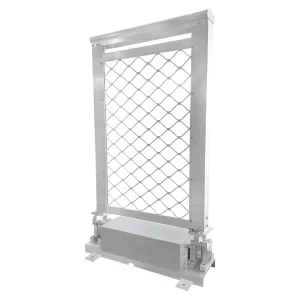
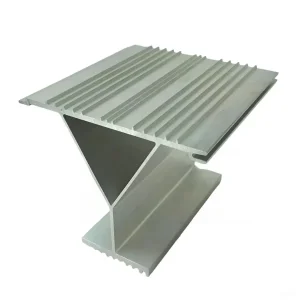
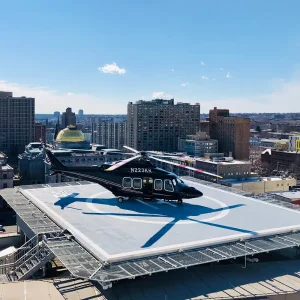
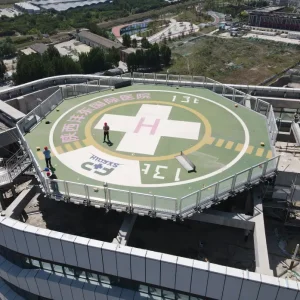
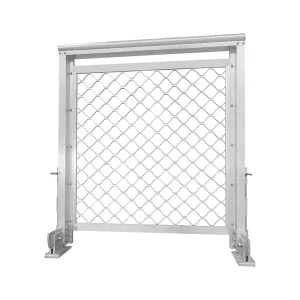
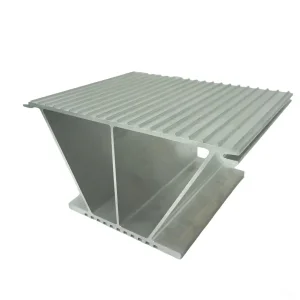
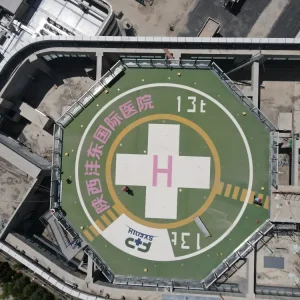
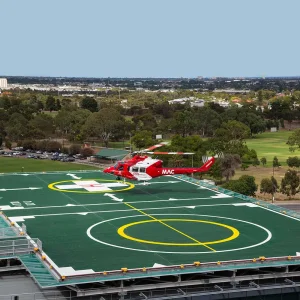
Within high-risk infrastructure environments, helipad perimeter guard nets serve as critical active safety barriers designed to prevent ground personnel, equipment, and flight crew from falling off elevated landing decks. Today, as urban air mobility (UAM), offshore wind energy operations, deep-sea oil exploration, and skyscraper emergency rescue networks experience unprecedented growth, the demand for high-reliability helideck perimeter safety structures has surged globally.
International regulatory authorities—including the British Civil Aviation Authority (CAA CAP 437), the Federal Aviation Administration (FAA AC 150/5390-2C), and the International Civil Aviation Organization (ICAO Annex 14)—mandate that helipads located on offshore platforms, marine vessels, and rooftop buildings must install robust, corrosion-resistant safety netting systems. These systems must undergo stringent physical testing, including drop test protocols of up to 125 kg (from a heights of 1 meter) without suffering structural degradation or failing to restrain the impact weight.
To withstand extreme wind shear, salt spray corrosion, thermal expansion, and mechanical impact, modern engineering has shifted away from traditional carbon steel fences to high-strength, flexible stainless steel wire rope mesh integrated into structural-grade aluminum profiles. This creates lightweight, highly shock-absorbent systems that guarantee decades of service life in the most punishing outdoor and offshore marine environments.
Our safety net structures comply with:
• CAA CAP 437 Standard
• FAA AC 150/5390-2C
• ICAO Annex 14 Regulations
• CE Certification & ISO9001:2015
Lvxing utilizes elite Fenglu aluminum. We process advanced alloys 6xxx and 7xxx with extreme load-bearing profiles optimized for structural stability under cyclic vibration.
Max Extrusion Press Force
Maximum Profile Cross Section
Max Single Extrusion Length
Technician Engineering Expertise
Lvxing Intelligent Equipment Co., Ltd. bridges advanced metallurgical research with lean high-precision production.
Leveraging massive press forces ranging from 800T to 20,000T, we manufacture fully shaped products with cross-sectional widths up to 1.2 meters and unified structural lengths up to 28 meters, drastically minimizing splice points and localized failure zones.
By exclusively utilizing premium Fenglu aluminum and certified aerospace-grade alloys (alloys 1xxx, 2xxx, 3xxx, 5xxx, 6xxx, and 7xxx), we secure maximum raw material purity, giving our finished profiles superior mechanical yield strength and elasticity.
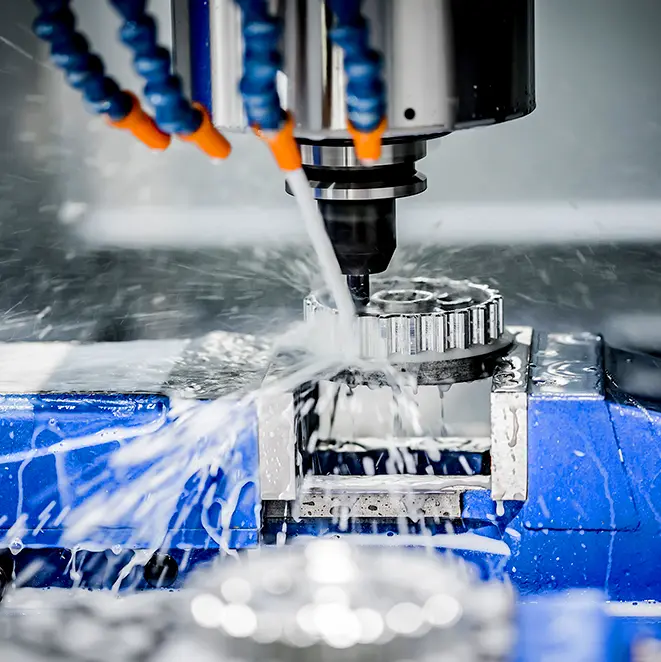
Our integrated factory ecosystem in Foshan, Guangdong processes engineering design, precision CNC machining, custom anodization or fluorocarbon spraying, and load testing under a unified management system certified to ISO9001:2015 standards.
A direct comparison of engineering materials used in modern helideck perimeter safety structures.
| Feature / Metric | Marine Stainless Steel Mesh (SS316) | Aerospace-Grade Aluminum Profiles (6082-T6) | Integrated System (Mesh + Frame) |
|---|---|---|---|
| Primary Function | Dynamic impact catchment & tension suspension | Rigid structural framing, support arms & deck links | Complete CAP 437 Compliant safety perimeter barrier |
| Tensile Yield Strength | 515 - 827 MPa | 290 - 310 MPa | System-level absorption of 125 kg drop testing |
| Corrosion Resistance | Outstanding in high-salinity marine environments | Anodized film thickness ≥15μm, anti-corrosive | Maintenance-free for 15+ years in harsh marine offshore |
| Unit Weight Efficiency | Medium weight-to-tension ratio | Ultra-lightweight (Approx. 1/3 weight of steel) | Reduces dead load on cantilevered deck structures |
| Design Flexibility | Highly flexible diamond shape or rectangular mesh | Complex extruded cross-sections for integrated wiring | Available in Manual / Foldable and Electric-Retractable versions |
Explore where our safety net and extrusion frame systems perform critical protection roles around the globe.
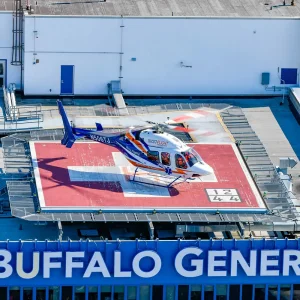
Designed to be absolutely rigid and non-yielding to wind gusts generated by continuous twin-engine air ambulance traffic. The aluminum structure allows integrated cable routing for LED lighting and heating elements to prevent freezing.
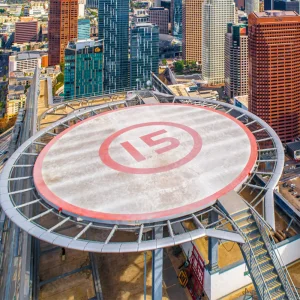
Supertall skyscrapers require safety systems that do not generate aerodynamic turbulence or visual clutter. The low profile of Lvxing aluminum frames ensures smooth laminar airflow, preventing dangerous downdrafts during helicopter landing procedures.
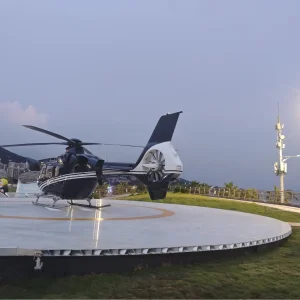
Offshore oil operations subject equipment to aggressive mechanical friction and continuous saltwater mist. Lvxing's marine-grade, high-strength aluminum frames and stainless steel 316 mesh arrays provide reliable protection against rust and stress-corrosion cracking.
Direct translation of technical and industrial qualifications that distinguish Lvxing on the global market.
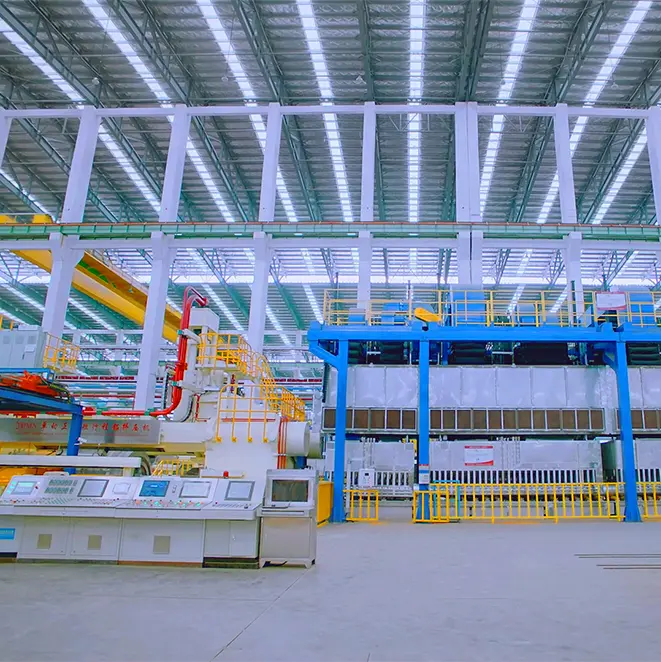
We have obtained the official “Special Aluminium Materials for Aerospace” Certificate, qualifying our raw material processing for high-stress aerospace safety applications.

We leverage top-tier Fenglu aluminum profiles. Utilizing extrusion press lines spanning 800T to 20,000T, we accommodate alloys in the 1xxx, 2xxx, 3xxx, 5xxx, 6xxx, and 7xxx series. We produce profiles with section widths up to 1.2 meters and lengths up to 28 meters.

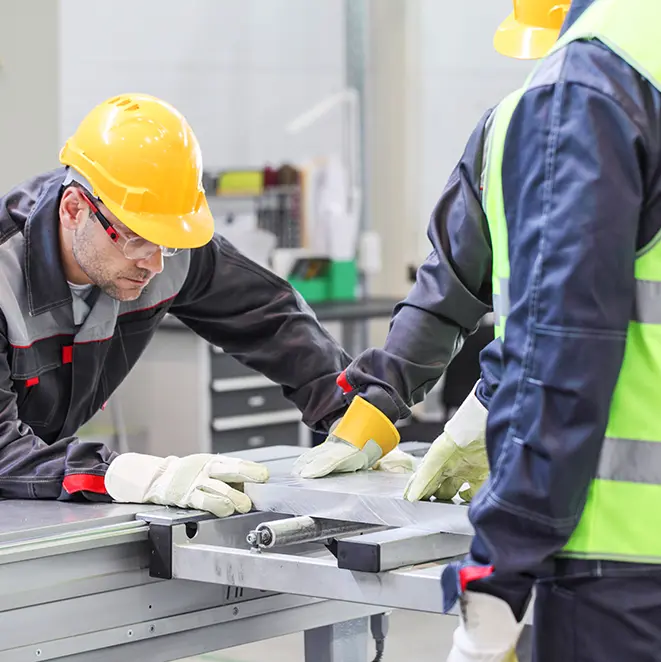
Our operation is powered by a R&D technical team boasting 15 years of deep industry experience. We translate complex engineering designs and localized load constraints into safe, high-performance physical structures customized for each client.

Established in 2015 and strategically based in Foshan City, Guangdong Province—the epicenter of high-tech metal manufacturing in China—Lvxing Intelligent Equipment Co., Ltd. has established itself as an innovative force in structural aluminum systems. Guided by our core commitment, “Lvxing, Specializes in Aluminum Solutions,” we focus on developing heavy-duty structural frames, aircraft landing configurations, and safety containment nets.
Our dedicated engineering and design team works closely with safety managers, structural engineers, and commercial general contractors worldwide. This direct collaboration ensures that every project transitions smoothly from initial digital layout to final load-bearing structure.
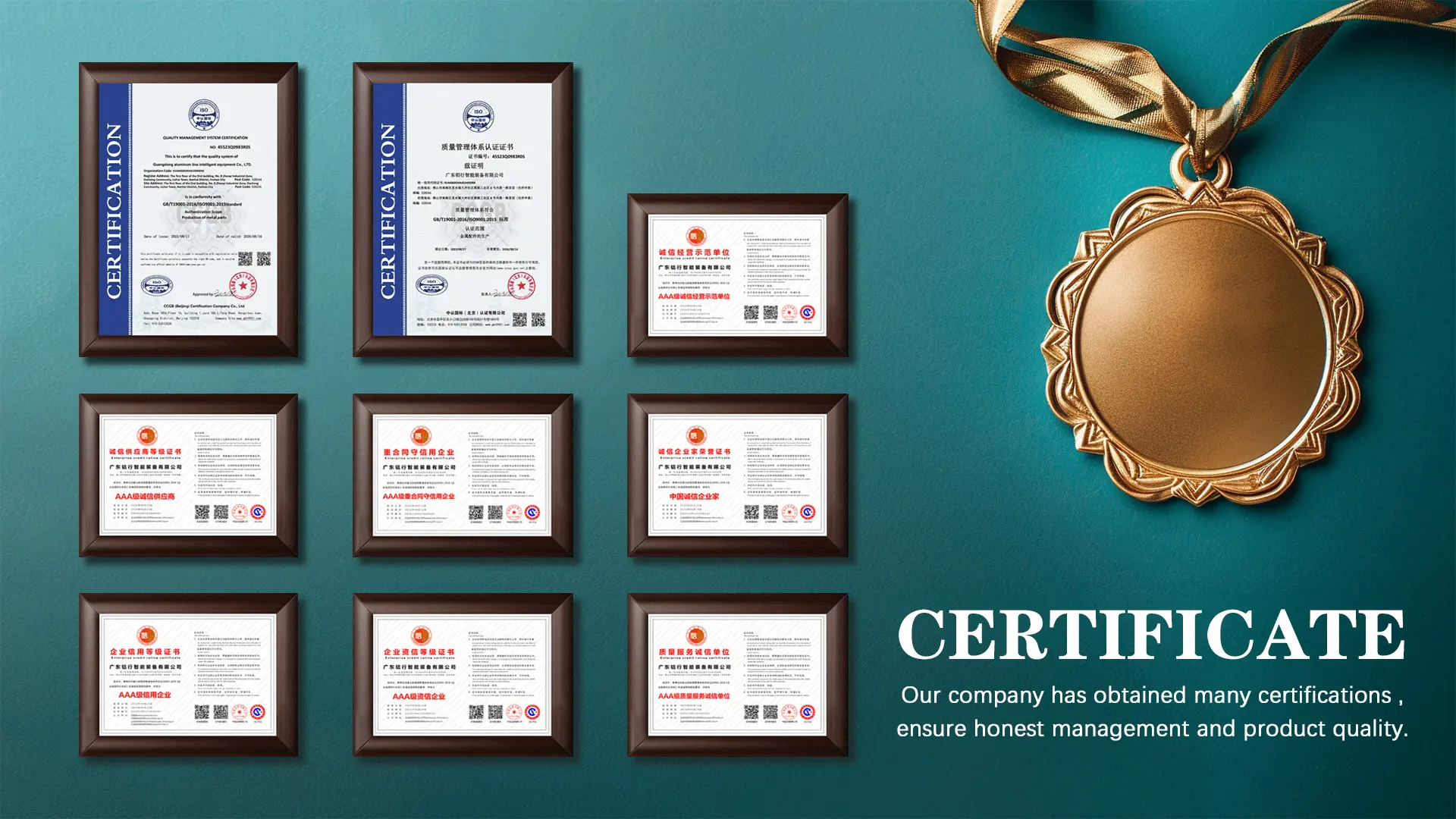
By using premium Fenglu aluminum and executing strict quality control at every phase of production, Lvxing has earned certifications under the national GB/T19001-2016/ISO9001:2015 quality system standards. We manage our processes—from raw billet inspection and high-tonnage extrusion to CNC finishing, surface treatment, and shipping packaging—with absolute precision. We invite buyers, engineers, and site managers to visit our manufacturing facilities in Guangdong, China, to inspect our operations firsthand.
Essential criteria for project managers and procurement officers preparing Requests for Quotations (RFQs) for helideck safety installations.
Different application sites require specific engineering calculations. Specify whether your project requires CAA CAP 437 compliance for offshore wind, oil & gas rigs, or FAA AC 150/5390-2C guidelines for commercial or medical hospital rooftops. Inform the factory of local environmental conditions, including wind load calculations, proximity to saltwater, and average snowfall.
Choose between fixed perimeter netting and folding or retractable systems. Foldable/manual helideck nets are cost-effective for static deck perimeters, whereas electric-motorized retractable nets are ideal for spaces that must clear obstacles during non-aviation activities. State whether integrated lighting systems or heating elements for ice mitigation are required.
For frames, 6000-series structural alloys (e.g., 6082-T6 or 6061-T6) offer excellent tensile strength and corrosion resistance. For the catchment mesh, high-grade stainless steel 316 wire rope is recommended. Lvxing helps you select the optimal alloy composition to minimize structural weight while maximizing safety margins.
Get answers to common engineering, material, and logistics questions directly from our technical team.
Explore more profiles, emergency rescue platforms, and custom aluminum components manufactured to high quality standards.
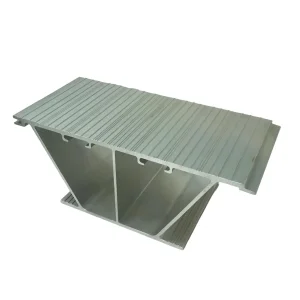
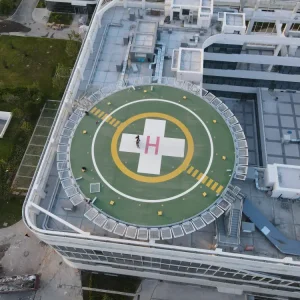
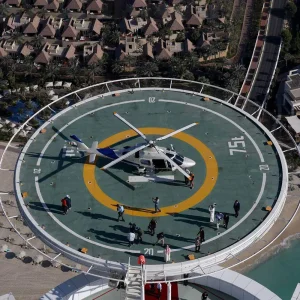
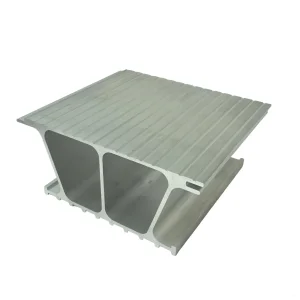
Lvxing matches custom design requests with precision manufacturing workflows.
We analyze site drawings, wind loads, regional seismic requirements, and specific aircraft models (e.g., Sikorsky S-92, AW139) to determine overall layout dimensions and safety net deflection values.
Our engineering team designs structural profiles and custom extrusion dies. Using our high-capacity extrusion lines, we produce the structural shapes needed for the project.
We assemble sections for quality inspection, perform load-testing, pack the components securely to prevent transit damage, and export them directly to your destination.
 LvXing