Engineered to exceed international aviation requirements & extreme maritime standards
Analyzing safety, structural load distribution, and material science in helicopter landing zones
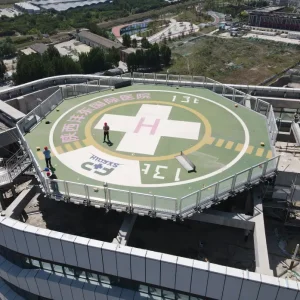
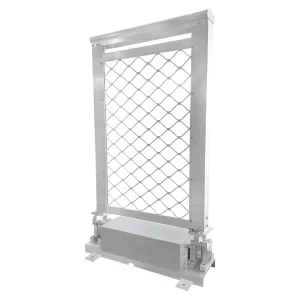
In modern aviation, particularly marine helidecks and urban elevated helipads, landing safety is paramount. Aircraft landing netting, often specified alongside structural aluminum helideck perimeter safety systems, serves a dual, critical safety function. First, they arrest the kinetic energy of helicopter landing gear in unfavorable weather conditions, preventing pitch-and-roll slippage. Second, they act as fallback safety nets to catch flight crews, maintenance personnel, and luggage from high-altitude platforms.
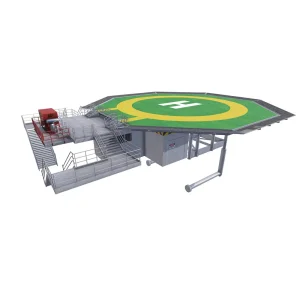
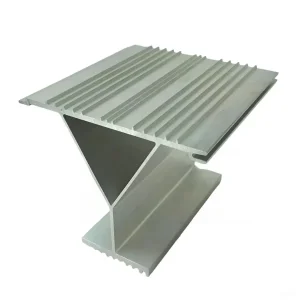
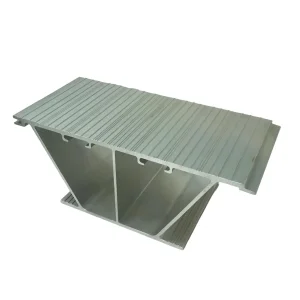
Engineers face severe challenges when planning landing structures. High sea state movements, corrosive salt-water mist, high UV radiation, and intense temperature fluctuations demand structural integrity. Traditional rope or synthetic nylon nets deteriorate rapidly in these offshore parameters. Today, the commercial paradigm has shifted to advanced, high-tension structural aluminum alloy nets. These materials integrate seamlessly with all-aluminum helicopter landing pads, providing a corrosion-proof, lightweight, and high-impact structural mesh that guarantees safety over a long lifetime.
LVXING: SPECIALIZES IN ALUMINUM SOLUTIONS FOR GLOBAL AVIATION & DEFENSE
Established in 2015 and located in Foshan City, Guangdong, LvXing Intelligent Equipment Co., Ltd. boasts a skilled R&D team with extensive experience. We leverage exceptional technical expertise to effectively transform customers' ideas into reality, consistently meeting their precise requirements.
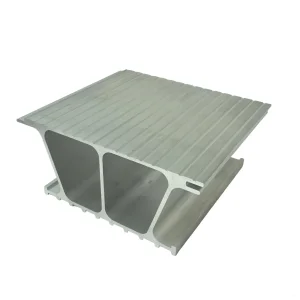
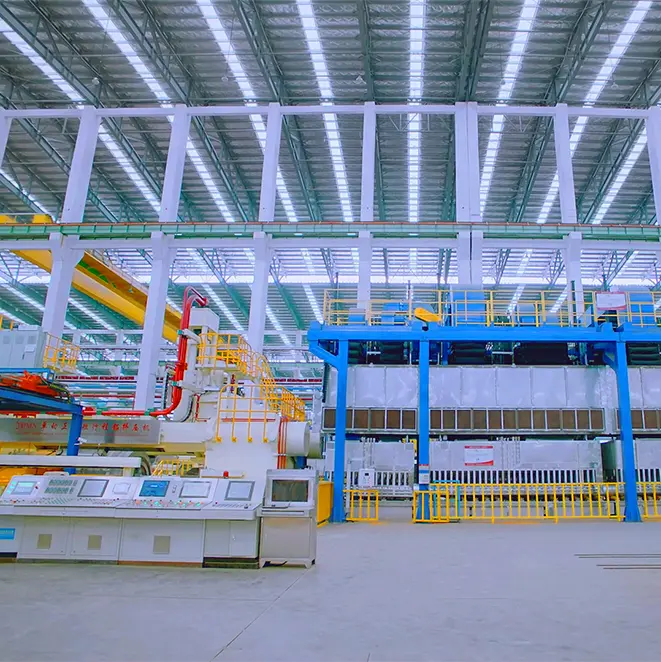
We utilize premium Fenglu aluminum, offering a diverse range of profiles for flexible applications. Our extrusion lines, ranging from 800T to 20,000T, accommodate alloys 1xxx, 2xxx, 3xxx, 5xxx, 6xxx, and 7xxx, allowing us to produce shaped products with section dimensions up to 1.2 meters in width and 28 meters in length. These products are recognized for their precision and meticulous processing, finding broad application in aerospace, military, medical, and industrial sectors.
Our commitment to excellence is evident throughout the manufacturing process, rigorous quality control, thorough packaging, and efficient shipping procedures. This dedication has earned us recognition as a national excellent and honest enterprise, along with quality system certification in accordance with GB/T19001-2016/ISO9001:2015 standards.
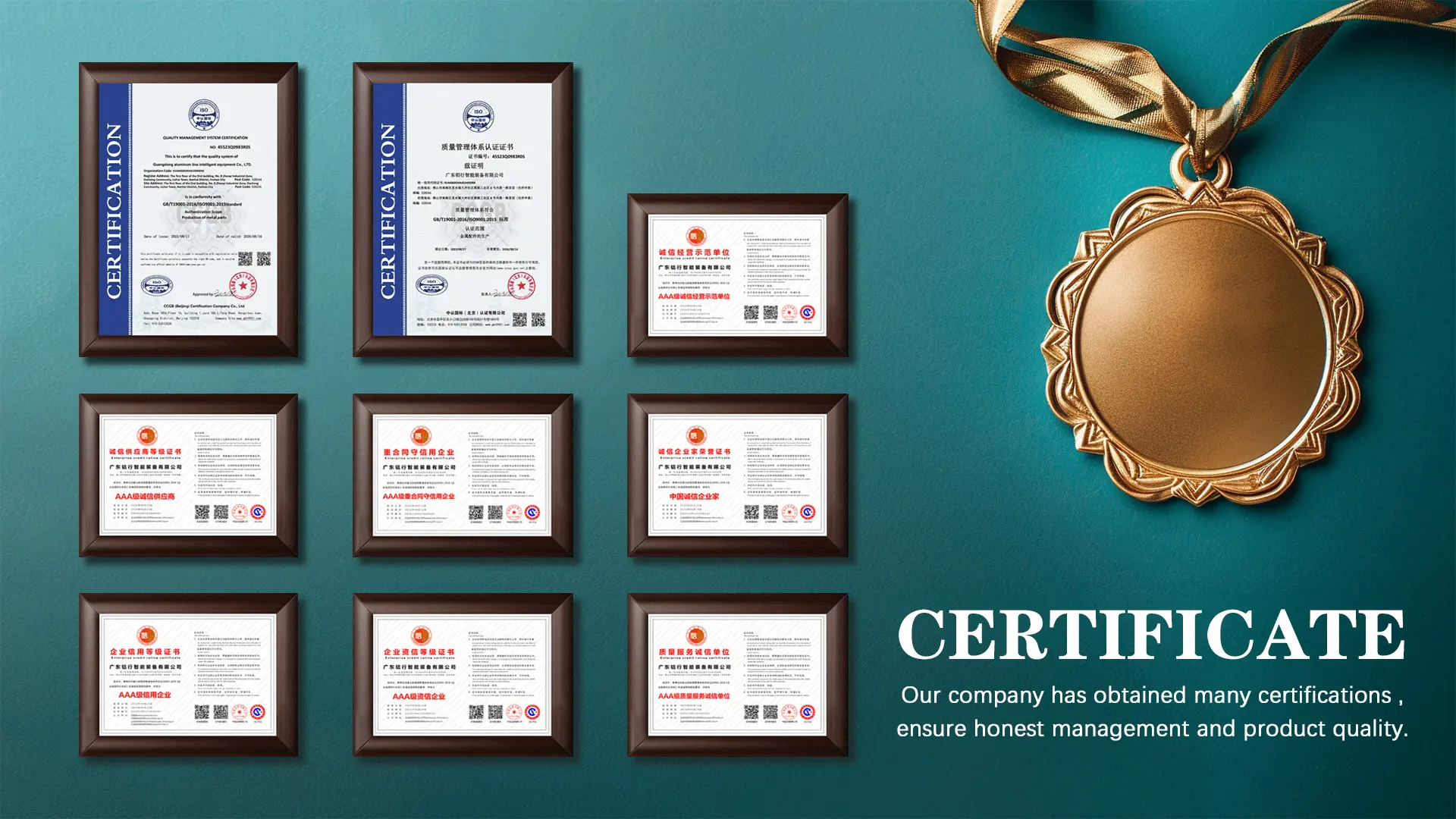

We have obtained the “Special Aluminium Materials for Aerospace” Certificate.

We provide and utilize high-quality Fenglu aluminum profiles. Extrusion lines from 800T to 20,000T support 1xxx-7xxx alloys up to 1.2m width or 28m length.

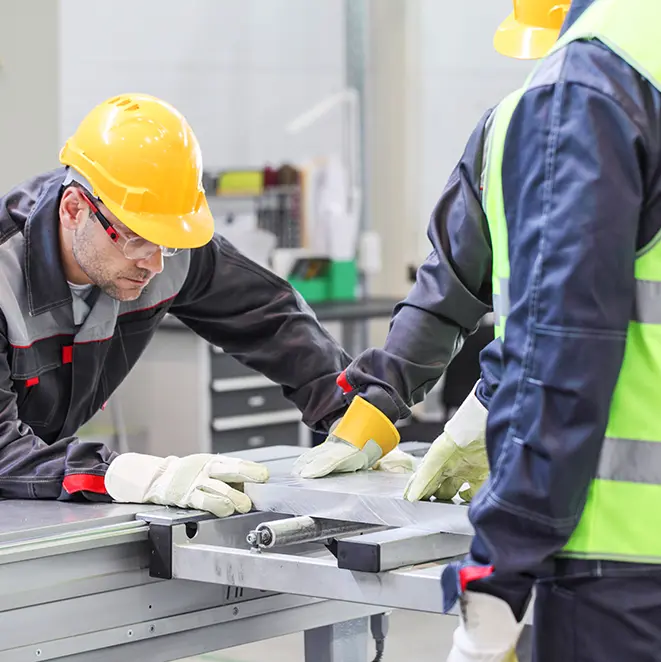
Our technicians have 15 years of invaluable experience, identifying potential issues and offering insights to deliver customized products.
Innovating the next generation of safe landing support systems
Expanding the structural resilience of 6000 and 7000 series aluminum profiles. By adjusting trace element ratios (Mg, Si, Cr), we are developing marine-grade helideck safety nets with over 35% higher yield strength under extreme dynamic impact while retaining complete weldability.
Integrating fiber-optic sensors into our extruded structural landing netting. This allows real-time structural health monitoring (SHM), alerting operators of stress fatigue, dynamic landing impact distribution, and localized damage after severe offshore weather events.
Designing perimeter security and netting networks with internal thermal conduits. For Arctic naval applications and sub-zero offshore oil rigs, this technology melts snow and prevents ice buildup, maintaining required safety margins 365 days a year.
Tailoring structural aluminum landing solutions to specific engineering demands
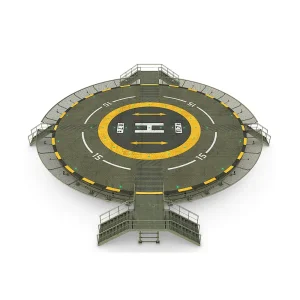
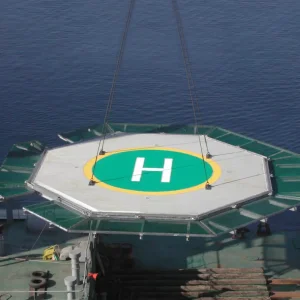
Offshore oil platforms, FPSOs, and commercial marine vessels operate under extreme dynamic rolling conditions. Landing nets must comply with CAP 437 regulations. Lvxing's marine-grade 6061-T6 and 6082-T6 extruded aluminum profiles ensure long-lasting structural defense against galvanic corrosion, salt spray, and extreme wave impacts without losing mechanical yield limits.
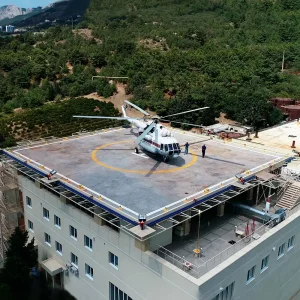
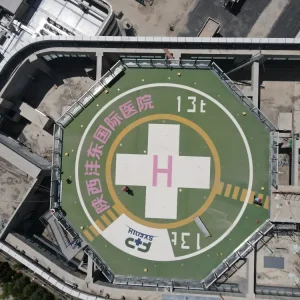
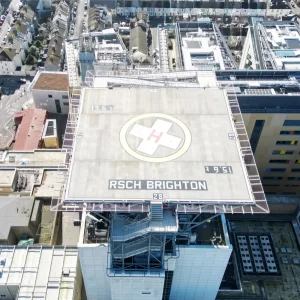
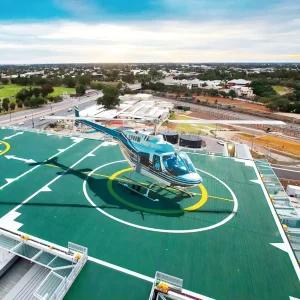
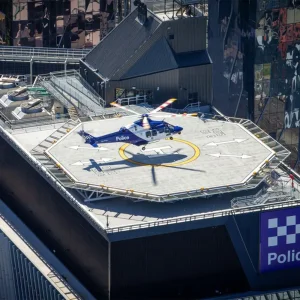
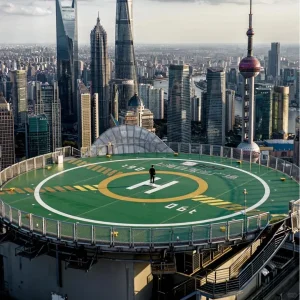
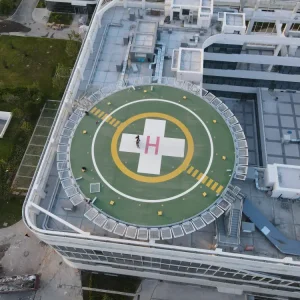
High-altitude rooftop helipads, particularly on hospitals and commercial skyscrapers, deal with violent microburst winds. Safety nets require low aerodynamic drag profiles to prevent wind lift, while possessing the structural capacity to arrest any fall. Our perimeter netting profiles provide lightweight installation, minimizing dead weight load on building structures.
Trauma centers rely on rapid, safe emergency patient transfer. Any compromise in helipad security can delay critical care. Lvxing's CE-certified helideck safety systems guarantee maintenance-free safety, assuring compliance with civil aviation authorities and minimizing operational downtime during crucial hospital operations.
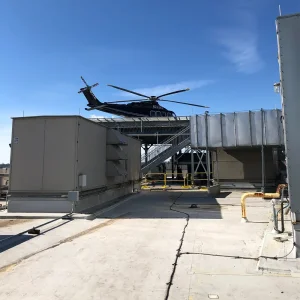
Military transport helicopters subject flight decks to extreme weight and landing forces. Using our 20,000T extrusion line, we produce custom high-tensile 7xxx series alloy configurations. These profiles satisfy strict military standards for impact resilience, ensuring structural integrity during heavy-duty tactical logistics.
Vertical integration, rapid prototyping, and cost-efficient global logistics
Located in Foshan, the capital of China's aluminum fabrication industry, LvXing Intelligent Equipment Co., Ltd. benefits from a highly integrated local supply chain network. By sourcing premium Fenglu aluminum directly, we guarantee consistent raw material purity. Our close partnerships with local material research institutes enable us to customize alloys to meet the exact tensile demands of our clients.
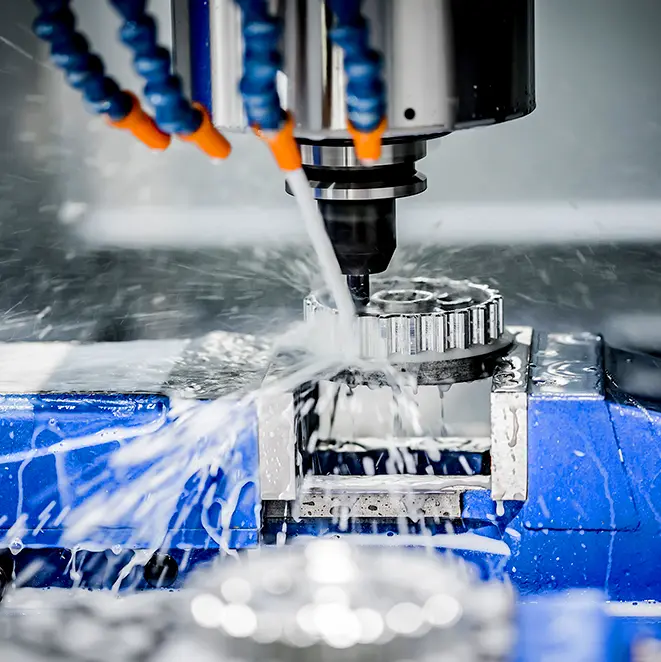
This localized cluster allows us to handle every stage of production in-house: die tooling, high-pressure billet extrusion, precision CNC machining, custom anodization, drop-testing, and compliance packaging. This vertical integration reduces production lead times by up to 40% compared to overseas competitors. The proximity to key shipping hubs in Guangzhou and Shenzhen ensures fast, reliable shipping to North America, Europe, Southeast Asia, and the Middle East.
Aligning with international marine and aviation regulatory frameworks
Civil Aviation Authority standards require helideck perimeter safety nets to withstand a dynamic drop test of 122.5 kg from 1 meter. Lvxing's aluminum netting profiles meet this requirement, maintaining structural containment without permanent yield deformation.
Our design, fabrication, and quality assurance processes follow certified GB/T19001-2016/ISO9001:2015 workflows, ensuring complete material traceability from the aluminum billet to the installed helideck perimeter netting.
Our aluminum profiles and netting safety elements carry CE certification, verifying conformity with European safety, health, and environmental protection standards for architectural and civil structures.
Addressing engineering questions regarding aluminum landing netting and helidecks
Engineered options for offshore platforms, skyscrapers, and emergency landing zones
 LvXing