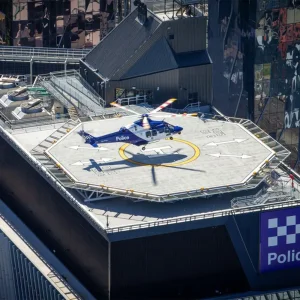
Explore our premium range of precision-engineered helipad safety nets and custom aluminum structural solutions.
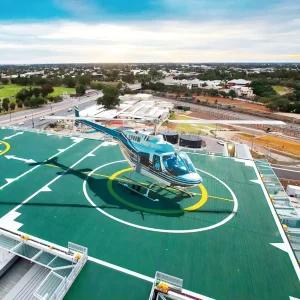
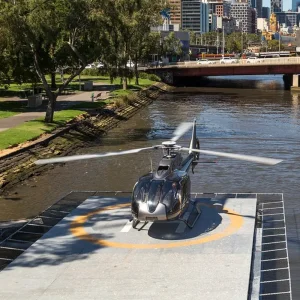
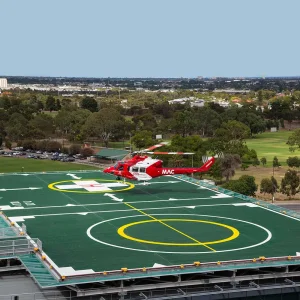
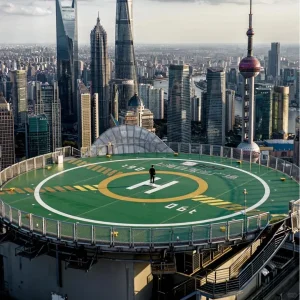
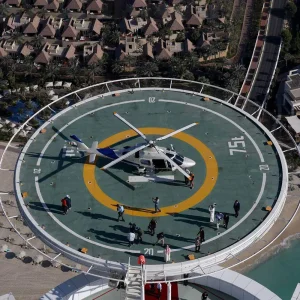
In the context of modern vertical flight logistics, the safety of helidecks and urban helicopter landing zones (HLZs) represents a critical intersection of structural mechanics, aviation aerodynamics, and materials science. Among the primary safeguards is the helicopter landing zone safety net, designed to prevent personnel, equipment, and structural components from sliding or falling off elevated platforms, particularly under high wind conditions, marine roll/pitch actions, or extreme helicopter downwash forces.
When choosing a wholesale partner, procurement teams must evaluate manufacturers based on stringent design standards. A high-quality safety net must absorb impact forces up to 2.3 kJ, resist severe maritime corrosion (Class C5-M environment), and remain fully functional over decades. Standard mesh designs rely on stainless steel wire ropes (grade 316 or 316L) integrated into lightweight, high-tensile aluminum structural framing, ensuring minimal structural load addition to rooftops or offshore cantilever structures.
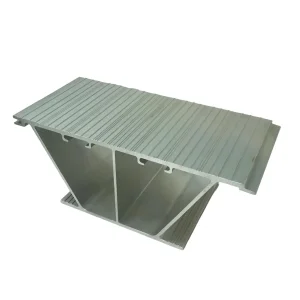
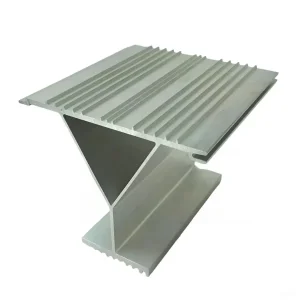
Our manufacturing processes leverage national-standard aluminum extrusions paired with precision-tensioned steel nets. This ensures that every helideck structure we supply remains structurally sound under the dynamic loads imposed by advanced civil and military rotary aircraft, such as the Sikorsky S-92 or Leonardo AW139.
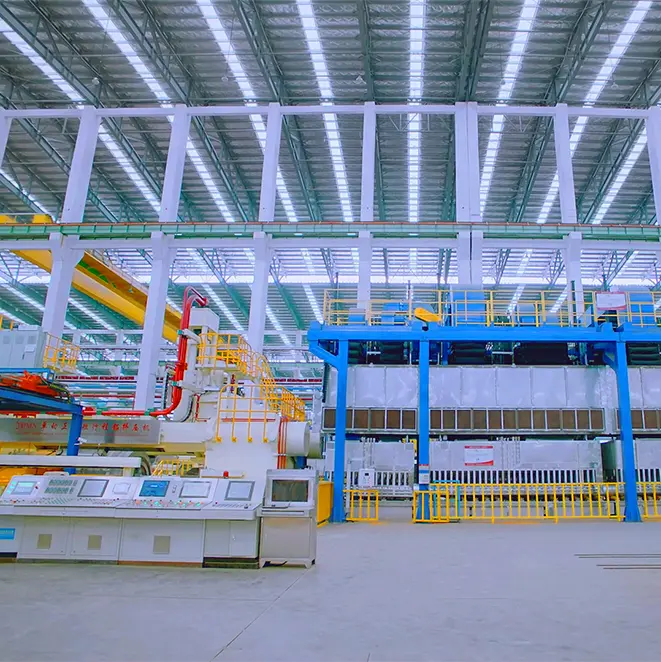
Lvxing Intelligent Equipment is a certified Chinese manufacturer of structural helipads and perimeter safety systems.
Established in 2015 and located in Foshan City, Guangdong, LvXing Intelligent Equipment Co., Ltd. leverages a highly qualified R&D team and extensive technical expertise to turn design concepts into certified, load-bearing infrastructure. Utilizing premium Fenglu aluminum, we offer a comprehensive catalog of aluminum profile systems designed for demanding industrial, aerospace, and defense applications.
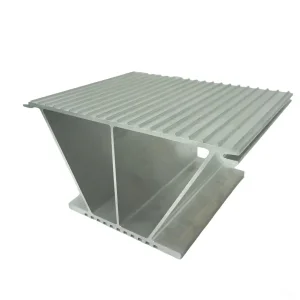
Our manufacturing facilities are equipped with heavy extrusion lines ranging from 800T to 20,000T. This enables the fabrication of high-performance alloys across the 1xxx, 2xxx, 3xxx, 5xxx, 6xxx, and 7xxx series. We produce fully integrated structural profiles with section dimensions reaching up to 1.2 meters in width and 28 meters in length. All processes are certified under the GB/T19001-2016 / ISO9001:2015 standard, confirming our position as an authorized supplier of special aerospace-grade aluminum systems.
We combine advanced metallurgy, precise mechanical structural design, and international aviation safety certification.
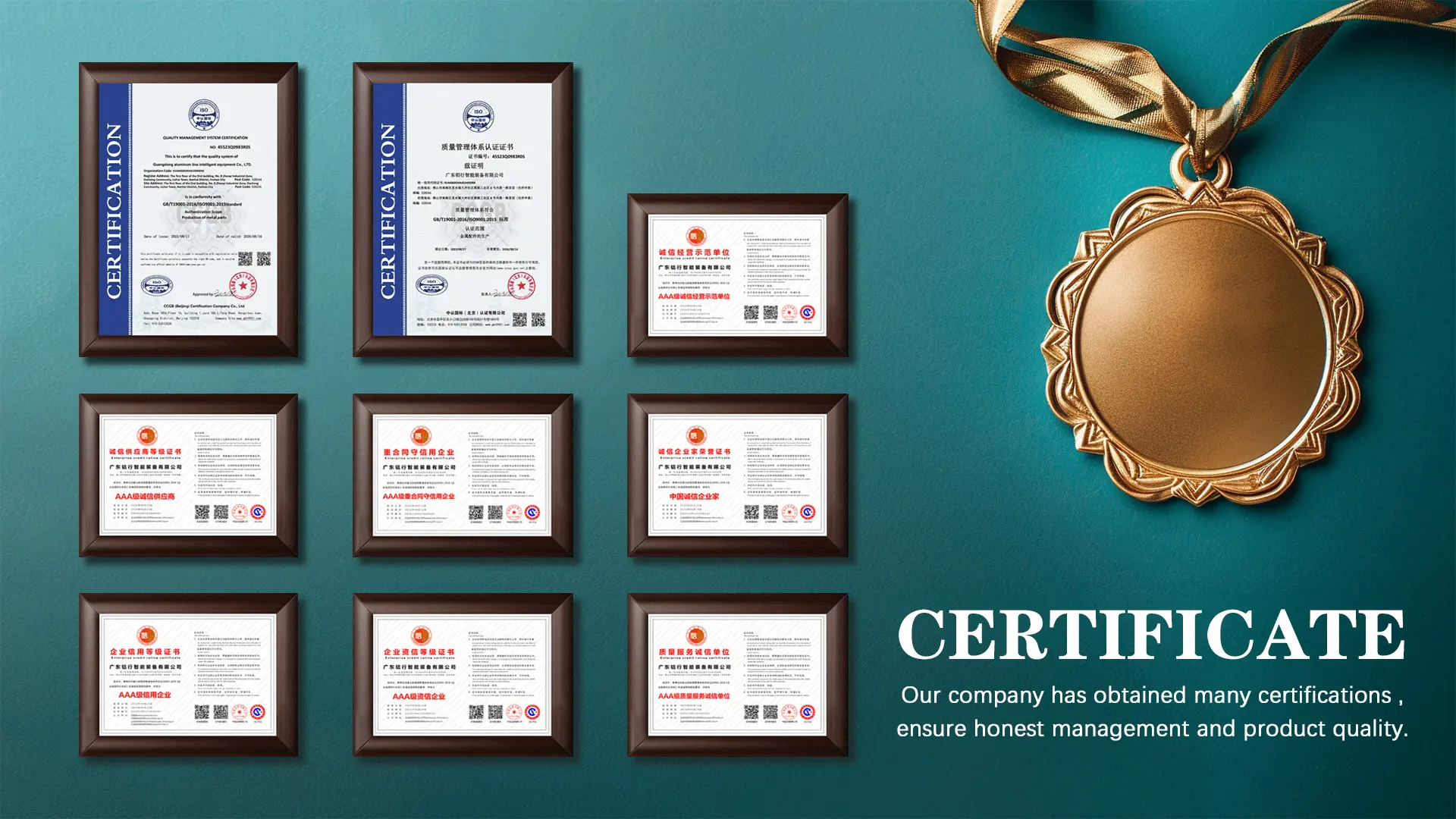
We hold the prestigious "Special Aluminium Materials for Aerospace" Certificate. All extruded structural frames utilize marine-grade 6000-series structural alloys, offering corrosion resistance and load-bearing performance.
Partnered with high-quality Fenglu aluminum, our extrusion lines (800T to 20,000T) process profiles up to 1.2m wide and 28m long. This capacity allows us to manufacture complex, integrated helipad systems.
Our engineers bring 15 years of project experience to identify issues early, optimize structures, and offer custom designs that meet global aviation criteria.



Understanding the strict regulatory standards, environmental factors, and engineering requirements across international markets.
Offshore drilling rigs, FPSOs, and marine vessels face continuous exposure to high salinity, extreme humidity, and cyclic wind loading. In these conditions, traditional galvanized safety net systems degrade quickly, leading to corrosion and structural failure. Sourcing teams prioritize SUS 316 marine-grade stainless steel safety mesh combined with anodized 6082-T6 aluminum support frames.
These systems must withstand the harsh North Sea or Gulf of Mexico conditions, ensuring structural integrity and preventing corrosion-induced failures during helicopter landings.
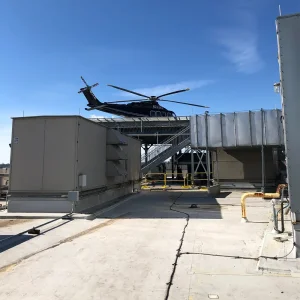
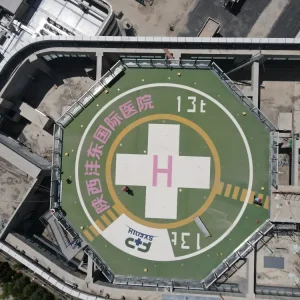
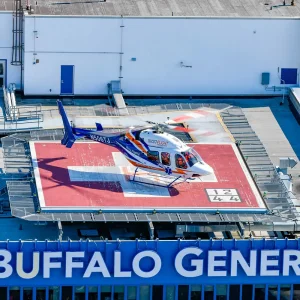
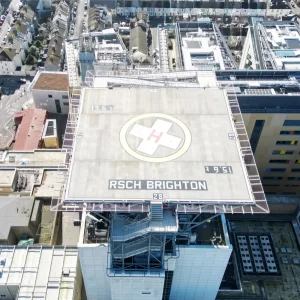
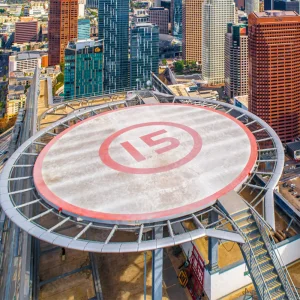
Rooftop helipads on modern hospitals require lightweight, maintenance-free components that minimize structural loads. Elevated medical heliports must adhere to strict fire safety and acoustic standards. Perimeter safety nets must be lightweight, offer non-obstructive visual properties, and ensure zero resonance during helicopter downwash. Custom solutions, such as CE-certified hospital rooftop helipads, provide the necessary certifications (CE, ISO, and compliance with civil aviation codes) to meet these municipal building standards.
Civil Aviation Authorities (such as the UK CAA or US FAA) require all elevated helidecks to install perimeter safety nets that project outwards. These safety nets must:
Our specialized mesh configurations utilize knottless wire rope nets or tensioned stainless steel matrices that deliver this energy absorption profile.
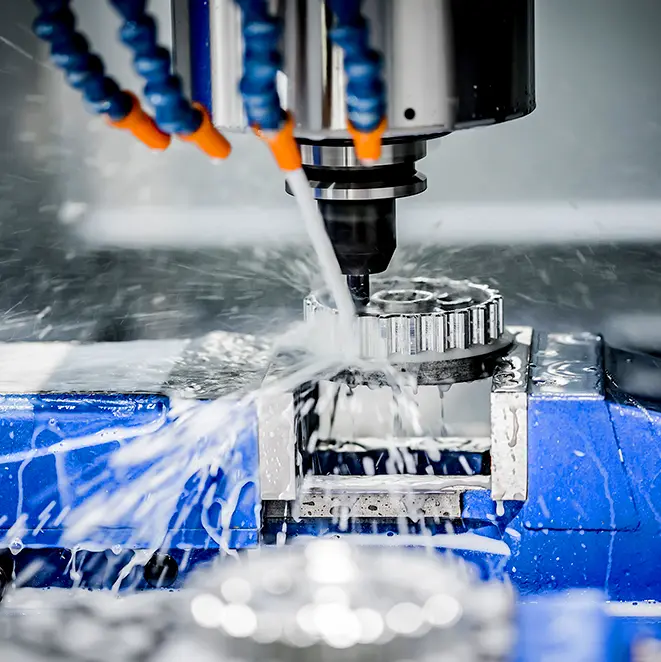
Lvxing offers fully integrated engineering packages, combining structural calculation, extrusion design, custom surface finishes, and pre-assembly testing. Our technical roadmap focuses on three main development vectors:
Lvxing perimeter safety products are designed, tested, and certified in accordance with global aviation and maritime regulations.
The Federal Aviation Administration mandates that rooftop and elevated helidecks install a safety net extending at least 5 feet (1.5 m) outward from the landing area. The net must not exceed the height of the landing surface and must exhibit a downward-sloping configuration to catch falling personnel.
Recognized globally as the offshore standard, CAP 437 requires perimeter safety nets to be made of materials that resist degradation from hydrocarbons, saltwater, and UV light. It mandates regular testing and certification showing that the safety net system can absorb a drop impact of 100 kg.
International Civil Aviation Organization standards specify design requirements for heliports. Safety nets must be installed around the perimeter of elevated heliports, ensuring they do not present a hazard to helicopter operations while providing reliable fall protection.
Answering key structural, material, and compliance questions for helicopter landing zone safety nets.
Our safety net systems are engineered for a service life exceeding 20 years in standard mainland environments. For offshore marine installations (C5-M environment), we utilize grade 316 stainless steel mesh paired with anodized 6061-T6 or 6082-T6 aluminum framing, achieving an expected service life of 15 years with routine maintenance.
Our mesh patterns are designed to minimize wind resistance, allowing wind and downwash currents to pass through freely. This reduces wind loading on the cantilever support frames, ensuring stability even under hurricane-force winds up to 60 m/s.
Yes, customization is a core part of our manufacturing process. We can design and manufacture safety net frames to match the layout of circular, octagonal, or square helidecks. Utilizing our 20,000T extrusion capability, we can construct custom support components to accommodate complex structural offsets.
Each shipment includes material mill certificates, ISO 9001:2015 quality documentation, and internal drop-test reports. When requested, third-party testing (such as SGS or CE certification audits) can be scheduled to confirm compliance with specific regional codes before shipment.
For profiles up to 28 meters in length, we coordinate special logistics, using custom steel crates and export-grade protective wrapping. This keeps the structural components securely in place during ocean transport, ensuring they arrive undamaged and ready for installation.
Aluminum alloys (such as 6082-T6) offer a high strength-to-weight ratio, reducing the dead load on elevated or cantilevered helideck structures. Additionally, aluminum naturally forms a protective oxide layer, providing superior corrosion resistance in maritime environments without the need for periodic galvanizing.
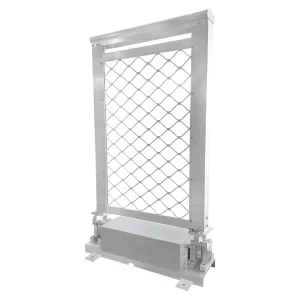
Our safety nets feature integrated tensioning borders that secure the stainless steel wire rope mesh within the aluminum frame. This design distributes impact loads evenly across the perimeter, preventing localized structural failures.
Yes, we manufacture CE-certified electric helideck perimeter safety nets. These systems feature automated control linkages, allowing operators to deploy or retract the safety perimeter directly from the control tower or station.
We provide full engineering documentation, calculations, and certification records (conforming to CAP 437 and FAA guidelines) to support your local engineering firm or contractor through the approval process with regional authorities.
Lead times depend on the project scope and design complexity. Standard modular components are typically processed and shipped within 30 to 45 days. Large-scale custom profiles or complex structural assemblies may require 60 to 75 days, which includes extrusion, surface treatments, pre-assembly, and testing.
Examine our full selection of aluminum landing pad structures, rooftop profiles, and safety net components.
 LvXing