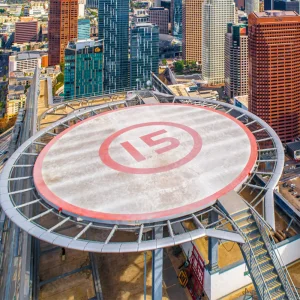
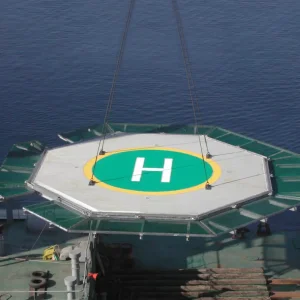
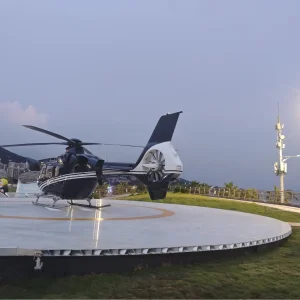
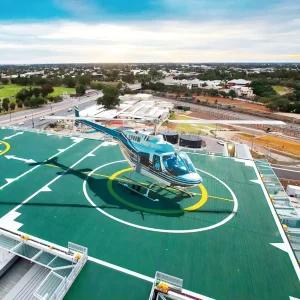
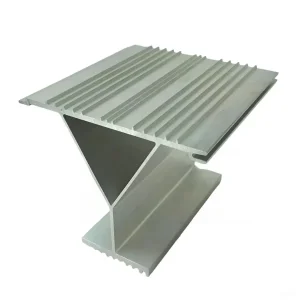
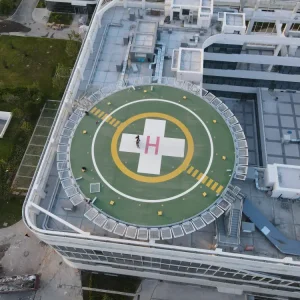
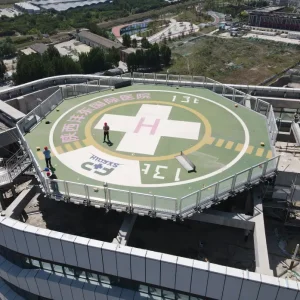
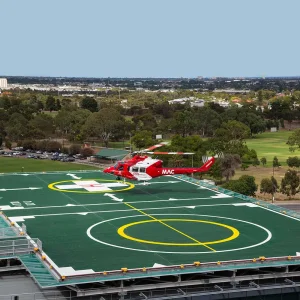
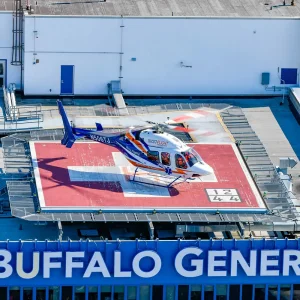
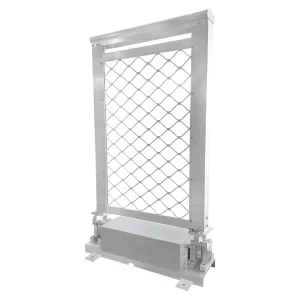
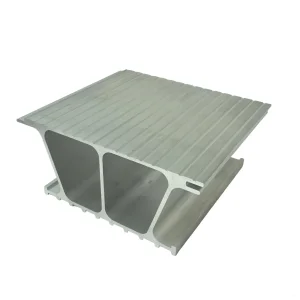
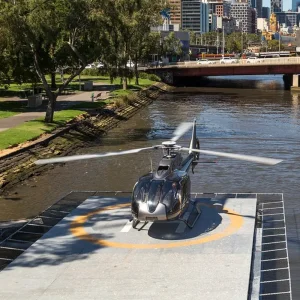
Discover our core line of premium aluminum helideck structures and perimeter safety net configurations designed for structural integrity and drop mitigation.
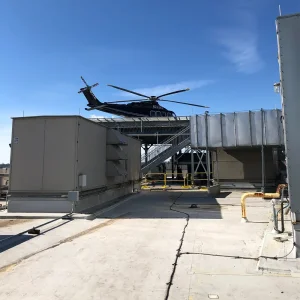
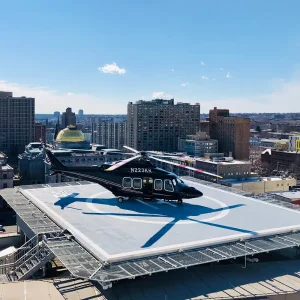
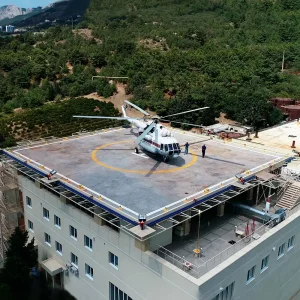
Helicopter landing decks (helidecks) on offshore platforms, ocean-bound vessels, and rooftop structures present some of the most challenging operating environments in the world. High-velocity crosswinds, salt spray corrosion, thermal shock, and potential structural fatigue necessitate perimeter systems engineered to exact tolerances. Helideck safety net systems, also known as perimeter safety mesh, serve as crucial lifelines. They prevent personnel and equipment from falling off the edge of elevated platforms during take-offs, landings, and maintenance operations.
"Safety is not an option; it is a system. Our perimeter safety networks are calculated to withstand heavy impact forces, specifically exceeding the requirements laid down by global maritime and civil aviation authorities."
To qualify for structural deployment, helipad perimeter safety nets must meet international safety regulations such as UKCAA CAP 437 Standards for Offshore Helicopter Landing Areas and FAA Advisory Circular 150/5390-2C. According to these frameworks, the net must not act as a trampoline. Instead, it must absorb the kinetic energy of an impacting body or object, capturing it securely without bouncing it back onto the flight deck or allowing it to penetrate through the mesh.
LVXING, SPECIALIZES IN ALUMINUM SOLUTIONS.
Established in 2015 and located in Foshan City, Guangdong, LvXing Intelligent Equipment Co., Ltd. boasts a skilled R&D team with extensive experience. We leverage exceptional technical expertise to effectively transform customers' ideas into reality, consistently meeting their precise requirements.
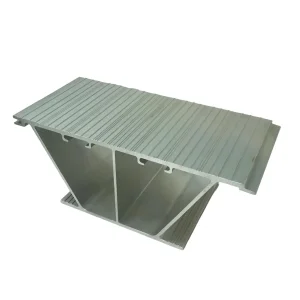
We utilize premium Fenglu aluminum, offering a diverse range of profiles for flexible applications. Our extrusion lines, ranging from 800T to 20,000T, accommodate alloys 1xxx, 2xxx, 3xxx, 5xxx, 6xxx, and 7xxx, allowing us to produce shaped products with section dimensions up to 1.2 meters in width and 28 meters in length. These products are recognized for their precision and meticulous processing, finding broad application in aerospace, military, medical, and industrial sectors.
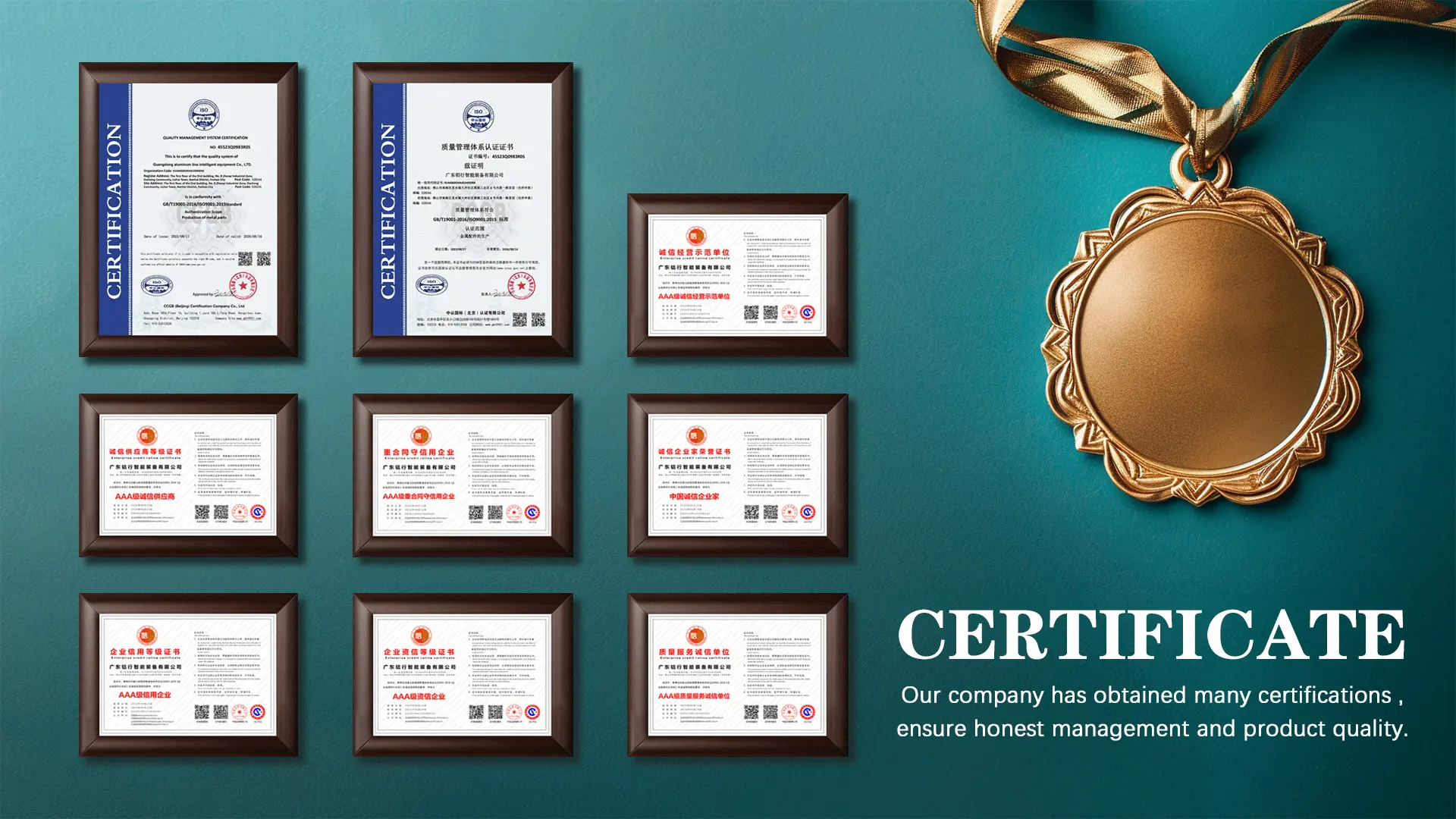
Our commitment to excellence is evident throughout the manufacturing process, rigorous quality control, thorough packaging, and efficient shipping procedures. This dedication has earned us recognition as a national excellent and honest enterprise, along with quality system certification in accordance with GB/T19001-2016/ISO9001:2015 standards.
We aspire to be your trusted business partner and warmly invite you to visit our factory.
Why global aerospace, marine, and emergency medical services choose Lvxing for their landing pad structures.
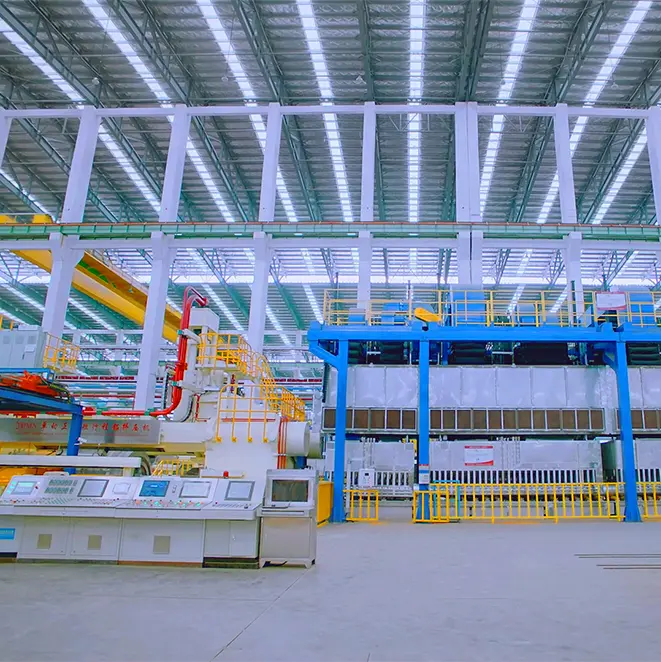
We have obtained the "Special Aluminium Materials for Aerospace" Certificate, ensuring all manufactured landing platforms and perimeter profiles meet exact defense and aerospace safety parameters.
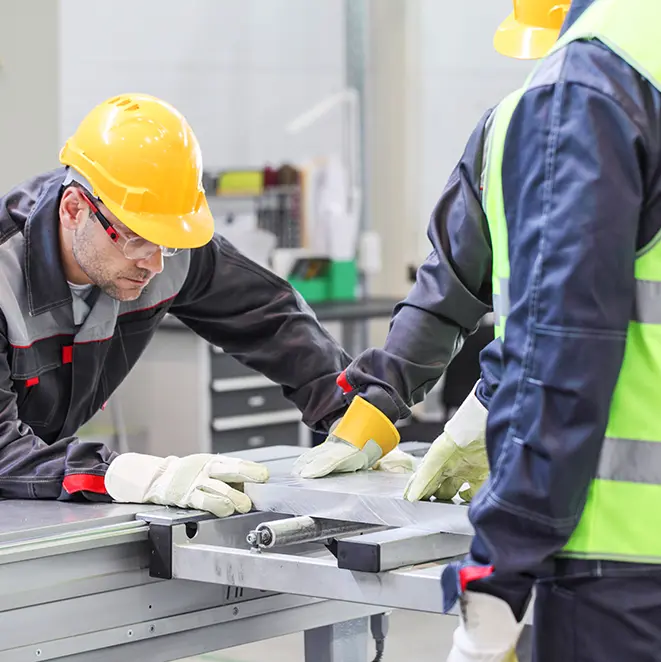
We provide and utilize high-quality Fenglu aluminum profiles. With extrusion lines ranging from 800T to 20,000T, we can produce alloys 1xxx, 2xxx, 3xxx, 5xxx, 6xxx, and 7xxx. We can manufacture fully shaped products with section dimensions up to 1.2 meters in width or 28 meters in length.
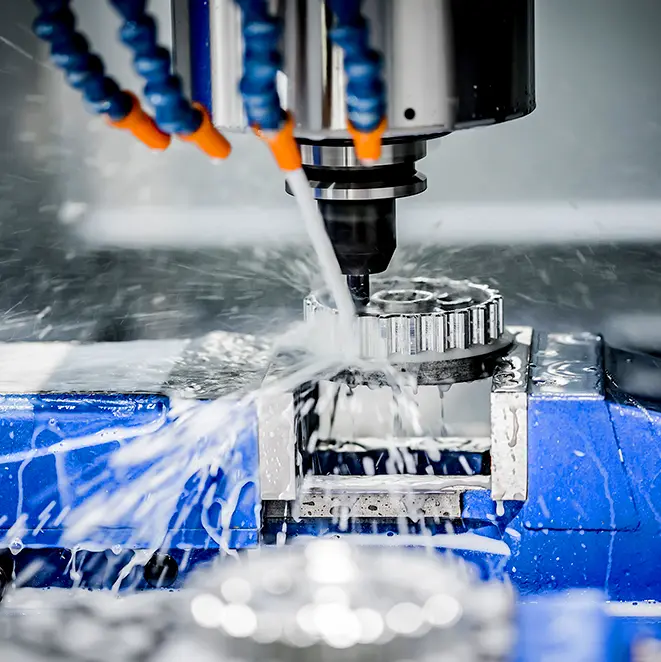
We have a team of technicians with 15 years of invaluable experience. Our deep understanding of customer requirements allows us to identify potential issues and offer practical insights, turning customer ideas into tangible products that meet specific needs.
Lvxing utilizes premium raw materials to engineer safety mesh systems that are highly resistant to structural wear and physical degradation. Our typical helideck perimeter safety net contains high-tensile 316 / 316L stainless steel wire rope or marine-grade structural aluminum frame structures. This is a critical requirement for offshore facilities where constant exposure to ocean spray leads to rapid galvanic corrosion if materials are not properly treated or isolated.
The mesh structure itself is composed of high-strength stainless steel cable mesh or high-performance aluminum wire mesh. When combining aluminum profiles (such as 6082-T6 or 6061-T6 structural grade) with stainless steel hardware, our engineering team utilizes non-conductive barriers (e.g., POM, Nylon, or Teflon washers) to prevent galvanic corrosion. This detailed step is often overlooked by cheaper factories, but it forms the core of Lvxing’s reliability commitment.
By employing 20,000T extrusion lines, we fabricate solid, structural border channels and support brackets that secure the mesh. These frames are designed with a specialized outward angle (typically tilted at 10 to 15 degrees upward and outward, projecting 1.5 meters wide) to conform with international maritime laws. This alignment ensures that any falling crew member is safely funneled into the pocket of the safety net without hitting any rigid structural supports.
China is home to the world's most robust industrial manufacturing clusters for aluminum extrusion and metallurgy. LvXing Intelligent Equipment Co., Ltd., based in Foshan City, Guangdong, operates at the heart of this geographic advantage. Sourcing directly from our facility offers global procurement officers distinct benefits:
Our helipad systems are custom designed for specific industrial applications:
Technical and regulatory insights on helipad safety mesh design and procurement.
High-quality engineering files, technical dimensions, and pricing lists are available for our custom profiles.
 LvXing