Engineering compliance matching CAP 437 & ICAO Annex 14 safety criteria
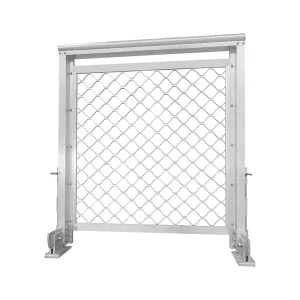
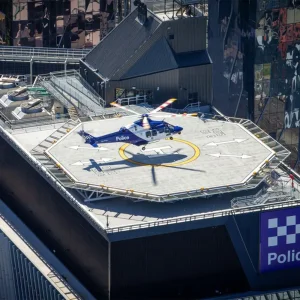
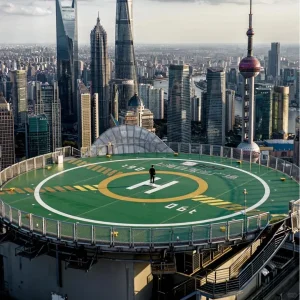
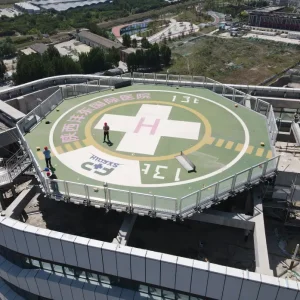
When designing perimeter protection systems for helidecks, safety and absolute structural reliability are non-negotiable parameters. Global maritime authorities and aviation boards, most notably the Civil Aviation Authority (CAA) under CAP 437 guidelines and the International Civil Aviation Organization (ICAO) Annex 14 Volume II, mandate the installation of specialized perimeter safety nets around the edges of offshore helidecks, marine vessels, and elevated urban landing zones.
The primary purpose of a helipad security net is to catch falling personnel or objects without causing critical injury or damage to flight operations. Historical aviation incident reviews show that wind turbulence generated by helicopter rotors, combined with extreme maritime weather, introduces high risks during embarkation and cargo handling. Thus, material choice, frame engineering, and tension properties of security nets must withstand severe environmental fatigue, galvanic corrosion, and dynamic shear forces.
“According to CAP 437 Chapter 5, the perimeter safety net must extend outward by at least 1.5 meters from the edge of the landing area and exhibit a slight upward inclination of approximately 10 degrees to prevent individuals from rolling or falling over the barrier.”
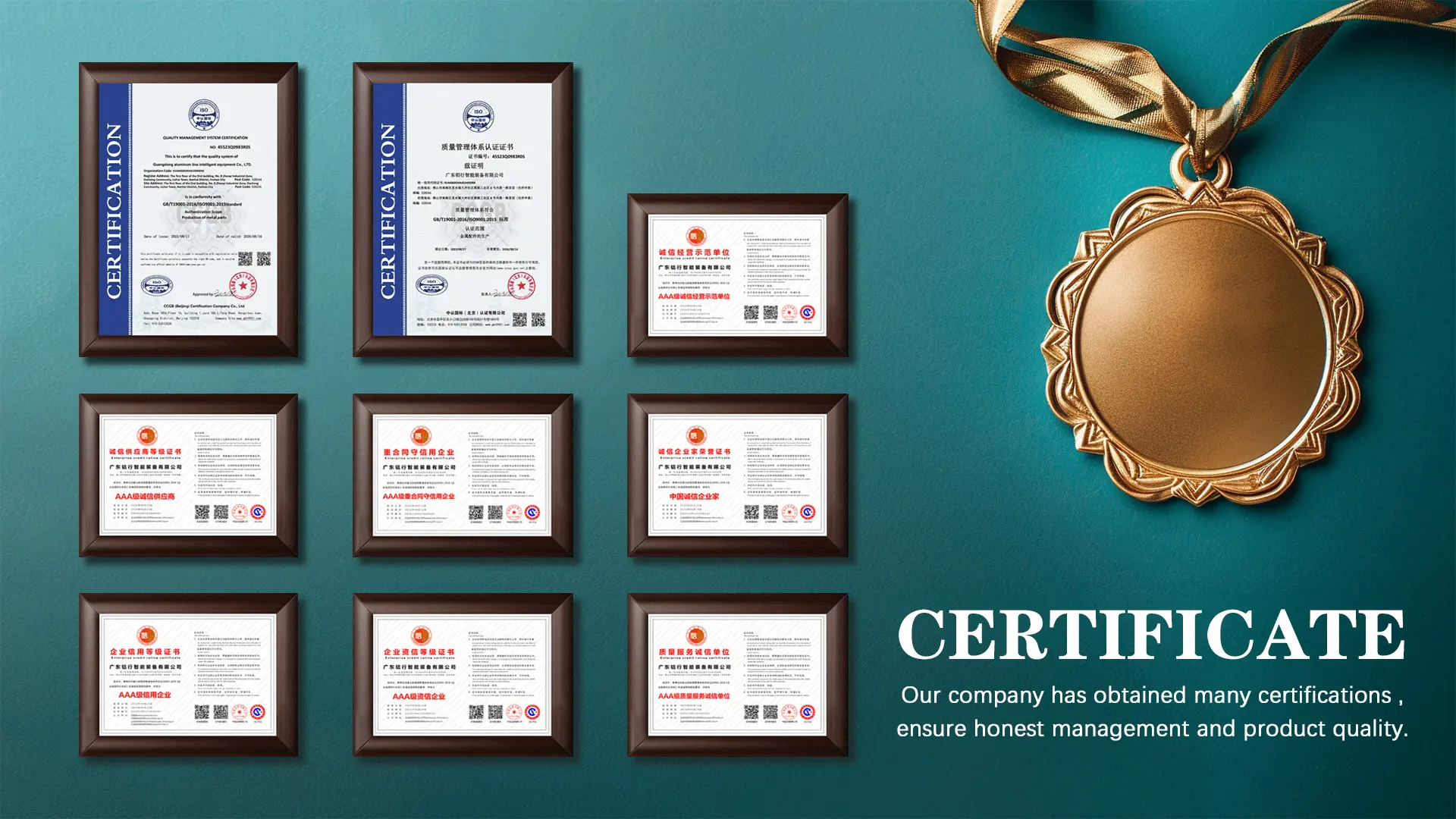
Our specialized manufacturing facility, LvXing Intelligent Equipment Co., Ltd., integrates advanced raw material processing with modern aerospace-grade aluminum extrusion methods to construct net structures that comply with global DNV, Lloyd's, and CE safety certificates.
Established in 2015 and located in Foshan City, Guangdong, LvXing Intelligent Equipment Co., Ltd. boasts a skilled R&D team with extensive experience. We leverage exceptional technical expertise to effectively transform customers' ideas into reality, consistently meeting their precise requirements.
We utilize premium Fenglu aluminum, offering a diverse range of profiles for flexible applications. Our extrusion lines, ranging from 800T to 20,000T, accommodate alloys 1xxx, 2xxx, 3xxx, 5xxx, 6xxx, and 7xxx, allowing us to produce shaped products with section dimensions up to 1.2 meters in width and 28 meters in length. These products are recognized for their precision and meticulous processing, finding broad application in aerospace, military, medical, and industrial sectors.
Our commitment to excellence is evident throughout the manufacturing process, rigorous quality control, thorough packaging, and efficient shipping procedures. This dedication has earned us recognition as a national excellent and honest enterprise, along with quality system certification in accordance with GB/T19001-2016/ISO9001:2015 standards. We aspire to be your trusted business partner and warmly invite you to visit our factory.
Decoding the high-strength aluminum extrusion processes for structural helideck installations
For structural applications like marine deck landing facilities, standard steel grids present a key disadvantage: high weight. High dead loads on offshore oil rigs or rooftop heliports force structural designers to size supporting columns significantly larger, adding overall development costs.
Lvxing's structural profiles utilize aluminum-magnesium-silicon (6000 series) and zinc-stabilized (7000 series) alloys. Below is a comparison detailing how mechanical metrics translate to helideck load capacities and durability.
| Alloy Series | Key Alloying Elements | Tensile Yield Strength (MPa) | Corrosion Resistance | Primary Application in Helidecks |
|---|---|---|---|---|
| 6000 Series (e.g. 6082-T6) | Silicon & Magnesium | 290 - 310 | Excellent (Marine / Acid Rain Resistant) | Structural decking planks, perimeter beam channels, manual folding frames. |
| 7000 Series (e.g. 7075-T6) | Zinc & Magnesium | 480 - 540 | Moderate (Requires Anodization Coating) | High-stress structural knuckles, main stress-bearing connection joints. |
| 5000 Series (e.g. 5052-H32) | Magnesium | 190 - 210 | Superior (Highly Salt-Water Proof) | Woven wire mesh nets, flexible protection panels, cable management channels. |
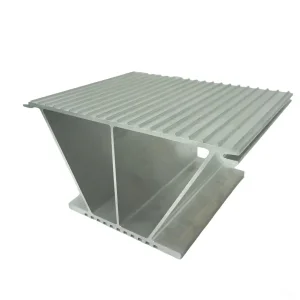
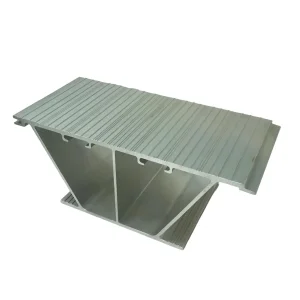
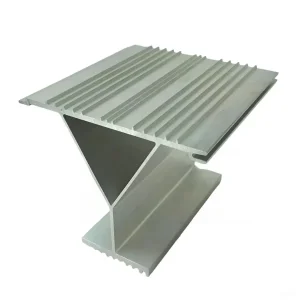
With extrusion lines spanning from 800 tons to a maximum of 20,000 tons, Lvxing handles challenging structural profile geometries. Solid or hollow profiles up to 1.2 meters wide can be extruded in single pieces, reducing joints and potential weld failures.
Our security nets feature drop-tested energy dissipation mechanics. Mesh nodes are designed to flex under dynamic loads (such as a 122.5 kg fall hazard), ensuring the net absorbs energy gradually without suffering brittle fractures.
To combat severe marine environments, our frames undergo structural anodization processes. Anodic film thicknesses exceeding 20 microns (class II) guarantee that raw aluminum profiles remain unaffected by galvanic pitting.
Why Tier-1 engineering procurement firms choose Lvxing Intelligent Equipment
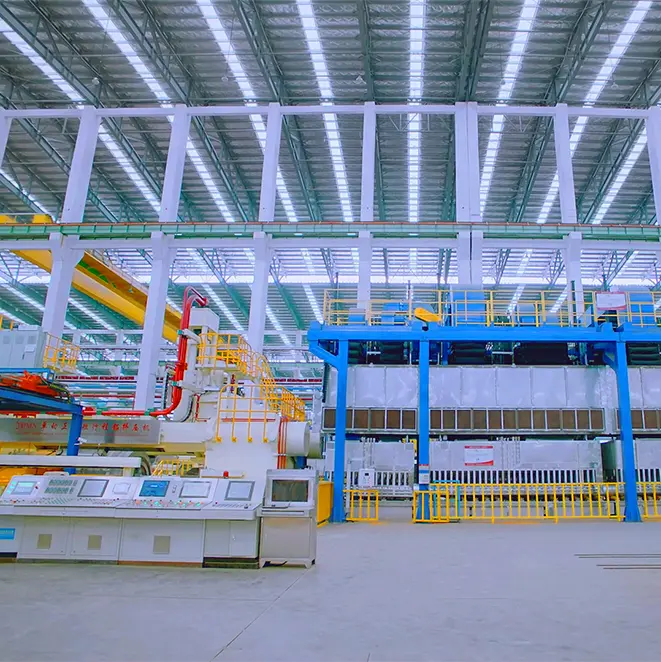

We have obtained the "Special Aluminium Materials for Aerospace" Certificate, ensuring every production batch satisfies demanding density and tensile requirements.
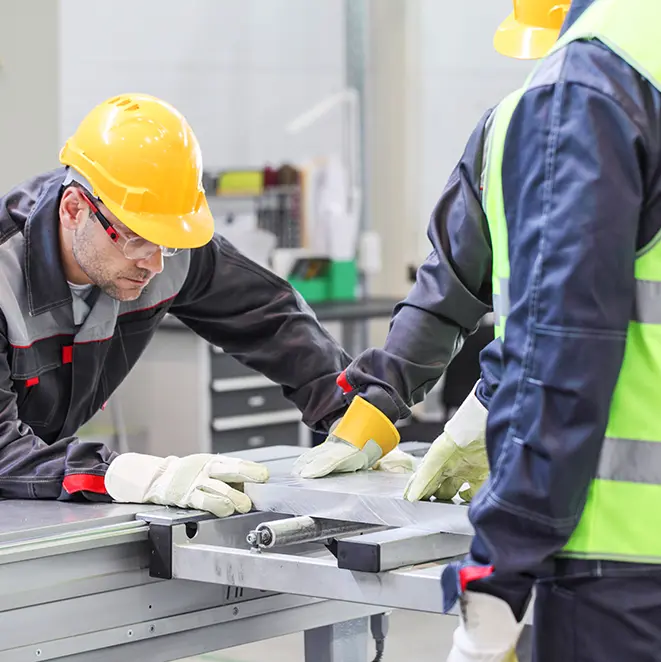

We utilize high-quality Fenglu aluminum profiles. With extrusion lines ranging from 800T to 20,000T, we produce alloys in 1xxx, 2xxx, 3xxx, 5xxx, 6xxx, and 7xxx series up to 1.2m width or 28m length.
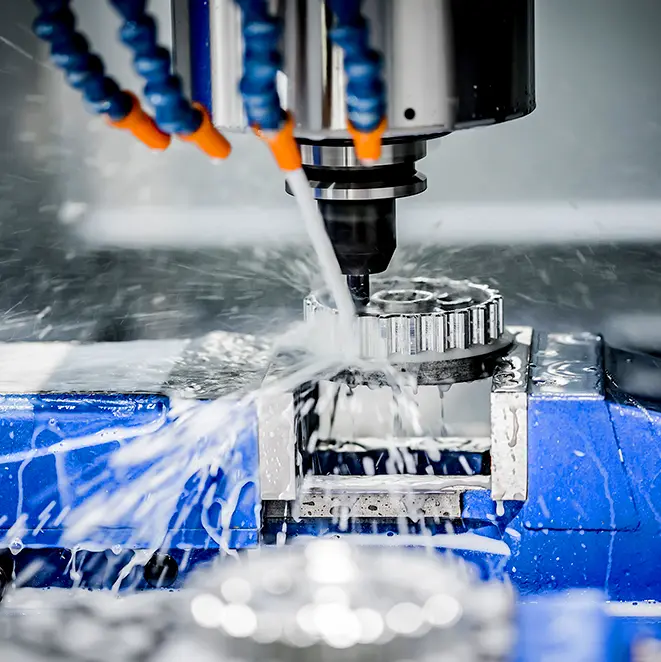

Our engineering team brings 15 years of industry experience, addressing custom challenges to translate conceptual designs into verified products.
Custom security nets and profiles for specialized global projects
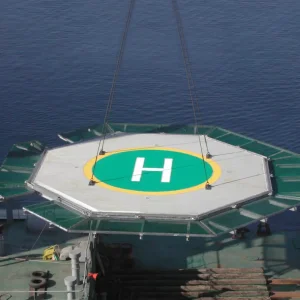
Marine applications represent the most demanding environments for safety systems. With salt water spray, chemical cleaners, and marine diesel fumes, raw materials must resist stress corrosion cracking (SCC). Our ship deck helipads utilize 6000-series alloy structural undercarriages paired with marine-grade 316 stainless steel or custom alloy wire mesh. This hybrid configuration provides weight reduction alongside crucial corrosion resistance.
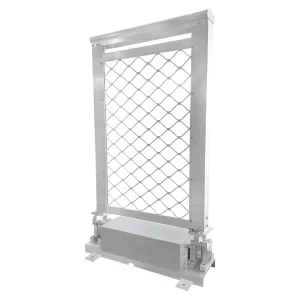
To accommodate vessels transiting through tight locks or docking spaces, we manufacture foldable safety net frames. Operators can select manual hinge-lock structures or integrate centralized control using hydraulic/electric actuators to tuck the safety nets away during harbor calls.
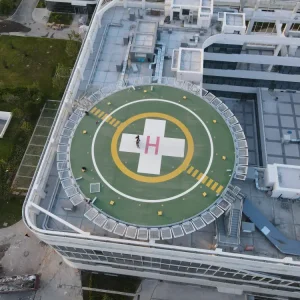
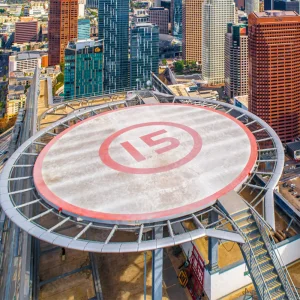
High-altitude wind currents on urban skyscrapers require thorough structural aerodynamic planning. Helideck safety nets installed on high-rise municipal or hospital rescue zones must limit wind drag to avoid creating upward drafts that destabilize landing helicopters.
Lvxing's wind-tunnel-tested mesh profiles maintain safety compliance while offering low drag coefficients. Our hospital emergency rescue helipad profiles feature integrated channels for drainage, visual lighting strips, and fire-suppression piping.
Exceeding regional inspection thresholds and aviation criteria
Global structural installations require comprehensive verification documentation. Major EPC contractors cannot deploy structural components without material test reports (MTRs) and international compliance stamps.
At Lvxing, we align our manufacturing quality control with international requirements. Our facilities operate under the ISO9001:2015 management standard. Every shipment of extruded safety net frames and matching security components is accompanied by mill test certificates (EN 10204 3.1 or 3.2), confirming exact chemical composition and mechanical properties.
From raw billet loading in the extrusion lines to structural heat treatment, every material lot receives a trackable batch code linking it directly to its chemical run.
We perform static pull and dynamic drop tests to ensure structural frames and mesh panels withstand impact energy specifications without buckling.
Our perimeter safety net assemblies carry the CE mark, verifying compliance with European health, safety, and environmental regulations.
We supply robust custom packaging designed to prevent abrasions, securing long structural profiles during ocean freight transport.
Direct technical answers for engineers and procurement directors
Specialized marine-grade aluminum extrusions and structural replacement components
 LvXing