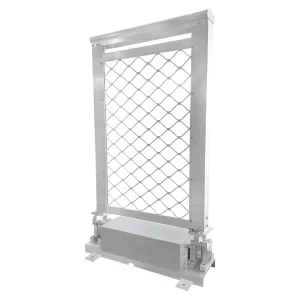
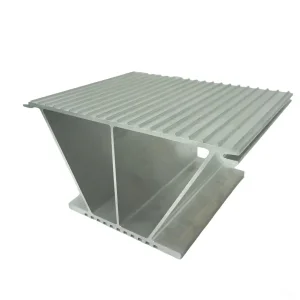
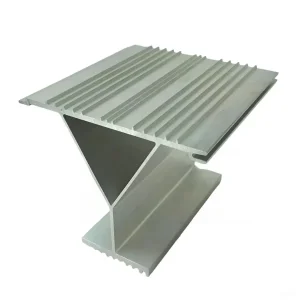
Discover our certified lineup of aluminum helideck perimeter safety structures, custom extruded profiles, and automated protection nets manufactured to strict maritime aviation regulations.
Established in 2015 and located in Foshan City, Guangdong, LvXing Intelligent Equipment Co., Ltd. boasts a skilled R&D team with extensive experience. We leverage exceptional technical expertise to effectively transform customers' ideas into reality, consistently meeting their precise requirements with world-class aluminum structural developments.
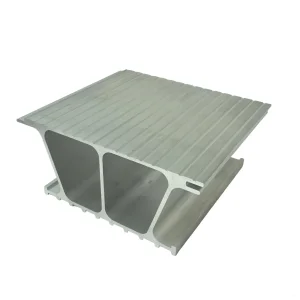
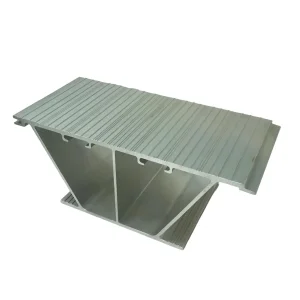
We utilize premium Fenglu aluminum, offering a diverse range of profiles for flexible applications. Our structural extrusion lines, ranging from 800T to 20,000T, accommodate high-strength aerospace and maritime alloys including 1xxx, 2xxx, 3xxx, 5xxx, 6xxx, and 7xxx series. This allows us to produce complex shaped products with section dimensions up to 1.2 meters in width and 28 meters in length. These products are internationally recognized for their structural precision and meticulous processing, finding broad application in aerospace, military, medical emergency landing zones, and heavy industrial sectors.
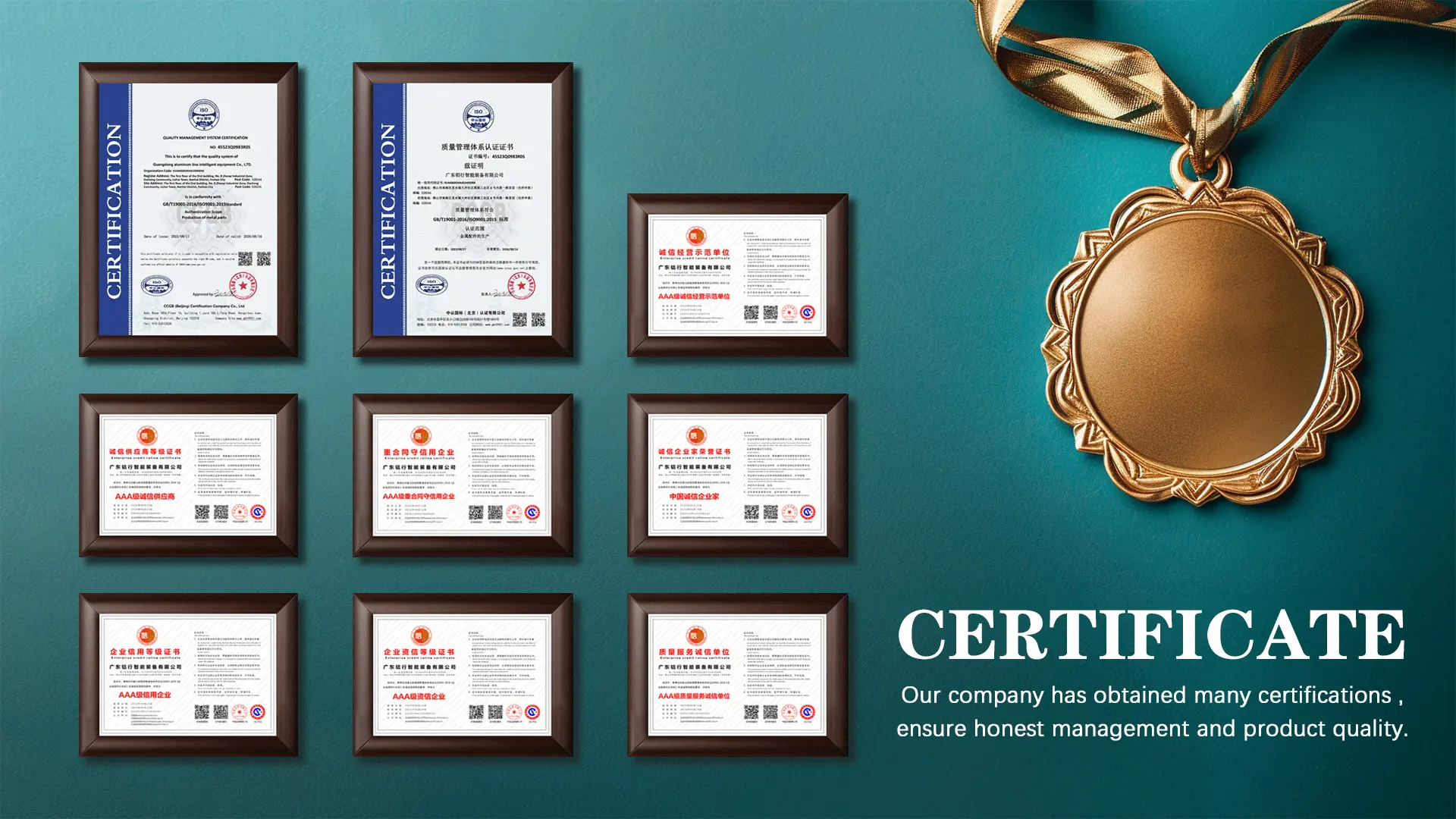
Our commitment to excellence is evident throughout the manufacturing process, rigorous quality control, thorough stress packaging, and efficient shipping procedures. This dedication has earned us recognition as a national excellent and honest enterprise, along with quality system certification in accordance with GB/T19001-2016/ISO9001:2015 standards. We aspire to be your trusted global business partner and warmly invite you to visit our factory.
Analyzing the shift from carbon steel to marine-grade aluminum alloy systems in offshore, municipal, and emergency response landing zones.
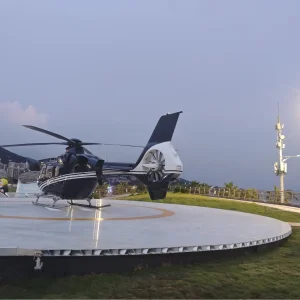
Modern helicopter landing platforms (helidecks and helipads) operate under stringent safety guidelines governed by civil aviation authorities and international maritime bodies. Among these safety features, the perimeter safety net is arguably one of the most critical passive safety structures. Historically, galvanized steel mesh and heavy iron chains served as default barriers; however, the modern aviation and marine engineering industries have shifted decisively toward Customized Aluminum Helipad Safety Nets.
Today's global commercial status is characterized by an escalating demand for lightweight, high-tensile, and corrosion-resistant infrastructure. Aluminum helipad safety nets, engineered using specialized structural frameworks, provide a highly reliable fall-protection solution without compromising the structural weight margins of the host platforms. This transition is highly evident in offshore oil and gas rigs, floating production storage and offloading (FPSO) vessels, commercial superyachts, elevated hospital emergency roofs, and urban skyscrapers.
"According to recent international maritime aviation updates, safety networks must withstand a minimum drop-impact force of 2.3 kJ without failure. Marine-grade aluminum alloy systems (specifically using 6082-T6 and 6061-T6 profiles) exhibit structural resilience that far outclasses traditional mesh elements, while offering zero corrosion degradation over decades of exposure to salty marine winds."
The global market for helicopter landing deck accessories is transitioning due to strict regulatory upgrades. Key civil aviation publications, such as the UK Civil Aviation Authority's CAP 437 (Standards for Offshore Helicopter Landing Areas), ICAO Annex 14, and FAA Advisory Circular AC 150/5390-2C, have set clear, uncompromising expectations for safety nets. The requirements demand that the safety nets are not only capable of catching falling personnel but also do not present a hazard to flight operations by reflecting radar signals or acting as rigid obstacles that could clip rotor blades during emergency maneuvers.
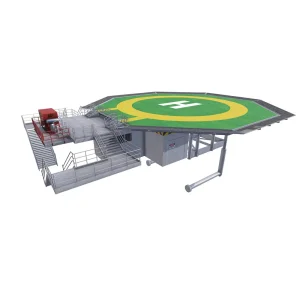
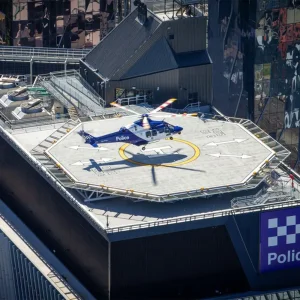
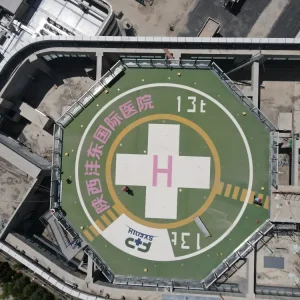
Furthermore, customized designs allow modular manufacturing. Every helideck varies slightly in design—some are octagonal, others square or circular. By using high-performance aluminum extrusions, suppliers can deliver tailored modular frames that bolt directly onto the deck structure, minimizing hot-work (such as onsite welding) which is often strictly prohibited on active petrochemical platforms.
Hard metrics backing our manufacturing capacity, quality control parameters, and regulatory certifications.
| Alloy Grade | Common Applications | Key Properties | Tensile Strength (MPa) |
|---|---|---|---|
| 6082-T6 / 6061-T6 | Structural Frames & Helideck Support Profiles | Excellent corrosion resistance, high structural yield | 290 - 310 |
| 5052-H32 / 5083 | Perimeter Netting Mesh & Marine Connectors | Highly resistant to saltwater, high fatigue strength | 210 - 270 |
| 7075-T6 | High-Stress Mechanical Components & Pins | Ultra-high strength comparable to structural steel | 570 |
| 3003 | Decorative & Light Non-structural Trim Elements | Superior formability and weldability | 110 - 130 |
Leveraging advanced machinery and aerospace-grade certifications to deliver custom aluminum helipad solutions globally.
We have obtained the prestigious “Special Aluminium Materials for Aerospace” Certificate, ensuring all our output profiles conform to the strictest defense and aviation safety directives.
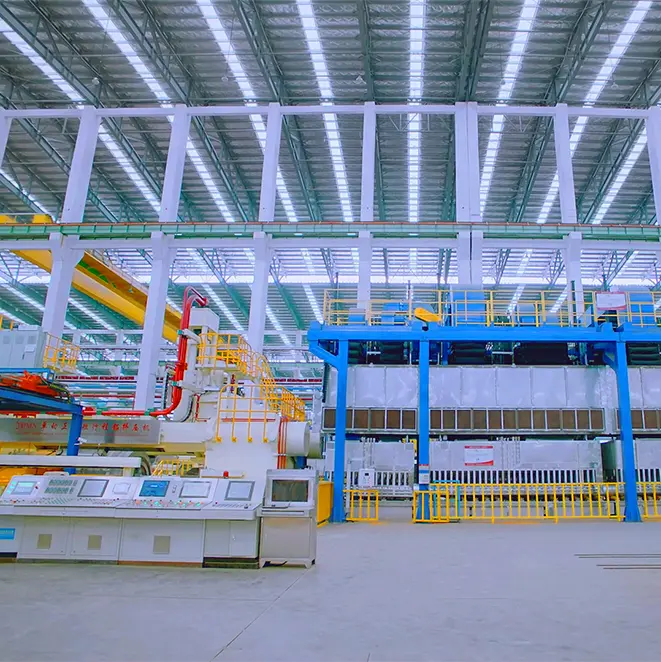

We utilize premium Fenglu aluminum profiles. Our structural extrusion lines range from 800T up to 20,000T, producing shaped profiles up to 1.2m wide or 28m in length in 1xxx-7xxx alloys.
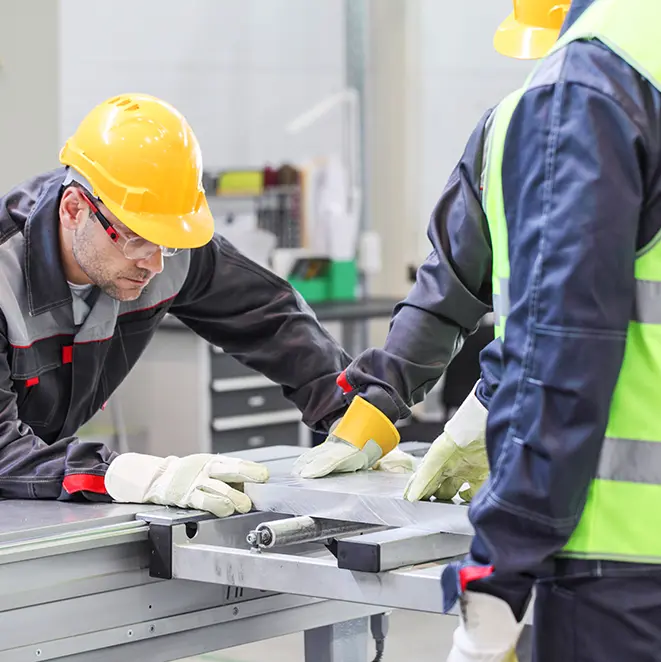

Our R&D team brings 15 years of experience to turn complex sketches into tangible products. We anticipate load stresses, wind shear factors, and mount limitations to guarantee seamless deployment.
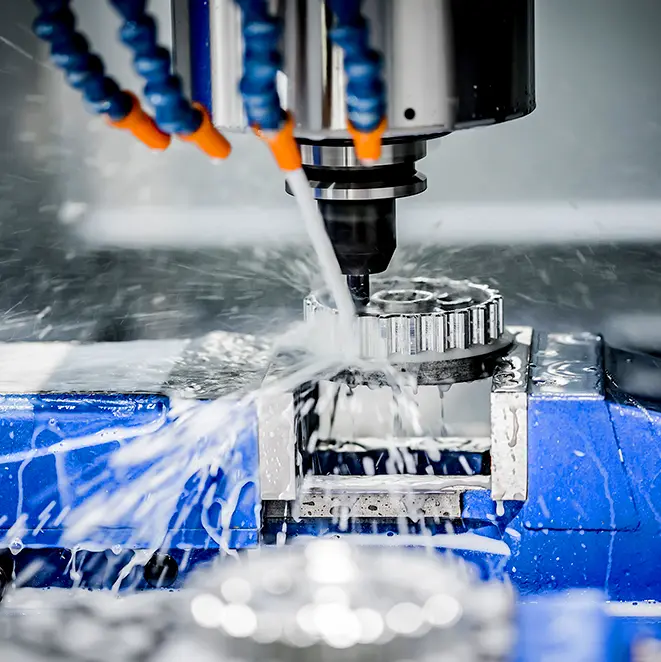

Tailored engineering strategies adapting safety systems to environmental, regulatory, and mechanical site parameters.
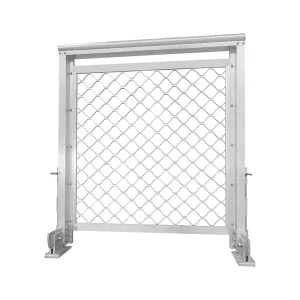
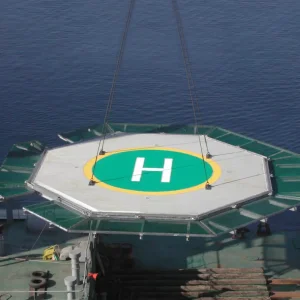
Marine environments are highly corrosive, experiencing heavy wind loads, salt spray, and extreme temperature fluctuations. The safety net must not sag, gather ice, or experience galvanic corrosion. Our solutions include utilizing high-grade 6082-T6 structural frames with 316 stainless steel wire mesh or marine-grade aluminum mesh, insulated with nylon spacers to stop electrochemical reactions.
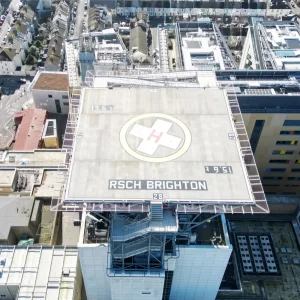
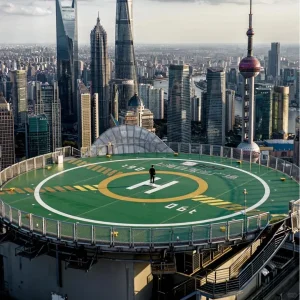
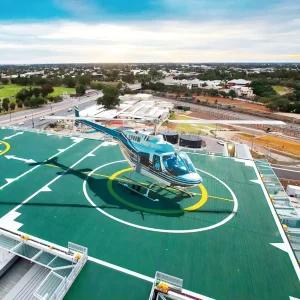
Skyscrapers face complex wind currents and strict acoustic limitations. The perimeter safety nets must be visually unobtrusive and aerodynamically sound. Aluminum safety nets are customized with non-reflective coatings and optimized angles (usually tilted upwards between 10 to 15 degrees) to deflect wind gusts while maintaining a clean architectural appearance.
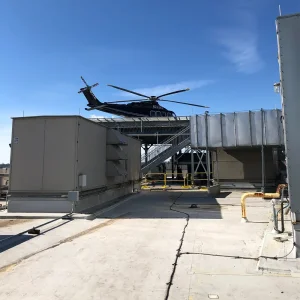
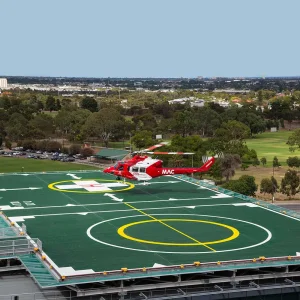
Emergency medical service (EMS) heliports prioritize zero-obstruction structures to allow rapid patient transfer. The safety nets must remain absolutely stable under high downwash forces from heavy rescue helicopters. The aluminum alloy mesh provides a solid walk-on surface in the event of an emergency evacuation, satisfying municipal safety building codes.
As the aviation industry progresses towards Urban Air Mobility (UAM) and Electric Vertical Takeoff and Landing (eVTOL) aircraft, helidecks will evolve into digitalized vertiports. The safety net of tomorrow is no longer just a passive mechanical mesh; it is transitioning into an active, intelligent sensor array.
Lvxing is currently researching the integration of smart fiber-optic strain sensors into the structural aluminum frames. These sensors will continually monitor structural load degradation, sending automated alerts to facility managers if a safety net's tension drops below acceptable levels. Additionally, we are developing automated electric-folding perimeter nets that retract seamlessly to accommodate non-standard emergency aircraft dimensions, laying a technological foundation for the autonomous vertiports of the future.
Direct answers to the most common engineering and procurement inquiries regarding custom aluminum helipad safety nets.
Complete your aviation safety infrastructure with our collection of structural helipads, marine deck components, and electric-powered safety net variants.
 LvXing